College of Electronic & Information Engineering, Hebei University, Baoding, China.
Department of Biomedical Sciences, University of South Carolina School of Medicine Greenville Campus, Greenville Health System, Greenville, South Carolina.
CNS Neurosci Ther. 2019 Nov;25(11):1254-1261. doi: 10.1111/cns.13150. Epub 2019 Jun 22.
Autism spectrum disorder (ASD) is a very complex neurodevelopmental disorder, characterized by social difficulties and stereotypical or repetitive behavior. Some previous studies using low-frequency repetitive transcranial magnetic stimulation (rTMS) have proven of benefit in ASD children.
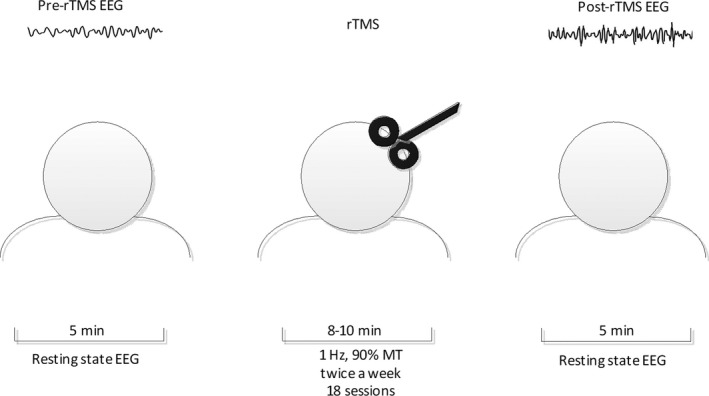
In this study, 32 children (26 males and six females) with low-function autism were enrolled, 16 children (three females and 13 males; mean ± SD age: 7.8 ± 2.1 years) received rTMS treatment twice every week, while the remaining 16 children (three females and 13 males; mean ± SD age: 7.2 ± 1.6 years) served as waitlist group. This study investigated the effects of rTMS on brain activity and behavioral response in the autistic children.
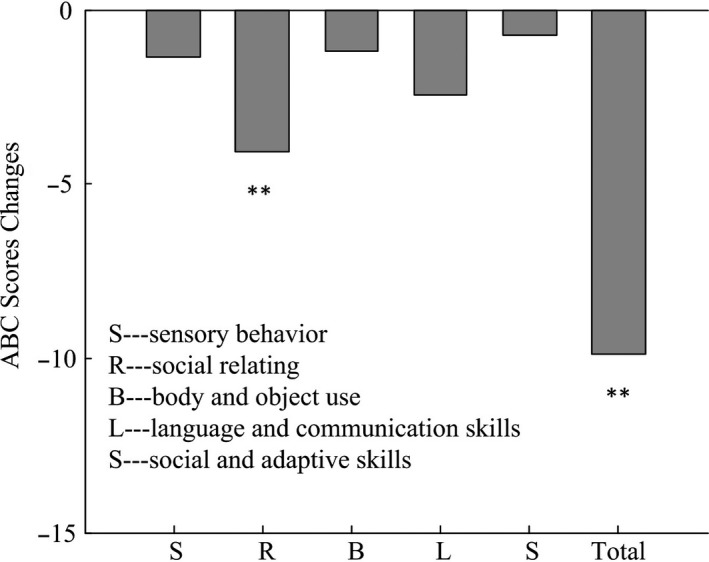
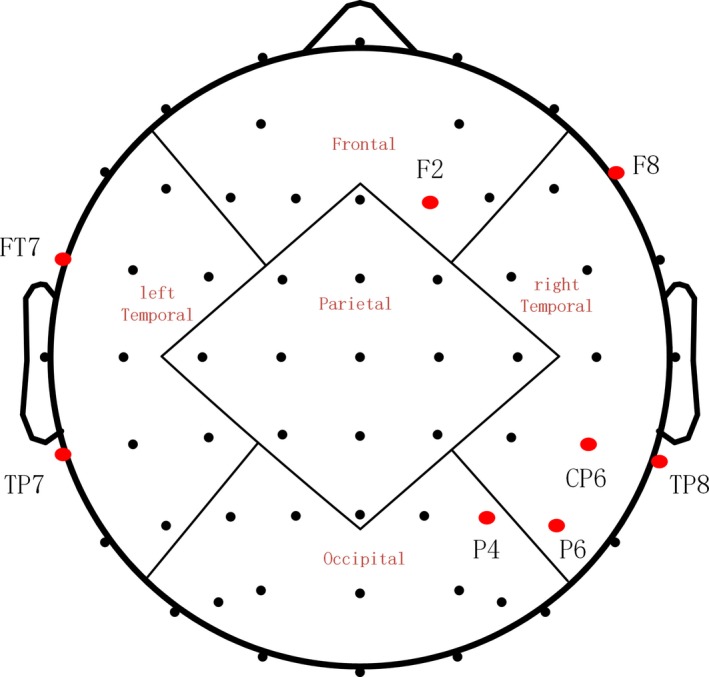
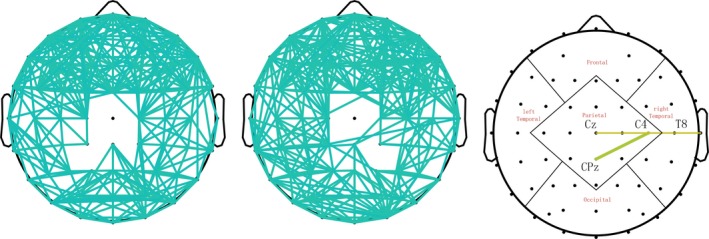
Peak alpha frequency (PAF) is an electroencephalographic measure of cognitive preparedness and might be a neural marker of cognitive function for the autism. Coherence is one way to assess the brain functional connectivity of ASD children, which has proven abnormal in previous studies. The results showed significant increases in the PAF at the frontal region, the left temporal region, the right temporal region and the occipital region and a significant increase of alpha coherence between the central region and the right temporal region. Autism Behavior Checklist (ABC) scores were also compared before and after receiving rTMS with positive effects shown on behavior.
These findings supported our hypothesis by demonstration of positive effects of combined rTMS neurotherapy in active treatment group as compared to the waitlist group, as the rTMS group showed significant improvements in behavioral and functional outcomes as compared to the waitlist group.
自闭症谱系障碍(ASD)是一种非常复杂的神经发育障碍,其特征是社交困难和刻板或重复行为。一些先前使用低频重复经颅磁刺激(rTMS)的研究已证明对 ASD 儿童有益。
本研究纳入了 32 名低功能自闭症儿童(26 名男性和 6 名女性),16 名儿童(3 名女性和 13 名男性;平均年龄±标准差:7.8±2.1 岁)接受 rTMS 治疗,每周两次,而其余 16 名儿童(3 名女性和 13 名男性;平均年龄±标准差:7.2±1.6 岁)作为候补组。本研究旨在调查 rTMS 对自闭症儿童大脑活动和行为反应的影响。
峰值 alpha 频率(PAF)是一种脑电图测量认知准备的指标,可能是自闭症认知功能的神经标志物。相干性是评估 ASD 儿童脑功能连接的一种方法,先前的研究已经证明其异常。结果显示,额叶、左颞叶、右颞叶和枕叶的 PAF 显著增加,中央区域与右颞叶之间的 alpha 相干性也显著增加。自闭症行为检查表(ABC)评分也在接受 rTMS 前后进行了比较,结果显示 rTMS 组的行为有积极改善。
这些发现通过证明联合 rTMS 神经治疗在活跃治疗组中的积极效果支持了我们的假设,与候补组相比,rTMS 组在行为和功能结果方面表现出显著改善。