Bisconti Angela Valentina, Cè Emiliano, Longo Stefano, Venturelli Massimo, Coratella Giuseppe, Shokohyar Sheida, Ghahremani Reza, Rampichini Susanna, Limonta Eloisa, Esposito Fabio
Department of Biomedical Science for Health, Università degli Studi di Milano, Milan, Italy.
Department of Internal Medicine, The University of Utah, Salt Lake City, UT, United States.
Front Physiol. 2019 Jun 12;10:727. doi: 10.3389/fphys.2019.00727. eCollection 2019.
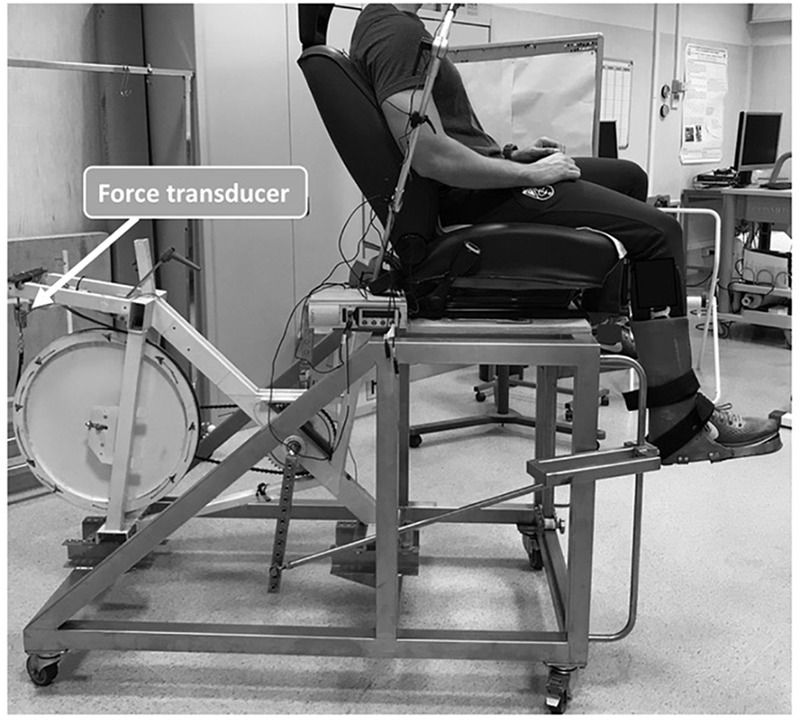
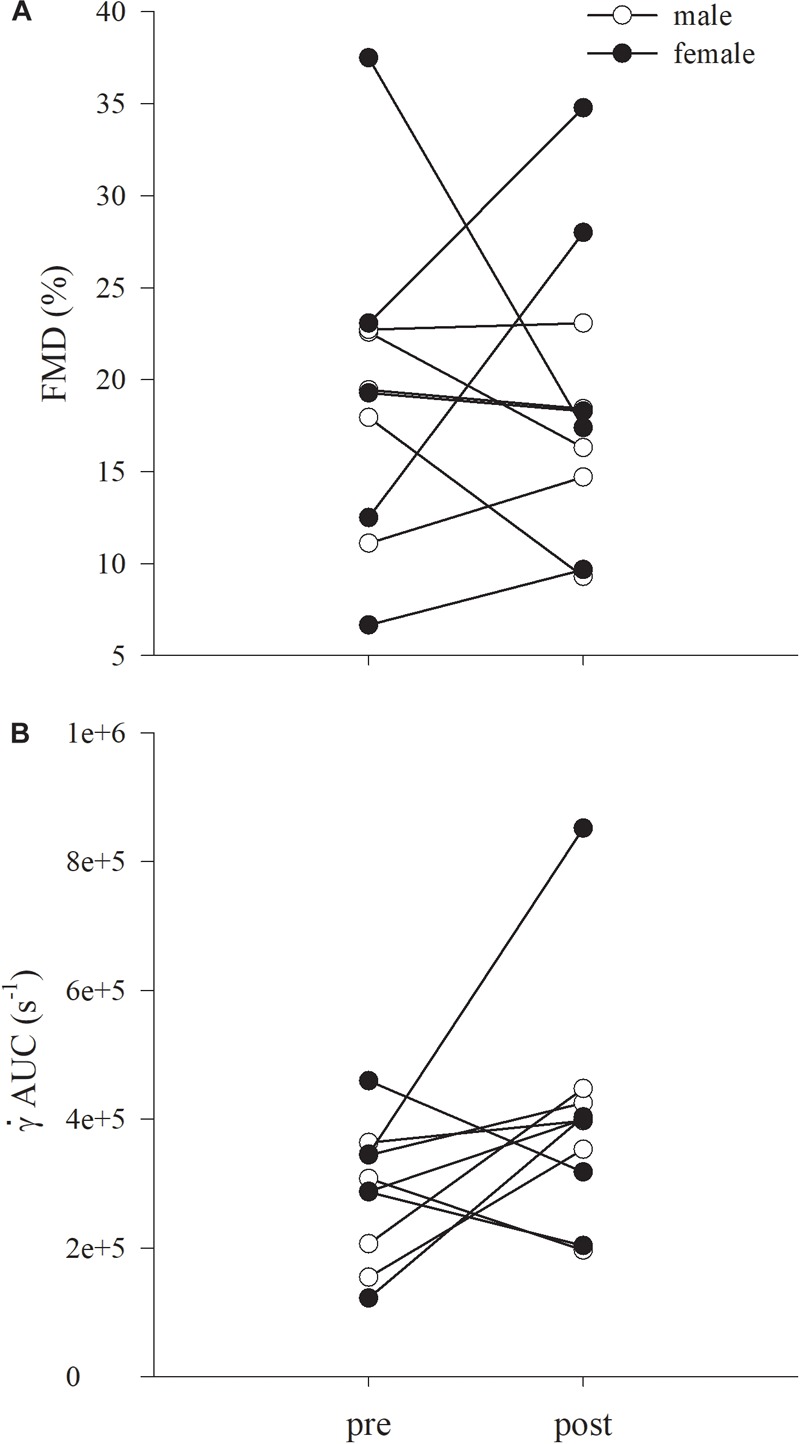
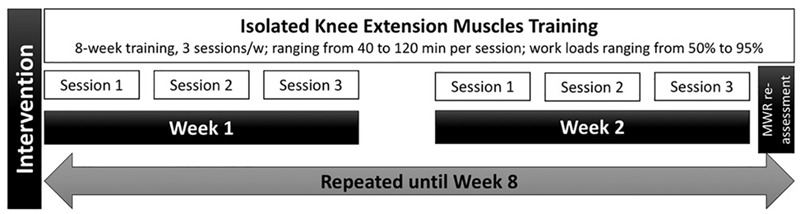
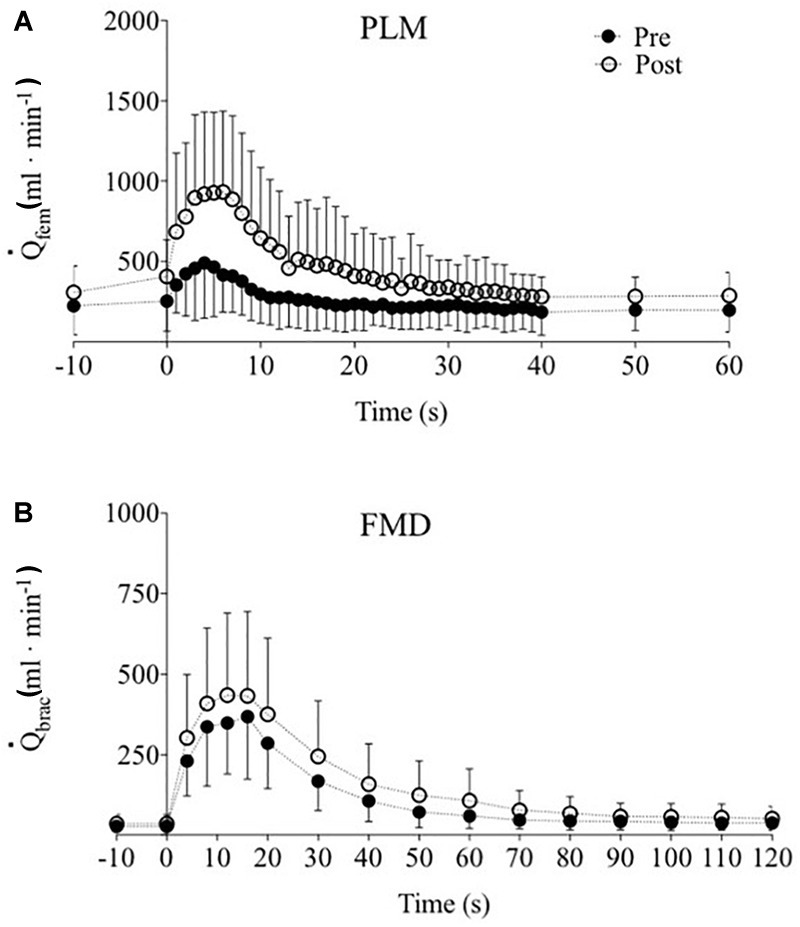
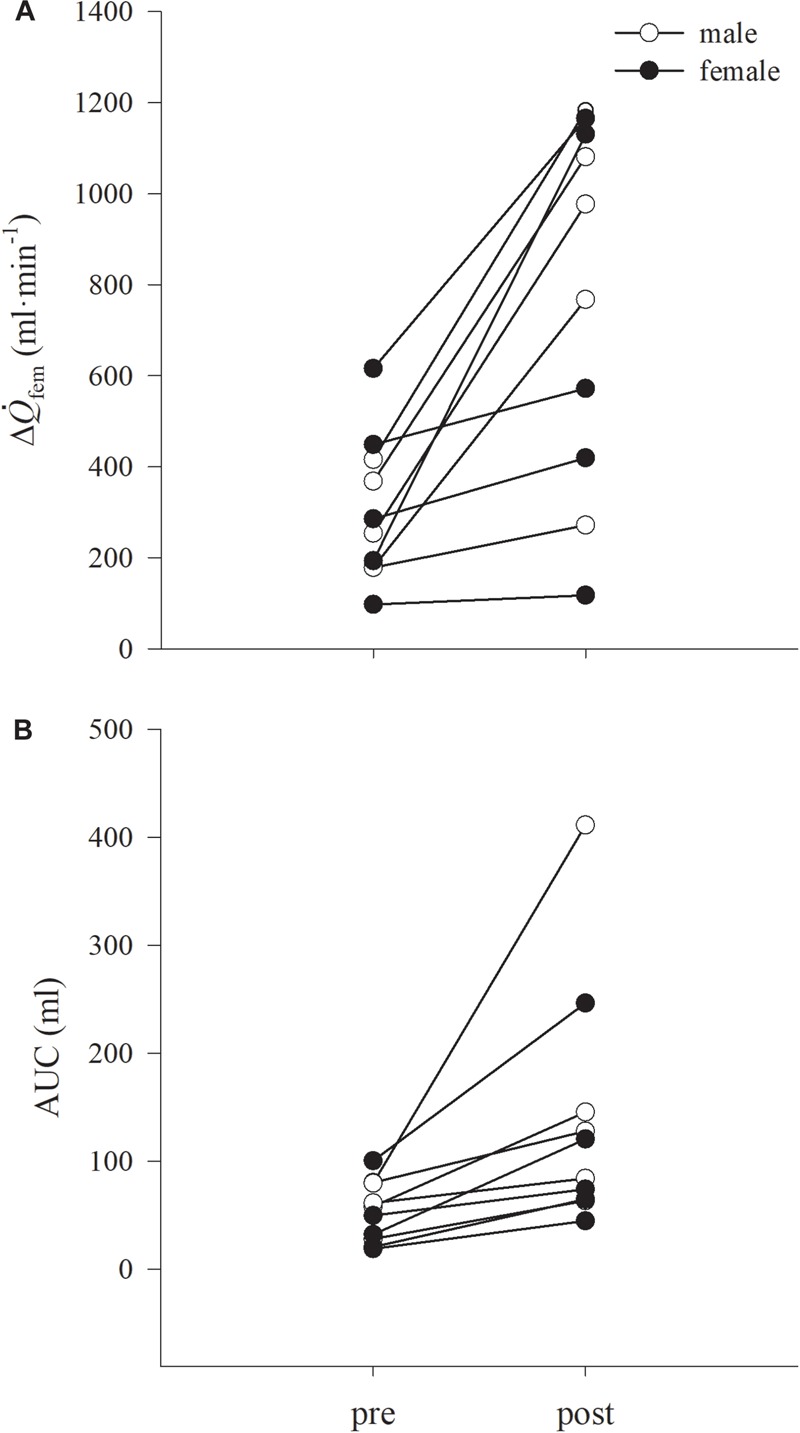
Vascular endothelial function is a strong marker of cardiovascular health and it refers to the ability of the body to maintain the homeostasis of vascular tone. The endothelial cells react to mechanical and chemical stimuli modulating the smooth muscle cells relaxation. The extent of the induced vasodilation depends on the magnitude of the stimulus. During exercise, the peripheral circulation is mostly controlled by the endothelial cells response that increases the peripheral blood flow in body districts involved but also not involved with exercise. However, whether vascular adaptations occur also in the brachial artery as a result of isolated leg extension muscles (KE) training is still an open question. Repetitive changes in blood flow occurring during exercise may act as vascular training for vessels supplying the active muscle bed as well as for the vessels of body districts not directly involved with exercise. This study sought to evaluate whether small muscle mass (KE) training would induce improvements in endothelial function not only in the vasculature of the lower limb (measured at the femoral artery level in the limb directly involved with training), but also in the upper limb (measured at the brachial artery level in the limb not directly involved with training) as an effect of repetitive increments in the peripheral blood flow during training sessions. Ten young healthy participants (five females, and five males; age: 23 ± 3 years; stature: 1.70 ± 0.11 m; body mass: 66 ± 11 kg; BMI: 23 ± 1 kg ⋅ m) underwent an 8-week KE training study. Maximum work rate (MWR), vascular function and peripheral blood flow were assessed pre- and post-KE training by KE ergometer, flow mediated dilatation (FMD) in the brachial artery (non-trained limb), and by passive limb movement (PLM) in femoral artery (trained limb), respectively. After 8 weeks of KE training, MWR and PLM increased by 44% ( = 0.015) and 153% ( = 0.003), respectively. Despite acute increase in brachial artery blood flow during exercise occurred (+25%; < 0.001), endothelial function did not change after training. Eight weeks of KE training improved endothelial cells response only in the lower limb (measured at the femoral artery level) directly involved with training, likely without affecting the endothelial response of the upper limb (measured at the brachial artery level) not involved with training.
血管内皮功能是心血管健康的一个重要指标,它指的是身体维持血管张力稳态的能力。内皮细胞对机械和化学刺激作出反应,调节平滑肌细胞的舒张。诱导血管舒张的程度取决于刺激的强度。运动期间,外周循环主要受内皮细胞反应的控制,这种反应会增加身体中参与运动和未参与运动部位的外周血流量。然而,单纯的腿部伸展肌肉(KE)训练是否也会导致肱动脉出现血管适应性变化仍是一个悬而未决的问题。运动期间发生的血流反复变化可能对为活跃肌肉床供血的血管以及身体中未直接参与运动部位的血管起到血管训练的作用。本研究旨在评估小肌肉量(KE)训练是否不仅会改善下肢血管系统(在直接参与训练的肢体的股动脉水平测量)的内皮功能,还会改善上肢血管系统(在未直接参与训练的肢体的肱动脉水平测量)的内皮功能,这是训练期间外周血流量反复增加的结果。十名年轻健康参与者(五名女性和五名男性;年龄:23±3岁;身高:1.70±0.11米;体重:66±11千克;体重指数:23±1千克·米²)参与了一项为期8周的KE训练研究。分别通过KE测力计、肱动脉(未训练肢体)的血流介导舒张(FMD)以及股动脉(训练肢体)的被动肢体运动(PLM),在KE训练前后评估最大工作率(MWR)、血管功能和外周血流量。经过8周的KE训练后,MWR和PLM分别增加了44%(P = 0.015)和153%(P = 0.003)。尽管运动期间肱动脉血流量出现急性增加(+25%;P < 0.001),但训练后内皮功能并未改变。8周KE训练仅改善了直接参与训练的下肢(在股动脉水平测量)的内皮细胞反应,可能未影响未参与训练的上肢(在肱动脉水平测量)的内皮反应。