Arnold Christin, Monsees Delf, Hey Jeremias, Schweyen Ramona
Department of Prosthetic Dentistry, University School of Dental Medicine, Martin-Luther-University Halle-Wittenberg, Magdeburger Str. 16, 06112 Halle, Germany.
Materials (Basel). 2019 Jun 19;12(12):1970. doi: 10.3390/ma12121970.
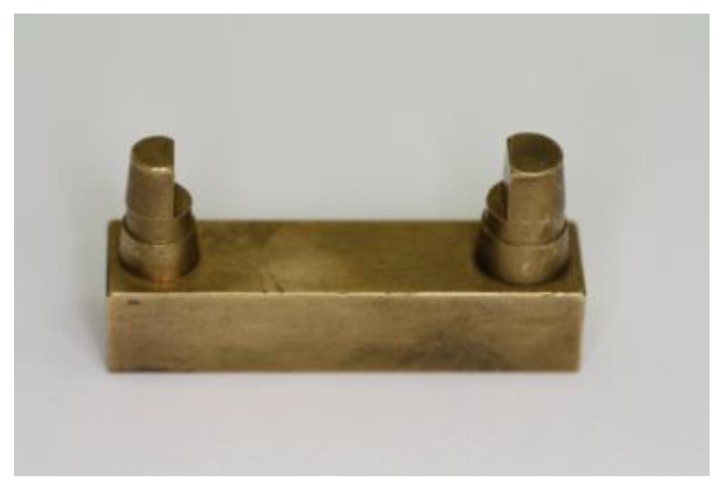
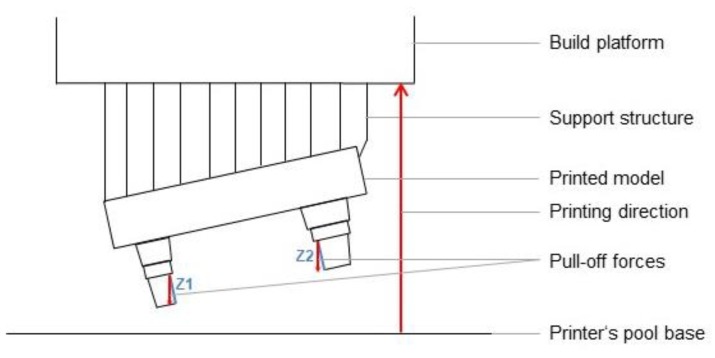
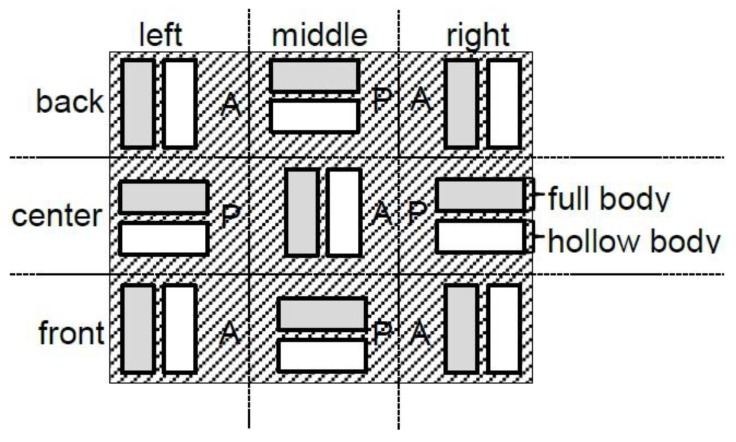
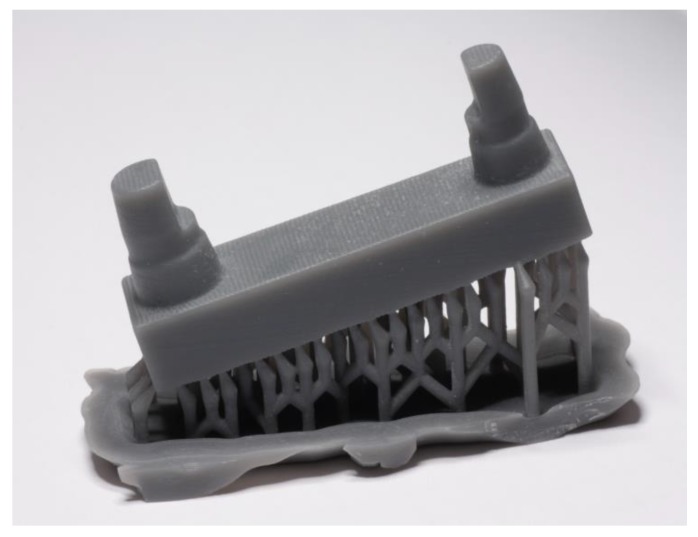
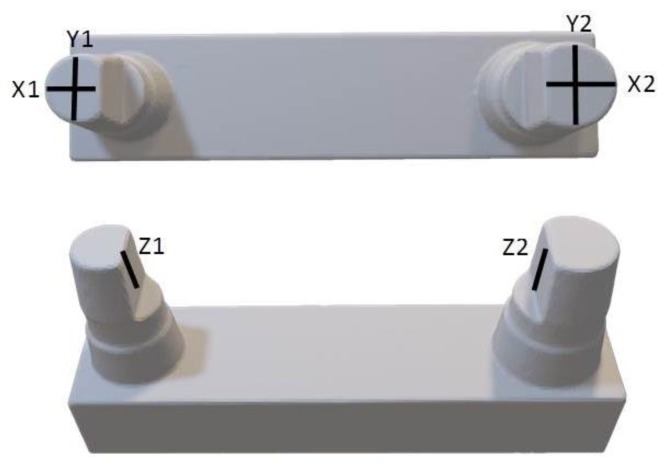
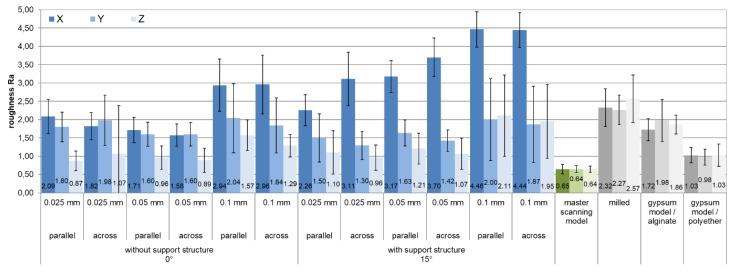
Although 3D-printing is common in dentistry, the technique does not produce the required quality for all target applications. Resin type, printing resolution, positioning, alignment, target structure, and the type and number of support structures may influence the surface roughness of printed objects, and this study investigates the effects of these variables. A stereolithographic data record was generated from a master model. Twelve printing processes were executed with a stereolithography Desktop 3D Printer, including models aligned across and parallel to the printer front as well as solid and hollow models. Three layer thicknesses were used, and in half of all processes, the models were inclined at 15°. For comparison, eight gypsum models and milled polyurethane models were manufactured. The mean roughness index of each model was determined with a perthometer. Surface roughness values were approximately 0.65 µm (master), 0.87-4.44 µm (printed), 2.32-2.57 µm (milled), 1.72-1.86 µm (cast plaster/alginate casting), and 0.98-1.03 µm (cast plaster/polyether casting). The layer height and type and number of support structures influenced the surface roughness of printed models ( ≤ 0.05), but positioning, structure, and alignment did not.
尽管3D打印在牙科领域很常见,但该技术并不能为所有目标应用提供所需的质量。树脂类型、打印分辨率、定位、对齐方式、目标结构以及支撑结构的类型和数量可能会影响打印物体的表面粗糙度,本研究调查了这些变量的影响。从主模型生成了立体光刻数据记录。使用立体光刻桌面3D打印机执行了12个打印过程,包括与打印机正面交叉和平行对齐的模型以及实心和空心模型。使用了三种层厚,并且在所有过程的一半中,模型倾斜15°。为了进行比较,制作了八个石膏模型和铣削聚氨酯模型。使用表面粗糙度仪测定每个模型的平均粗糙度指数。表面粗糙度值分别约为0.65 µm(主模型)、0.87 - 4.44 µm(打印模型)、2.32 - 2.57 µm(铣削模型)、1.72 - 1.86 µm(铸石膏/藻酸盐铸造模型)和0.98 - 1.03 µm(铸石膏/聚醚铸造模型)。层高度以及支撑结构的类型和数量会影响打印模型的表面粗糙度(≤0.05),但定位、结构和对齐方式则不会。