Institute of Molecular Biotechnology of the Austrian Academy of Sciences (IMBA), Vienna BioCenter, Vienna, Austria.
Department of Microbiology, Tumor and Cell Biology, Biomedicum, Karolinska Institutet, Stockholm, Sweden.
EMBO Mol Med. 2019 Aug;11(8):e9266. doi: 10.15252/emmm.201809266. Epub 2019 Jun 24.
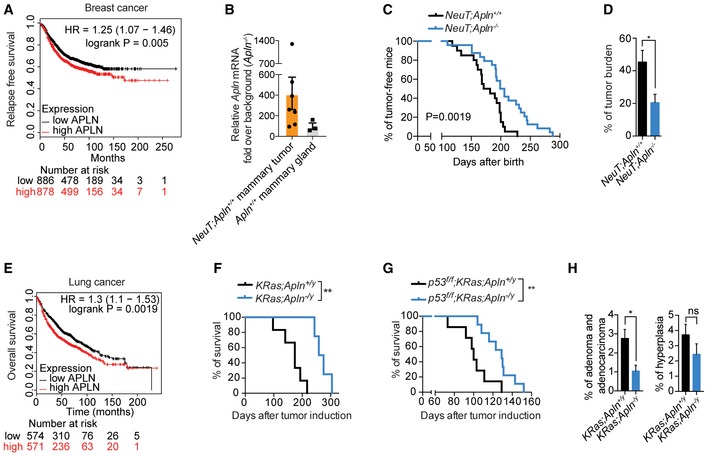
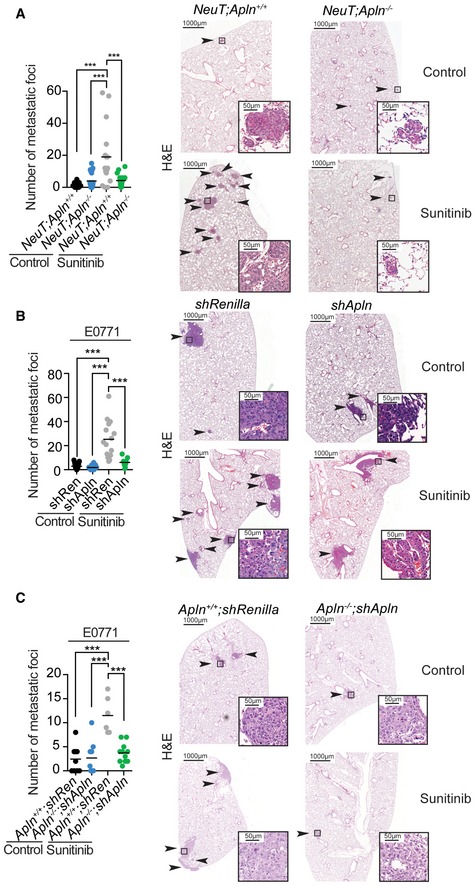
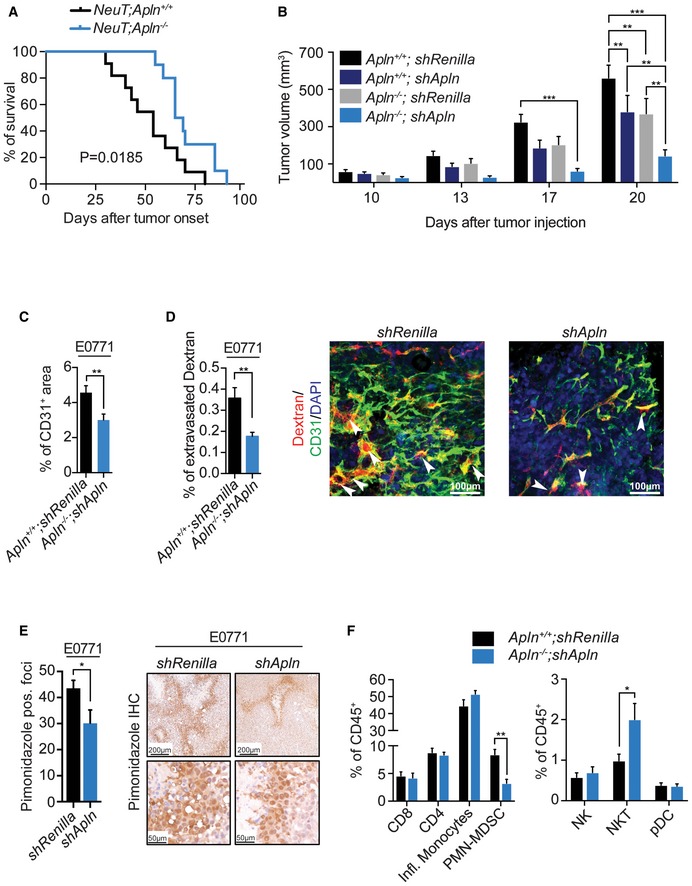
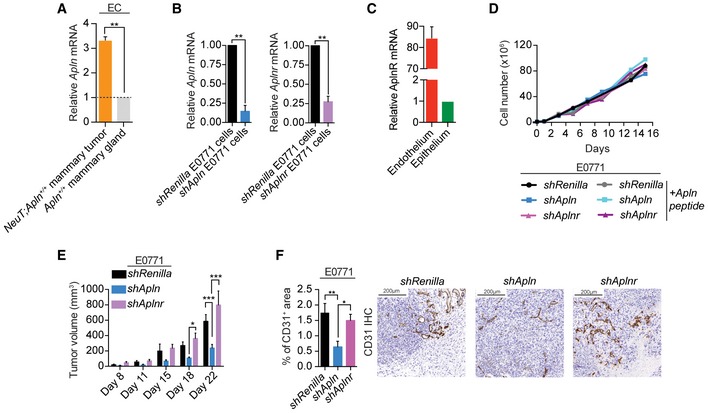
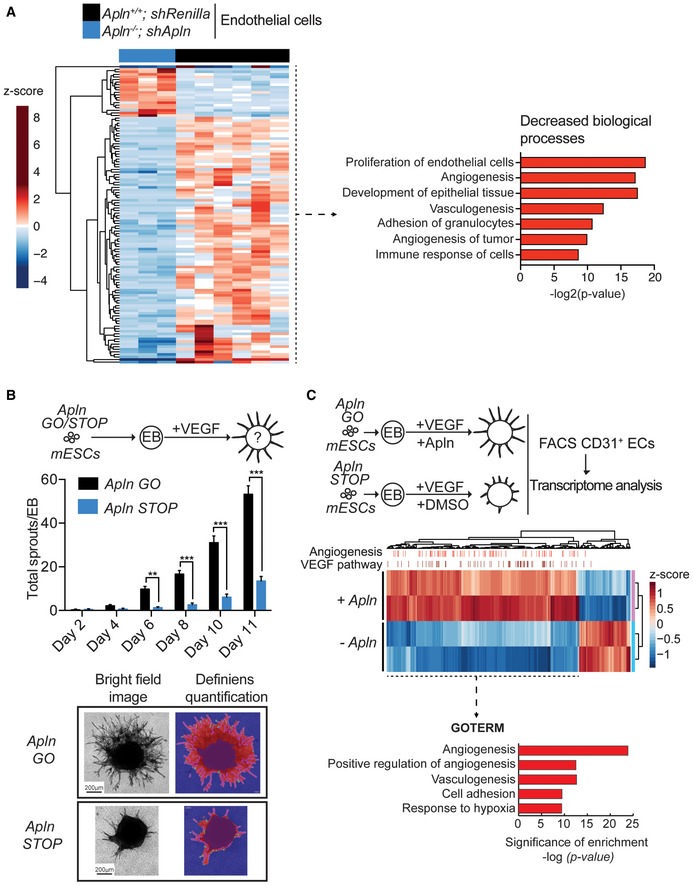
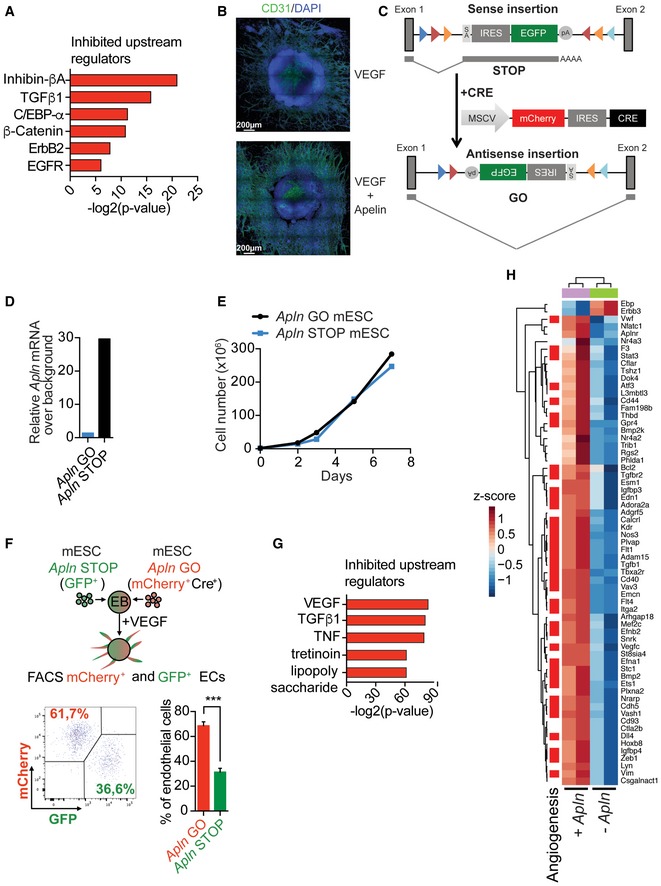
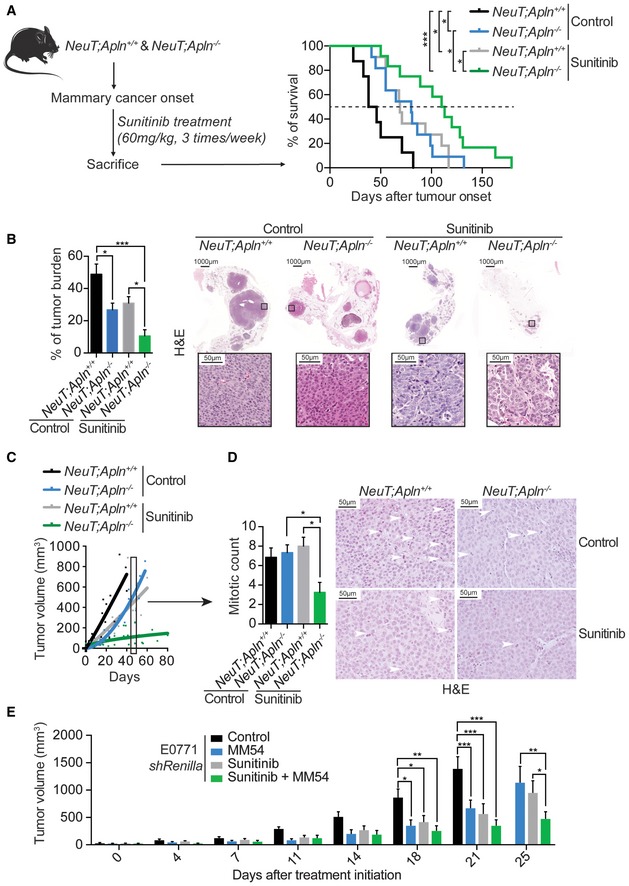
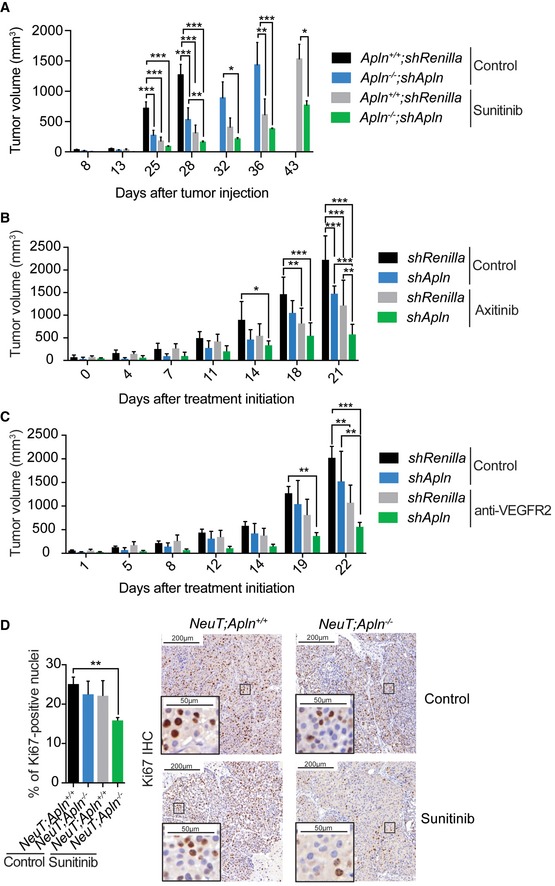
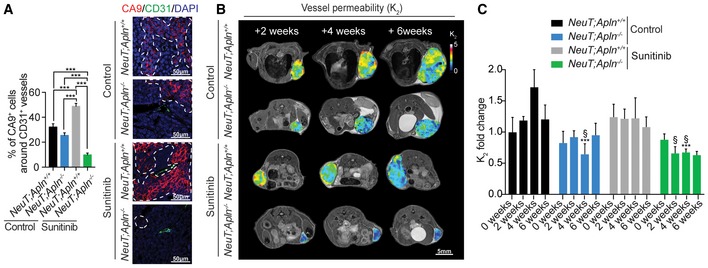
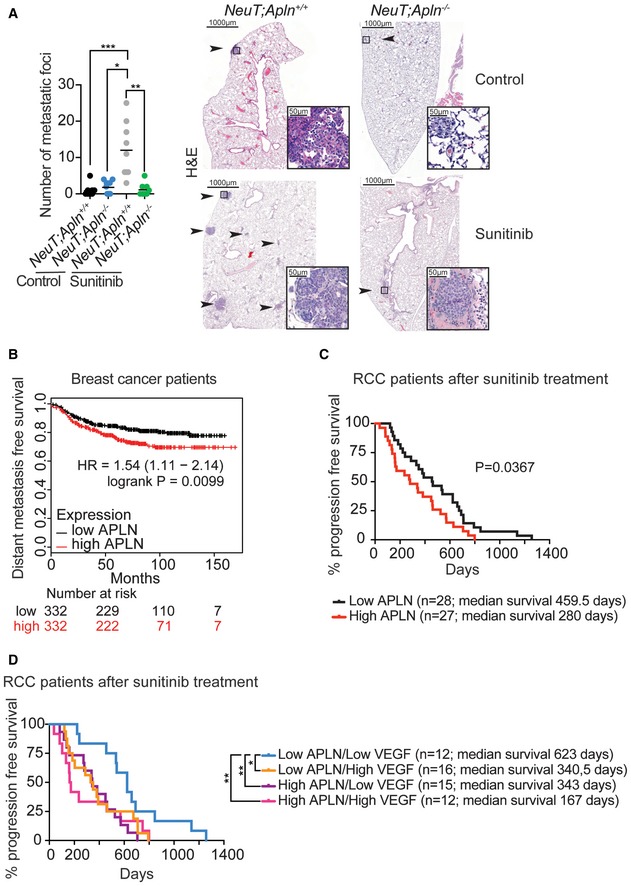
Angiogenesis is a hallmark of cancer, promoting growth and metastasis. Anti-angiogenic treatment has limited efficacy due to therapy-induced blood vessel alterations, often followed by local hypoxia, tumor adaptation, progression, and metastasis. It is therefore paramount to overcome therapy-induced resistance. We show that Apelin inhibition potently remodels the tumor microenvironment, reducing angiogenesis, and effectively blunting tumor growth. Functionally, targeting Apelin improves vessel function and reduces polymorphonuclear myeloid-derived suppressor cell infiltration. Importantly, in mammary and lung cancer, Apelin prevents resistance to anti-angiogenic receptor tyrosine kinase (RTK) inhibitor therapy, reducing growth and angiogenesis in lung and breast cancer models without increased hypoxia in the tumor microenvironment. Apelin blockage also prevents RTK inhibitor-induced metastases, and high Apelin levels correlate with poor prognosis of anti-angiogenic therapy patients. These data identify a druggable anti-angiogenic drug target that reduces tumor blood vessel densities and normalizes the tumor vasculature to decrease metastases.
血管生成是癌症的一个标志,促进肿瘤生长和转移。抗血管生成治疗由于治疗诱导的血管改变而疗效有限,常常导致局部缺氧、肿瘤适应、进展和转移。因此,克服治疗诱导的耐药性至关重要。我们表明,Apelin 抑制可强力重塑肿瘤微环境,减少血管生成,并有效抑制肿瘤生长。功能上,靶向 Apelin 可改善血管功能并减少多形核髓样来源的抑制性细胞浸润。重要的是,在乳腺和肺癌中,Apelin 可防止对血管生成受体酪氨酸激酶(RTK)抑制剂治疗的耐药性,在不增加肿瘤微环境缺氧的情况下,减少肺和乳腺癌模型中的生长和血管生成。Apelin 阻断还可防止 RTK 抑制剂诱导的转移,并且高 Apelin 水平与抗血管生成治疗患者的预后不良相关。这些数据确定了一种可药物治疗的抗血管生成药物靶点,该靶点可降低肿瘤血管密度并使肿瘤血管正常化,以减少转移。