Leibniz Institute for Zoo and Wildlife Research, Alfred-Kowalke-Straße 17, 10315, Berlin, Germany.
Leibniz Institute of Freshwater Ecology and Inland Fisheries, Alte Fischerhütte 2, 16775, Stechlin, Germany.
Sci Rep. 2019 Jul 4;9(1):9673. doi: 10.1038/s41598-019-46015-z.
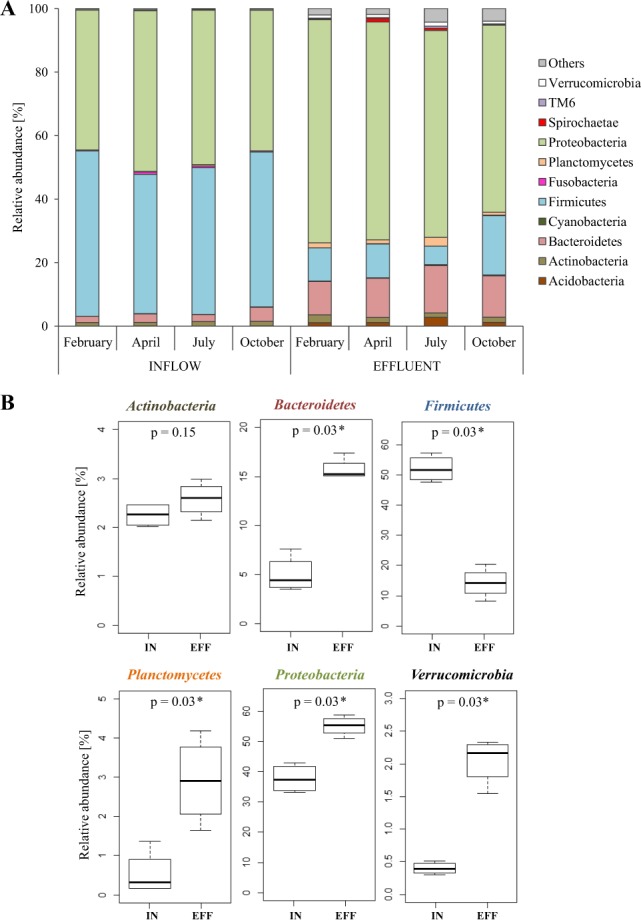
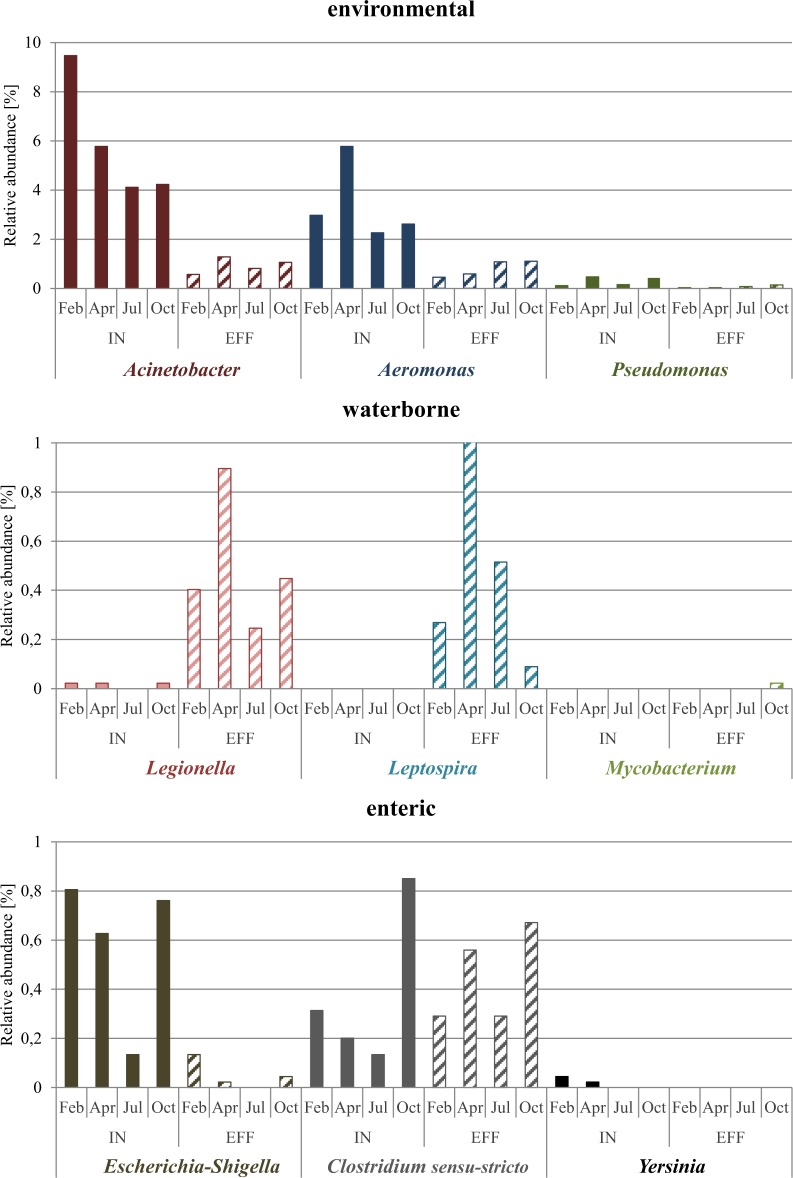
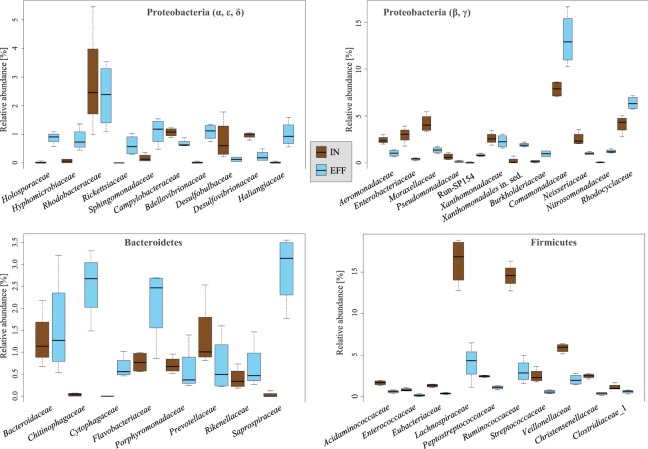
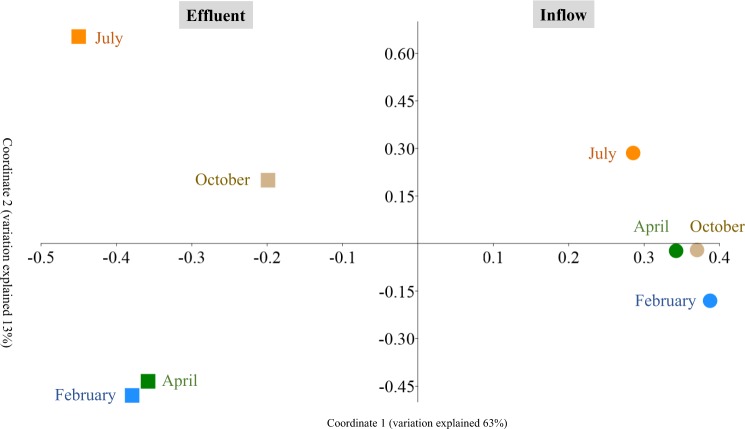
Wastewater treatment is crucial to environmental hygiene in urban environments. However, wastewater treatment plants (WWTPs) collect chemicals, organic matter, and microorganisms including pathogens and multi-resistant bacteria from various sources which may be potentially released into the environment via WWTP effluent. To better understand microbial dynamics in WWTPs, we characterized and compared the bacterial community of the inflow and effluent of a WWTP in Berlin, Germany using full-length 16S rRNA gene sequences, which allowed for species level determination in many cases and generally resolved bacterial taxa. Significantly distinct bacterial communities were identified in the wastewater inflow and effluent samples. Dominant operational taxonomic units (OTUs) varied both temporally and spatially. Disease associated bacterial groups were efficiently reduced in their relative abundance from the effluent by the WWTP treatment process, except for Legionella and Leptospira species which demonstrated an increase in relative proportion from inflow to effluent. This indicates that WWTPs, while effective against enteric bacteria, may enrich and release other potentially pathogenic bacteria into the environment. The taxonomic resolution of full-length 16S rRNA genes allows for improved characterization of potential pathogenic taxa and other harmful bacteria which is required to reliably assess health risk.
城市环境中的废水处理对环境卫生至关重要。然而,废水处理厂(WWTP)从各种来源收集化学物质、有机物和微生物,包括病原体和多耐药菌,这些物质可能通过 WWTP 流出物释放到环境中。为了更好地了解 WWTP 中的微生物动态,我们使用全长 16S rRNA 基因序列对德国柏林的 WWTP 的进水和出水进行了特征描述和比较,这在许多情况下允许进行物种水平的确定,并通常可以解析细菌分类群。在废水进水和出水样品中鉴定出明显不同的细菌群落。优势操作分类单元(OTU)在时间和空间上均发生变化。疾病相关细菌群体在 WWTP 处理过程中,其相对丰度从出水中有效降低,除军团菌和钩端螺旋体菌外,这两种菌的相对比例从进水到出水均增加。这表明 WWTP 虽然对肠道细菌有效,但可能会富集和释放其他潜在的致病性细菌到环境中。全长 16S rRNA 基因的分类分辨率允许对潜在的致病分类群和其他有害细菌进行更好的特征描述,这是可靠评估健康风险所必需的。