Systems Biology of Reproduction Momentum Research Group, Institute of Enzymology, Research Centre for Natural Sciences, Hungarian Academy of Sciences, Budapest, Hungary.
Department of Immunology, Eotvos Lorand University, Budapest, Hungary.
Front Immunol. 2019 Jun 19;10:1240. doi: 10.3389/fimmu.2019.01240. eCollection 2019.
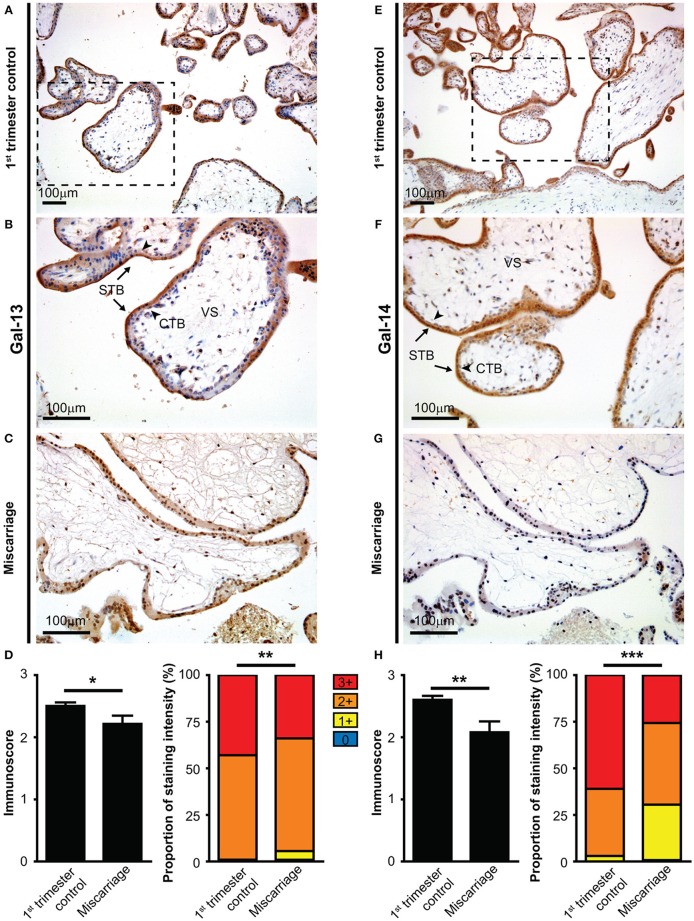
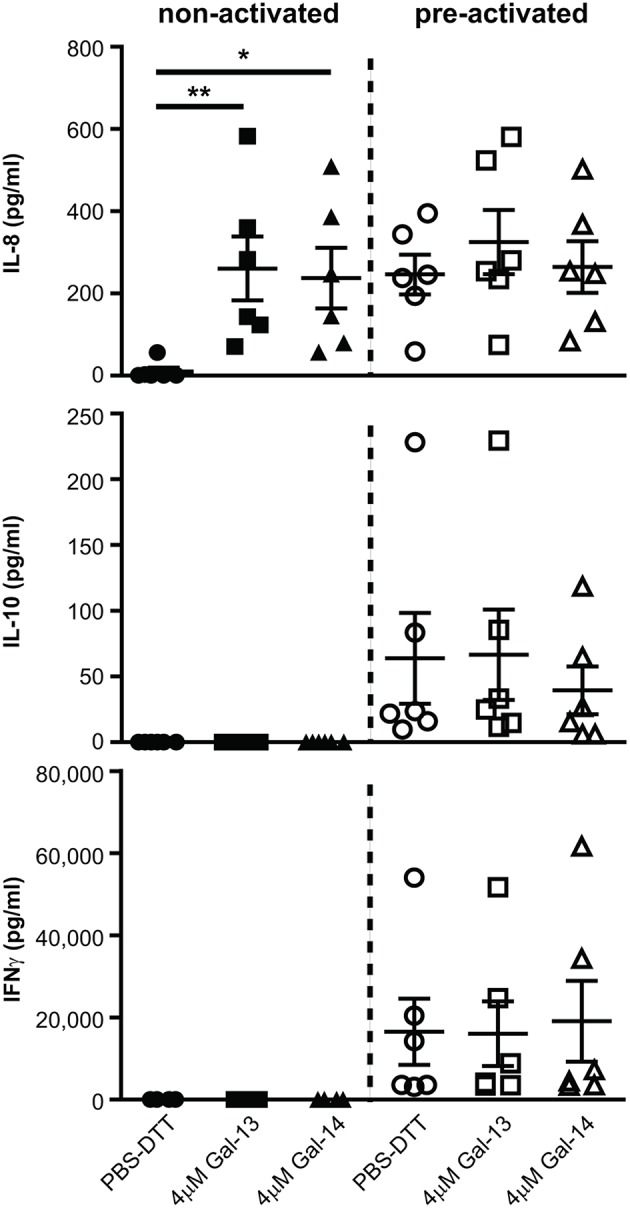
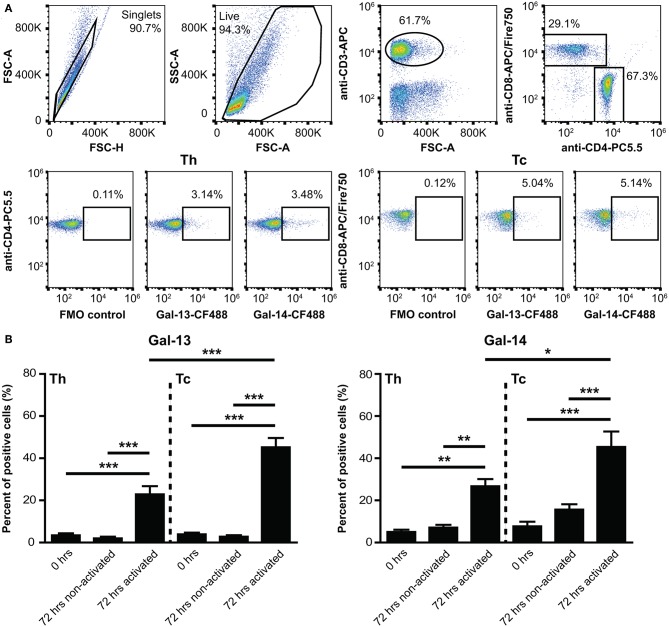
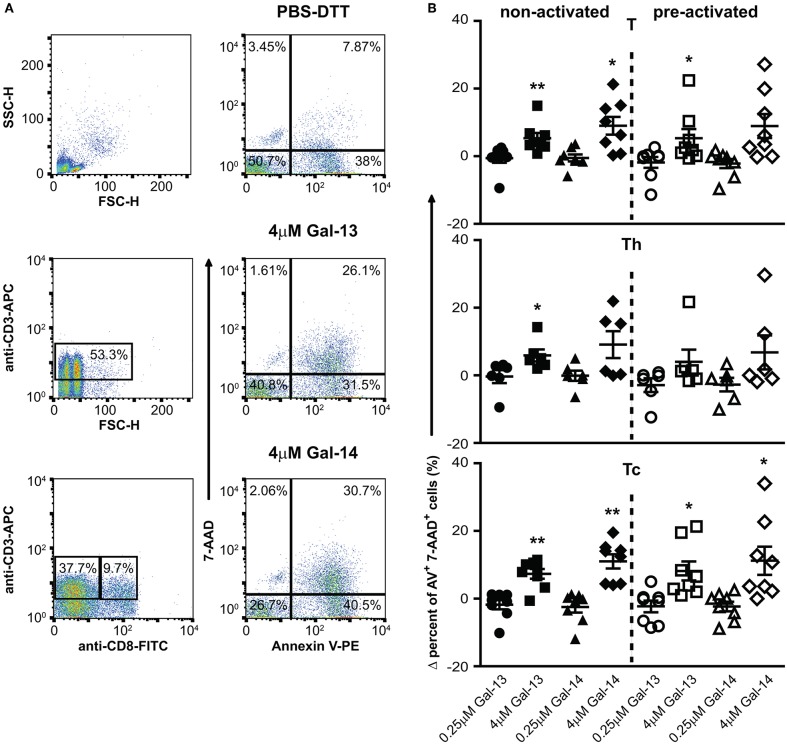
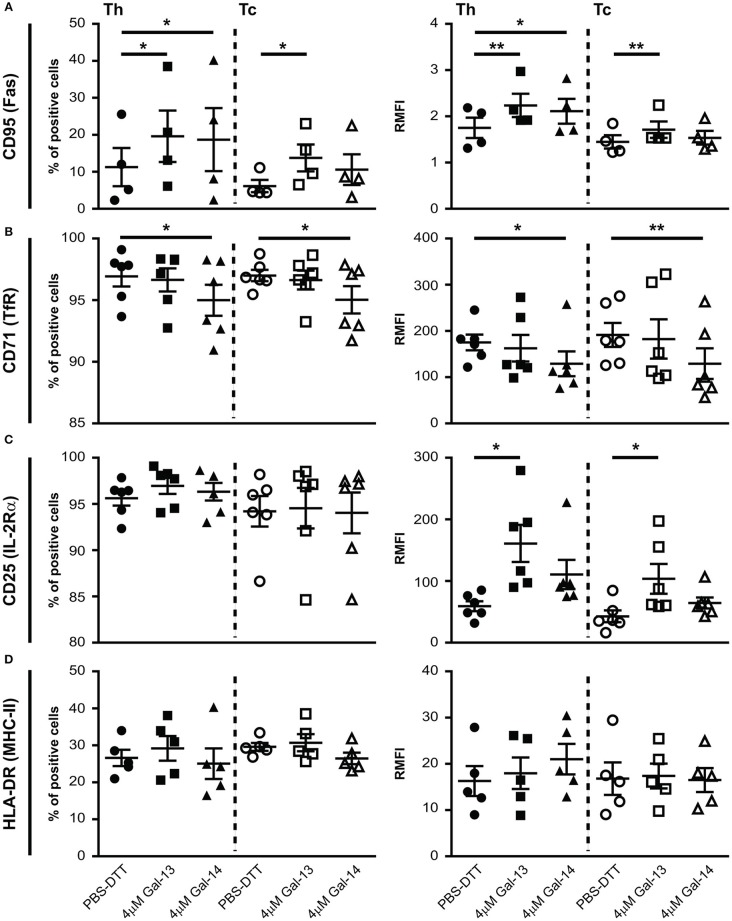
Galectins are potent immunomodulators that regulate maternal immune responses in pregnancy and prevent the rejection of the semi-allogeneic fetus that also occurs in miscarriages. We previously identified a gene cluster on Chromosome 19 that expresses a subfamily of galectins, including galectin-13 (Gal-13) and galectin-14 (Gal-14), which emerged in anthropoid primates. These galectins are expressed only by the placenta and induce the apoptosis of activated T lymphocytes, possibly contributing to a shifted maternal immune balance in pregnancy. The placental expression of Gal-13 and Gal-14 is decreased in preeclampsia, a life-threatening obstetrical syndrome partly attributed to maternal anti-fetal rejection. This study is aimed at revealing the effects of Gal-13 and Gal-14 on T cell functions and comparing the expression of these galectins in placentas from healthy pregnancies and miscarriages. First-trimester placentas were collected from miscarriages and elective termination of pregnancies, tissue microarrays were constructed, and then the expression of Gal-13 and Gal-14 was analyzed by immunohistochemistry and immunoscoring. Recombinant Gal-13 and Gal-14 were expressed and purified, and their effects were investigated on primary peripheral blood T cells. The binding of Gal-13 and Gal-14 to T cells and the effects of these galectins on apoptosis, activation marker (CD25, CD71, CD95, HLA-DR) expression and cytokine (IL-1β, IL-6, IL-8, IL-10, IFNγ) production of T cells were examined by flow cytometry. Gal-13 and Gal-14 are primarily expressed by the syncytiotrophoblast at the maternal-fetal interface in the first trimester, and their placental expression is decreased in miscarriages compared to first-trimester controls. Recombinant Gal-13 and Gal-14 bind to T cells in a population- and activation-dependent manner. Gal-13 and Gal-14 induce apoptosis of Th and Tc cell populations, regardless of their activation status. Out of the investigated activation markers, Gal-14 decreases the cell surface expression of CD71, Gal-13 increases the expression of CD25, and both galectins increase the expression of CD95 on T cells. Non-activated T cells produce larger amounts of IL-8 in the presence of Gal-13 or Gal-14. In conclusion, these results show that Gal-13 and Gal-14 already provide an immunoprivileged environment at the maternal-fetal interface during early pregnancy, and their reduced expression is related to miscarriages.
半乳糖凝集素是强有力的免疫调节剂,可调节妊娠期间母体的免疫反应,并防止同种异体胎儿排斥反应,这种排斥反应也会发生在流产中。我们之前在 19 号染色体上发现了一个基因簇,该基因簇表达了半乳糖凝集素的一个亚家族,包括半乳糖凝集素-13(Gal-13)和半乳糖凝集素-14(Gal-14),这些基因仅在胎盘组织中表达,并诱导活化 T 淋巴细胞凋亡,这可能有助于妊娠期间母体免疫平衡的转变。Gal-13 和 Gal-14 在子痫前期(部分归因于母体对胎儿的排斥反应导致的危及生命的产科综合征)中的胎盘表达降低。本研究旨在揭示 Gal-13 和 Gal-14 对 T 细胞功能的影响,并比较健康妊娠和流产胎盘组织中这些半乳糖凝集素的表达。我们从流产和选择性终止妊娠的妊娠早期胎盘组织中收集组织微阵列,并通过免疫组化和免疫评分分析 Gal-13 和 Gal-14 的表达。表达和纯化重组 Gal-13 和 Gal-14,并研究它们对原代外周血 T 细胞的作用。通过流式细胞术检查 Gal-13 和 Gal-14 与 T 细胞的结合以及这些半乳糖凝集素对 T 细胞凋亡、活化标志物(CD25、CD71、CD95、HLA-DR)表达和细胞因子(IL-1β、IL-6、IL-8、IL-10、IFNγ)产生的影响。Gal-13 和 Gal-14 主要在妊娠早期母胎界面的合体滋养层中表达,与妊娠早期对照组相比,流产时胎盘表达减少。重组 Gal-13 和 Gal-14 以群体和激活依赖性的方式与 T 细胞结合。Gal-13 和 Gal-14 诱导 Th 和 Tc 细胞群的凋亡,而与它们的激活状态无关。在研究的活化标志物中,Gal-14 降低 T 细胞表面 CD71 的表达,Gal-13 增加 CD25 的表达,并且两种半乳糖凝集素都增加 T 细胞上 CD95 的表达。在 Gal-13 或 Gal-14 存在的情况下,非活化的 T 细胞产生更多的 IL-8。总之,这些结果表明,Gal-13 和 Gal-14 在妊娠早期就已经在母胎界面提供了免疫特权环境,它们的表达减少与流产有关。