Department of Pharmacy, Pharmaceutical Technology and Biopharmaceutics, Ludwig-Maximilian University of Munich, Butenandtstr. 5-13, 81377, Munich, Germany.
Pharm Res. 2019 Jul 9;36(9):133. doi: 10.1007/s11095-019-2665-9.
KRAS is the most frequently mutated gene in human cancers. Despite its direct involvement in malignancy and intensive effort, direct inhibition of KRAS via pharmacological inhibitors has been challenging. RNAi induced knockdown using siRNAs against mutant KRAS alleles offers a promising tool for selective therapeutic silencing in KRAS-mutant lung cancers. However, the major bottleneck for clinical translation is the lack of efficient biocompatible siRNA carrier systems.
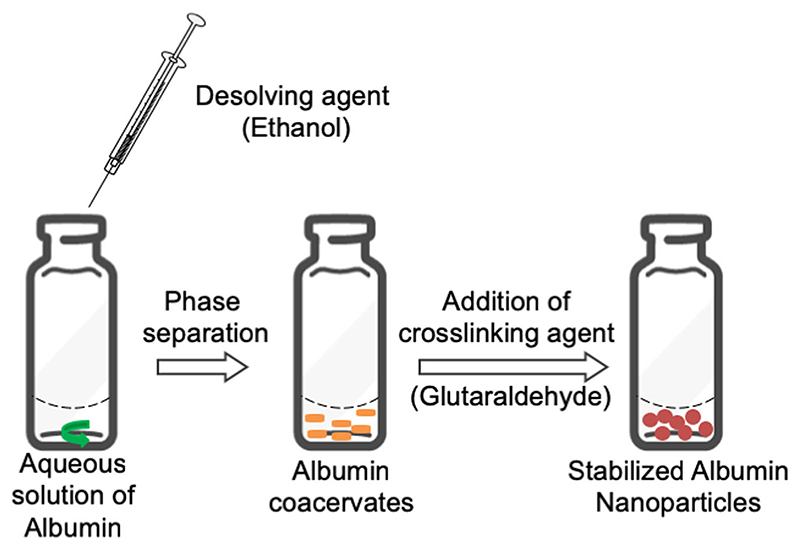
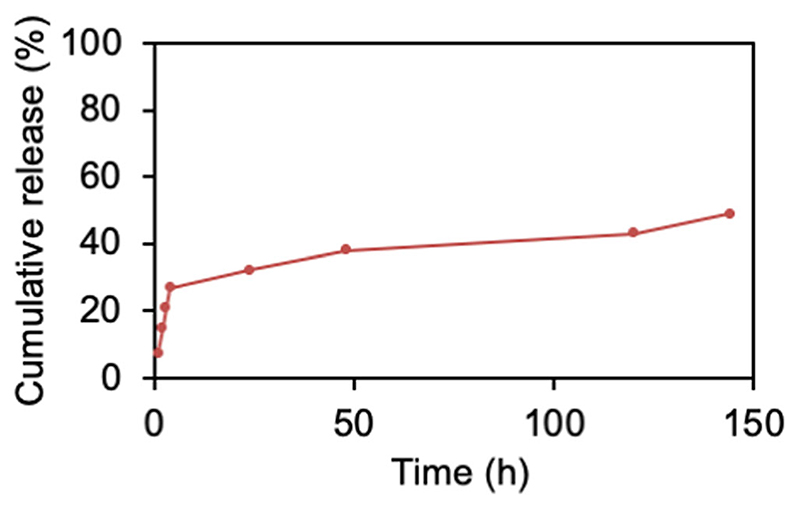
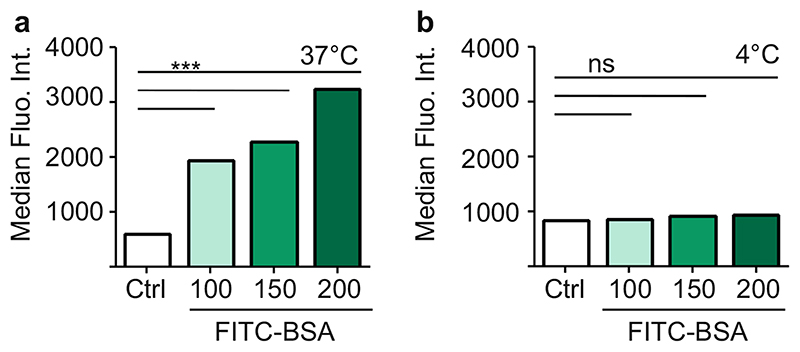
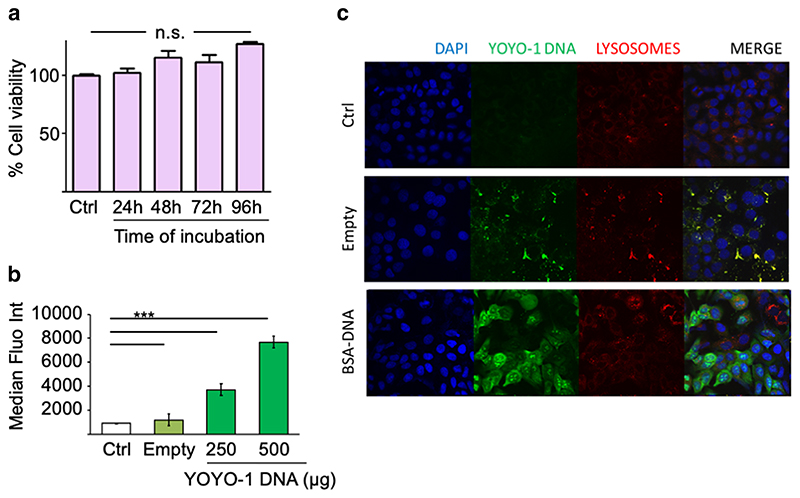
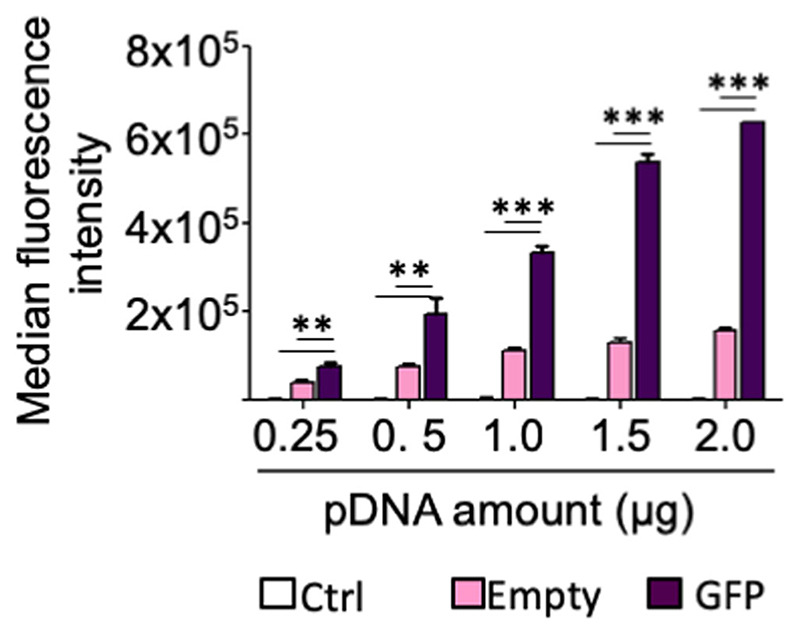
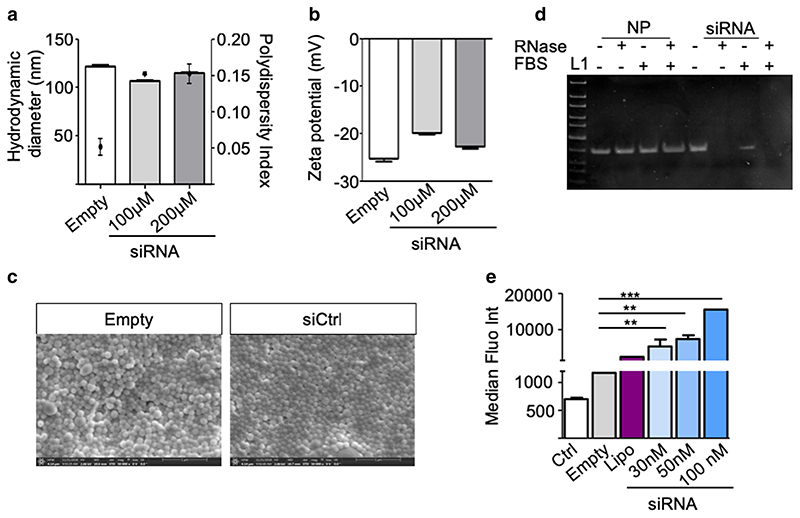
Bovine serum albumin (BSA) nanoparticles were prepared by desolvation method to deliver siRNA targeting the KRAS G12S mutation. The BSA nanoparticles were characterized with respect to their size, zeta potential, encapsulation efficiency and nucleic acid release. Nanoparticle uptake, cellular distribution of nucleic acids, cytotoxicity and gene knock down to interfere with cancer hallmarks, uncontrolled proliferation and migration, were evaluated in KRAS G12S mutant A459 cells, a lung adenocarcinoma cell line.
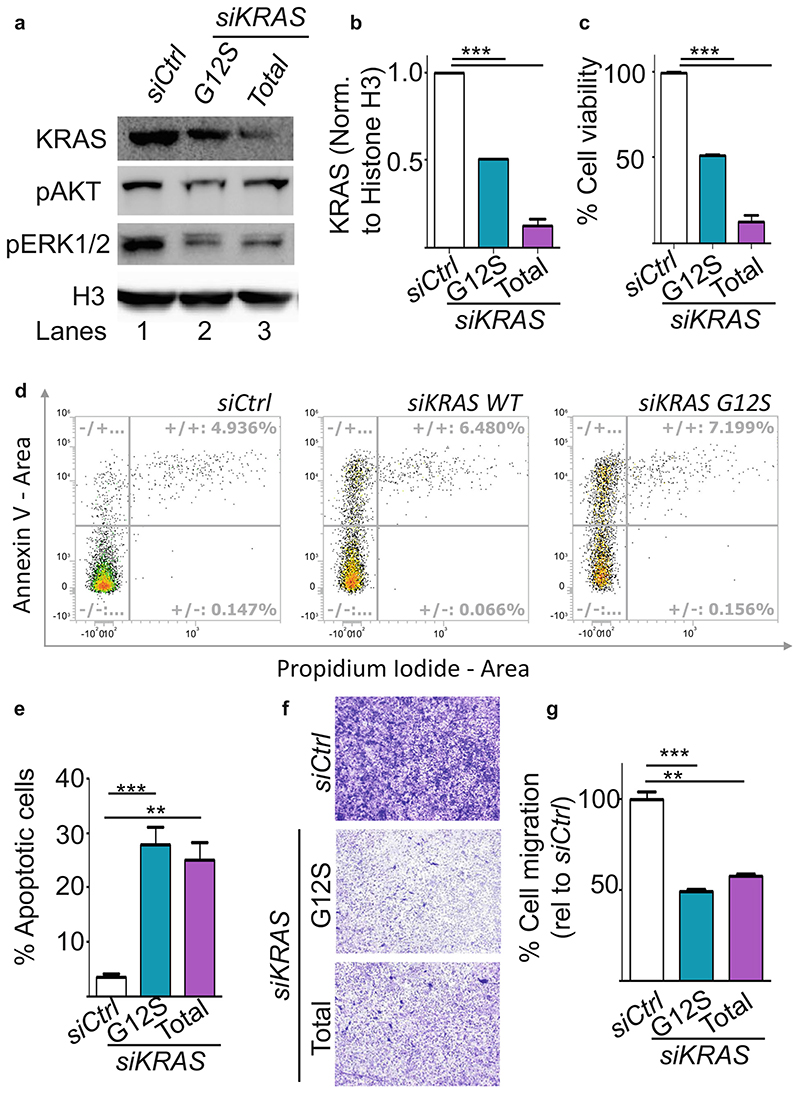
BSA nanoparticles loaded with siRNA resulted in nanoparticles smaller than 200 nm in diameter and negative zeta potentials, displaying optimal characteristics for in vivo application. Encapsulating and protecting the siRNA payload well, the nanoparticles enabled transport to A549 cells in vitro, could evade endosomal entrapment and mediated significant sequence-specific KRAS knockdown, resulting in reduced cell growth of siRNA transfected lung cancer cells.
BSA nanoparticles loaded with mutant specific siRNA are a promising therapeutic approach for KRAS-mutant cancers.
KRAS 是人类癌症中最常发生突变的基因。尽管它直接参与恶性肿瘤的发生,并且已经进行了大量的研究,但通过药理学抑制剂直接抑制 KRAS 一直具有挑战性。使用针对突变 KRAS 等位基因的 siRNA 进行 RNAi 诱导的敲低为 KRAS 突变型肺癌的选择性治疗性沉默提供了一种有前途的工具。然而,临床转化的主要瓶颈是缺乏有效的生物相容性 siRNA 载体系统。
通过去溶剂化法制备牛血清白蛋白(BSA)纳米颗粒,以递送针对 KRAS G12S 突变的 siRNA。BSA 纳米颗粒的粒径、zeta 电位、包封效率和核酸释放情况进行了表征。在 KRAS G12S 突变的 A459 细胞(肺腺癌细胞系)中评估了纳米颗粒摄取、核酸在细胞内的分布、细胞毒性以及基因敲低以干扰癌症特征、不受控制的增殖和迁移的能力。
负载 siRNA 的 BSA 纳米颗粒的粒径小于 200nm,zeta 电位为负,显示出适合体内应用的最佳特性。纳米颗粒能够包封和保护 siRNA 有效负载,使 siRNA 能够在体外转运到 A549 细胞中,能够逃避内体捕获,并介导显著的序列特异性 KRAS 敲低,从而降低 siRNA 转染的肺癌细胞的细胞生长。
负载突变特异性 siRNA 的 BSA 纳米颗粒是治疗 KRAS 突变型癌症的一种很有前途的方法。