Public Health Research Center, New York University Abu Dhabi, Abu Dhabi, UAE.
Department of Biological and Chemical Sciences, The University of the West Indies Cave Hill campus, Cave Hill, Barbados.
Sci Rep. 2019 Jul 11;9(1):10039. doi: 10.1038/s41598-019-46353-y.
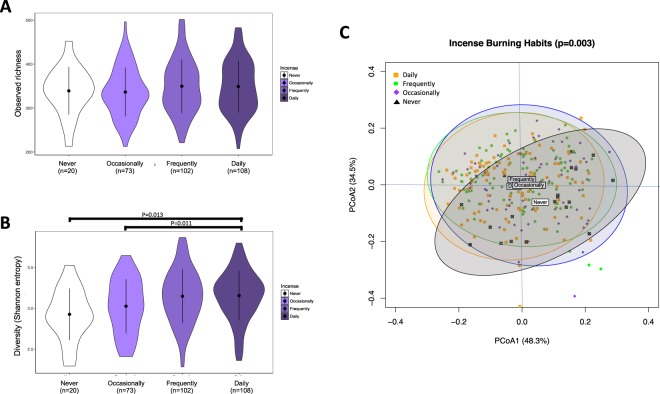
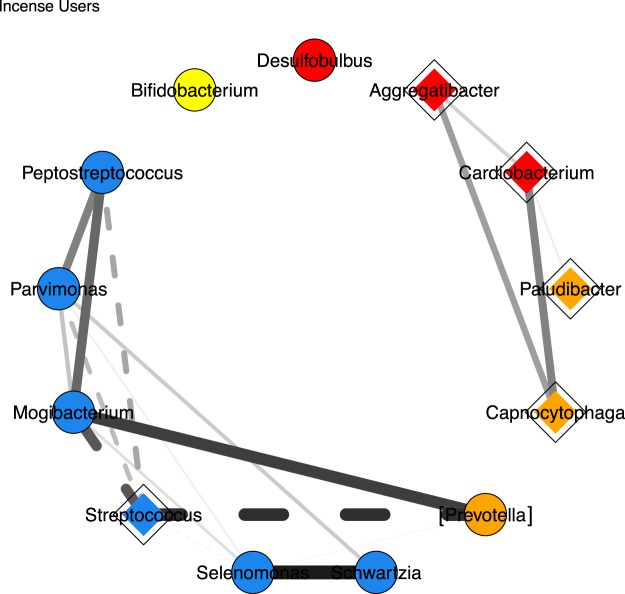
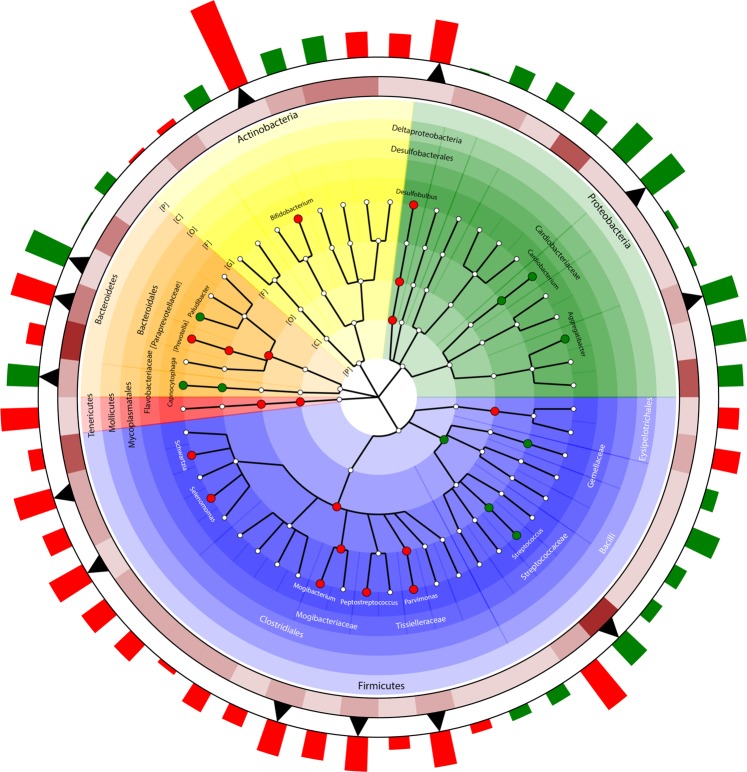
Incense burning is common worldwide and produces environmental toxicants that may influence health; however, biologic effects have been little studied. In 303 Emirati adults, we tested the hypothesis that incense use is linked to compositional changes in the oral microbiota that can be potentially significant for health. The oral microbiota was assessed by amplification of the bacterial 16S rRNA gene from mouthwash samples. Frequency of incense use was ascertained through a questionnaire and examined in relation to overall oral microbiota composition (PERMANOVA analysis), and to specific taxon abundances, by negative binomial generalized linear models. We found that exposure to incense burning was associated with higher microbial diversity (p < 0.013) and overall microbial compositional changes (PERMANOVA, p = 0.003). Our study also revealed that incense use was associated with significant changes in bacterial abundances (i.e. depletion of the dominant taxon Streptococcus), even in occasional users (once/week or less) implying that incense use impacts the oral microbiota even at low exposure levels. In summary, this first study suggests that incense burning alters the oral microbiota, potentially serving as an early biomarker of incense-related toxicities and related health consequences. Although a common indoor air pollutant, guidelines for control of incense use have yet to be developed.
焚香在世界范围内很常见,会产生环境毒物,可能会影响健康;然而,生物效应却很少被研究。在 303 名阿联酋成年人中,我们检验了这样一个假设,即焚香使用与口腔微生物群落的组成变化有关,这些变化可能对健康有潜在的重要影响。通过从漱口样本中扩增细菌 16S rRNA 基因来评估口腔微生物群落。通过问卷调查确定焚香的使用频率,并通过 PERMANOVA 分析和负二项式广义线性模型,检查其与口腔微生物群落组成(PERMANOVA 分析)和特定分类群丰度的关系。我们发现,暴露于焚香会导致微生物多样性增加(p<0.013)和整体微生物组成变化(PERMANOVA,p=0.003)。我们的研究还表明,焚香使用与细菌丰度的显著变化有关(即主要分类群链球菌的减少),即使是偶尔使用者(每周一次或更少),这意味着即使在低暴露水平下,焚香使用也会影响口腔微生物群落。总之,这项首次研究表明,焚香会改变口腔微生物群落,可能成为与焚香相关的毒性和相关健康后果的早期生物标志物。尽管焚香是一种常见的室内空气污染物,但尚未制定控制焚香使用的指南。