Friedlander Alon, Nir Sivan, Reches Meital, Shemesh Moshe
Department of Food Sciences, Institute for Postharvest Technology and Food Sciences, Agricultural Research Organization, The Volcani Center, Rishon LeZion, Israel.
Institute of Dental Sciences, The Hebrew University-Hadassah, Jerusalem, Israel.
Front Microbiol. 2019 Jun 26;10:1405. doi: 10.3389/fmicb.2019.01405. eCollection 2019.
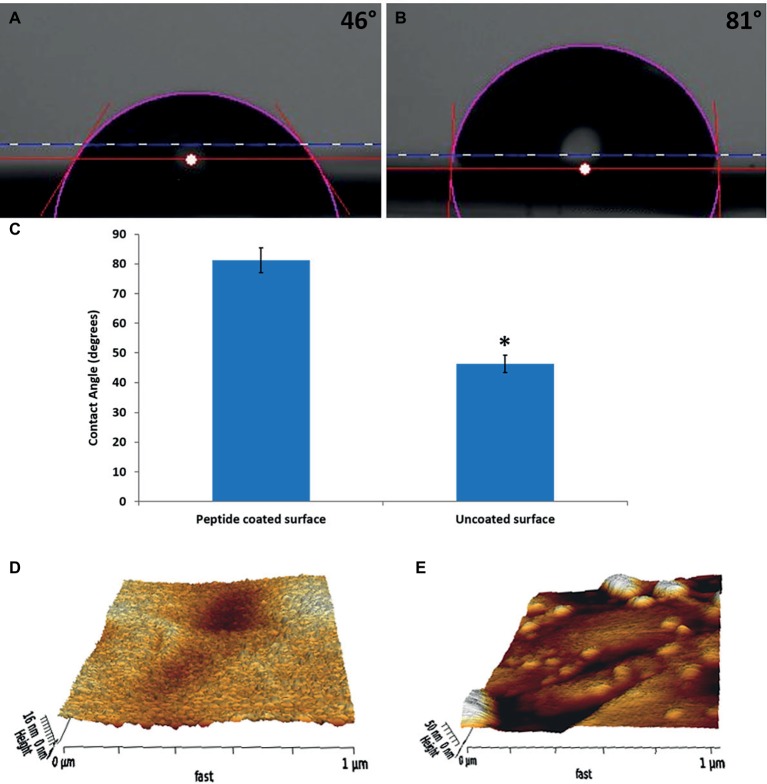
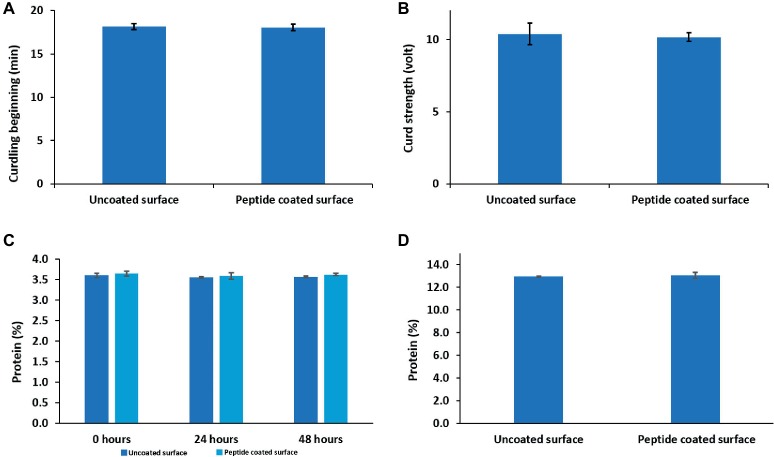
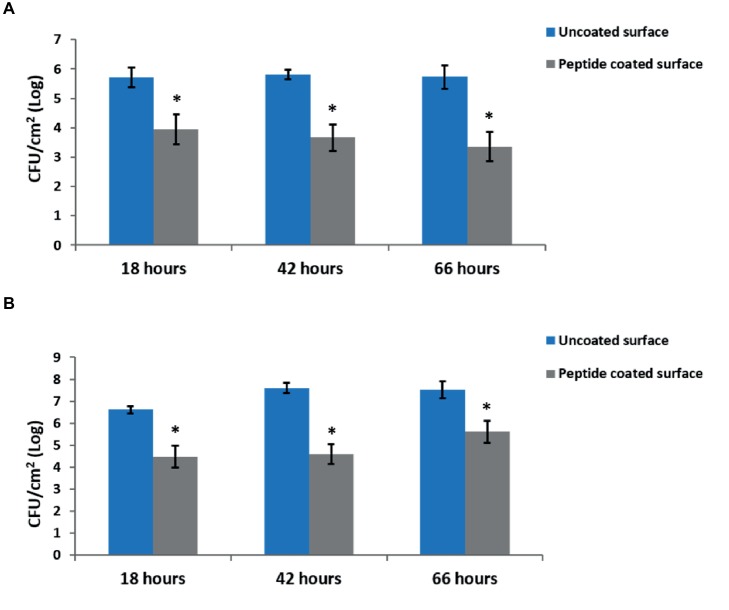
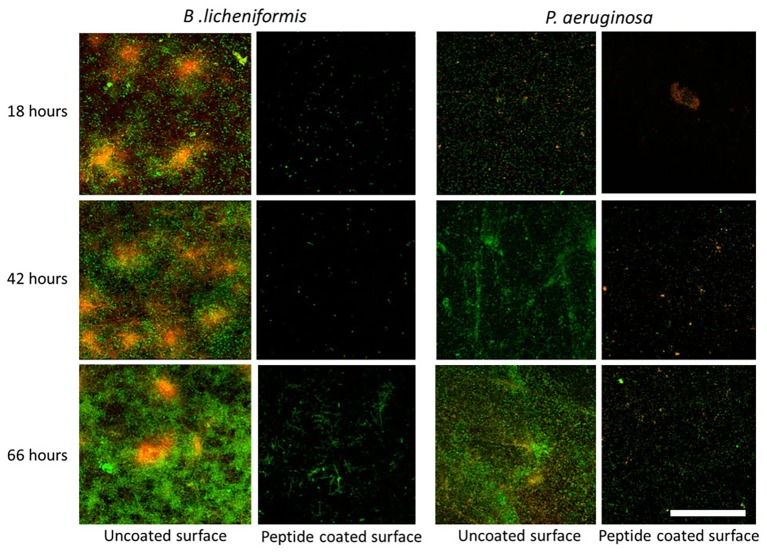
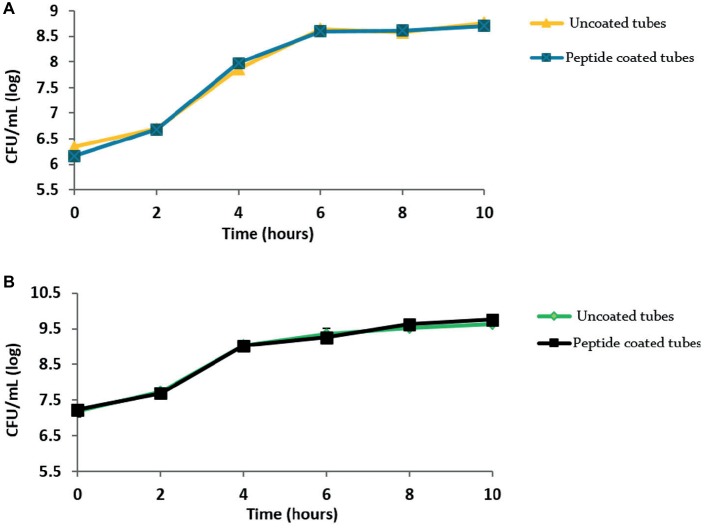
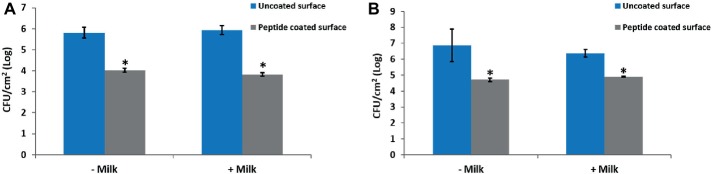
Biofilm-forming bacteria, which colonize the surfaces of equipment in the dairy industry, may adversely affect the safety and quality of the milk and its products. Despite numerous efforts to combat biofilm formation, there is still no effective technological means to thoroughly solve the biofilm problem in the dairy industry. Here, we introduced peptide-based coating in order to modify the physical properties of the stainless steel surface by affecting its availability for bacterial adhesion. We found that the coated surface displays a notable decrease in the ability of bacterial cells to attach and to subsequently form biofilm by Gram-positive and Gram-negative Furthermore, the coated surface retained its anti-biofilm ability following its exposure to raw milk. Importantly, the modified surface did not affect the milk coagulation process or its nutritious properties and quality. Overall, this anti-biofilm approach may serve as an attractive solution for the dairy industry in its struggle against bacterial contamination.
形成生物膜的细菌会在乳制品行业的设备表面定殖,可能会对牛奶及其产品的安全性和质量产生不利影响。尽管为对抗生物膜形成付出了诸多努力,但仍没有有效的技术手段来彻底解决乳制品行业中的生物膜问题。在此,我们引入了基于肽的涂层,以便通过影响不锈钢表面对细菌附着的可用性来改变其物理性质。我们发现,经涂层处理的表面,革兰氏阳性菌和革兰氏阴性菌的细胞附着及随后形成生物膜的能力显著下降。此外,经涂层处理的表面在接触生牛奶后仍保留其抗生物膜能力。重要的是,改性表面不会影响牛奶的凝固过程或其营养特性及质量。总体而言,这种抗生物膜方法可能是乳制品行业对抗细菌污染的一个有吸引力的解决方案。