College of Veterinary Medicine, Northwest A&F University, Yangling, Shaanxi, China.
Department of viral biologics, China Institute of Veterinary Drug Control, Beijing, China.
Autophagy. 2020 May;16(5):842-861. doi: 10.1080/15548627.2019.1643184. Epub 2019 Jul 18.
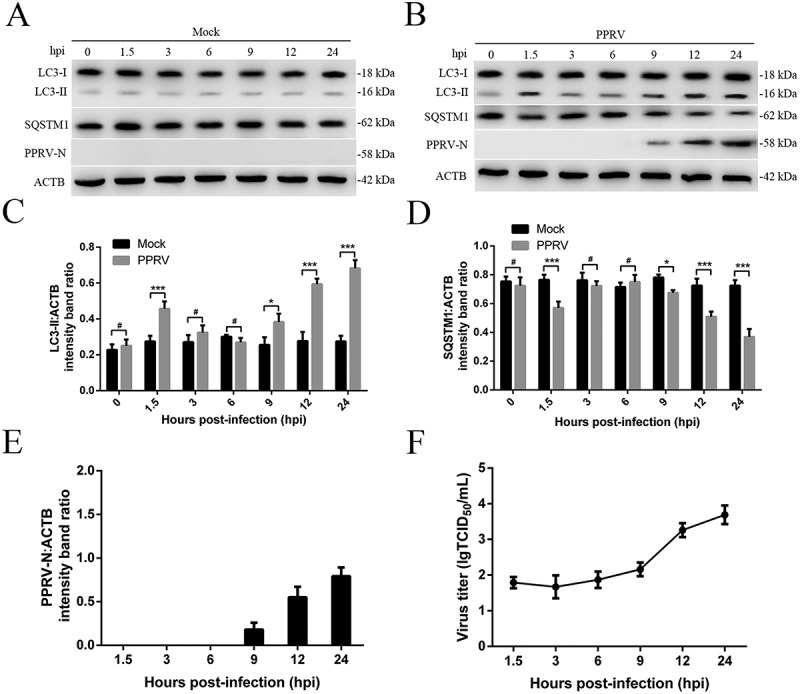
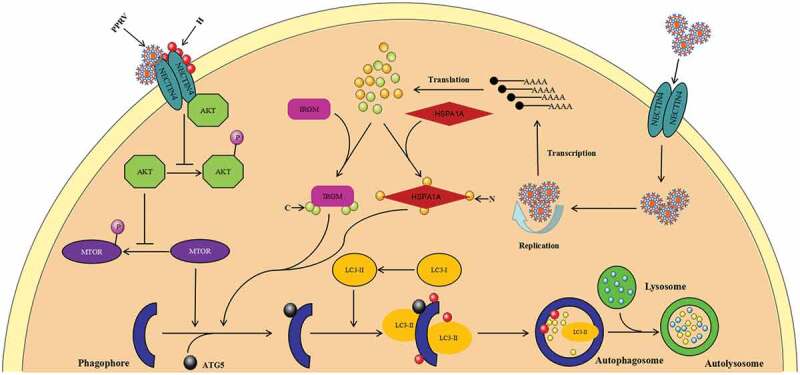
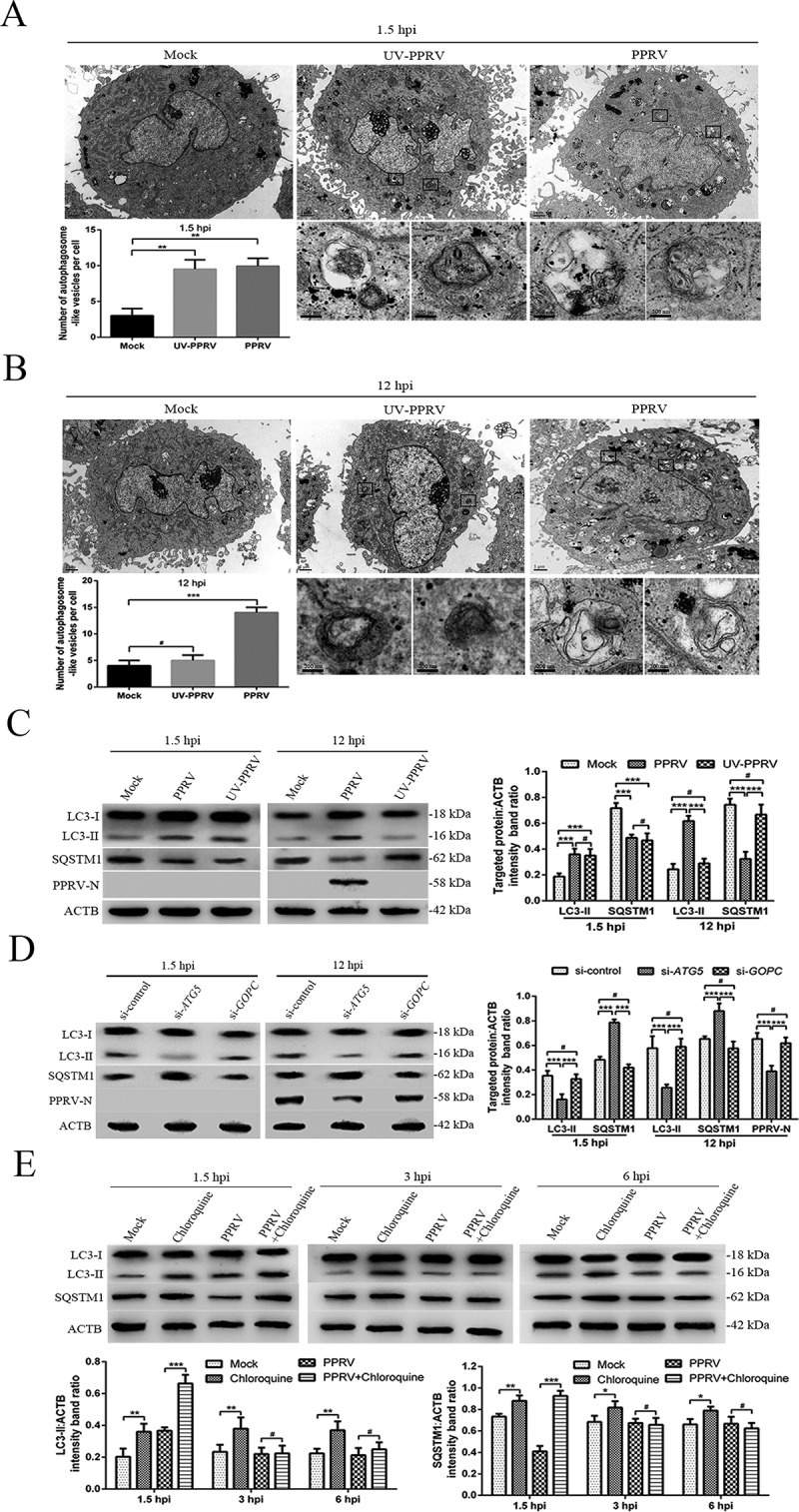
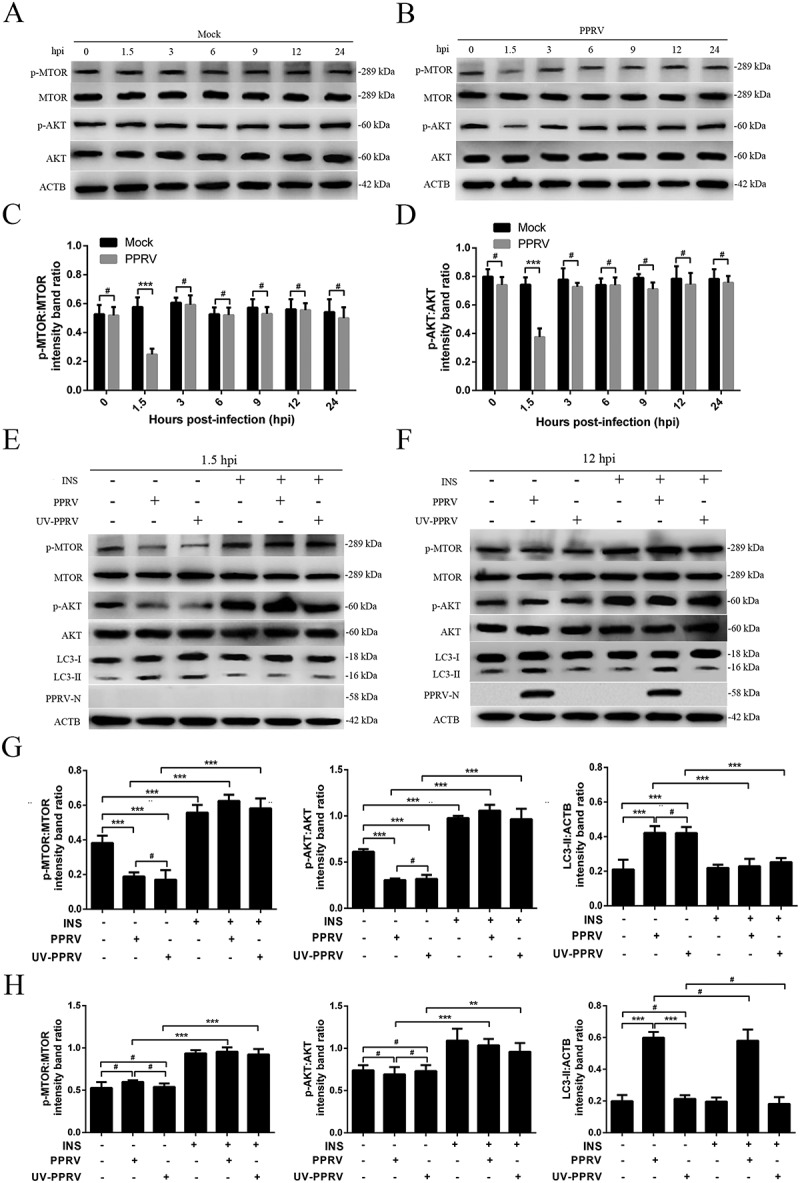
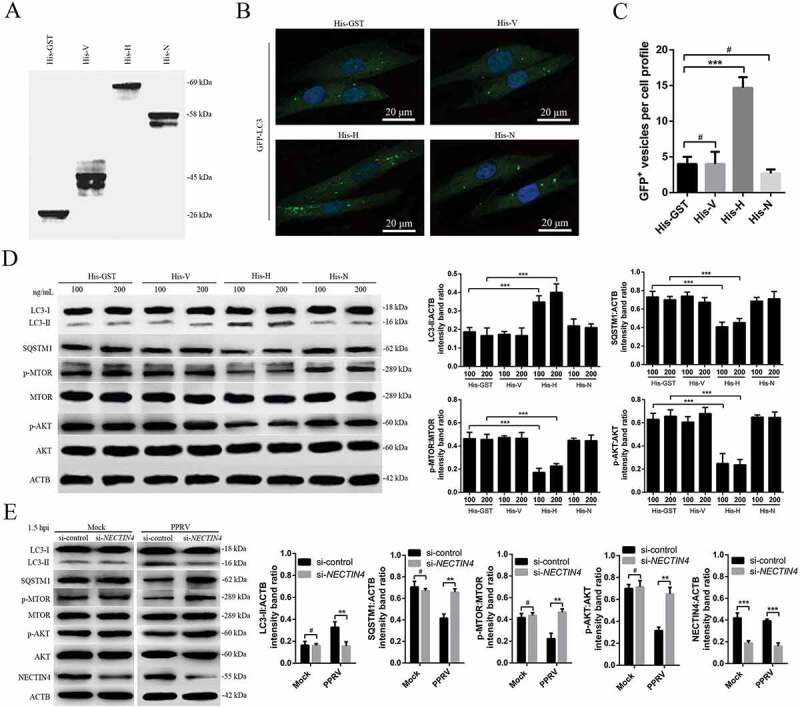
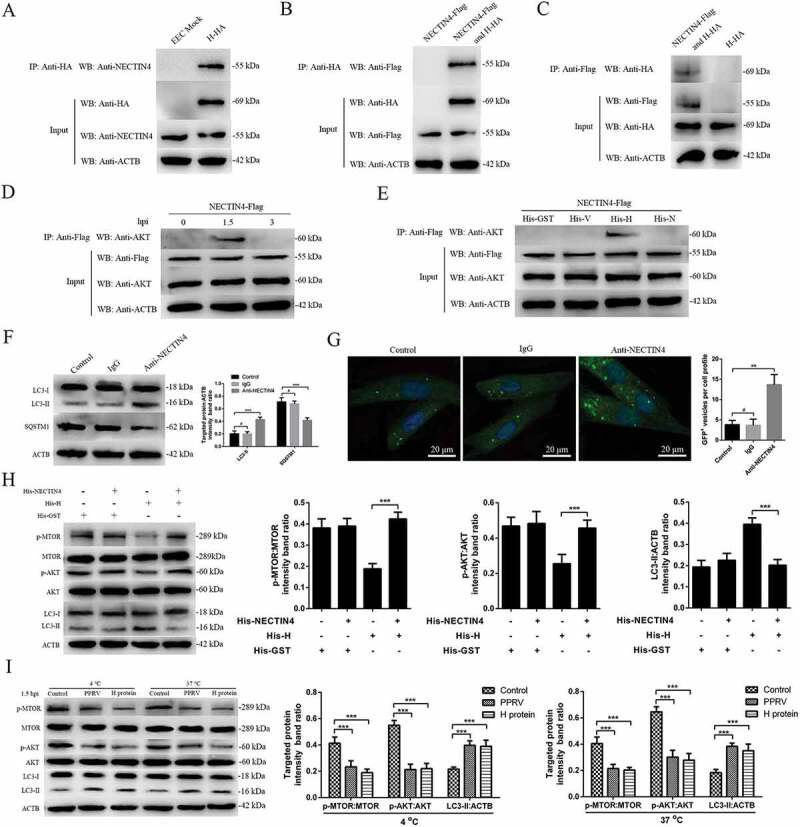
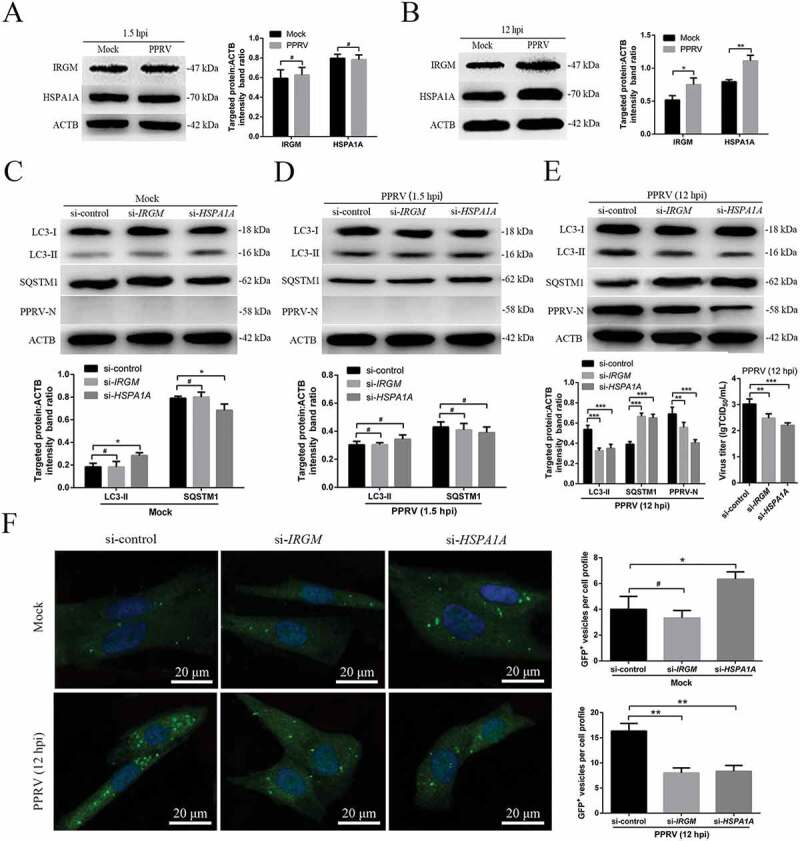
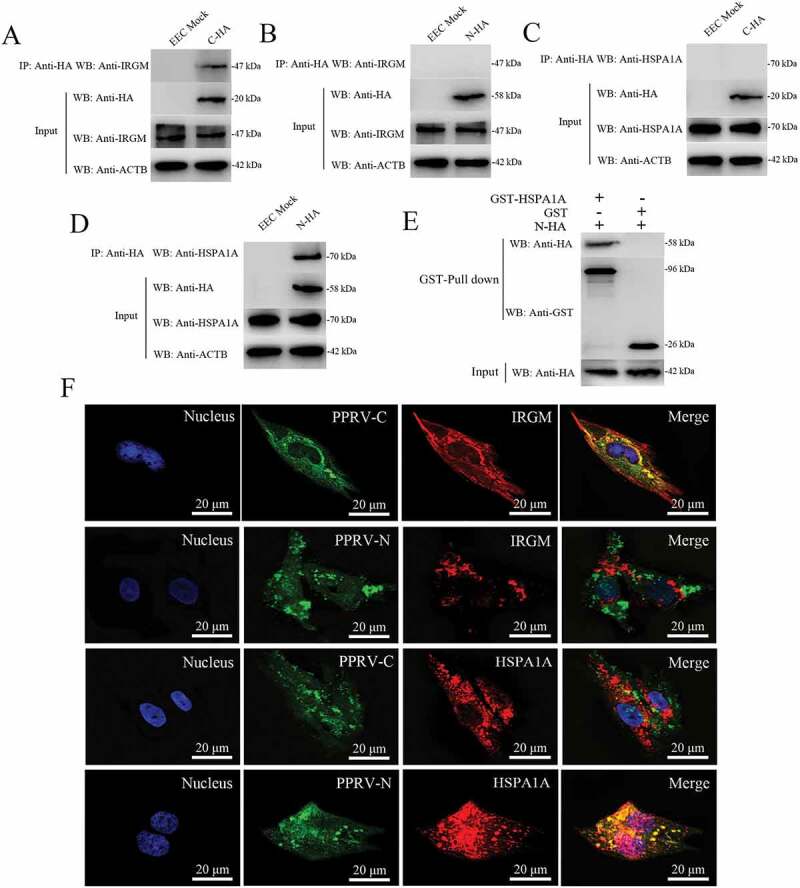
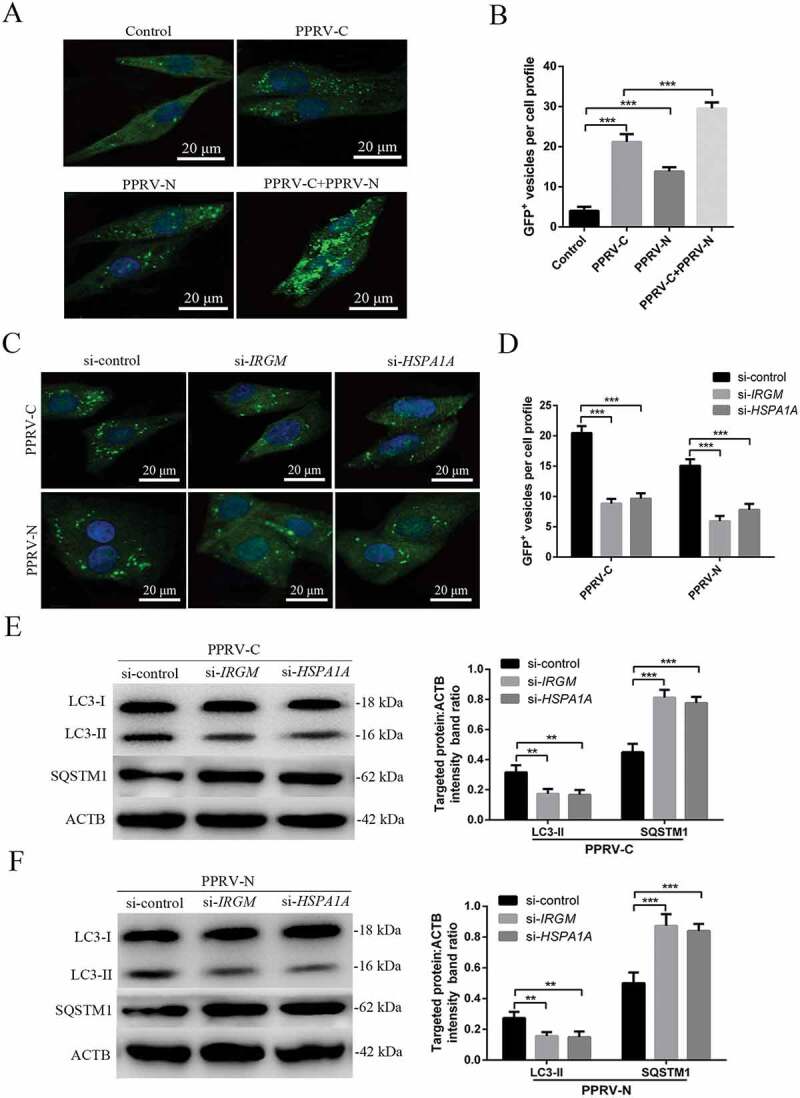
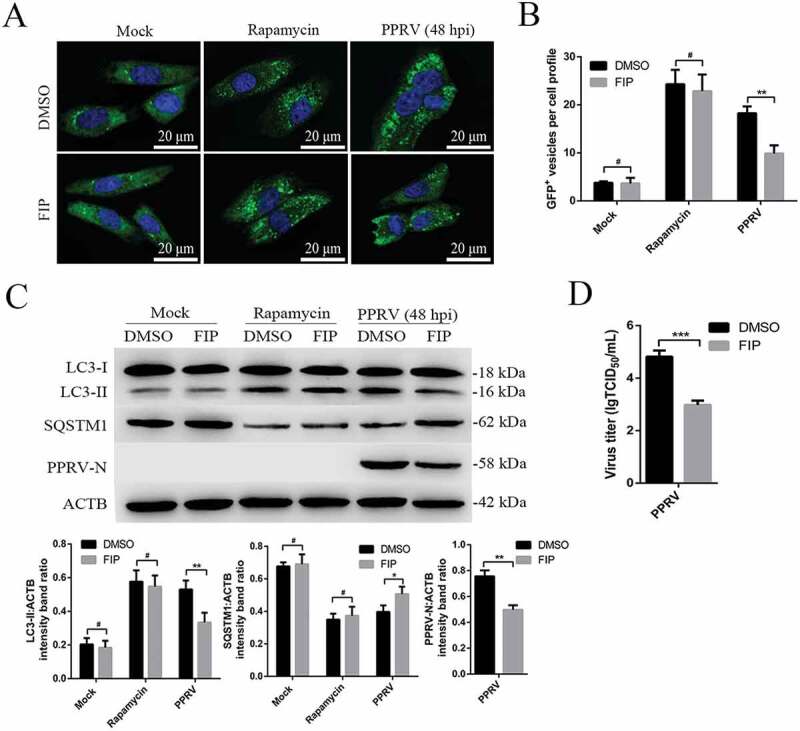
Macroautophagy/autophagy is an essential cellular response in the fight against intracellular pathogens. Although some viruses can escape from or utilize autophagy to ensure their own replication, the responses of autophagy pathways to viral invasion remain poorly documented. Here, we show that peste des petits ruminants virus (PPRV) infection induces successive autophagic signalling in host cells via distinct and uncoupled molecular pathways. Immediately upon invasion, PPRV induced a first transient wave of autophagy via a mechanism involving the cellular pathogen receptor NECTIN4 and an AKT-MTOR-dependent pathway. Autophagic detection showed that early PPRV infection not only increased the amounts of autophagosomes and LC3-II but also downregulated the phosphorylation of AKT-MTOR. Subsequently, we found that the binding of viral protein H to NECTIN4 ultimately induced a wave of autophagy and inactivated the AKT-MTOR pathway, which is a critical step for the control of infection. Soon after infection, new autophagic signalling was initiated that required viral replication and protein expression. Interestingly, expression of IRGM and HSPA1A was significantly upregulated following PPRV replication. Strikingly, knockdown of IRGM and HSPA1A expression using small interfering RNAs impaired the PPRV-induced second autophagic wave and viral particle production. Moreover, IRGM-interacting PPRV-C and HSPA1A-interacting PPRV-N expression was sufficient to induce autophagy through an IRGM-HSPA1A-dependent pathway. Importantly, syncytia formation could facilitate sustained autophagy and the replication of PPRV. Overall, our work reveals distinct molecular pathways underlying the induction of self-beneficial sustained autophagy by attenuated PPRV, which will contribute to improving the use of vaccines for therapy. ACTB: actin beta; ANOVA: analysis of variance; ATG: autophagy-related; BECN1: beclin 1; CDV: canine distemper virus; Co-IP: coimmunoprecipitation; FIP: fusion inhibitory peptide; GFP: green fluorescent protein; GST: glutathione S-transferase; HMOX1: heme oxygenase 1; hpi: hours post infection; HSPA1A: heat shock protein family A (Hsp70) member 1A; HSP90AA1: heat shock protein 90 kDa alpha (cytosolic), class A member 1; IFN: interferon; IgG: immunoglobulin G; INS: insulin; IRGM: immunity related GTPase M; MAP1LC3/LC3: microtubule associated protein 1 light chain 3; MeV: measles virus; MOI: multiplicity of infection; MTOR: mechanistic target of rapamycin kinase; PI3K: phosphoinositide-3 kinase; PIK3C3: phosphatidylinositol 3-kinase catalytic subunit type 3; SDS: sodium dodecyl sulfate; siRNA: small interfering RNA; SQSTM1/p62: sequestosome 1; UV: ultraviolet.
自噬是细胞对抗细胞内病原体的一种基本反应。虽然一些病毒可以逃避或利用自噬来确保自身的复制,但自噬途径对病毒入侵的反应仍知之甚少。在这里,我们表明,绵羊肺腺瘤病毒(PPRV)感染通过不同且不偶联的分子途径,在宿主细胞中诱导连续的自噬信号。病毒入侵后,PPRV 通过一种涉及细胞病原体受体NECTIN4 和 AKT-MTOR 依赖性途径的机制,立即诱导第一波短暂的自噬。自噬检测表明,早期 PPRV 感染不仅增加了自噬体和 LC3-II 的数量,而且还下调了 AKT-MTOR 的磷酸化。随后,我们发现病毒蛋白 H 与 NECTIN4 的结合最终诱导了一波自噬,并使 AKT-MTOR 通路失活,这是控制感染的关键步骤。感染后不久,就启动了新的自噬信号,这需要病毒复制和蛋白表达。有趣的是,PPRV 复制后 IRGM 和 HSPA1A 的表达明显上调。值得注意的是,使用小干扰 RNA 敲低 IRGM 和 HSPA1A 的表达会损害 PPRV 诱导的第二波自噬和病毒颗粒产生。此外,IRGM 相互作用的 PPRV-C 和 HSPA1A 相互作用的 PPRV-N 的表达足以通过 IRGM-HSPA1A 依赖性途径诱导自噬。重要的是,合胞体的形成可以促进持续的自噬和 PPRV 的复制。总的来说,我们的工作揭示了 PPRV 减弱诱导自噬的不同分子途径,这将有助于提高疫苗治疗的效果。ACTB:肌动蛋白β;ANOVA:方差分析;ATG:自噬相关;BECN1:自噬相关蛋白 1;CDV:犬瘟热病毒;Co-IP:免疫共沉淀;FIP:融合抑制肽;GFP:绿色荧光蛋白;GST:谷胱甘肽 S-转移酶;HMOX1:血红素加氧酶 1;hpi:感染后小时数;HSPA1A:热休克蛋白家族 A(Hsp70)成员 1A;HSP90AA1:热休克蛋白 90 kDa 阿尔法(胞质溶胶),A 族成员 1;IFN:干扰素;IgG:免疫球蛋白 G;INS:胰岛素;IRGM:免疫相关 GTP 酶 M;MAP1LC3/LC3:微管相关蛋白 1 轻链 3;MeV:麻疹病毒;MOI:感染复数;MTOR:雷帕霉素靶蛋白激酶;PI3K:磷酸肌醇 3-激酶;PIK3C3:磷脂酰肌醇 3-激酶催化亚单位 3;SDS:十二烷基硫酸钠;siRNA:小干扰 RNA;SQSTM1/p62:自噬相关蛋白 1;UV:紫外线。