Department of Computer Science and Information Engineering, Chaoyang University of Technology, Taichung City 41349, Taiwan.
Department of Information and Communication Engineering, Chaoyang University of Technology, Taichung City 41349, Taiwan.
Sensors (Basel). 2019 Jul 14;19(14):3108. doi: 10.3390/s19143108.
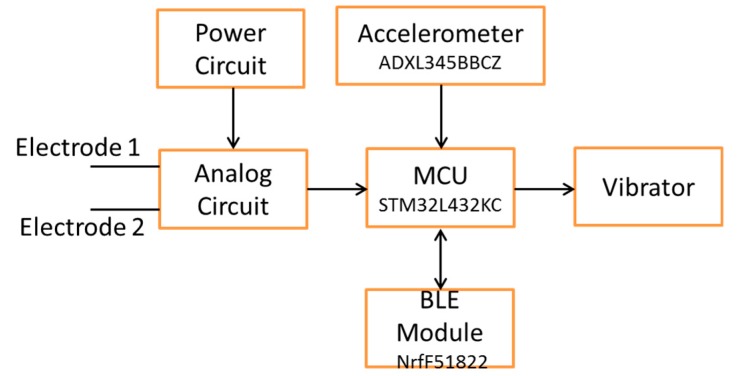
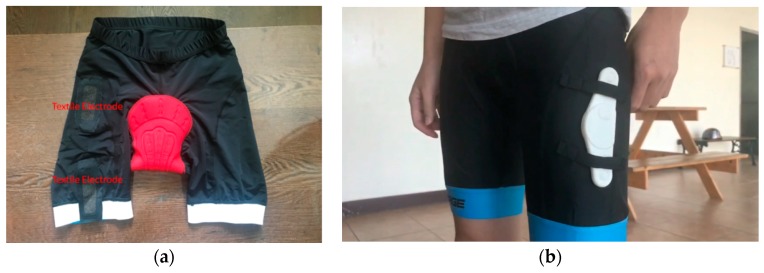
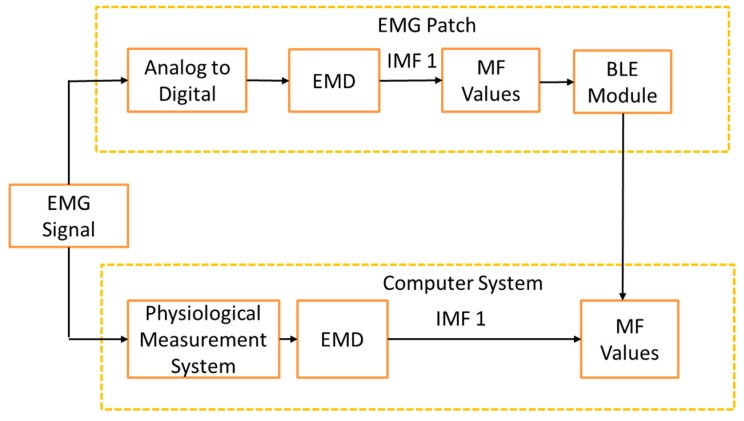
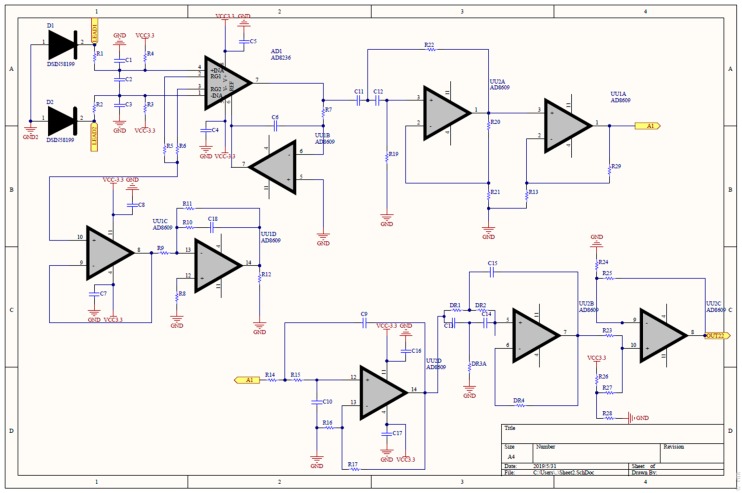
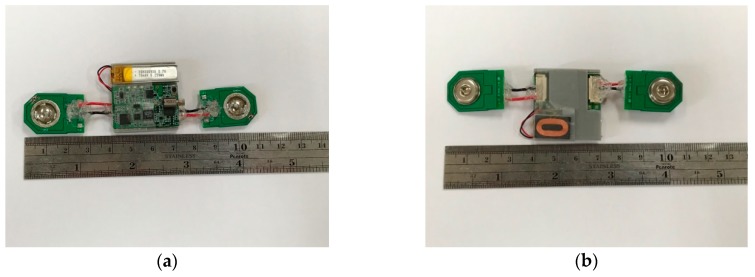
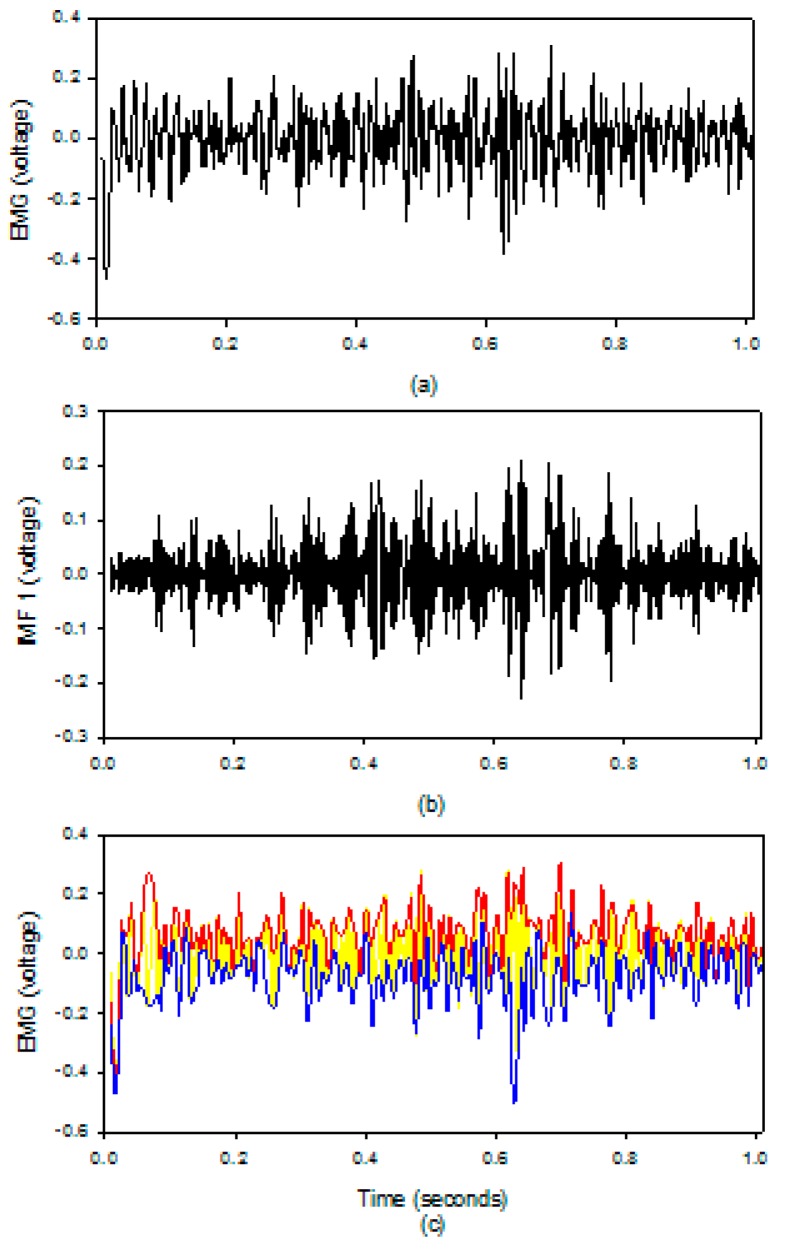
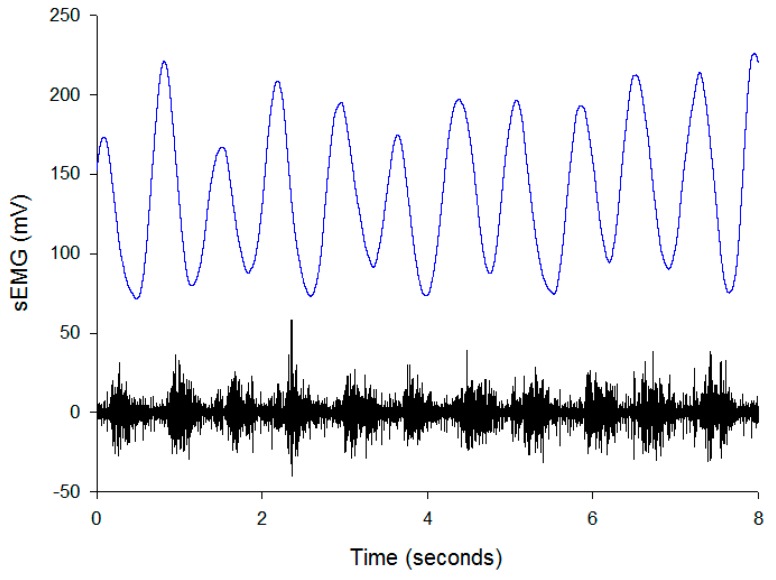
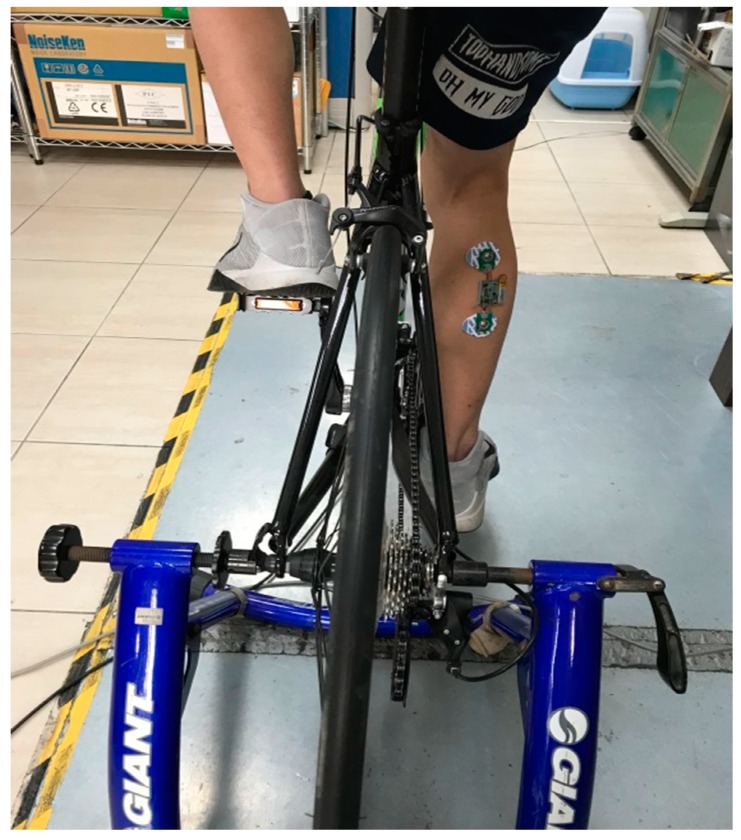
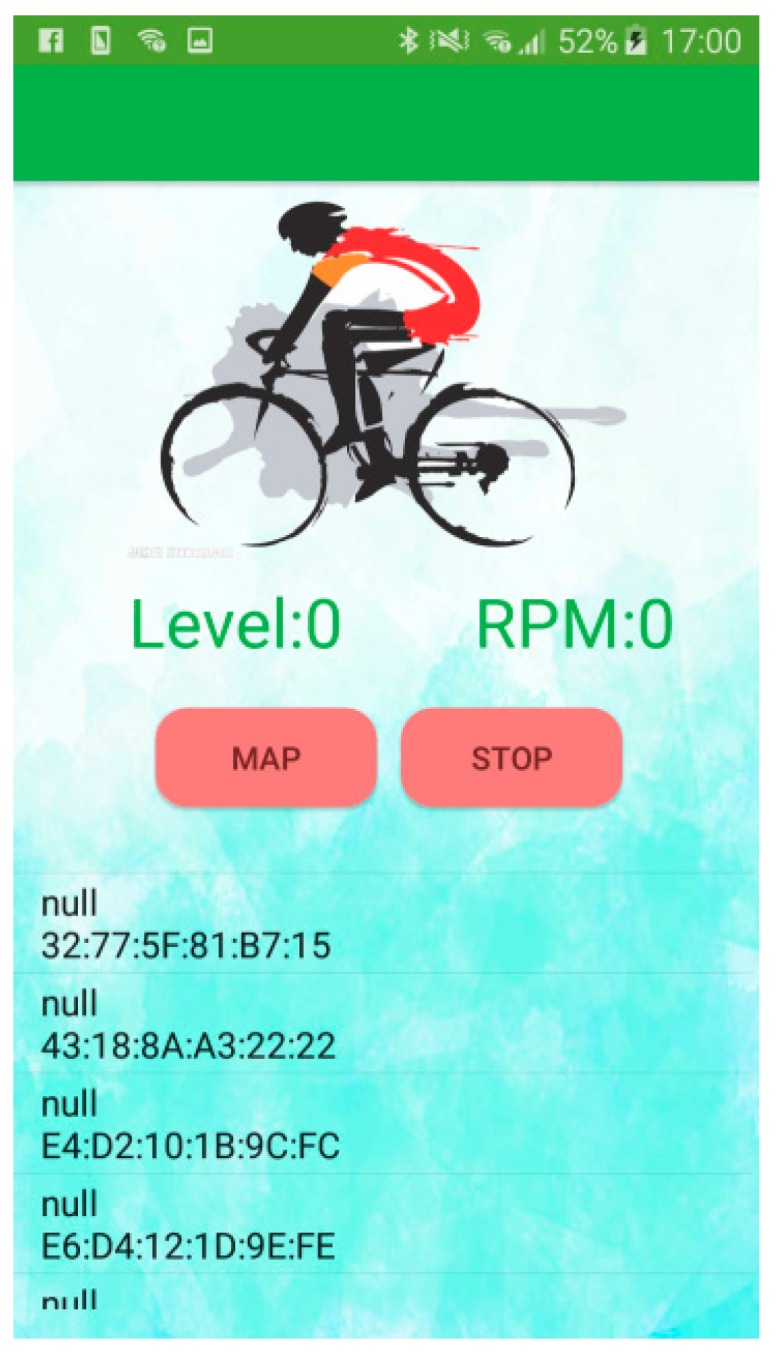
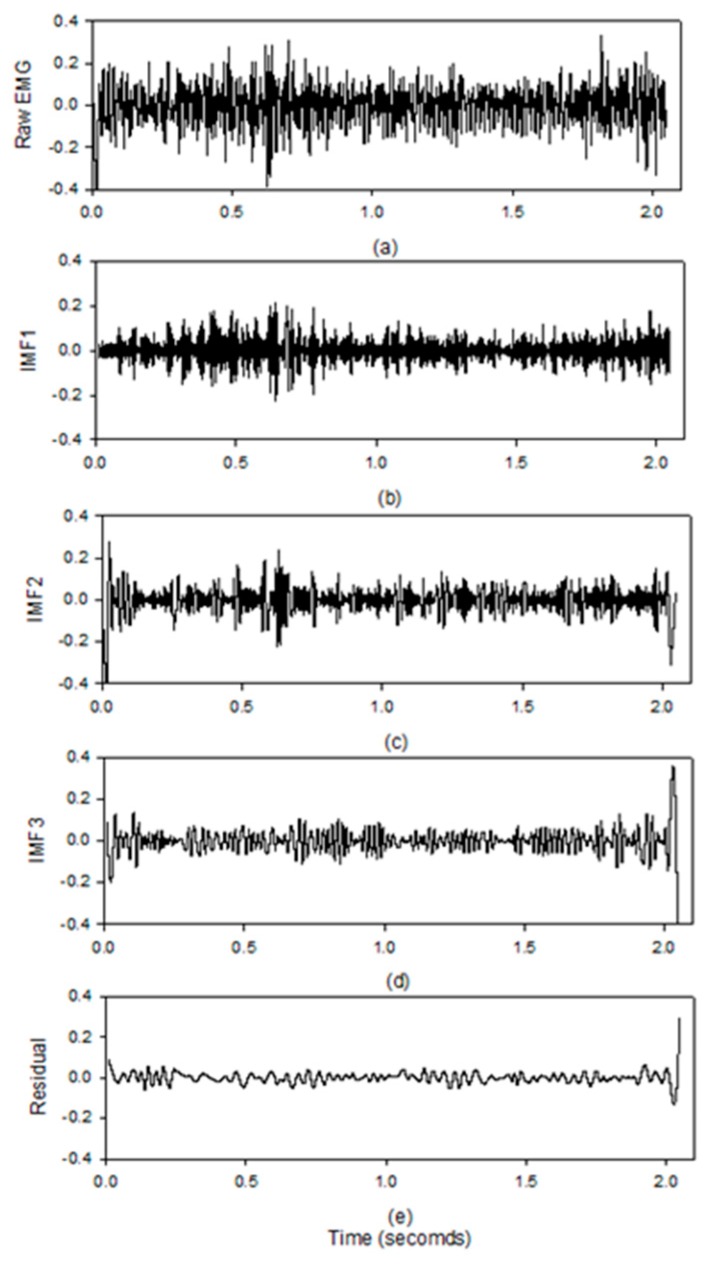
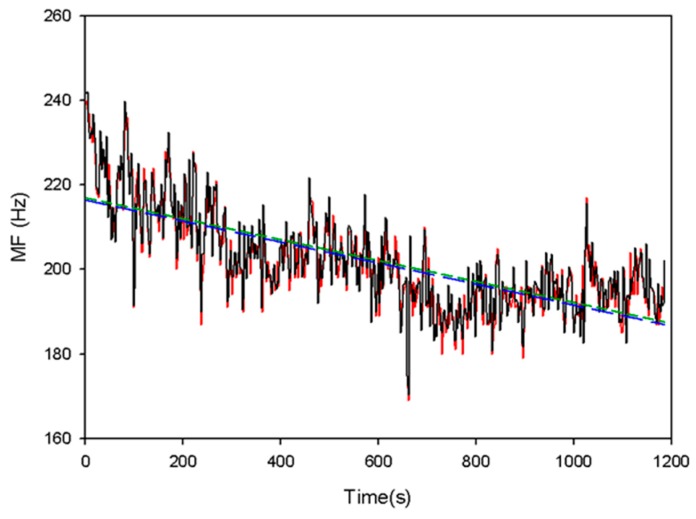
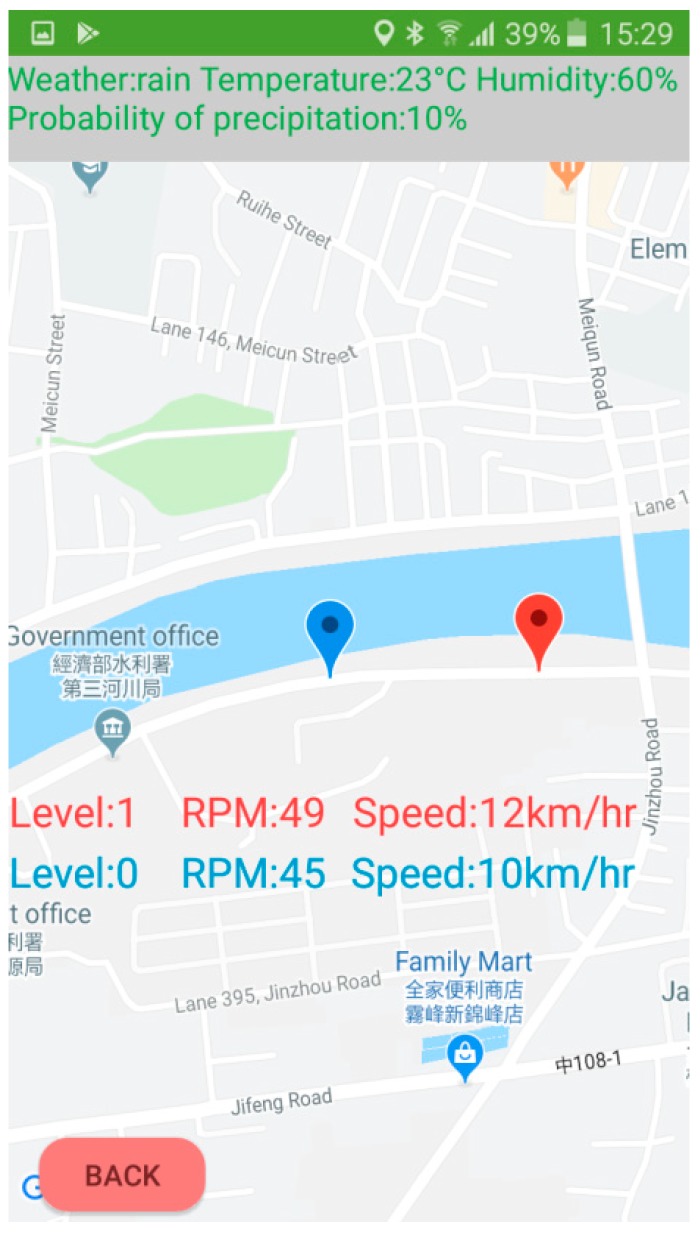
In recent years, wearable monitoring devices have been very popular in the health care field and are being used to avoid sport injuries during exercise. They are usually worn on the wrist, the same as sport watches, or on the chest, like an electrocardiogram patch. Common functions of these wearable devices are that they use real time to display the state of health of the body, and they are all small sized. The electromyogram (EMG) signal is usually used to show muscle activity. Thus, the EMG signal could be used to determine the muscle-fatigue conditions. In this study, the goal is to develop an EMG patch which could be worn on the lower leg, the gastrocnemius muscle, to detect real-time muscle fatigue while exercising. A micro controller unit (MCU) in the EMG patch is part of an ARM Cortex-M4 processor, which is used to measure the median frequency (MF) of an EMG signal in real time. When the muscle starts showing tiredness, the median frequency will shift to a low frequency. In order to delete the noise of the isotonic EMG signal, the EMG patch has to run the empirical mode decomposition algorithm. A two-electrode circuit was designed to measure the EMG signal. The maximum power consumption of the EMG patch was about 39.5 mAh. In order to verify that the real-time MF values measured by the EMG patch were close to the off-line MF values measured by the computer system, we used the root-mean-square value to estimate the difference in the real-time MF values and the off-line MF values. There were 20 participants that rode an exercise bicycle at different speeds. Their EMG signals were recorded with an EMG patch and a physiological measurement system at the same time. Every participant rode the exercise bicycle twice. The averaged root-mean-square values were 2.86 ± 0.86 Hz and 2.56 ± 0.47 Hz for the first and second time, respectively. Moreover, we also developed an application program implemented on a smart phone to display the participants' muscle-fatigue conditions and information while exercising. Therefore, the EMG patch designed in this study could monitor the muscle-fatigue conditions to avoid sport injuries while exercising.
近年来,可穿戴监测设备在医疗保健领域非常流行,用于在运动中避免运动损伤。它们通常戴在手腕上,与运动手表一样,或者戴在胸部,就像心电图贴片一样。这些可穿戴设备的常见功能是实时显示身体的健康状态,而且它们都很小。肌电图(EMG)信号通常用于显示肌肉活动。因此,EMG 信号可用于确定肌肉疲劳状态。在这项研究中,目标是开发一种可戴在小腿、腓肠肌上的 EMG 贴片,以在运动时实时检测肌肉疲劳。EMG 贴片中的微控制器单元(MCU)是 ARM Cortex-M4 处理器的一部分,用于实时测量 EMG 信号的中值频率(MF)。当肌肉开始疲劳时,中值频率会转移到低频。为了消除等张 EMG 信号的噪声,EMG 贴片必须运行经验模态分解算法。设计了一个双电极电路来测量 EMG 信号。EMG 贴片的最大功耗约为 39.5mAh。为了验证 EMG 贴片实时测量的 MF 值与计算机系统离线测量的 MF 值接近,我们使用均方根值来估计实时 MF 值与离线 MF 值的差异。有 20 名参与者以不同速度骑自行车。他们的 EMG 信号同时用 EMG 贴片和生理测量系统记录。每个参与者骑自行车两次。第一次和第二次的平均均方根值分别为 2.86±0.86Hz 和 2.56±0.47Hz。此外,我们还开发了一个智能手机上的应用程序,用于显示参与者运动时的肌肉疲劳状况和信息。因此,本研究设计的 EMG 贴片可以在运动时监测肌肉疲劳状况,以避免运动损伤。