Institute of Materials Research and Engineering, A*STAR (Agency for Science, Technology and Research), 2 Fusionopolis Way, Innovis, #08-03, Singapore 138634, Singapore.
Department of Building, School of Design and Environment, National University of Singapore, 4 Architecture Drive, Singapore 117566, Singapore.
Molecules. 2019 Jul 25;24(15):2711. doi: 10.3390/molecules24152711.
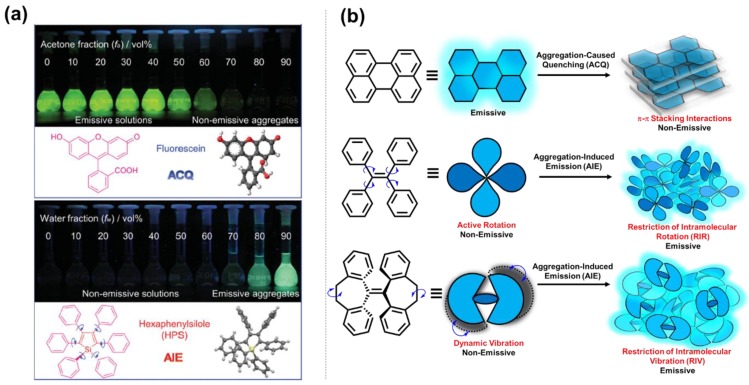
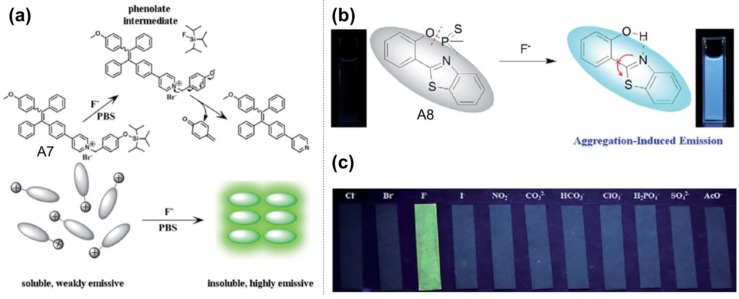
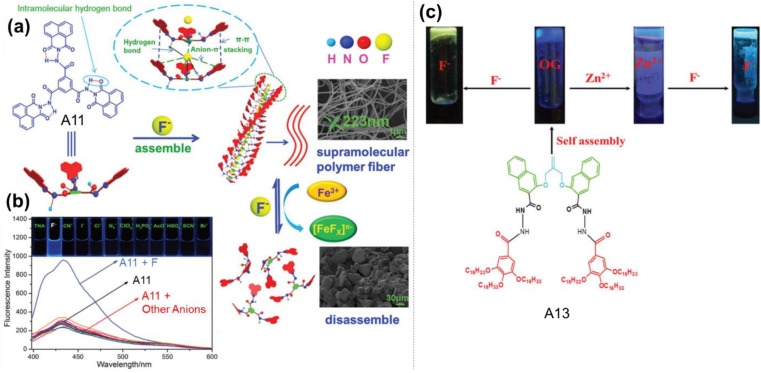
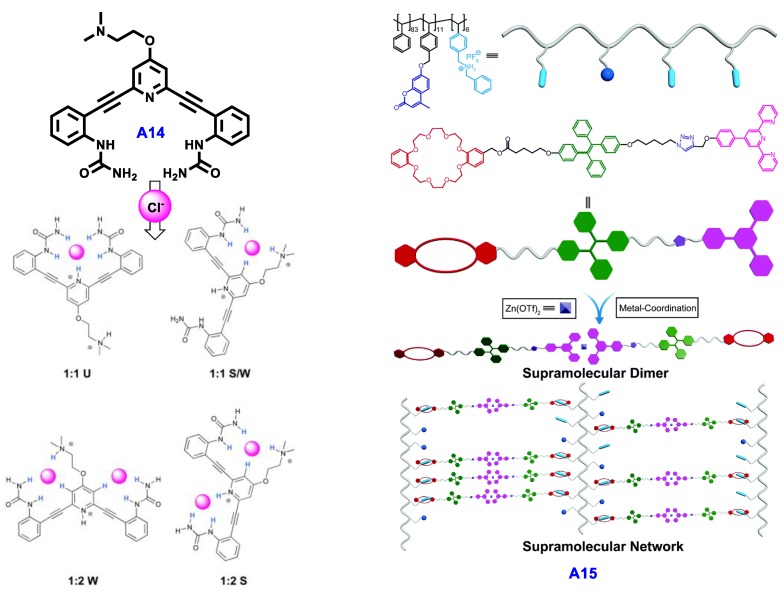
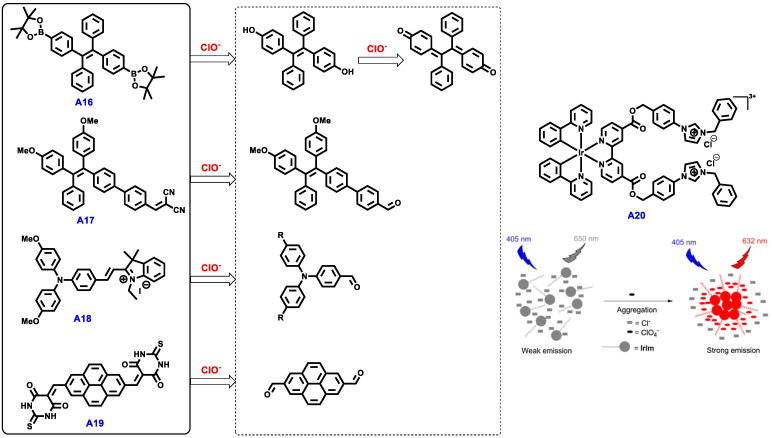
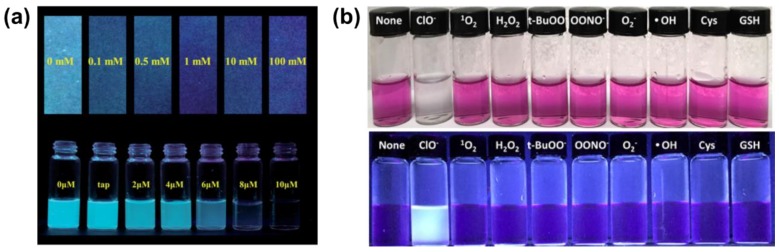
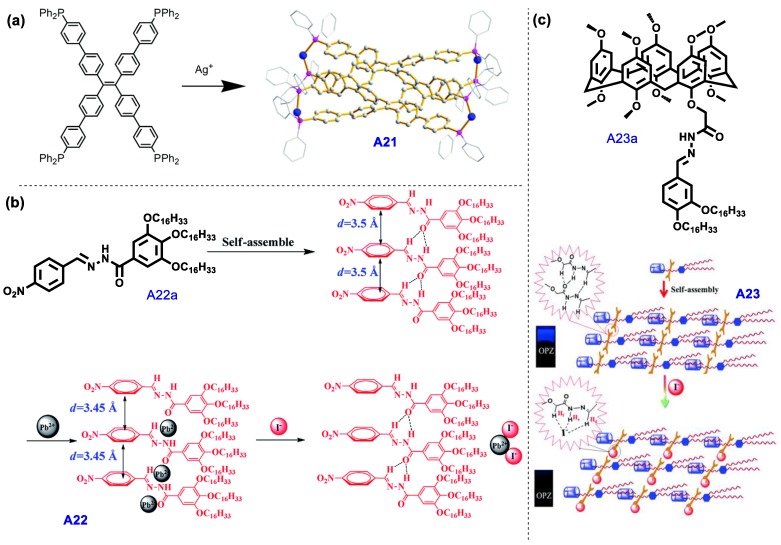
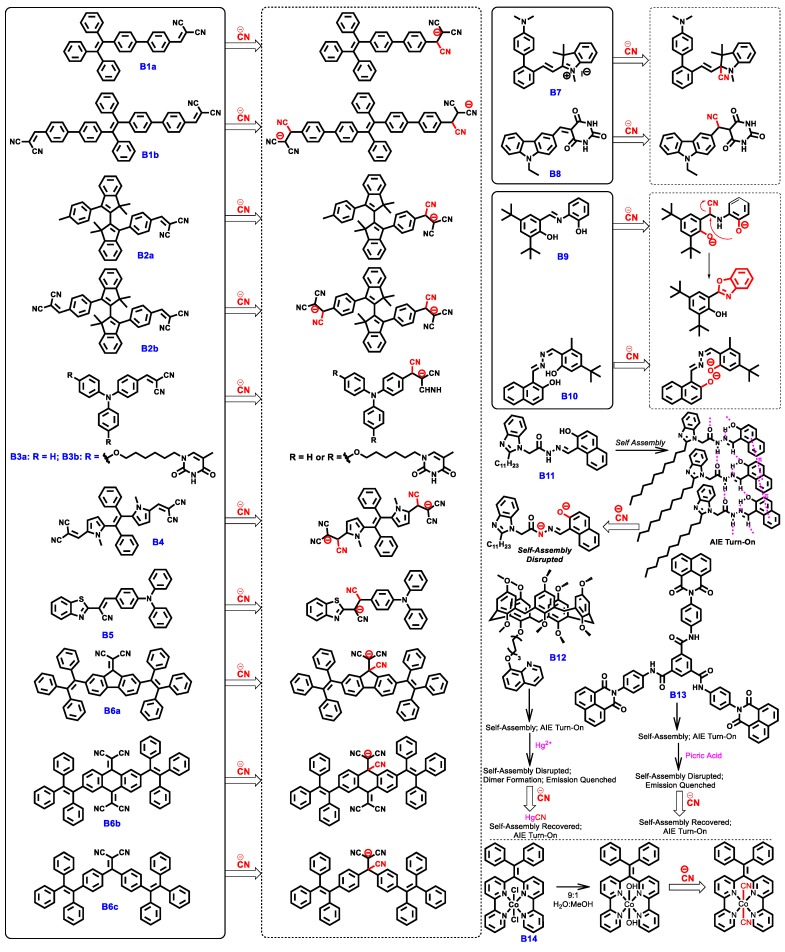
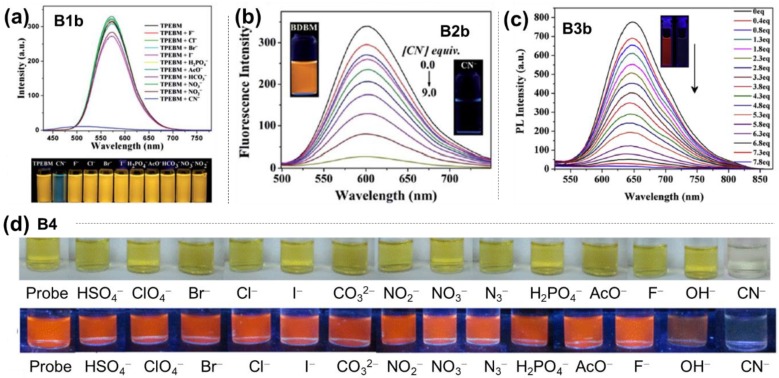
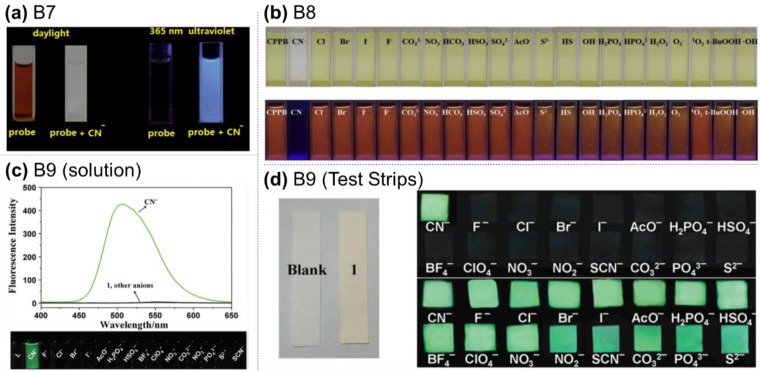
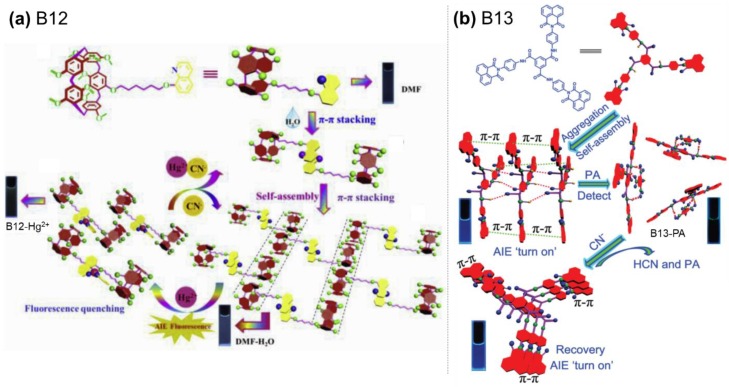
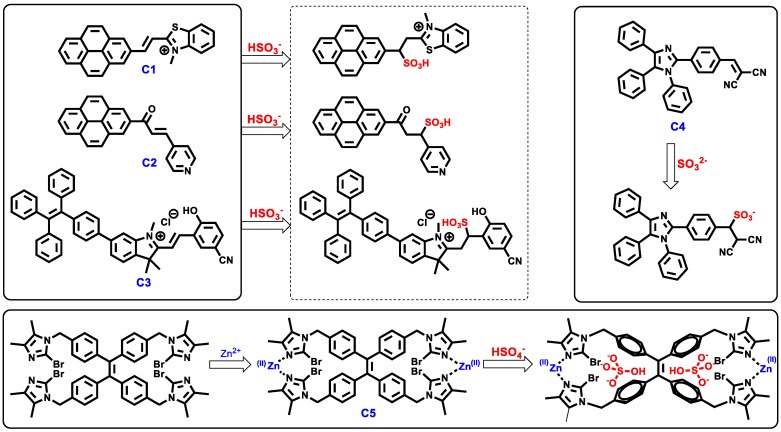
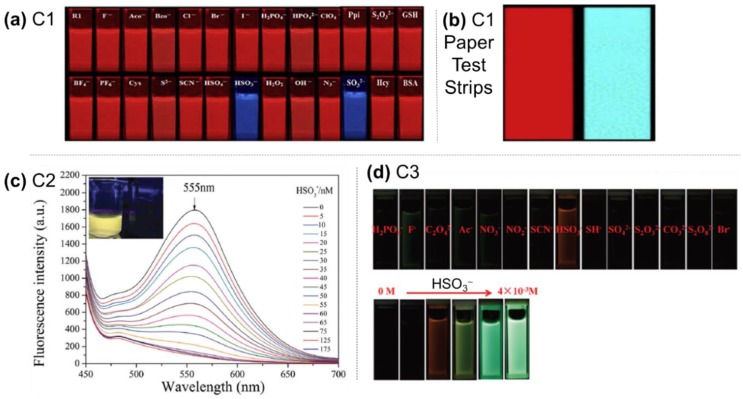
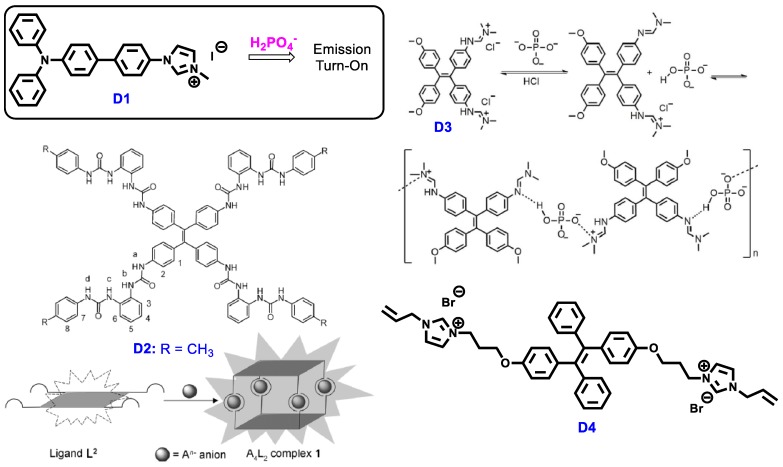
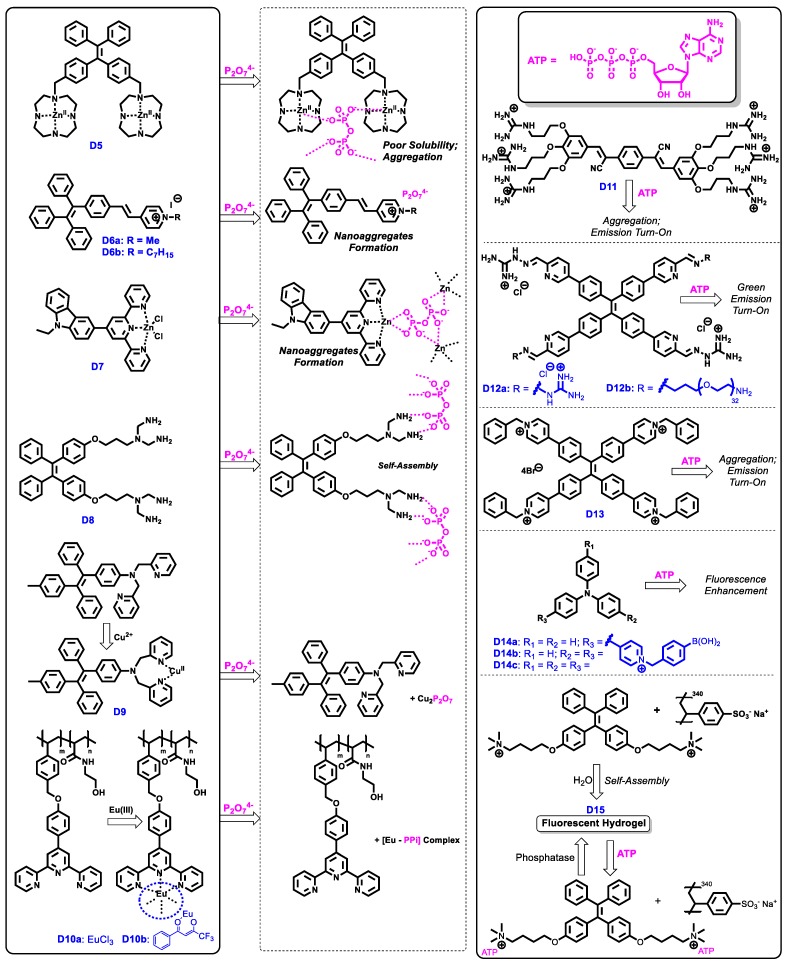
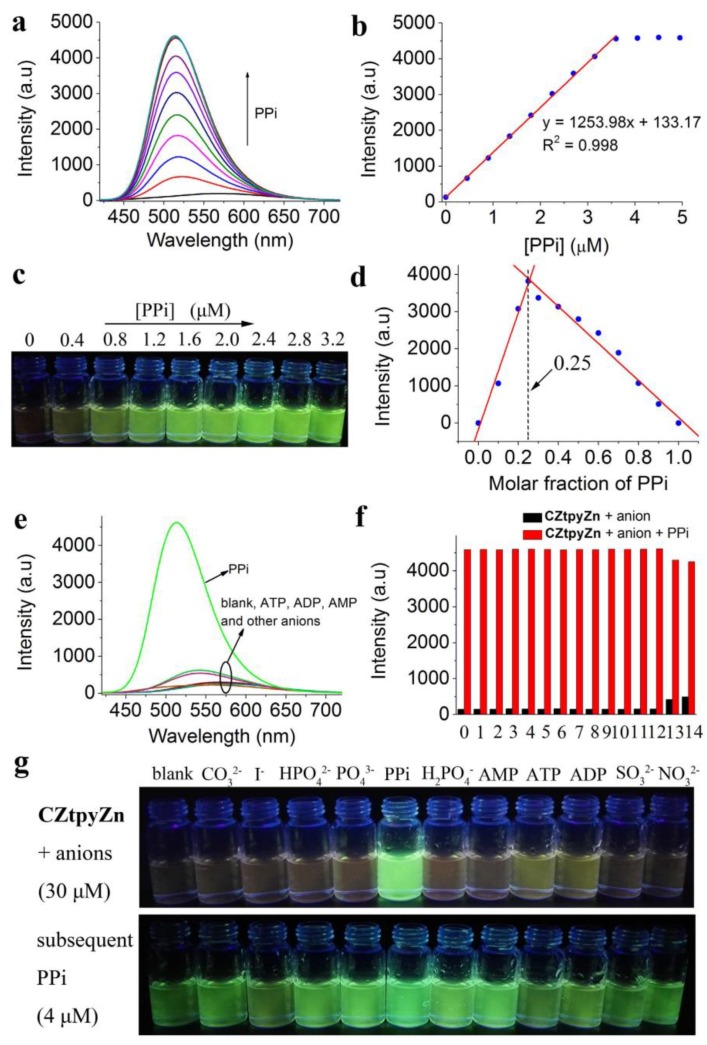
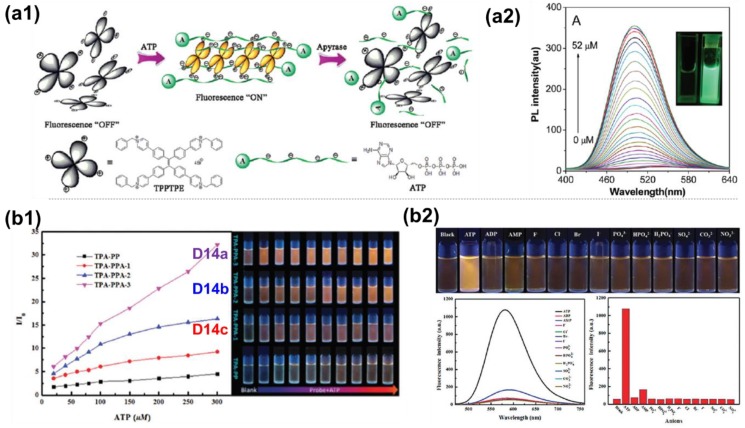
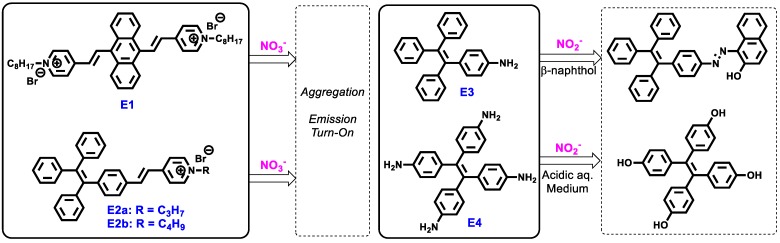
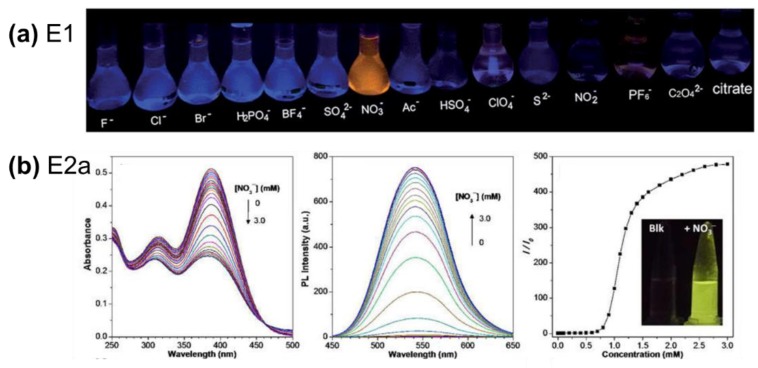
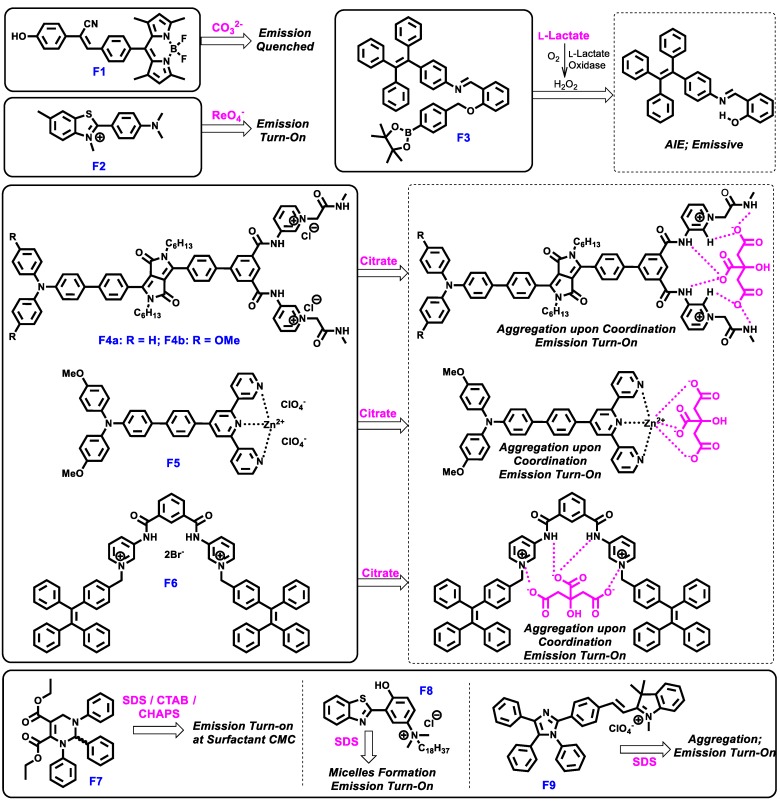
The discovery of the aggregation-induced emission (AIE) phenomenon in the early 2000s not only has overcome persistent challenges caused by traditional aggregation-caused quenching (ACQ), but also has brought about new opportunities for the development of useful functional molecules. Through the years, AIE luminogens (AIEgens) have been widely studied for applications in the areas of biomedical and biological sensing, chemosensing, optoelectronics, and stimuli responsive materials. Particularly in the application of chemosensing, a myriad of novel AIE-based sensors has been developed to detect different neutral molecular, cationic and anionic species, with a rapid detection time, high sensitivity and high selectivity by monitoring fluorescence changes. This review thus summarises the recent development of AIE-based chemosensors for the detection of anionic species, including halides and halide-containing anions, cyanides, and sulphur-, phosphorus- and nitrogen- containing anions, as well as a few other anionic species, such as citrate, lactate and anionic surfactants.
21 世纪初,聚集诱导发光(AIE)现象的发现不仅克服了传统聚集诱导猝灭(ACQ)带来的持续挑战,也为有用功能分子的发展带来了新的机遇。多年来,AIE 发光体(AIEgens)已被广泛研究,应用于生物医学和生物传感、化学传感、光电和刺激响应材料等领域。特别是在化学传感应用中,已经开发了许多新型基于 AIE 的传感器,通过监测荧光变化,可以快速检测不同中性分子、阳离子和阴离子物种,具有高灵敏度和高选择性。因此,本文综述了近年来用于检测阴离子物种的基于 AIE 的化学传感器的最新发展,包括卤化物和含卤阴离子、氰化物,以及含硫、磷和氮的阴离子,以及一些其他阴离子物种,如柠檬酸、乳酸盐和阴离子表面活性剂。