Meščić Macan Andrijana, Gazivoda Kraljević Tatjana, Raić-Malić Silvana
Department of Organic Chemistry, University of Zagreb, Faculty of Chemical Engineering and Technology, Marulićev trg 20, 10000 Zagreb, Croatia.
Antioxidants (Basel). 2019 Jul 26;8(8):247. doi: 10.3390/antiox8080247.
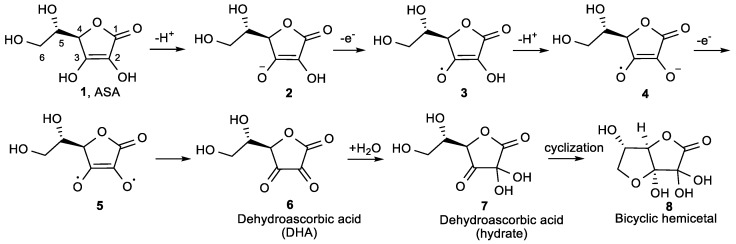
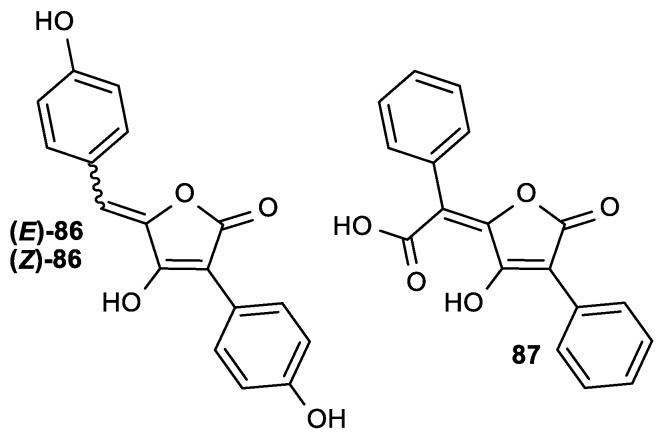
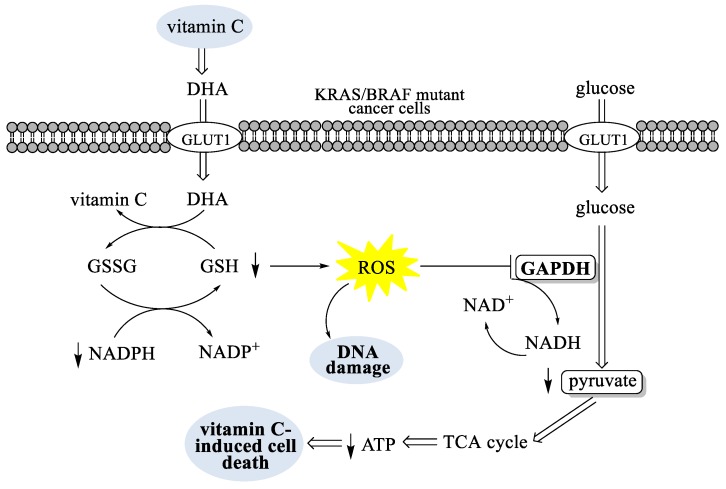
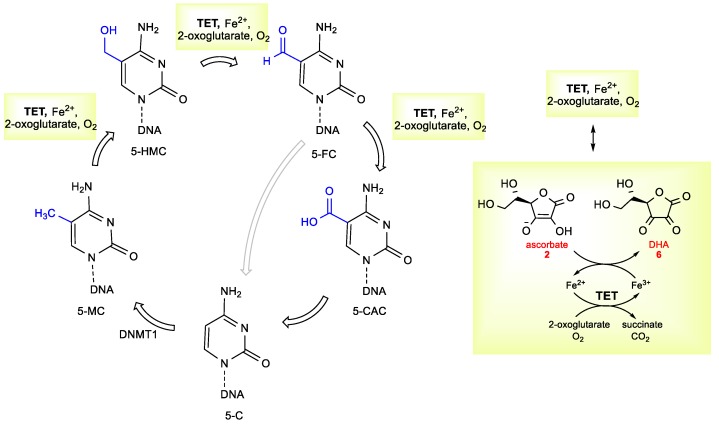
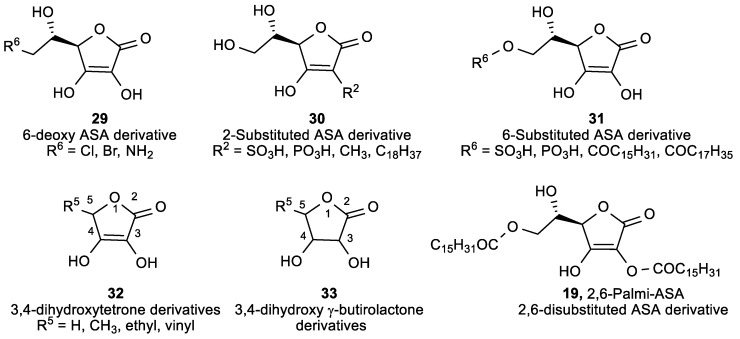
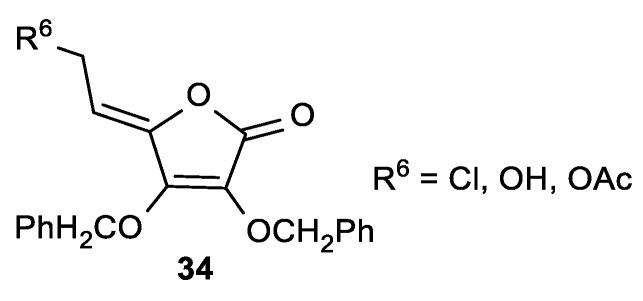
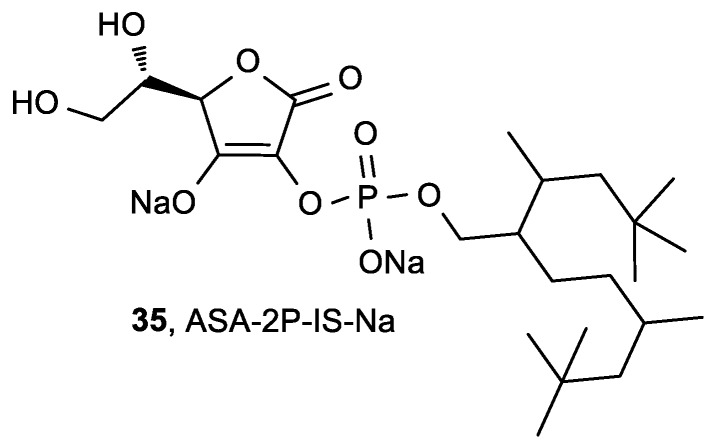
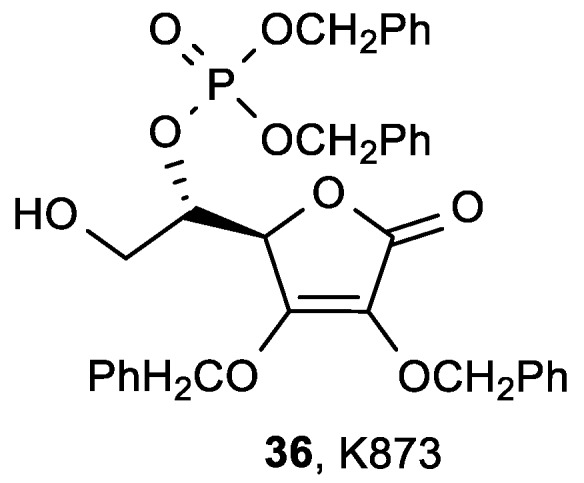
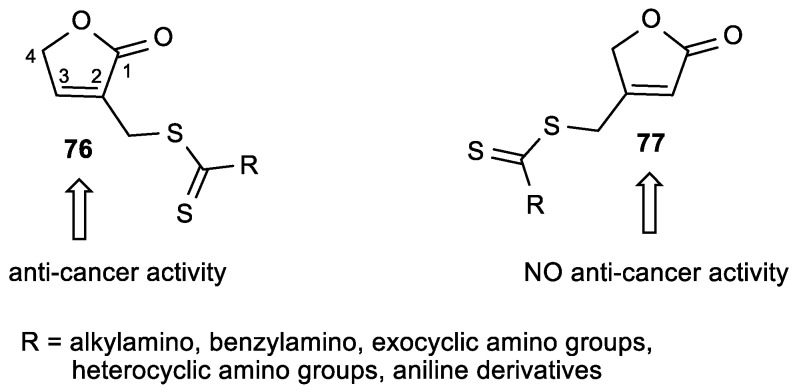
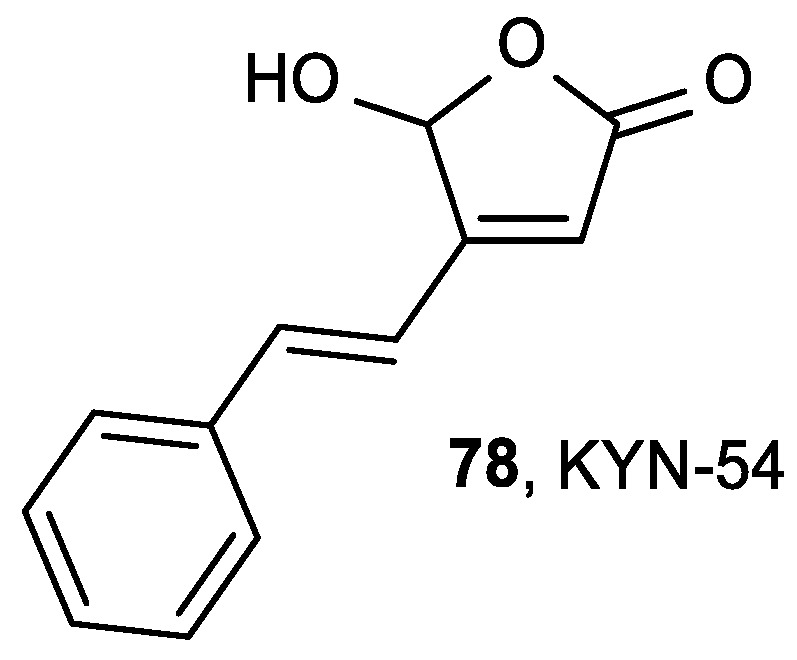
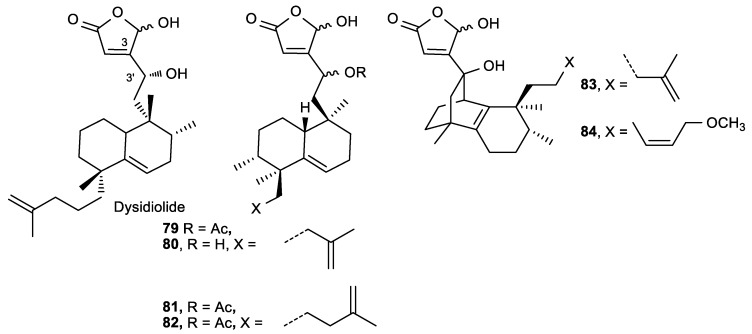
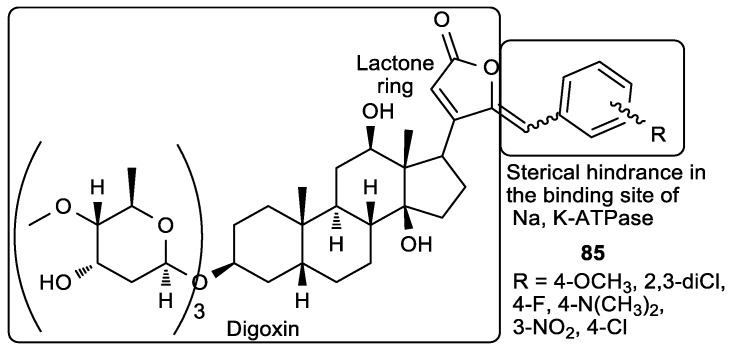
L-Ascorbic acid (ASA), vitamin C, is a ubiquitous carbohydrate-like compound that has an essential role in a number of cellular processes, such as collagen synthesis, cellular oxidation, and various hydroxylation reactions. ASA is a biomolecule of critical importance for protection of cellular components against oxidative damage caused by toxic free radicals and other reactive oxygen species (ROS) that are involved in the development of various types of chronic diseases. Vitamin C has a switchover role from being an antioxidant in physiological conditions to a prooxidant under pathologic conditions. Moreover, some l-ascorbic acid derivatives exhibit strong and selective antitumor and antiviral activity. This review emphasizes the advances on diverse and potent biological profiles of l-ascorbic acid and its derivatives, and their perspective in the development of new bioactive chemical entities in the future. The work is primarily addressed at antioxidant, anticancer, and antiviral potencies of l-ascorbic acid and compounds containing its butenolide structural motif.
L-抗坏血酸(ASA),即维生素C,是一种普遍存在的类碳水化合物化合物,在许多细胞过程中发挥着重要作用,如胶原蛋白合成、细胞氧化和各种羟基化反应。ASA是一种至关重要的生物分子,可保护细胞成分免受有毒自由基和其他活性氧(ROS)引起的氧化损伤,这些自由基和活性氧参与了各种慢性疾病的发展。维生素C具有从生理条件下的抗氧化剂转变为病理条件下的促氧化剂的转换作用。此外,一些L-抗坏血酸衍生物表现出强大且选择性的抗肿瘤和抗病毒活性。本综述强调了L-抗坏血酸及其衍生物多样而强大的生物学特性的研究进展,以及它们在未来新型生物活性化学实体开发中的前景。这项工作主要针对L-抗坏血酸及其含有丁烯内酯结构基序的化合物的抗氧化、抗癌和抗病毒效力。