Department of Molecular Neuroscience, Graduate School of Medicine, Osaka University, Osaka, Japan.
WPI Immunology Frontier Research Center, Osaka University, Osaka, Japan.
BMC Genomics. 2019 Jul 30;20(1):619. doi: 10.1186/s12864-019-5974-9.
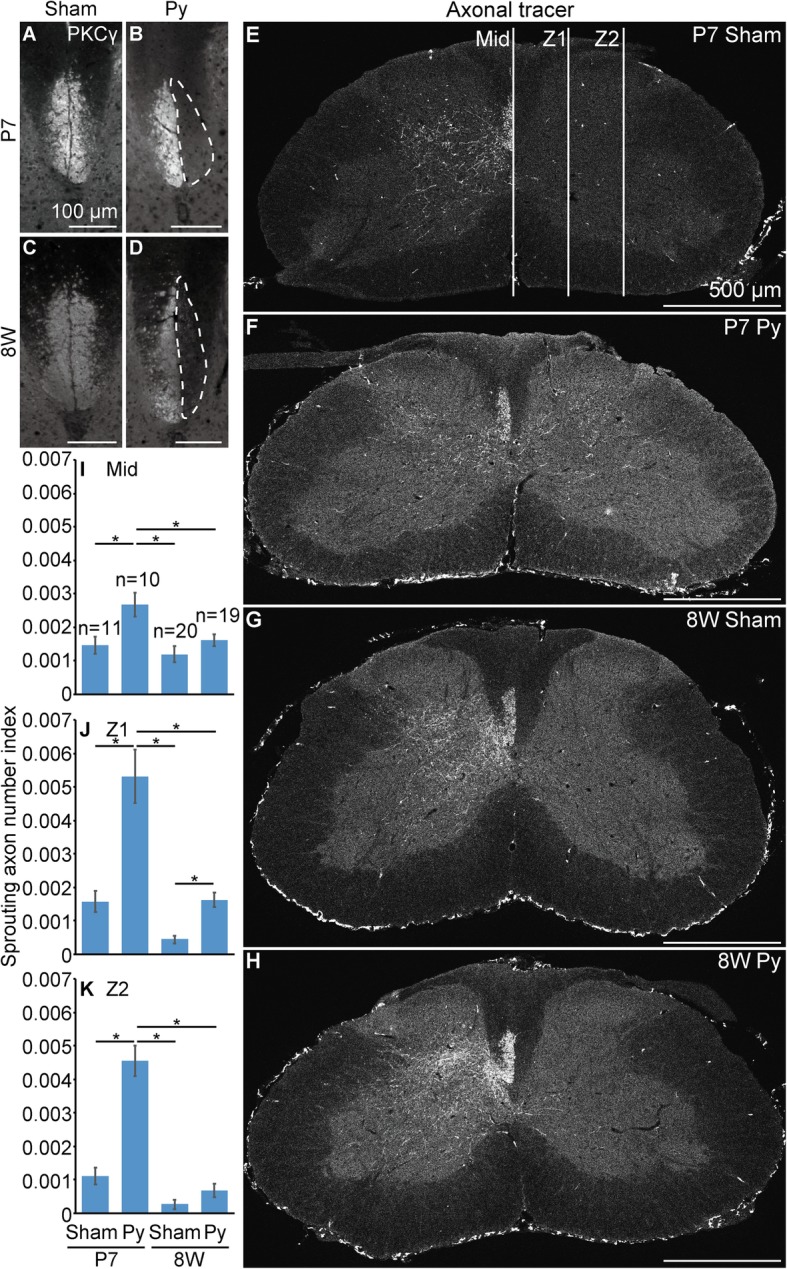
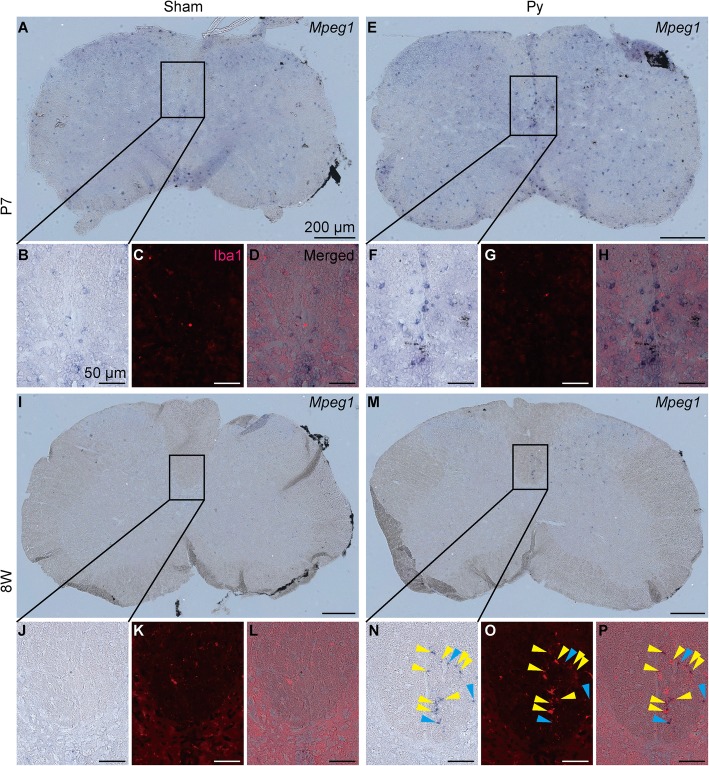
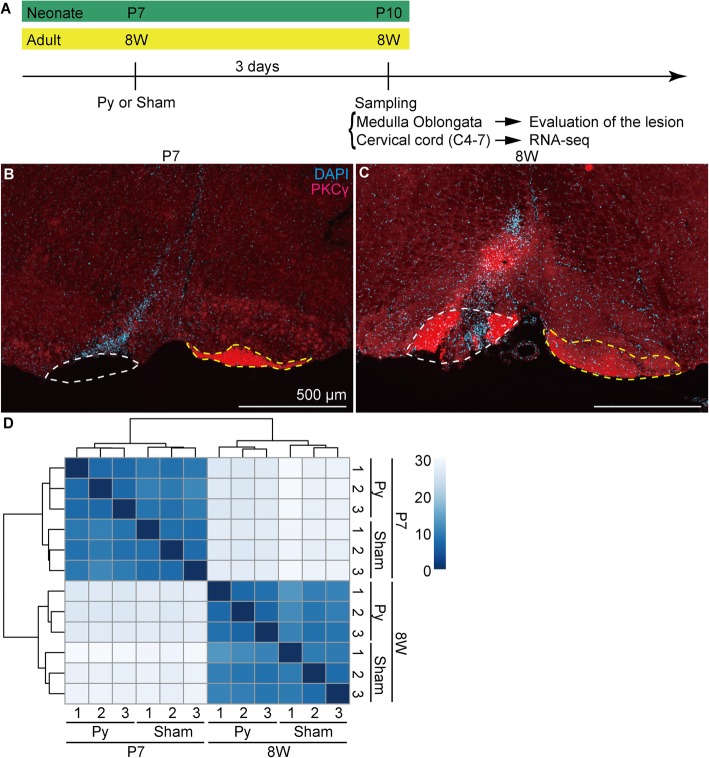
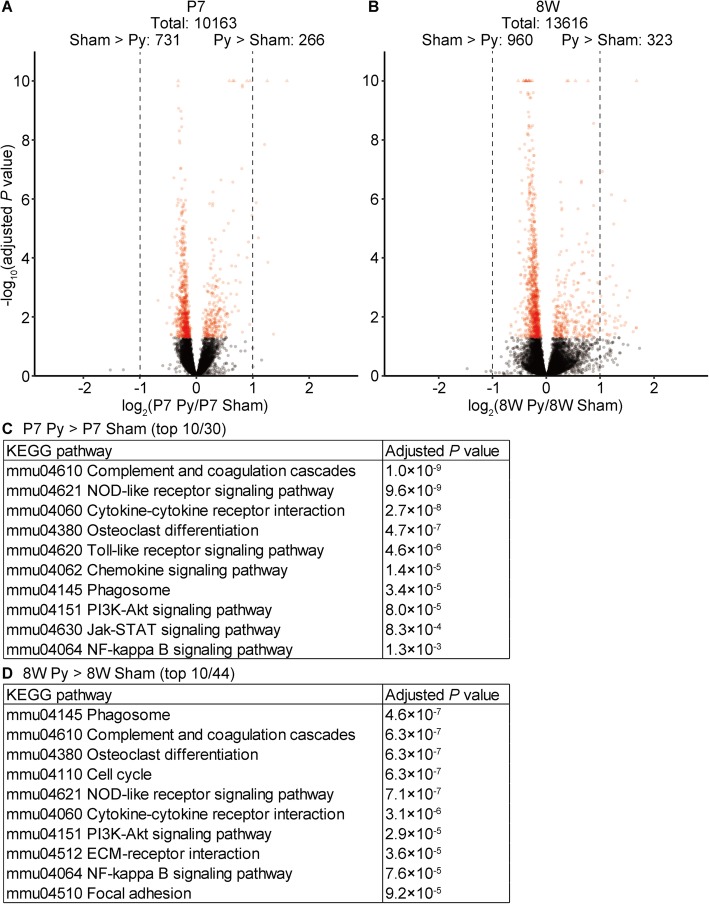
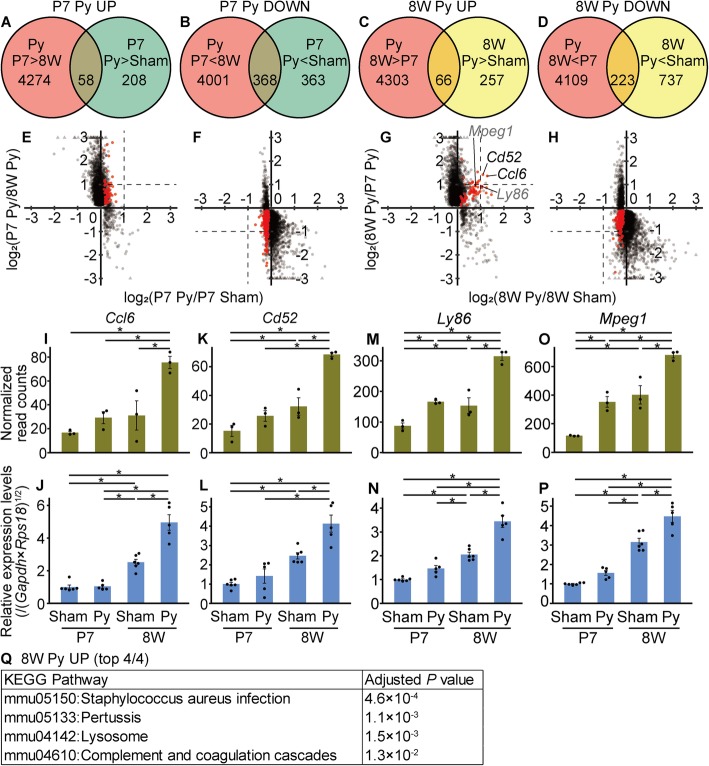
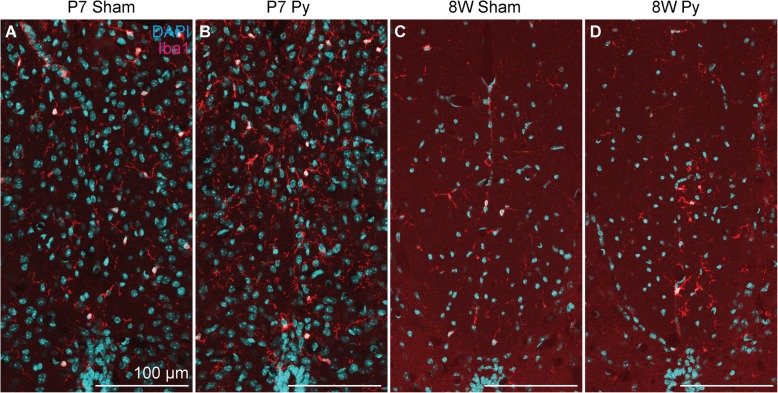
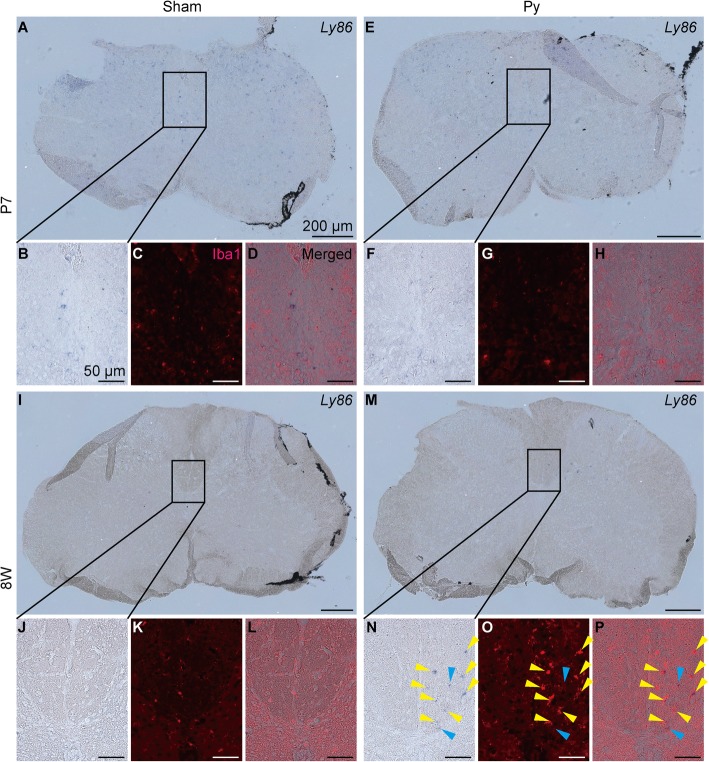
The regenerative ability of severed axons in the central nervous system is limited in mammals. However, after central nervous system injury, neural function is partially recovered by the formation of a compensatory neural circuit. In a mouse pyramidotomy model, axonal sprouting of the intact side of the corticospinal tract is observed in the spinal cord, and the axons make new synapses with the denervated side of propriospinal neurons. Moreover, this sprouting ability is enhanced in neonatal mice compared to that in adult mice. Myelin-associated molecules in the spinal cord or intrinsic factors in corticospinal neurons have been investigated in previous studies, but the factors that determine elevated sprouting ability in neonatal mice are not fully understood. Further, in the early phase after pyramidotomy, glial responses are observed in the spinal cord. To elucidate the basal difference in the spinal cord, we compared gene expression profiles of entire C4-7 cervical cord tissues between neonatal (injured at postnatal day 7) and adult (injured at 8 weeks of age) mice by RNA-sequencing. We also tried to identify discordant gene expression changes that might inhibit axonal sprouting in adult mice at the early phase (3 days) after pyramidotomy.
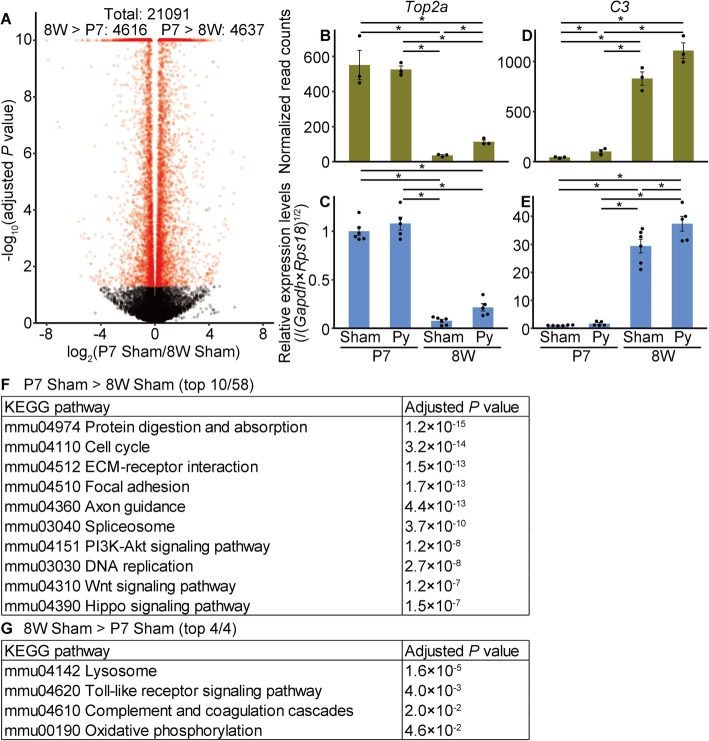
A comparison of neonatal and adult sham groups revealed remarkable basal differences in the spinal cord, such as active neural circuit formation, cell proliferation, the development of myelination, and an immature immune system in neonatal mice compared to that observed in adult mice. Some inflammation-related genes were selectively expressed in adult mice after pyramidotomy, implying the possibility that these genes might be related to the low sprouting ability in adult mice.
This study provides useful information regarding the basal difference between neonatal and adult spinal cords and the possible differential response after pyramidotomy, both of which are necessary to understand why sprouting ability is increased in neonatal mice compared to that in adult mice.
哺乳动物中枢神经系统中切断轴突的再生能力有限。然而,中枢神经系统损伤后,通过形成代偿性神经回路,部分恢复神经功能。在小鼠锥体切开模型中,观察到皮质脊髓束未受损侧在脊髓中的轴突发芽,并且轴突与去神经的 propriospinal 神经元的未受损侧形成新的突触。此外,与成年小鼠相比,新生小鼠具有更强的发芽能力。在之前的研究中,已经研究了脊髓中的髓鞘相关分子或皮质脊髓神经元中的内在因素,但决定新生小鼠发芽能力增强的因素尚未完全了解。此外,在锥体切开后的早期阶段,观察到脊髓中的神经胶质反应。为了阐明脊髓中的基础差异,我们通过 RNA-seq 比较了新生(出生后第 7 天受伤)和成年(8 周龄受伤)小鼠整个 C4-7 颈段脊髓组织的基因表达谱。我们还试图确定在锥体切开后早期(3 天)可能抑制成年小鼠轴突发芽的差异表达基因变化。
新生和成年假手术组的比较显示,与成年小鼠相比,新生小鼠脊髓中存在明显的基础差异,例如活跃的神经回路形成、细胞增殖、髓鞘发育和不成熟的免疫系统。一些与炎症相关的基因在成年小鼠锥体切开后特异性表达,这表明这些基因可能与成年小鼠发芽能力低有关。
这项研究提供了有关新生和成年脊髓之间基础差异以及锥体切开后可能的差异反应的有用信息,这对于理解为什么新生小鼠的发芽能力比成年小鼠强是必要的。