Lin Miranda, Gao Mei, Cavnar Michael J, Kim Joseph
Department of Surgery, University of Kentucky, Lexington, KY 40536, United States.
World J Gastrointest Oncol. 2019 Jul 15;11(7):509-517. doi: 10.4251/wjgo.v11.i7.509.
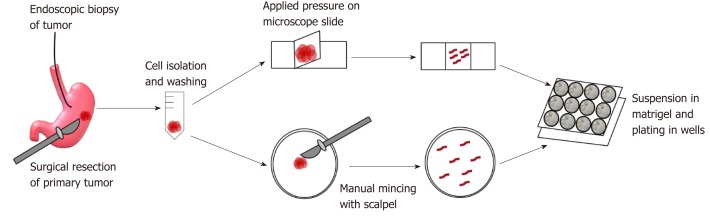
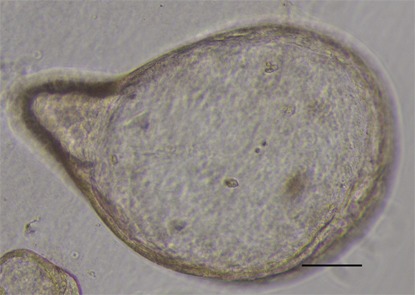
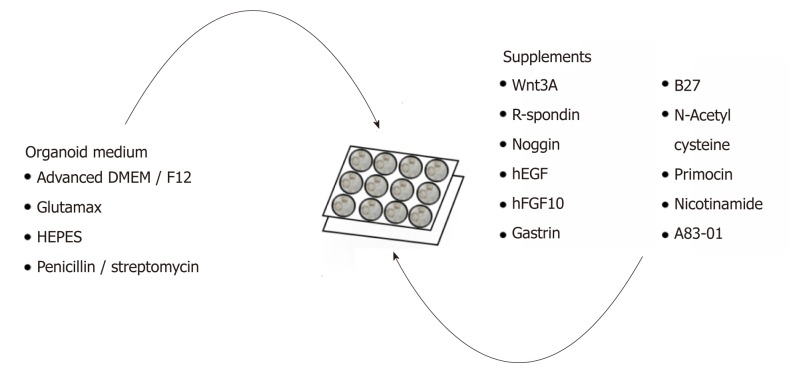
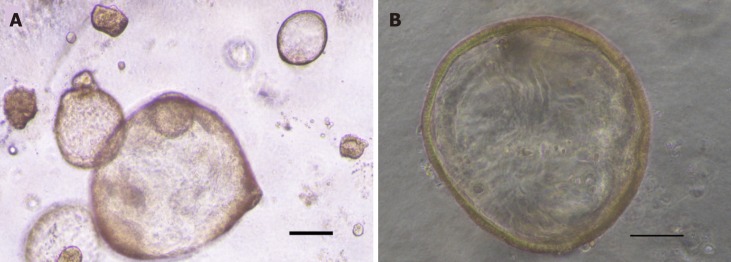
While the incidence and mortality of gastric cancer (GC) have declined due to public health programs, it remains the third deadliest cancer worldwide. For patients with early disease, innovative endoscopic and complex surgical techniques have improved survival. However, for patients with advanced disease, there are limited treatment options and survival remains poor. Therefore, there is an urgent need for more effective therapies. Since novel therapies require extensive preclinical testing prior to human trials, it is important to identify methods to expedite this process. Traditional cancer models are restricted by the inability to accurately recapitulate the primary human tumor, exorbitant costs, and the requirement for extended periods of development time. An emerging model to study human disease is the patient-derived organoid, which is a three-dimensional system created from fresh surgical or biopsy tissues of a patient's gastric tumor. Organoids are cultured in plastic wells and suspended in a gelatinous matrix, providing a substrate for extension and growth in all dimensions. They are rapid-growing and highly representative of the molecular landscape, histology, and morphology of the various subtypes of GC. Organoids uniquely model tumor initiation and growth, including steps taken by normal stomach cells to transform into invasive, intestinal-type tumor cells. Additionally, they provide ample material for biobanking and screening novel therapies. Lastly, organoids are a promising model for personalized therapy and warrant further investigation in drug sensitivity studies for GC patients.
尽管由于公共卫生项目,胃癌(GC)的发病率和死亡率有所下降,但它仍是全球第三大致命癌症。对于早期疾病患者,创新的内镜和复杂的手术技术提高了生存率。然而,对于晚期疾病患者,治疗选择有限,生存率仍然很低。因此,迫切需要更有效的治疗方法。由于新疗法在人体试验之前需要进行广泛的临床前测试,因此确定加快这一过程的方法很重要。传统的癌症模型受到无法准确重现原发性人类肿瘤、成本过高以及开发时间长的限制。一种新兴的研究人类疾病的模型是患者来源的类器官,它是一种由患者胃肿瘤的新鲜手术或活检组织创建的三维系统。类器官在塑料孔中培养,并悬浮在凝胶状基质中,为在各个维度上的延伸和生长提供了一个底物。它们生长迅速,高度代表了GC各种亚型的分子格局、组织学和形态学。类器官独特地模拟肿瘤的起始和生长,包括正常胃细胞转化为侵袭性肠型肿瘤细胞所采取的步骤。此外,它们为生物样本库和筛选新疗法提供了充足的材料。最后,类器官是个性化治疗的一个有前景的模型,值得在GC患者的药物敏感性研究中进一步研究。