Jenkin Dawn C, Mahgoub Hamid, Morales Kathleen F, Lambach Philipp, Nguyen-Van-Tam Jonathan S
Health Protection and Influenza Research Group (WHO Collaborating Centre), University of Nottingham School of Medicine, United Kingdom.
East of England Health Protection Team, Public Health England, United Kingdom.
Vaccine X. 2019 Jul 11;2:100036. doi: 10.1016/j.jvacx.2019.100036. eCollection 2019 Aug 9.
The World Health Organization recommends vaccination of health workers (HWs) against influenza, but low uptake is intransigent.We conducted a on: the risk of influenza in HWs, transmission risk from HWs to patients, the benefit of HW vaccination, and strategies for improving uptake. We aimed to capture a 'whole-of-system' perspective to consider possible benefits for HWs, employers and patients.
We executed a comprehensive search of the available literature published from 2006 to 2018 in the English language. We developed search terms for seven separate questions following the PICO framework (population, intervention, comparators, outcomes) and queried nine databases.
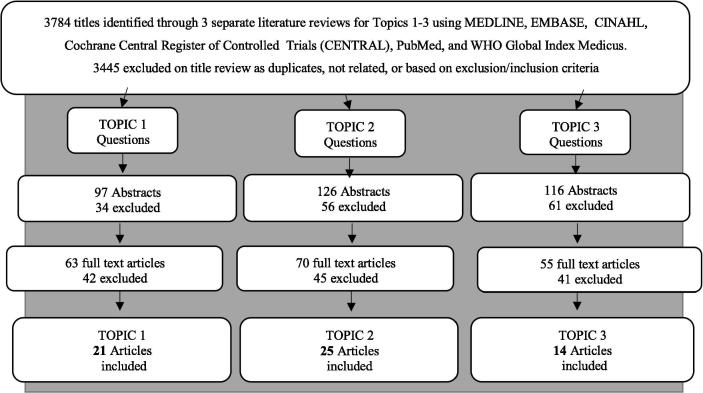
Of 3784 publications identified, 52 met inclusion criteria. Seven addressed HW influenza risk, of which four found increased risk; 15 addressed influenza vaccine benefit to HWs or their employers, of which 10 found benefit; 11 addressed influenza transmission from HWs to patients, of which 6 found evidence for transmission; 12 unique studies addressed whether vaccinating HWs produced patient benefit, of which 9 concluded benefits accrued. Regarding the number of HWs needed to vaccinate (NNV) to deliver patient benefit, NNV estimates ranged from 3 to 36,000 but were in significant disagreement. Fourteen studies provided insights on strategies to improve uptake; the strongest evidence was for mandatory vaccination.
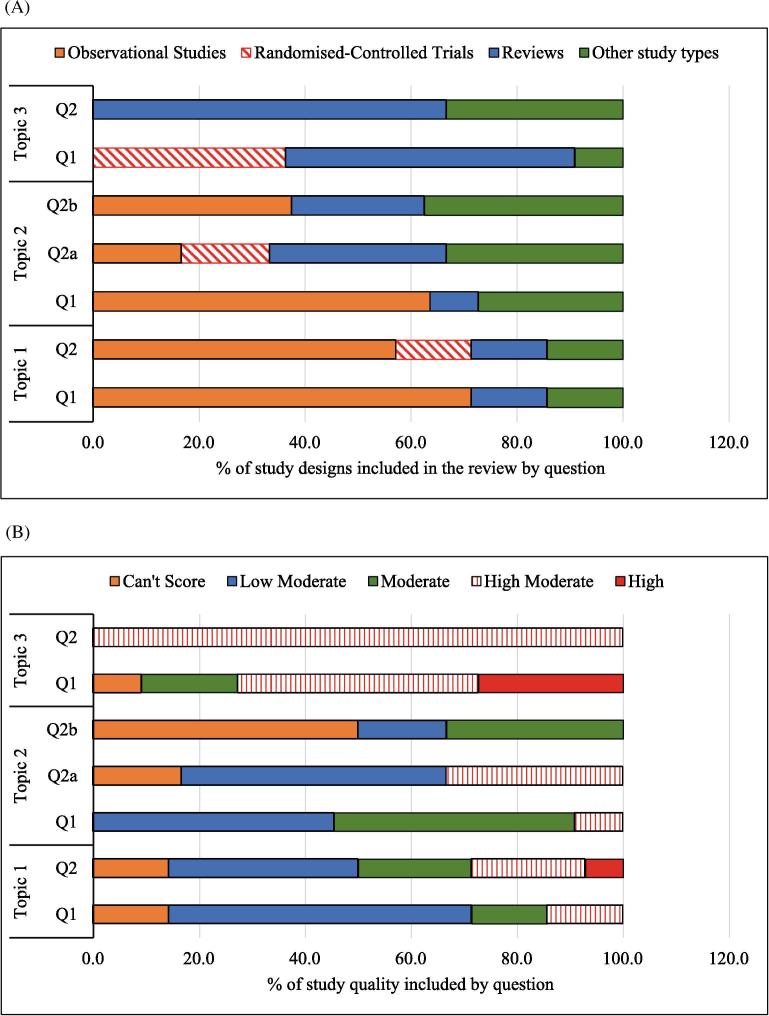
The evidence on most questions related to influenza vaccination in HWs is mixed and often of low-quality. Substantial heterogeneity exists in terms of study designs and settings, making comparison between studies difficult. Notwithstanding these limitations, a majority of studies suggests that influenza vaccination benefit HWs and their employers; and HWs are implicated in transmission events. The effects of vaccinating HWs on patient morbidity and mortality may include reductions in all-cause mortality and influenza-like illness (ILI). Taken together, the evidence suggests that HW vaccination is an important policy for HWs themselves, their employers, and their patients.
世界卫生组织建议医护人员接种流感疫苗,但接种率一直很低。我们开展了一项关于医护人员患流感的风险、医护人员向患者的传播风险、医护人员接种疫苗的益处以及提高接种率的策略的研究。我们旨在从“全系统”的角度考虑对医护人员、雇主和患者可能带来的益处。
我们对2006年至2018年以英文发表的现有文献进行了全面检索。我们按照PICO框架(人群、干预措施、对照、结局)为七个不同问题制定了检索词,并查询了九个数据库。
在确定的3784篇出版物中,52篇符合纳入标准。七篇涉及医护人员感染流感的风险,其中四篇发现风险增加;15篇涉及流感疫苗对医护人员或其雇主的益处,其中10篇发现有益处;11篇涉及医护人员向患者传播流感,其中6篇发现了传播证据;12项独立研究探讨了为医护人员接种疫苗是否对患者有益,其中9项得出了有益的结论。关于为实现患者获益所需接种疫苗的医护人员数量(NNV),NNV估计值在3至36000之间,但存在很大分歧。十四项研究提供了关于提高接种率策略的见解;最有力的证据是强制接种疫苗。
关于医护人员流感疫苗接种的大多数问题的证据参差不齐,而且往往质量不高。在研究设计和环境方面存在很大的异质性,使得研究之间难以进行比较。尽管有这些局限性,但大多数研究表明,流感疫苗接种对医护人员及其雇主有益;而且医护人员与传播事件有关。为医护人员接种疫苗对患者发病率和死亡率的影响可能包括全因死亡率和流感样疾病(ILI)的降低。综合来看,证据表明医护人员接种疫苗对医护人员自身、其雇主和患者来说都是一项重要政策。