Joseph Susan M, Battaglia Thomas, Maritz Julia M, Carlton Jane M, Blaser Martin J
New York University School of Medicine, New York, New York, USA
Center for Genomics and Systems Biology, Department of Biology, New York University, New York, New York, USA.
mSystems. 2019 Aug 6;4(4):e00327-19. doi: 10.1128/mSystems.00327-19.
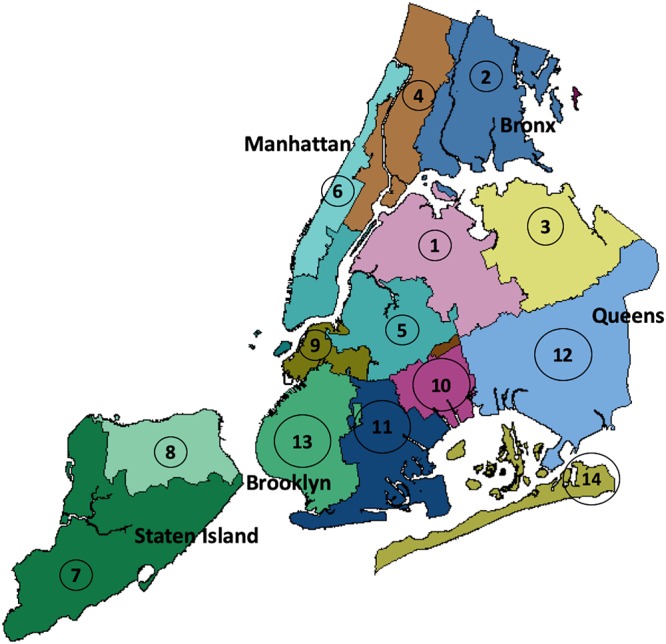
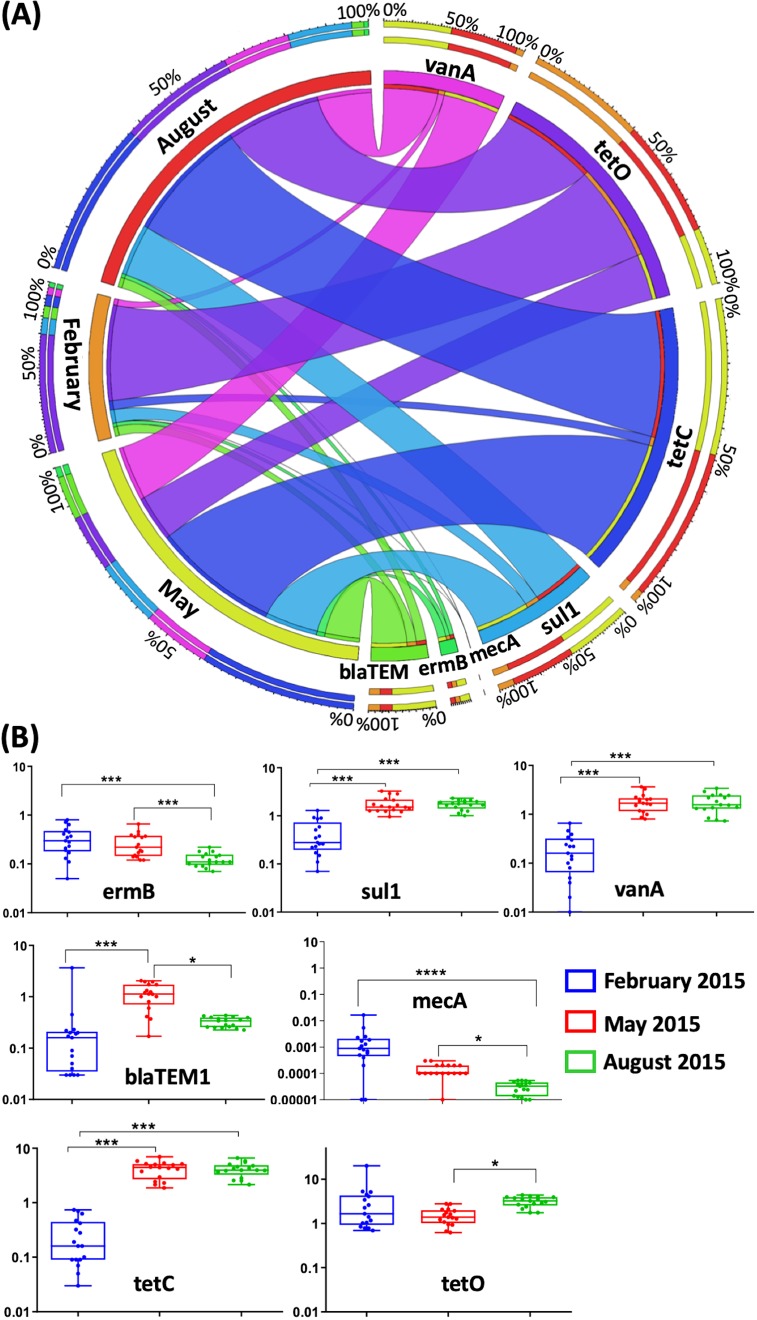
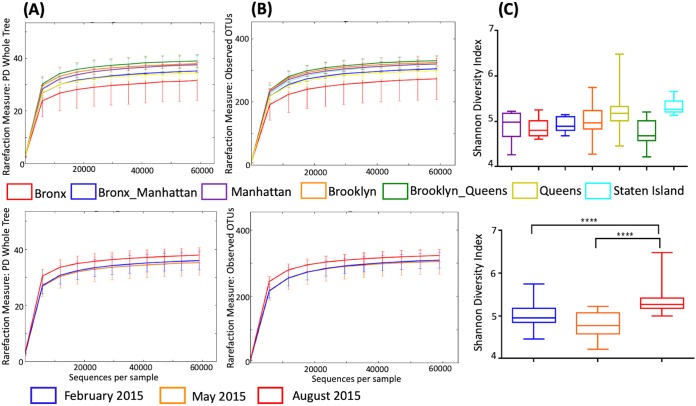
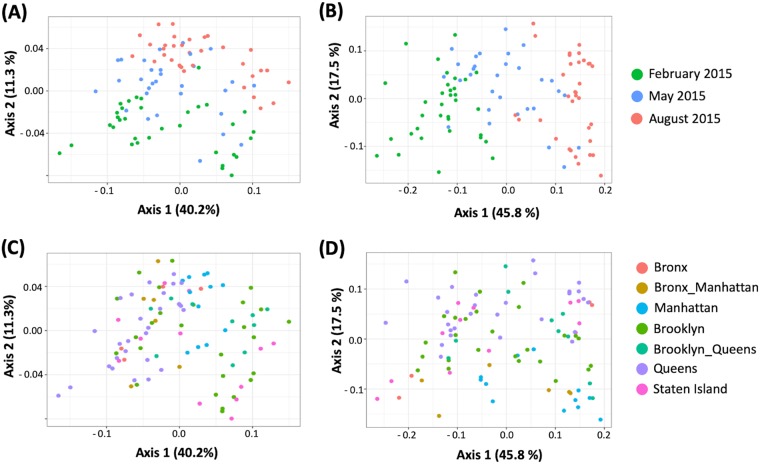
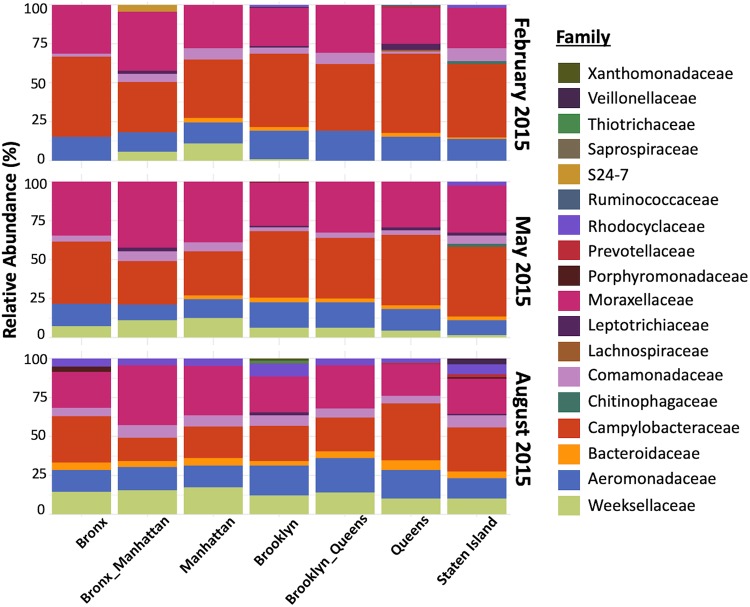
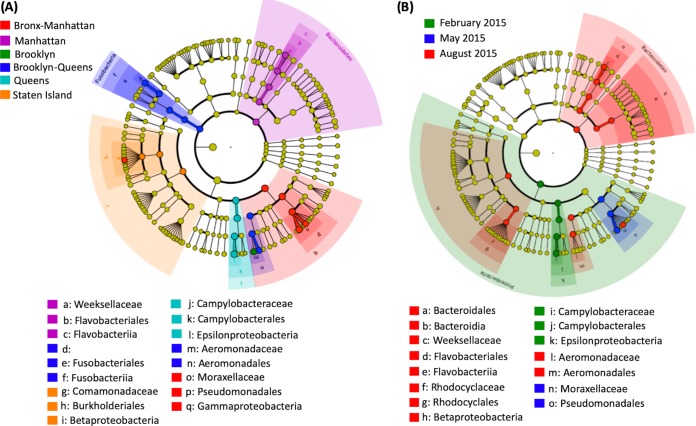
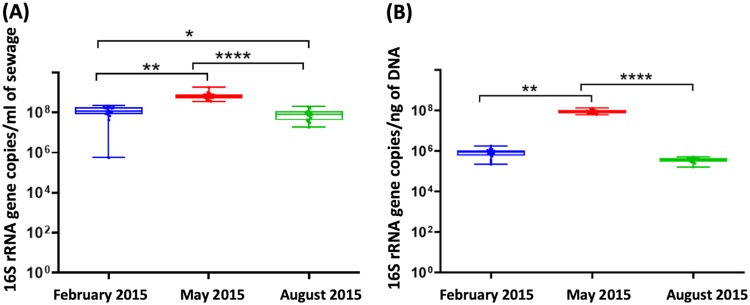
Bacterial resistance to antibiotics is a pressing health issue around the world, not only in health care settings but also in the community and environment, particularly in crowded urban populations. The aim of our work was to characterize the microbial populations in sewage and the spread of antibiotic resistance within New York City (NYC). Here, we investigated the structure of the microbiome and the prevalence of antibiotic resistance genes in raw sewage samples collected from the fourteen NYC Department of Environmental Protection wastewater treatment plants, distributed across the five NYC boroughs. Sewage, a direct output of anthropogenic activity and a reservoir of microbes, provides an ecological niche to examine the spread of antibiotic resistance. Taxonomic diversity analysis revealed a largely similar and stable bacterial population structure across all the samples, which was found to be similar over three time points in an annual cycle, as well as in the five NYC boroughs. All samples were positive for the presence of the seven antibiotic resistance genes tested, based on real-time quantitative PCR assays, with higher levels observed for tetracycline resistance genes at all time points. For five of the seven genes, abundances were significantly higher in May than in February and August. This study provides characteristics of the NYC sewage resistome in the context of the overall bacterial populations. Urban sewage or wastewater is a diverse source of bacterial growth, as well as a hot spot for the development of environmental antibiotic resistance, which can in turn influence the health of the residents of the city. As part of a larger study to characterize the urban New York City microbial metagenome, we collected raw sewage samples representing three seasonal time points spanning the five boroughs of NYC and went on to characterize the microbiome and the presence of a range of antibiotic resistance genes. Through this study, we have established a baseline microbial population and antibiotic resistance abundance in NYC sewage which can prove to be very useful in studying the load of antibiotic usage, as well as for developing effective measures in antibiotic stewardship.
细菌对抗生素的耐药性是全球一个紧迫的健康问题,不仅在医疗环境中如此,在社区和环境中也是如此,尤其是在拥挤的城市人口中。我们这项工作的目的是描绘纽约市(NYC)污水中的微生物群落特征以及抗生素耐药性的传播情况。在此,我们调查了从纽约市环境保护部分布在五个行政区的14个污水处理厂采集的原污水样本中的微生物组结构和抗生素耐药基因的流行情况。污水是人为活动的直接产物和微生物的储存库,为研究抗生素耐药性的传播提供了一个生态位。分类多样性分析表明,所有样本中的细菌种群结构在很大程度上相似且稳定,在一年周期的三个时间点以及纽约市的五个行政区中都发现其相似。基于实时定量PCR分析,所有样本检测的七种抗生素耐药基因均呈阳性,在所有时间点四环素耐药基因的水平都更高。对于七种基因中的五种,5月份的丰度显著高于2月和8月。本研究在整体细菌种群的背景下提供了纽约市污水耐药组的特征。城市污水或废水是细菌生长的多样化来源,也是环境抗生素耐药性发展的热点,这反过来又会影响城市居民的健康。作为一项更大规模研究的一部分,该研究旨在描绘纽约市城市微生物宏基因组特征,我们收集了代表纽约市五个行政区三个季节时间点的原污水样本,并进而描绘微生物组以及一系列抗生素耐药基因的存在情况。通过这项研究,我们建立了纽约市污水中微生物种群和抗生素耐药性丰度的基线,这对于研究抗生素使用负荷以及制定有效的抗生素管理措施可能非常有用。