Department of Biosciences and Nutrition, Karolinska Institutet, SE-141 83, Huddinge, Sweden.
Henan Collaborative Innovation Center of Molecular Diagnosis and Laboratory Medicine, School of Laboratory Medicine, Xinxiang Medical University, Xinxiang, 453003, Henan, P.R. China.
Nat Commun. 2019 Aug 9;10(1):3589. doi: 10.1038/s41467-019-11510-4.
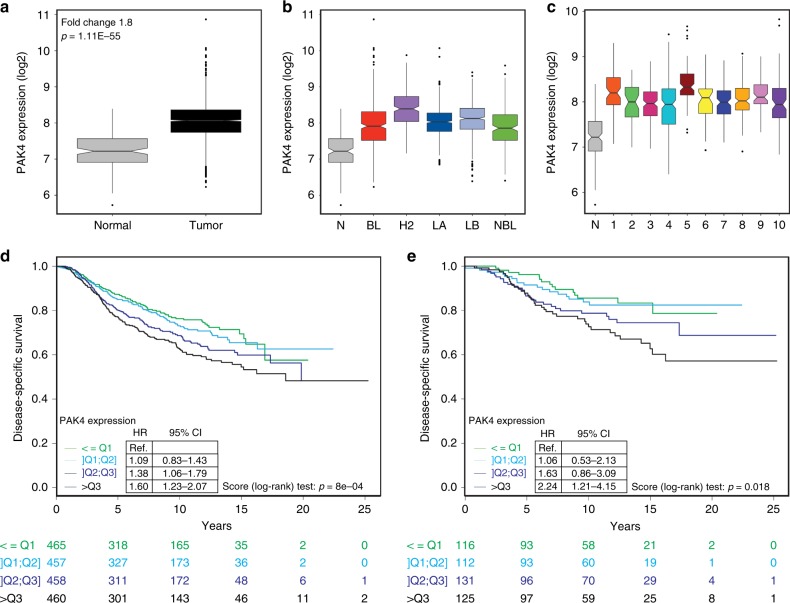
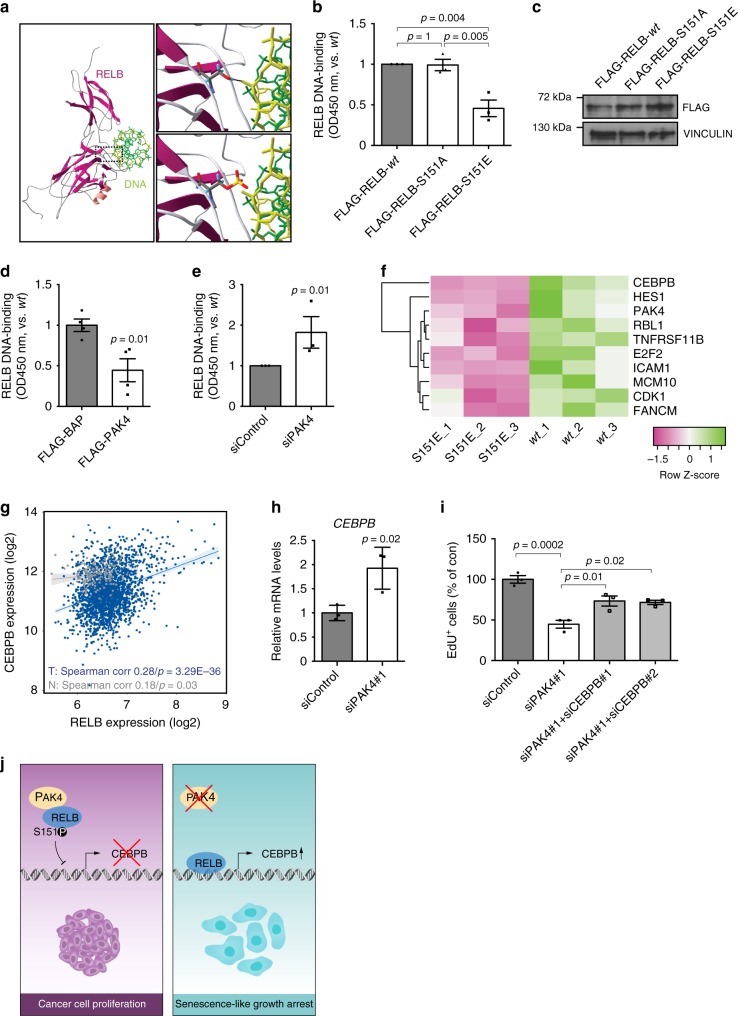
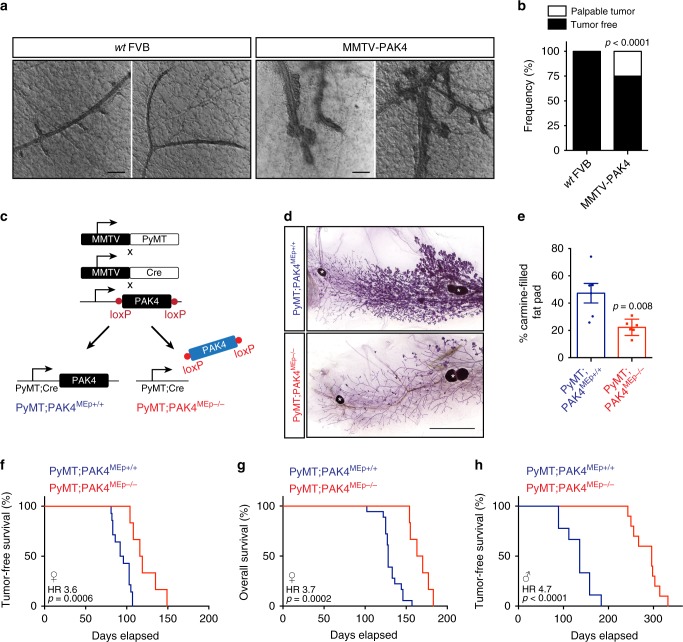
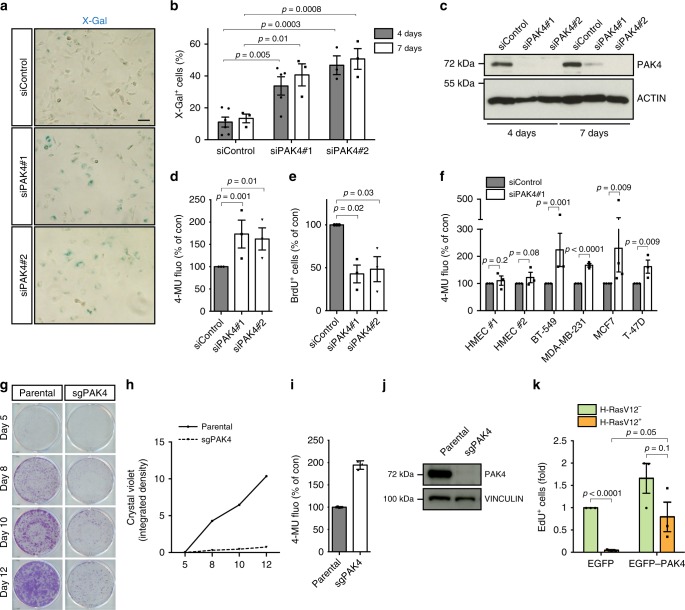
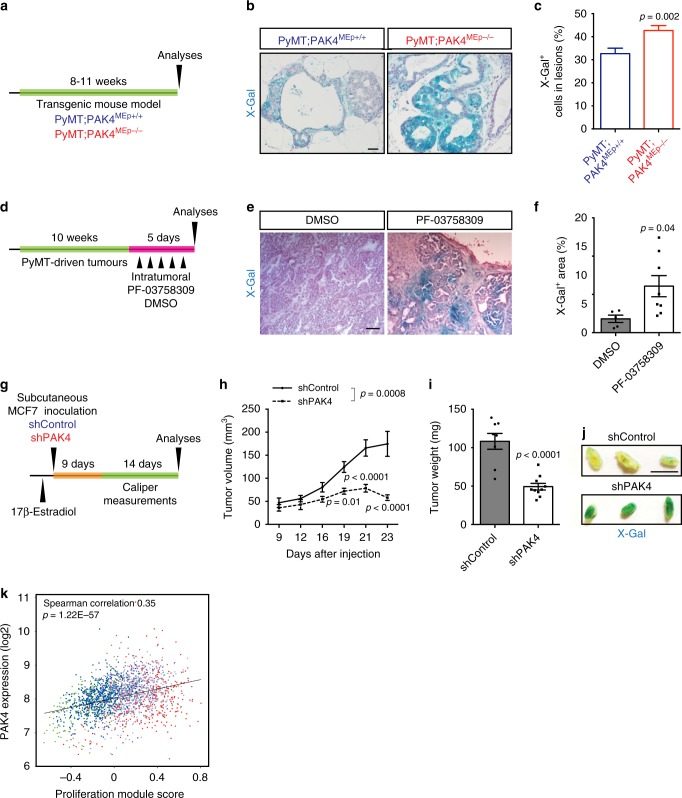
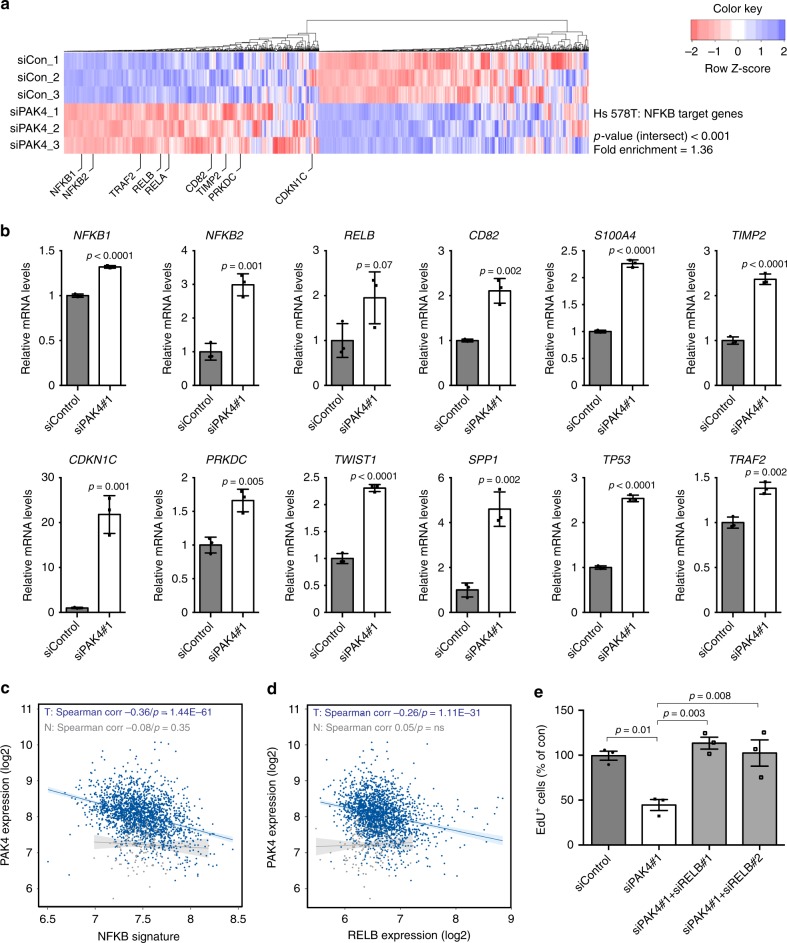
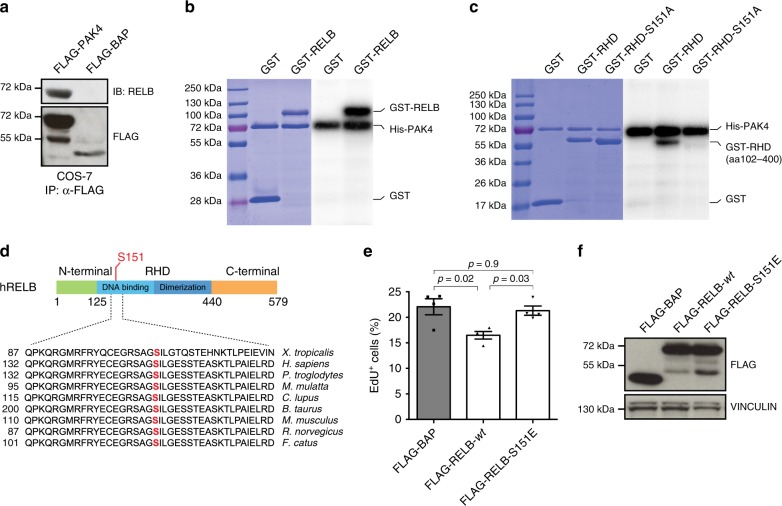
Overcoming cellular growth restriction, including the evasion of cellular senescence, is a hallmark of cancer. We report that PAK4 is overexpressed in all human breast cancer subtypes and associated with poor patient outcome. In mice, MMTV-PAK4 overexpression promotes spontaneous mammary cancer, while PAK4 gene depletion delays MMTV-PyMT driven tumors. Importantly, PAK4 prevents senescence-like growth arrest in breast cancer cells in vitro, in vivo and ex vivo, but is not needed in non-immortalized cells, while PAK4 overexpression in untransformed human mammary epithelial cells abrogates H-RAS-V12-induced senescence. Mechanistically, a PAK4 - RELB - C/EBPβ axis controls the senescence-like growth arrest and a PAK4 phosphorylation residue (RELB-Ser151) is critical for RELB-DNA interaction, transcriptional activity and expression of the senescence regulator C/EBPβ. These findings establish PAK4 as a promoter of breast cancer that can overcome oncogene-induced senescence and reveal a selective vulnerability of cancer to PAK4 inhibition.
克服细胞生长限制,包括逃避细胞衰老,是癌症的一个标志。我们报告称,PAK4 在所有人类乳腺癌亚型中过度表达,并与患者预后不良相关。在小鼠中,MMTV-PAK4 的过表达促进自发性乳腺癌的发生,而 PAK4 基因缺失则延迟 MMTV-PyMT 驱动的肿瘤。重要的是,PAK4 可防止体外、体内和体外乳腺癌细胞发生类似衰老的生长停滞,但在非永生化细胞中则不需要,而在未转化的人乳腺上皮细胞中过表达 PAK4 可消除 H-RAS-V12 诱导的衰老。在机制上,PAK4-RELB-C/EBPβ 轴控制类似衰老的生长停滞,PAK4 的一个磷酸化残基(RELB-Ser151)对于 RELB-DNA 相互作用、转录活性和衰老调节因子 C/EBPβ 的表达至关重要。这些发现确立了 PAK4 作为乳腺癌的促进因子,它可以克服致癌基因诱导的衰老,并揭示了癌症对 PAK4 抑制的选择性脆弱性。