Stem Cells & Regenerative Medicine Laboratory, Peninsula Dental School, University of Plymouth, 16 Research Way, Plymouth, PL6 8BU, UK.
Department of Cariology, Endodontology and Operative Dentistry, Peking University School and Hospital of Stomatology, 22 South Zhongguancun Avenue, Haidian District, 100081, Beijing, China.
Nat Commun. 2019 Aug 9;10(1):3596. doi: 10.1038/s41467-019-11611-0.
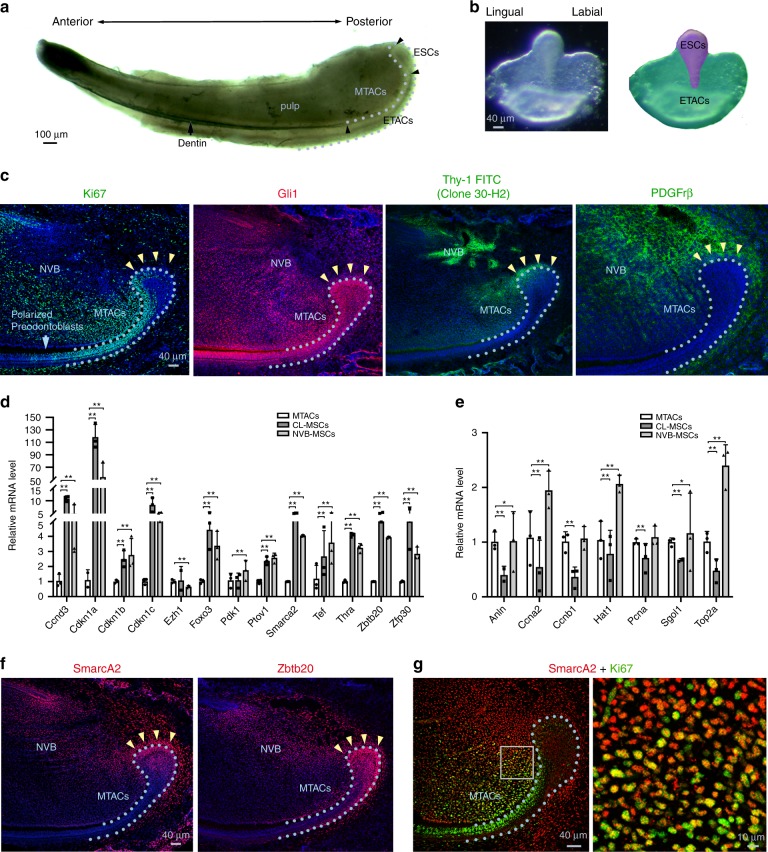
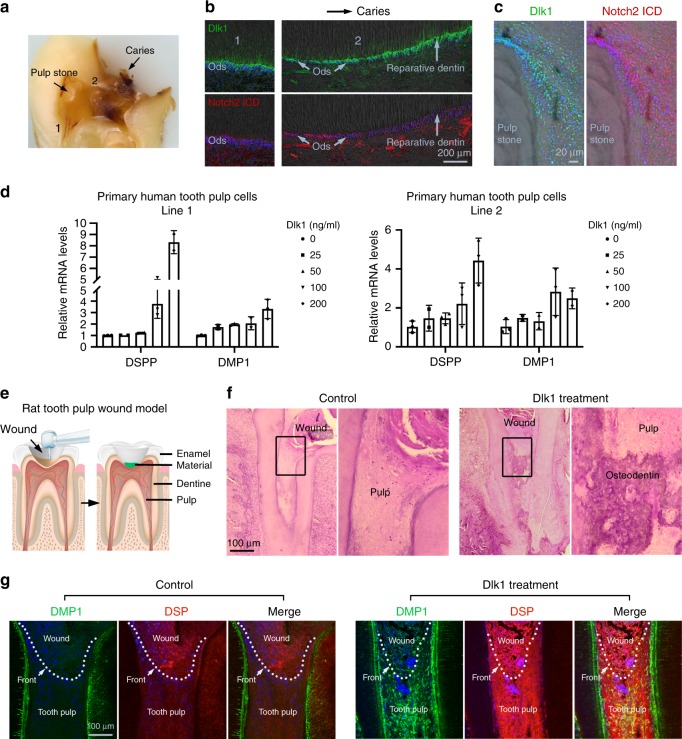
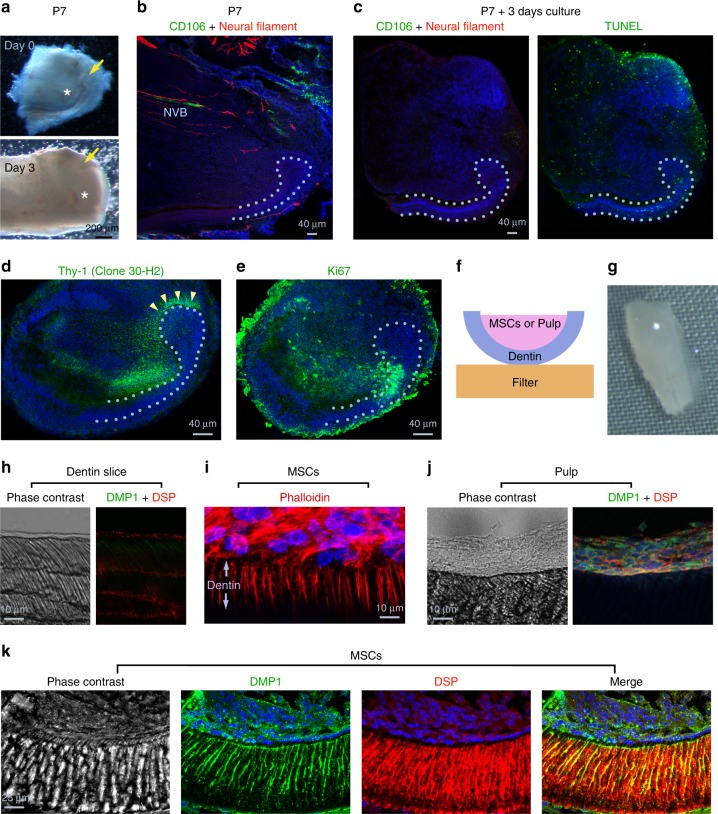
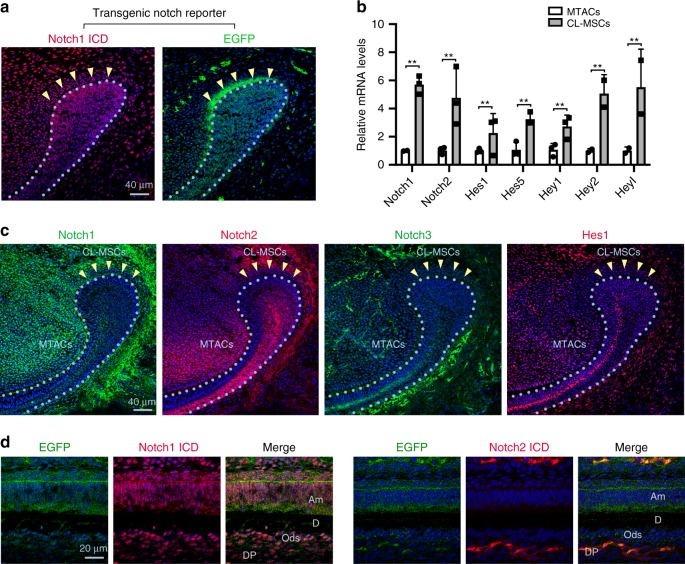
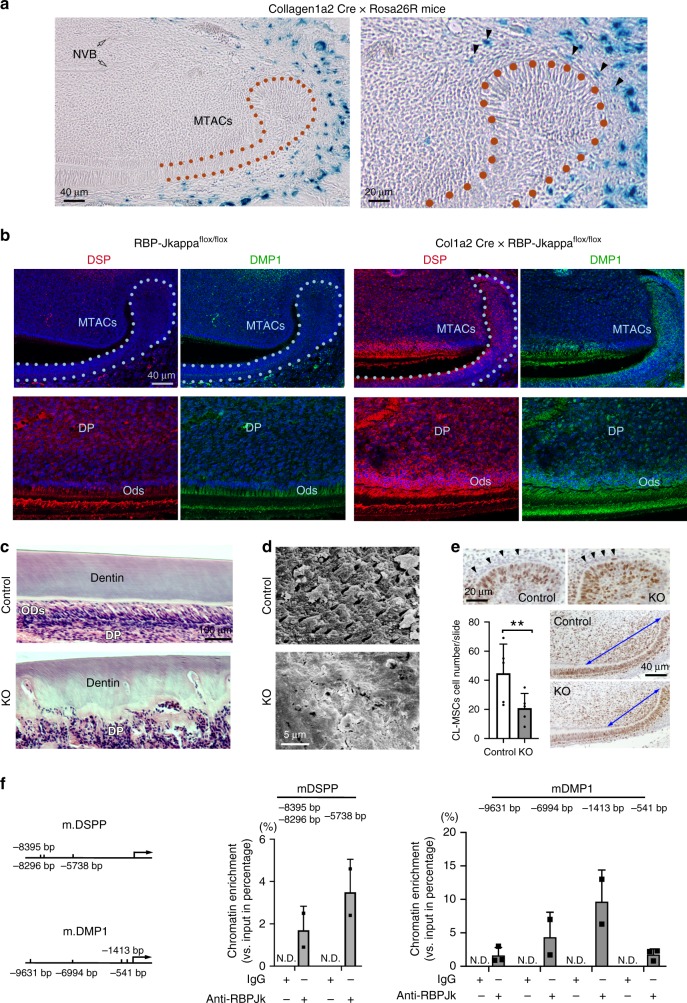
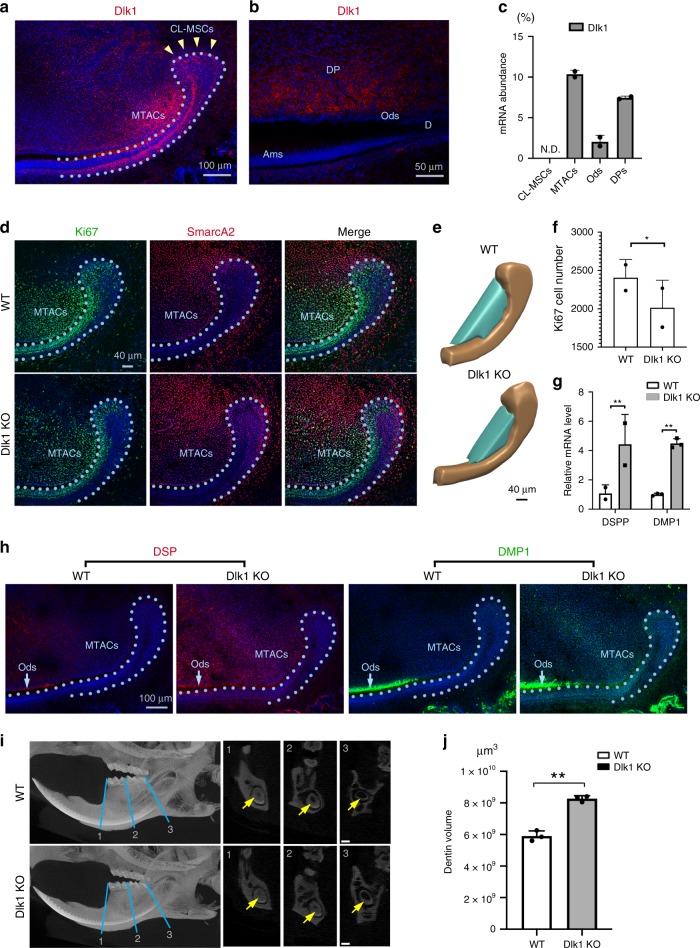
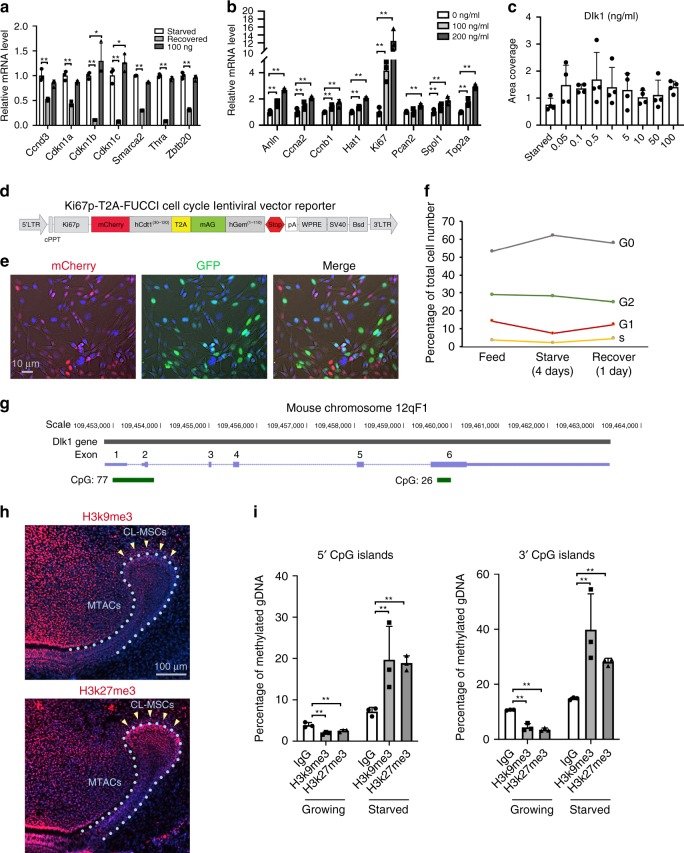
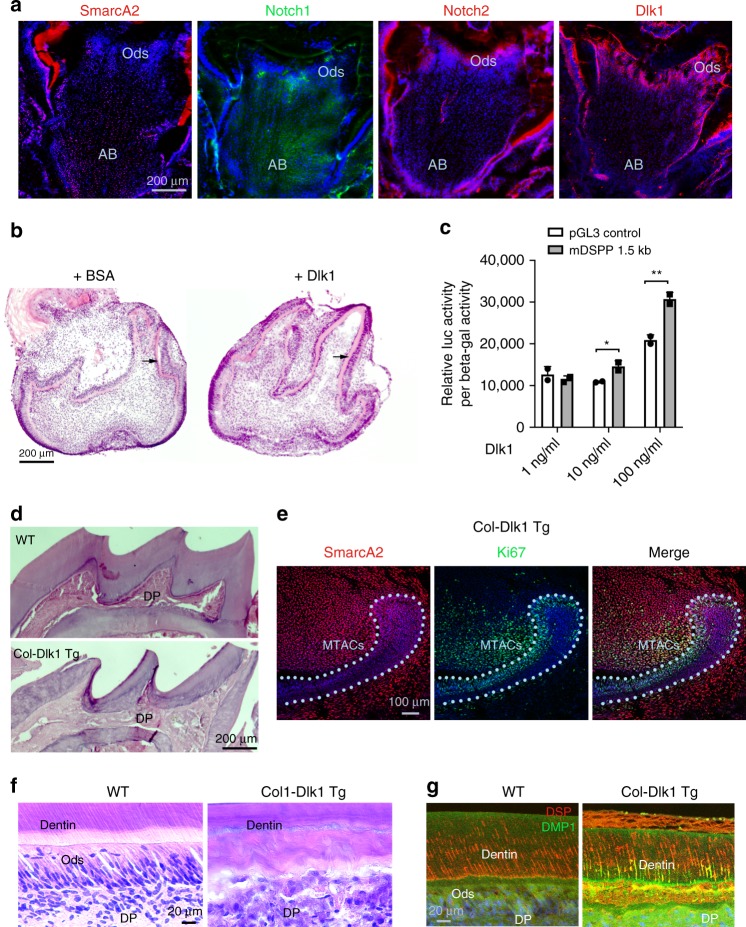
Stem cells (SCs) receive inductive cues from the surrounding microenvironment and cells. Limited molecular evidence has connected tissue-specific mesenchymal stem cells (MSCs) with mesenchymal transit amplifying cells (MTACs). Using mouse incisor as the model, we discover a population of MSCs neibouring to the MTACs and epithelial SCs. With Notch signaling as the key regulator, we disclose molecular proof and lineage tracing evidence showing the distinct MSCs contribute to incisor MTACs and the other mesenchymal cell lineages. MTACs can feedback and regulate the homeostasis and activation of CL-MSCs through Delta-like 1 homolog (Dlk1), which balances MSCs-MTACs number and the lineage differentiation. Dlk1's function on SCs priming and self-renewal depends on its biological forms and its gene expression is under dynamic epigenetic control. Our findings can be validated in clinical samples and applied to accelerate tooth wound healing, providing an intriguing insight of how to direct SCs towards tissue regeneration.
干细胞 (SCs) 从周围的微环境和细胞中接收诱导信号。有限的分子证据将组织特异性间充质干细胞 (MSCs) 与间充质过渡扩增细胞 (MTACs) 联系起来。我们使用小鼠切牙作为模型,发现了一群位于 MTACs 和上皮干细胞附近的 MSCs。以 Notch 信号作为关键调节因子,我们揭示了分子证据和谱系追踪证据,表明不同的 MSCs 有助于切牙 MTACs 和其他间充质细胞谱系。MTACs 可以通过 Delta-like 1 同源物 (Dlk1) 反馈和调节 CL-MSCs 的稳态和激活,从而平衡 MSCs-MTACs 的数量和谱系分化。Dlk1 在干细胞启动和自我更新中的功能取决于其生物形式,其基因表达受动态表观遗传控制。我们的发现可以在临床样本中得到验证,并应用于加速牙齿创伤愈合,为如何指导干细胞向组织再生提供了一个有趣的见解。