Department of Pathology, Montefiore Medical Center, Albert Einstein College of Medicine, Bronx, NY, United States.
Department of Microbiology and Immunology, Montefiore Medical Center, Albert Einstein College of Medicine, Bronx, NY, United States.
Front Immunol. 2019 Jul 25;10:1738. doi: 10.3389/fimmu.2019.01738. eCollection 2019.
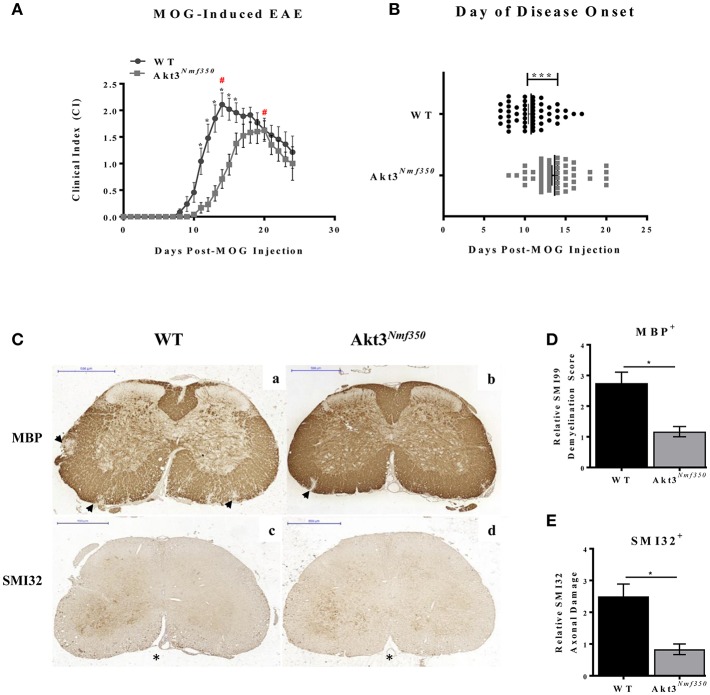
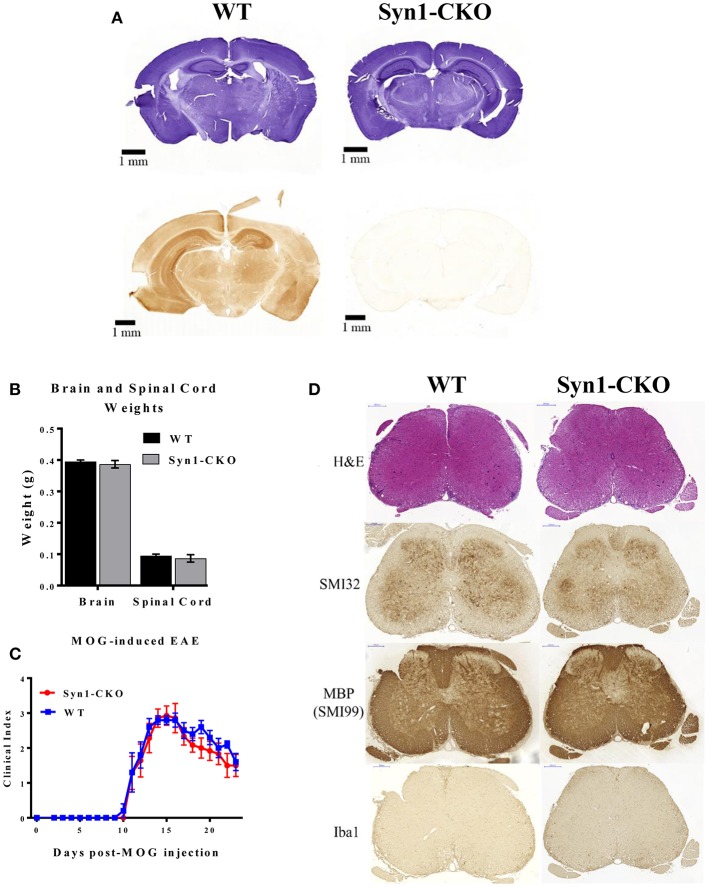
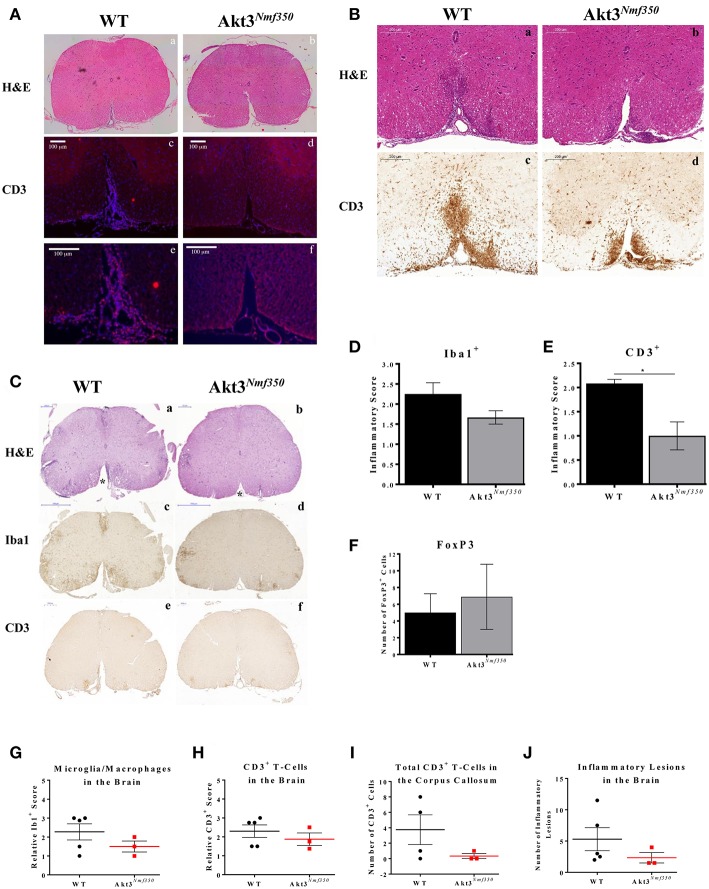
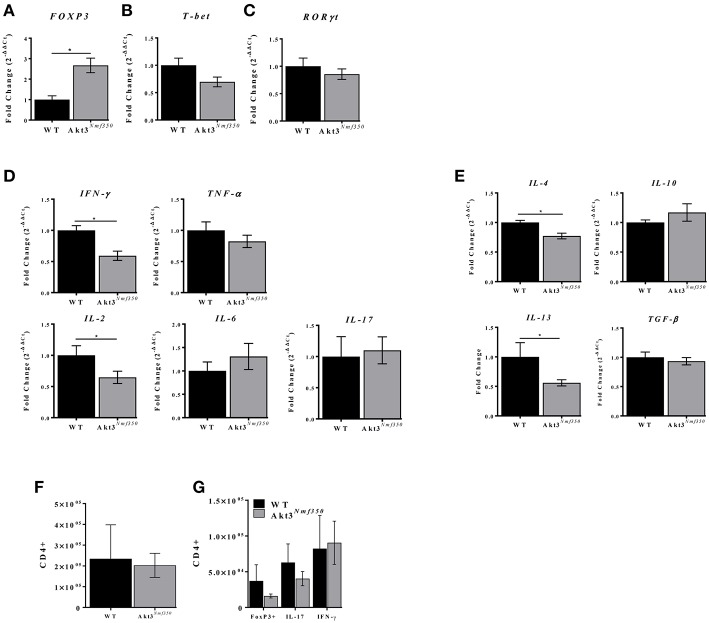
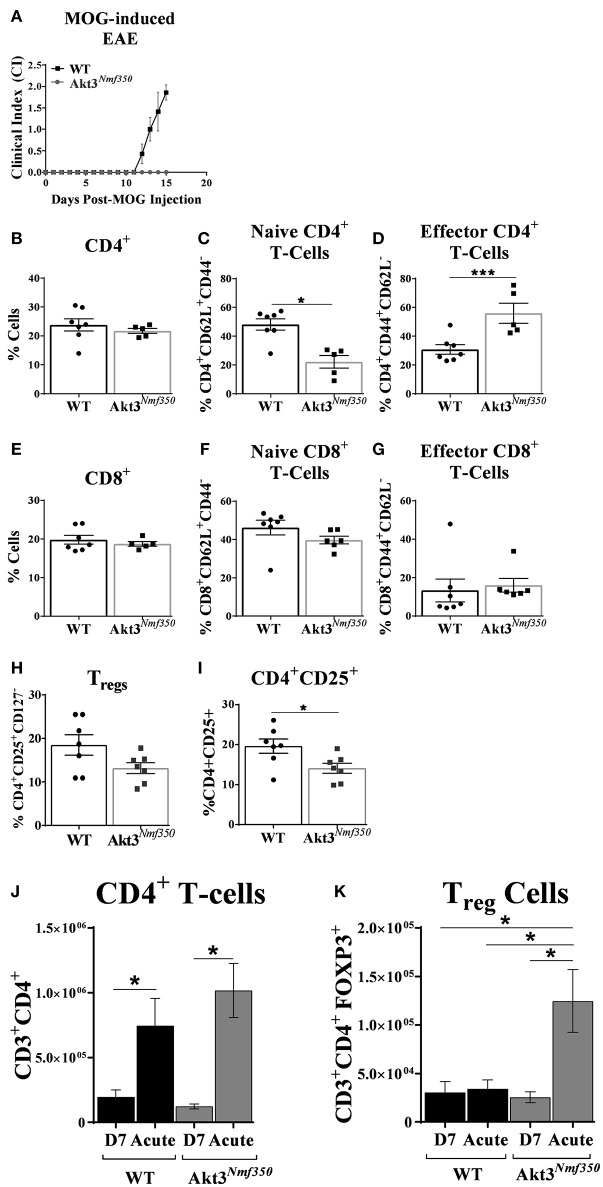
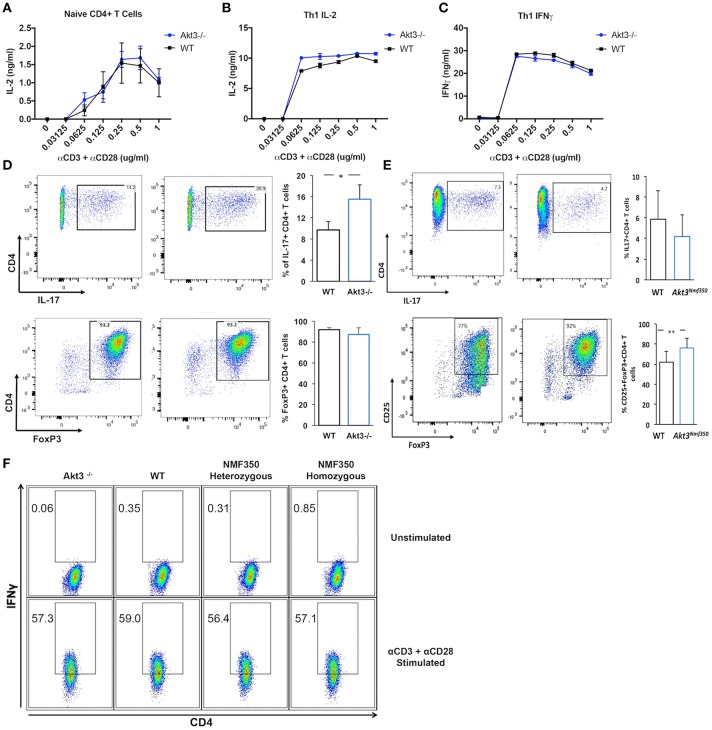
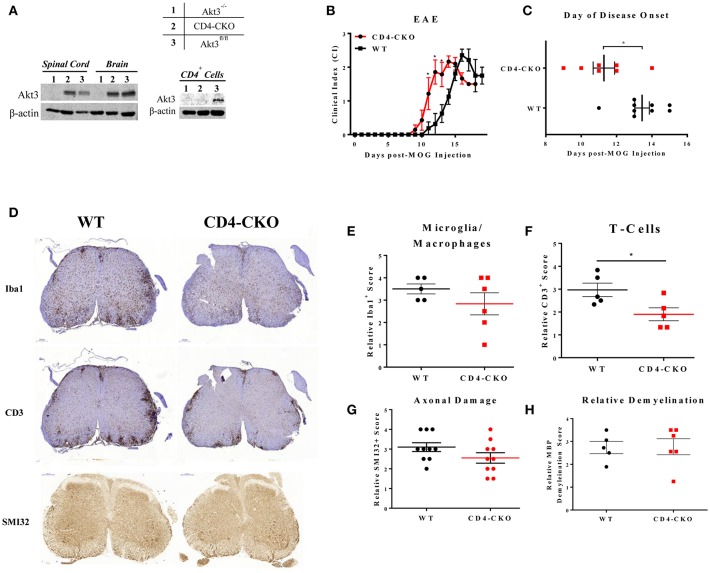
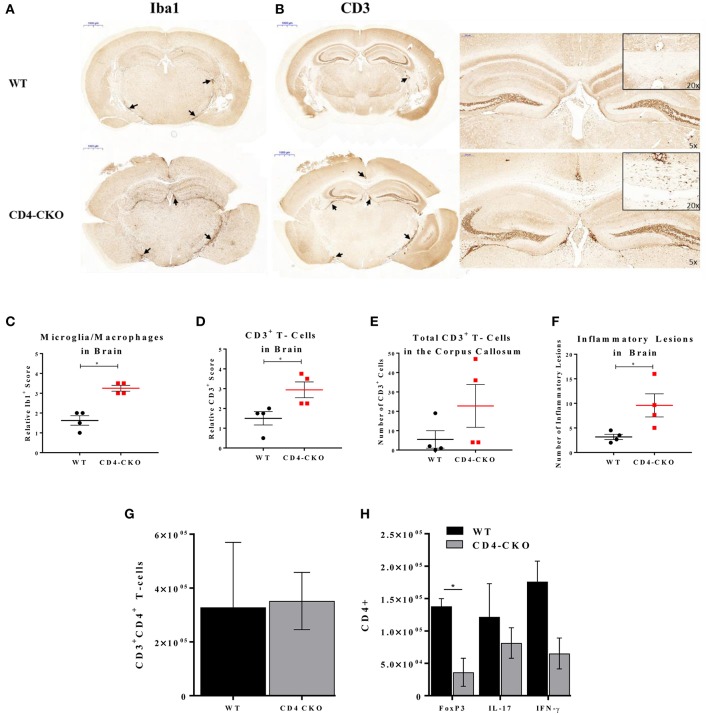
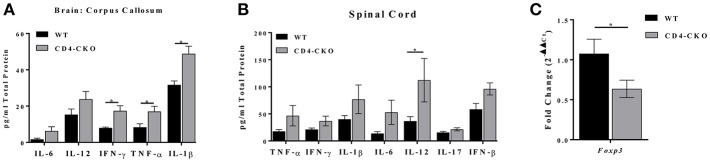
Akt is a serine/threonine protein kinase that plays a major role in regulating multiple cellular processes. While the isoforms Akt1 and Akt2 are involved in apoptosis and insulin signaling, respectively, the role for Akt3 remains uncertain. Akt3 is predominantly expressed in the brain, and total deletion of Akt3 in mice results in a reduction in brain size and neurodegeneration following injury. Previously, we found that Akt3 mice have a significantly worse clinical course during myelin-oligodendrocyte glycoprotein (MOG)-induced experimental autoimmune encephalomyelitis (EAE), an animal model in which autoreactive immune cells enter the CNS, resulting in inflammation, demyelination, and axonal injury. Spinal cords of Akt3 mice are severely demyelinated and have increased inflammation compared to WT, suggesting a neuroprotective role for Akt3 during EAE. To specifically address the role of Akt3 in neuroinflammation and maintaining neuronal integrity, we used several mouse strains with different manipulations to Akt3. During EAE, Akt3 mice (with enhanced Akt3 kinase activity) had lower clinical scores, a lag in disease onset, a delay in the influx of inflammatory cells into the CNS, and less axonal damage compared to WT mice. A significant increased efficiency of differentiation toward FOXP3 expressing iTregs was also observed in Akt3 mice relative to WT. Mice with a conditional deletion of Akt3 in CD4 T-cells had an earlier onset of EAE symptoms, increased inflammation in the spinal cord and brain, and had fewer FOXP3 cells and mRNA expression. No difference in EAE outcome was observed when Akt3 expression was deleted in neurons (Syn1-CKO). These results indicate that Akt3 signaling in T-cells and not neurons is necessary for maintaining CNS integrity during an inflammatory demyelinating disease.
Akt 是一种丝氨酸/苏氨酸蛋白激酶,在调节多种细胞过程中发挥重要作用。虽然 Akt1 和 Akt2 同工型分别参与细胞凋亡和胰岛素信号转导,但 Akt3 的作用尚不确定。Akt3 主要在大脑中表达,Akt3 基因敲除小鼠的大脑体积减小,损伤后神经退行性变。此前,我们发现 Akt3 基因敲除小鼠在髓鞘少突胶质细胞糖蛋白 (MOG) 诱导的实验性自身免疫性脑脊髓炎 (EAE) 中临床病程明显恶化,EAE 是一种自身反应性免疫细胞进入中枢神经系统导致炎症、脱髓鞘和轴突损伤的动物模型。与 WT 相比,Akt3 基因敲除小鼠的脊髓脱髓鞘更严重,炎症增加,表明 Akt3 在 EAE 中具有神经保护作用。为了专门研究 Akt3 在神经炎症和维持神经元完整性中的作用,我们使用了几种不同 Akt3 操作的小鼠品系。在 EAE 期间,与 WT 相比,Akt3 基因敲入小鼠 (增强 Akt3 激酶活性) 的临床评分较低,疾病发作延迟,炎症细胞向中枢神经系统的流入延迟,轴突损伤减少。还观察到 Akt3 基因敲入小鼠向表达 FOXP3 的 iTregs 的分化效率显著提高。CD4 T 细胞中 Akt3 条件性缺失的小鼠 EAE 症状发作更早,脊髓和大脑炎症增加,FOXP3 细胞和 mRNA 表达减少。神经元中 Akt3 表达缺失 (Syn1-CKO) 时,EAE 结果无差异。这些结果表明,在炎症性脱髓鞘疾病中,T 细胞而非神经元中的 Akt3 信号传导对于维持中枢神经系统完整性是必要的。