Alzahrani Naif, Jones Russell, Rizwan Amir, Abdel-Latif Mohamed E
Men, Women and Children's Health, The Medical School, College of Health and Medicine, Australian National University , Canberra, Australia.
Emergency Services Research Group and Health Simulation Centre, School of Medical and Health Sciences, Edith Cowan University , Joondalup, Australia.
Int J Health Care Qual Assur. 2019 Aug 12;32(7):1042-1054. doi: 10.1108/IJHCQA-07-2018-0164.
The purpose of this paper is to perform and report a systematic review of published research on patient safety attitudes of health staff employed in hospital emergency departments (EDs).
DESIGN/METHODOLOGY/APPROACH: An electronic search was conducted of PsychINFO, ProQuest, MEDLINE, EMBASE, PubMed and CINAHL databases. The review included all studies that focussed on the safety attitudes of professional hospital staff employed in EDs.
Overall, the review revealed that the safety attitudes of ED health staff are generally low, especially on teamwork and management support and among nurses when compared to doctors. Conversely, two intervention studies showed the effectiveness of team building interventions on improving the safety attitudes of health staff employed in EDs.
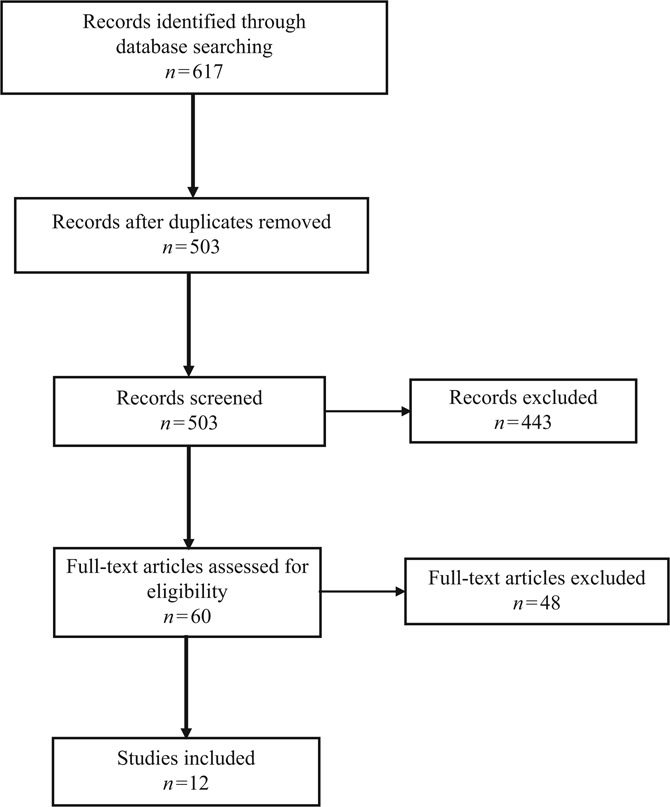
RESEARCH LIMITATIONS/IMPLICATIONS: Six studies met the inclusion criteria, however, most of the studies demonstrated low to moderate methodological quality.
ORIGINALITY/VALUE: Teamwork, communication and management support are central to positive safety attitudes. Teamwork training can improve safety attitudes. Given that EDs are the "front-line" of hospital care and patients within EDs are especially vulnerable to medical errors, future research should focus on the safety attitudes of medical staff employed in EDs and its relationship to medical errors.
本文旨在对已发表的关于医院急诊科医护人员患者安全态度的研究进行系统评价并报告结果。
设计/方法/途径:对PsychINFO、ProQuest、MEDLINE、EMBASE、PubMed和CINAHL数据库进行了电子检索。该评价纳入了所有关注急诊科专业医院工作人员安全态度的研究。
总体而言,评价显示急诊科医护人员的安全态度普遍较低,尤其是在团队合作和管理支持方面,且与医生相比,护士的安全态度更低。相反,两项干预研究表明团队建设干预措施在改善急诊科医护人员安全态度方面具有有效性。
研究局限性/启示:六项研究符合纳入标准,然而,大多数研究的方法学质量为低到中等。
原创性/价值:团队合作、沟通和管理支持对于积极的安全态度至关重要。团队合作培训可以改善安全态度。鉴于急诊科是医院护理的“前线”,且急诊科患者特别容易受到医疗差错的影响,未来的研究应关注急诊科医护人员的安全态度及其与医疗差错的关系。