Wang Xin, Luo Jun-Fei, Qi Lin, Long Qing, Guo Jia, Wang Hong-Hong
Xiangya School of Nursing, Central South University, Changsha, Hunan, People's Republic of China.
The College of Literature and Journalism, Central South University, Changsha, Hunan, People's Republic of China.
Patient Prefer Adherence. 2019 Jul 25;13:1269-1282. doi: 10.2147/PPA.S211668. eCollection 2019.
Self-monitoring of blood glucose (SMBG) is important to the management of diabetes mellitus, yet most patients with type 2 diabetes mellitus (T2DM) do not perform SMBG as recommended. The current status and influential factors of SMBG in China have not been well investigated. This study aimed to describe the present status of SMBG adherence in China and investigate the influential factors based on electronic questionnaires.
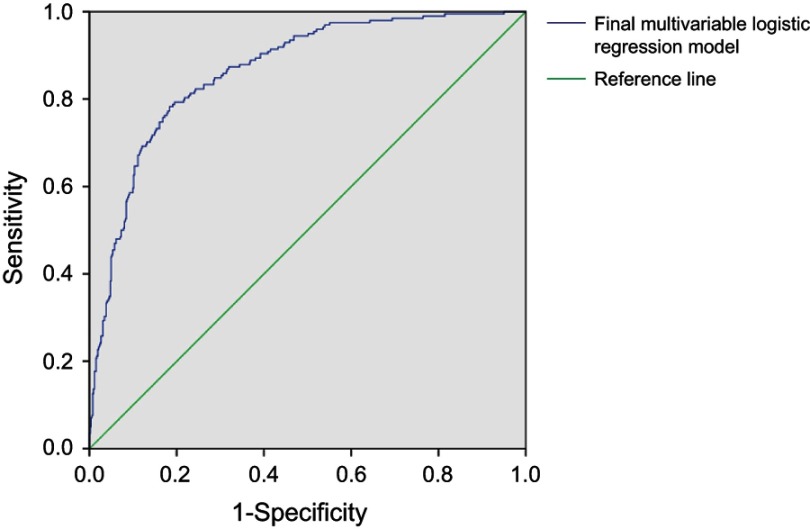
A cross-sectional study was conducted from June to July of 2017 at hospitals in Changsha, China. Seven hundred and twenty-one patients with T2DM completed the information‑motivation‑behavioral (IMB) skills questionnaire and other electronic questionnaires composed of demographic and clinical characteristics as well as diabetes-related and psychological scales. Univariate comparisons and multivariate logistic regression were used to explore the relationships among SMBG adherence and related factors.
Seven hundred and twenty-one patients with valid questionnaires were included. Only 27.5% (198/721) of the patients with T2DM were SMBG adherent based on the guideline of the Chinese Diabetes Society (CDS) in 2017. Among all groups of treatment regimens, the rate of SMBG adherence was highest at 36.6% (82/224) in patients on oral hypoglycaemic drugs (OHAs). In multivariable analysis, the treatment of OHAs (OR =3.731, CI 2.162-6.437) and diet/exercise (OR =3.534, CI 1.841-6.783), the patient having their own blood glucose meter (OR =6.916, CI 4.054-11.800) and a higher education level (OR =3.780, CI 1.688-8.466) were significantly associated with SMBG adherence.
Most Chinese patients with T2DM did not perform SMBG as recommended. The treatment of OHAs and diet/exercise, the patient having their own blood glucose meter, a higher education level and other factors were correlates of SMBG adherence. There is clearly a need for prospective, multicenter, large-scale studies to explore the reasons for patients' failure to practice SMBG adherence.
血糖自我监测(SMBG)对糖尿病管理至关重要,但大多数2型糖尿病(T2DM)患者并未按推荐进行血糖自我监测。中国血糖自我监测的现状及影响因素尚未得到充分研究。本研究旨在描述中国血糖自我监测依从性的现状,并基于电子问卷调查影响因素。
2017年6月至7月在中国长沙的医院进行了一项横断面研究。721例T2DM患者完成了信息-动机-行为(IMB)技能问卷以及由人口统计学和临床特征、糖尿病相关量表及心理量表组成的其他电子问卷。采用单因素比较和多因素logistic回归分析来探讨血糖自我监测依从性与相关因素之间的关系。
纳入721例有效问卷患者。根据2017年中国糖尿病学会(CDS)指南,仅27.5%(198/721)的T2DM患者血糖自我监测依从。在所有治疗方案组中,口服降糖药(OHA)治疗的患者血糖自我监测依从率最高,为36.6%(82/224)。多因素分析中,OHA治疗(OR = 3.731,CI 2.162 - 6.437)和饮食/运动(OR = 3.534,CI 1.841 - 6.783)、患者拥有自己的血糖仪(OR = 6.916,CI 4.054 - 11.800)以及较高的教育水平(OR = 3.780,CI 1.688 - 8.466)与血糖自我监测依从性显著相关。
大多数中国T2DM患者未按推荐进行血糖自我监测。OHA治疗和饮食/运动、患者拥有自己的血糖仪、较高的教育水平等因素与血糖自我监测依从性相关。显然需要进行前瞻性、多中心、大规模研究来探索患者未能践行血糖自我监测依从性的原因。