Valdivia Andrés, Mingo Gabriel, Aldana Varina, Pinto Mauricio P, Ramirez Marco, Retamal Claudio, Gonzalez Alfonso, Nualart Francisco, Corvalan Alejandro H, Owen Gareth I
Faculty of Biological Sciences, Pontificia Universidad Católica de Chile, Santiago, Chile.
Faculty of Medicine, Pontificia Universidad Católica de Chile, Santiago, Chile.
Front Oncol. 2019 Aug 2;9:680. doi: 10.3389/fonc.2019.00680. eCollection 2019.
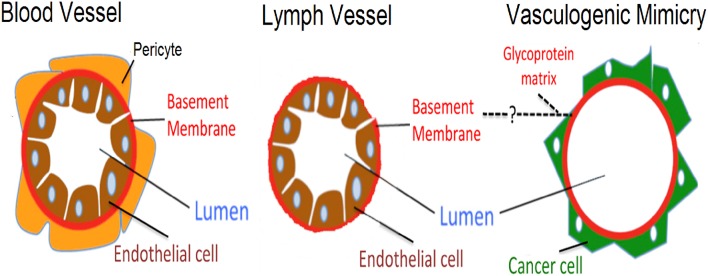
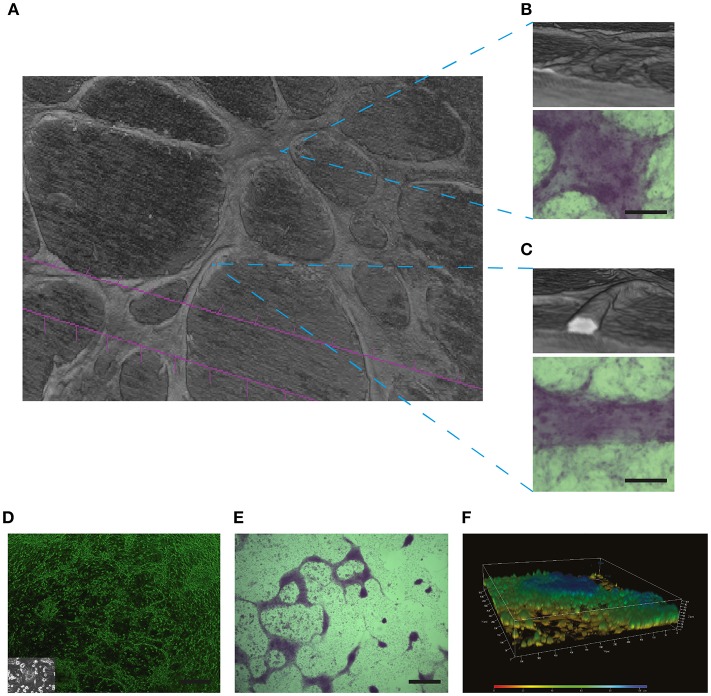
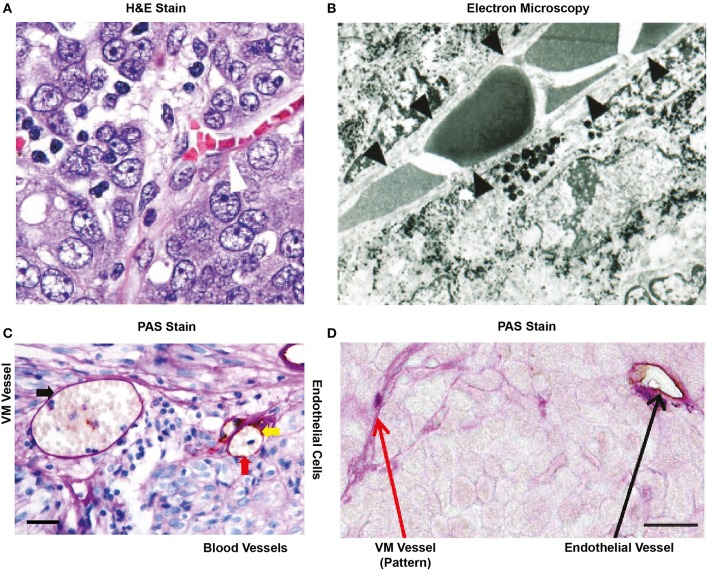
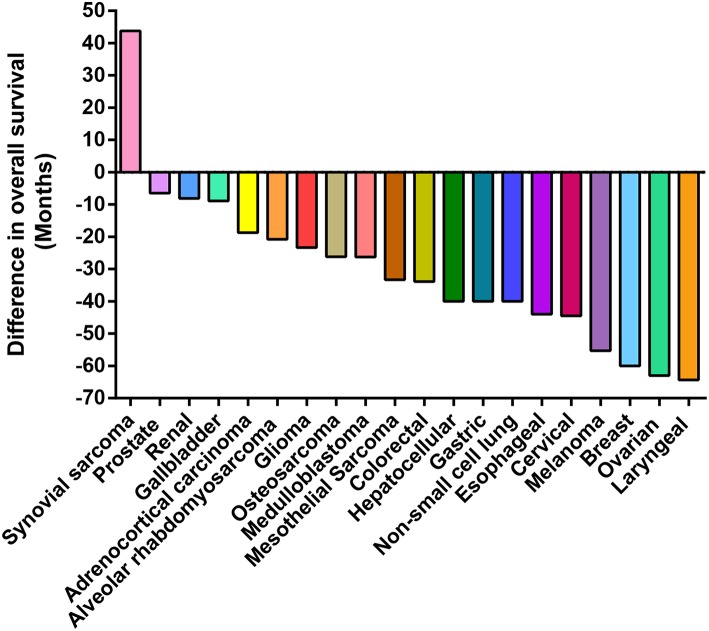
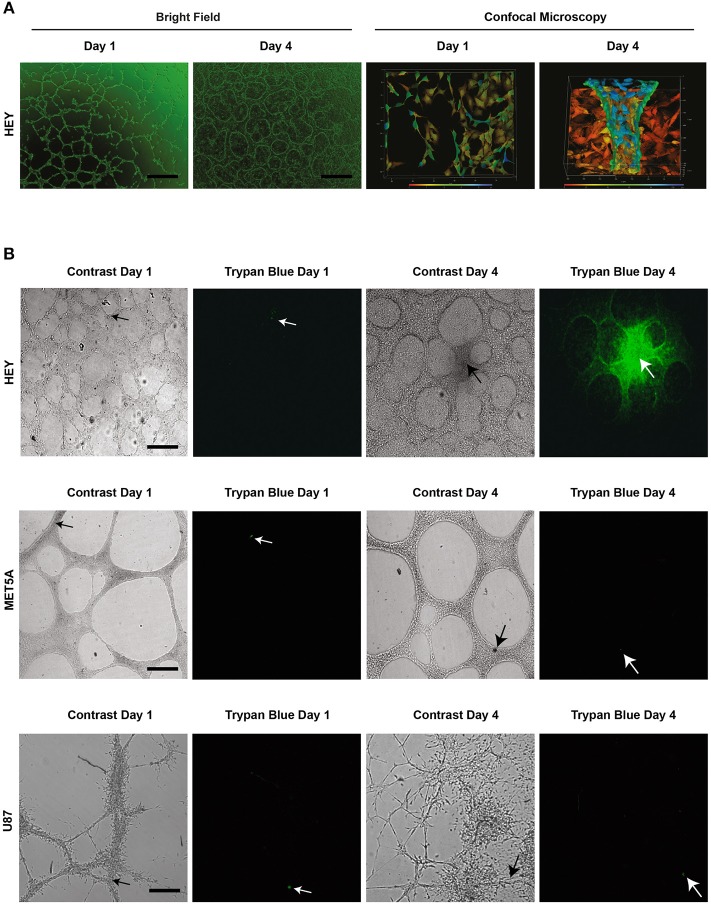
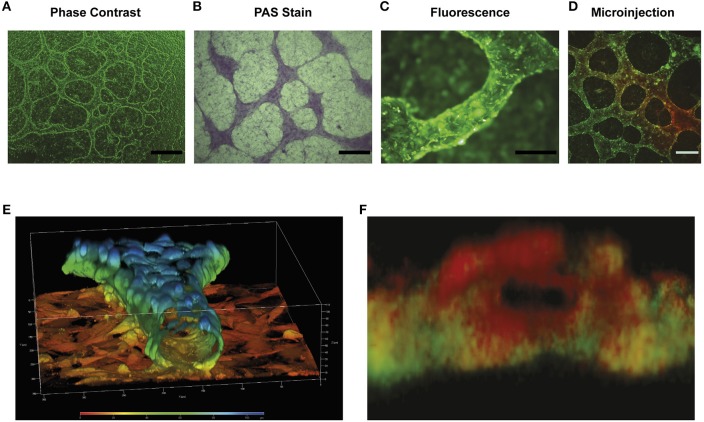
The term vasculogenic mimicry (VM) refers to the capacity of certain cancer cells to form fluid-conducting structures within a tumor in an endothelial cell (EC)-free manner. Ever since its first report by Maniotis in 1999, the existence of VM has been an extremely contentious issue. The overwhelming consensus of the literature suggests that VM is frequently observed in highly aggressive tumors and correlates to lower patient survival. While the presence of VM in animal and patient tumors are claimed upon the strong positive staining for glycoproteins (Periodic Acid Schiff, PAS), it is by no means universally accepted. More controversial still is the existence of an model of VM that principally divides the scientific community. Original reports demonstrated that channels or tubes occur in cancer cell monolayers when cultured in matrigel and that these structures may support fluid movement. However, several years later many papers emerged stating that connections formed between cancer cells grown on matrigel represented VM. We speculate that this became accepted by the cancer research community and now the vast majority of the scientific literature reports both presence and mechanisms of VM based on intercellular connections, not the presence of fluid conducting tubes. In this opinion paper, we call upon evidence from an exhaustive review of the literature and original data to argue that the majority of studies presented as VM do not correspond to this phenomenon. Furthermore, we raise doubts on the validity of concluding the presence of VM in patient samples and animal models based solely on the presence of PAS+ staining. We outline the requirement for new biomarkers of VM and present criteria by which VM should be defined and .
血管生成拟态(VM)这一术语是指某些癌细胞能够在肿瘤内以无内皮细胞(EC)的方式形成液体传导结构。自1999年马尼奥蒂斯首次报道以来,VM的存在一直是一个极具争议的问题。文献中的压倒性共识表明,VM在高侵袭性肿瘤中经常被观察到,并且与患者较低的生存率相关。虽然动物和患者肿瘤中VM的存在是基于糖蛋白(过碘酸希夫反应,PAS)的强阳性染色,但这绝不是被普遍接受的。更具争议的是VM模型的存在,这在科学界主要形成了分歧。最初的报告表明,癌细胞单层在基质胶中培养时会出现通道或管,并且这些结构可能支持液体流动。然而,几年后出现了许多论文称,在基质胶上生长的癌细胞之间形成的连接代表VM。我们推测这已被癌症研究界所接受,现在绝大多数科学文献都是基于细胞间连接而非液体传导管来报道VM的存在及其机制。在这篇观点论文中,我们依据对文献的详尽综述和原始数据中的证据进行论证,即大多数被视为VM的研究并不符合这一现象。此外,我们对仅基于PAS +染色就得出患者样本和动物模型中存在VM的结论的有效性提出质疑。我们概述了VM新生物标志物的要求,并提出了定义和界定VM应依据的标准。