Department of Pharmacology, University of Michigan School of Medicine, Ann Arbor, United States.
Cardiovascular Research Institute, University of California, San Francisco, San Francisco, United States.
Elife. 2019 Aug 21;8:e48167. doi: 10.7554/eLife.48167.
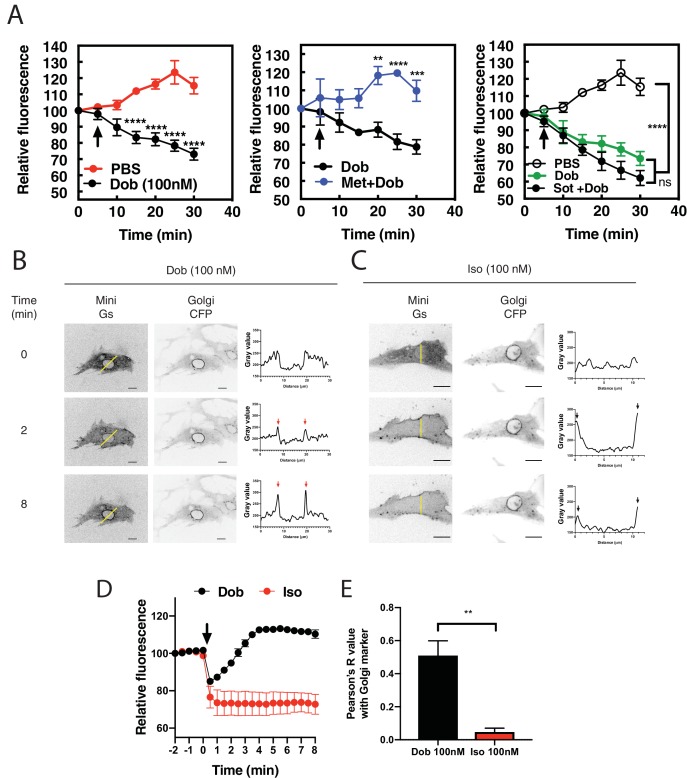
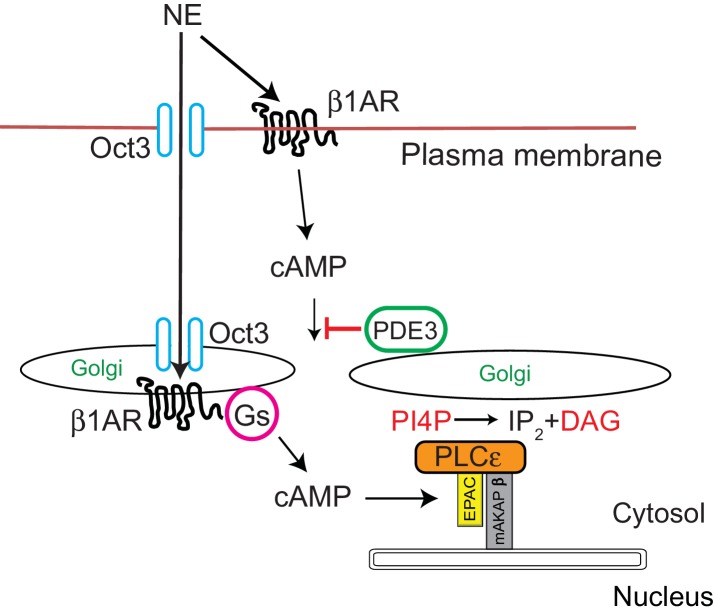
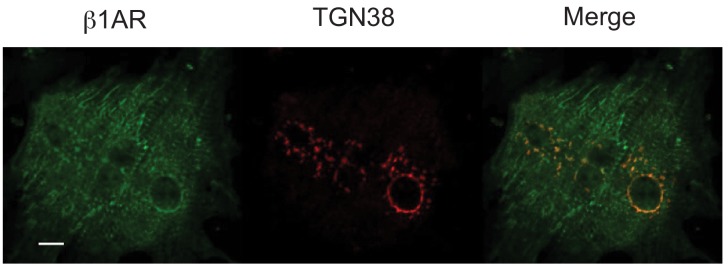
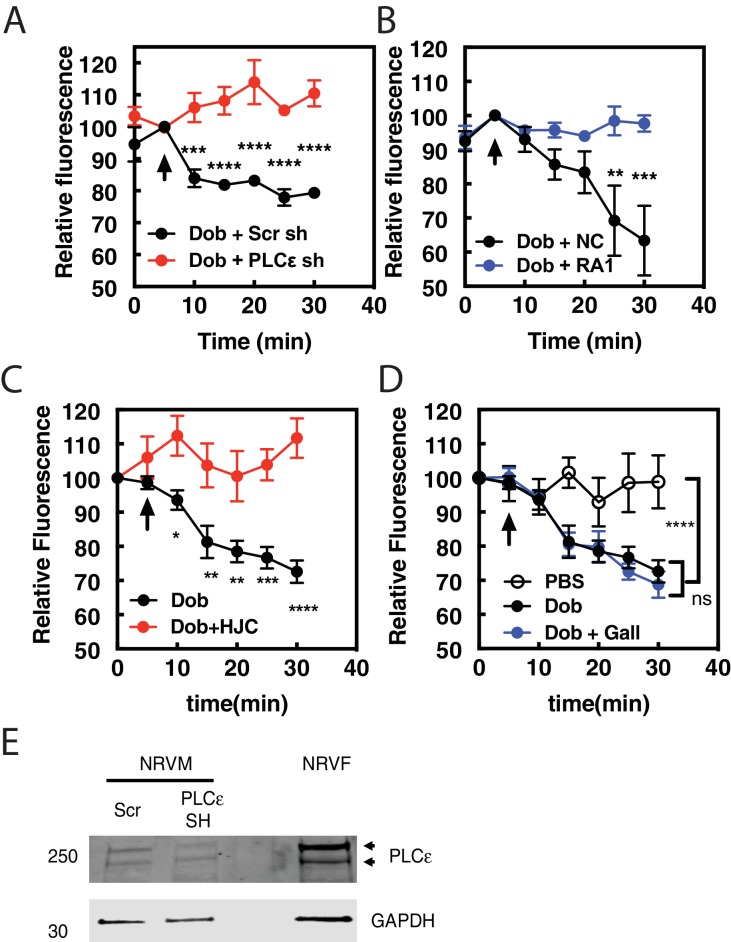
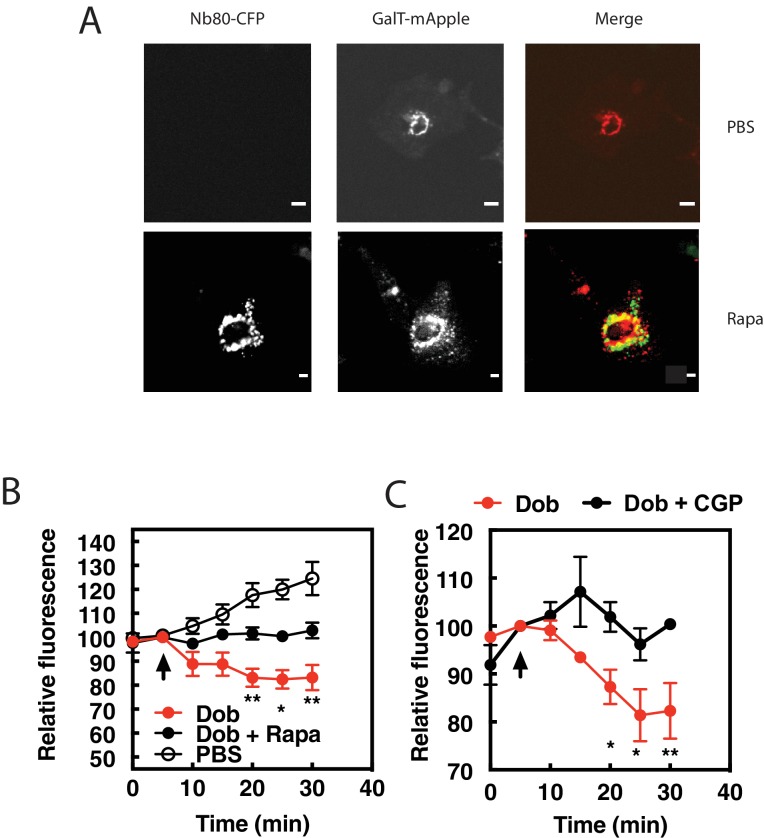
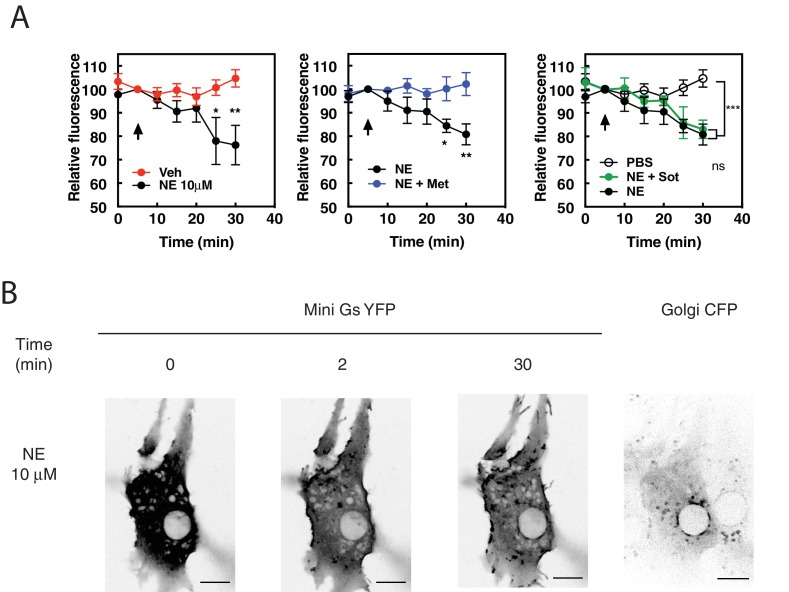
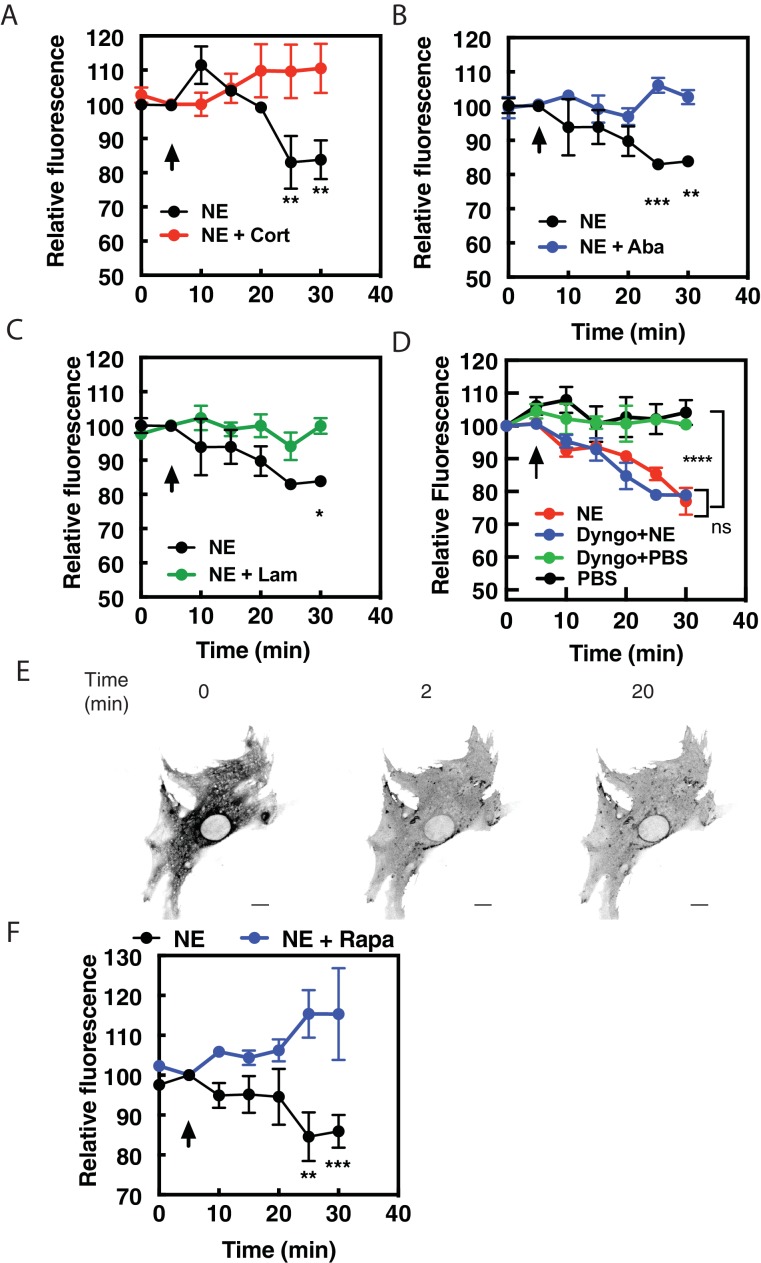
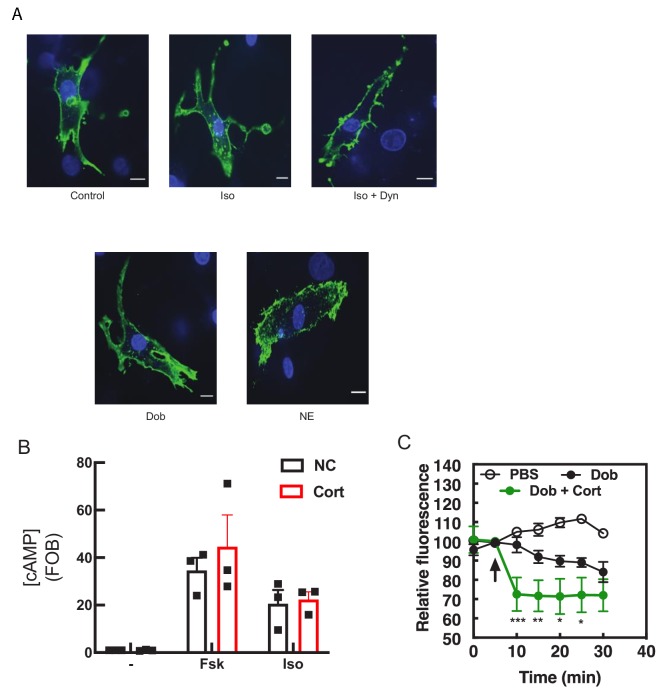
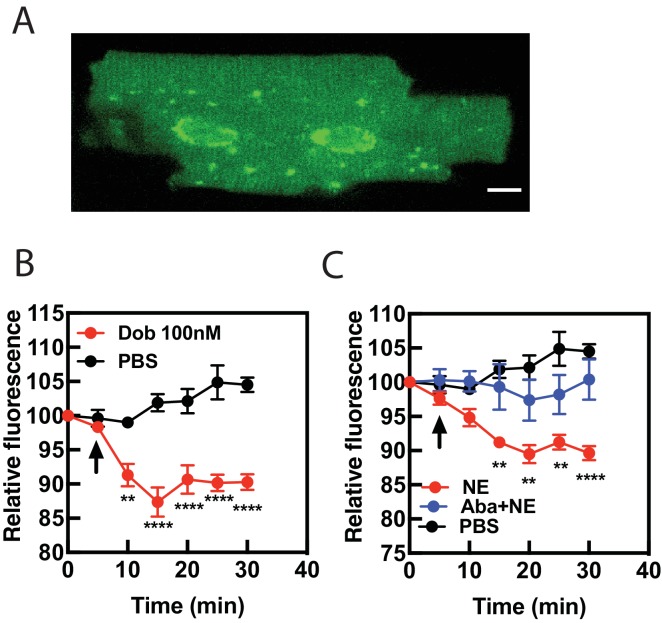
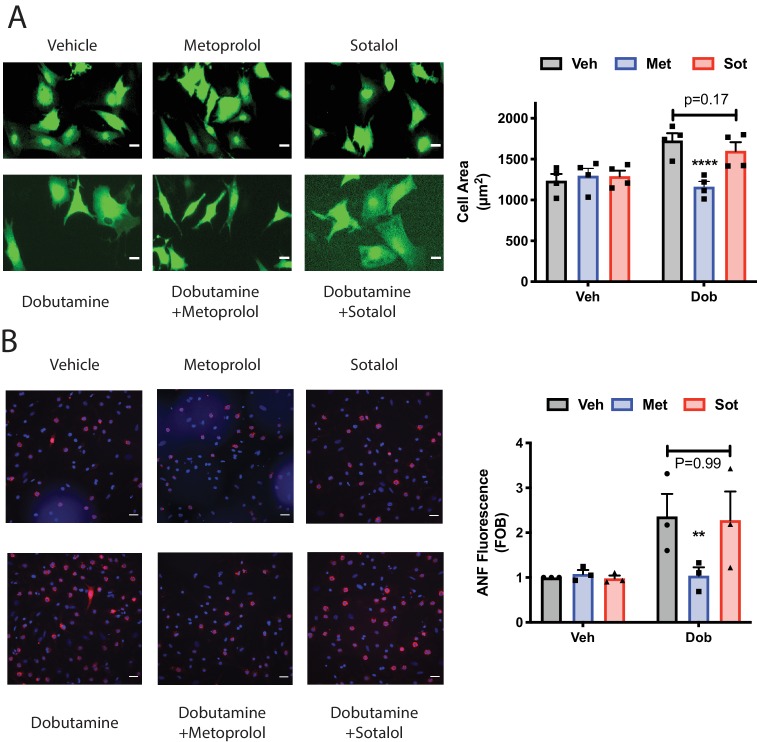
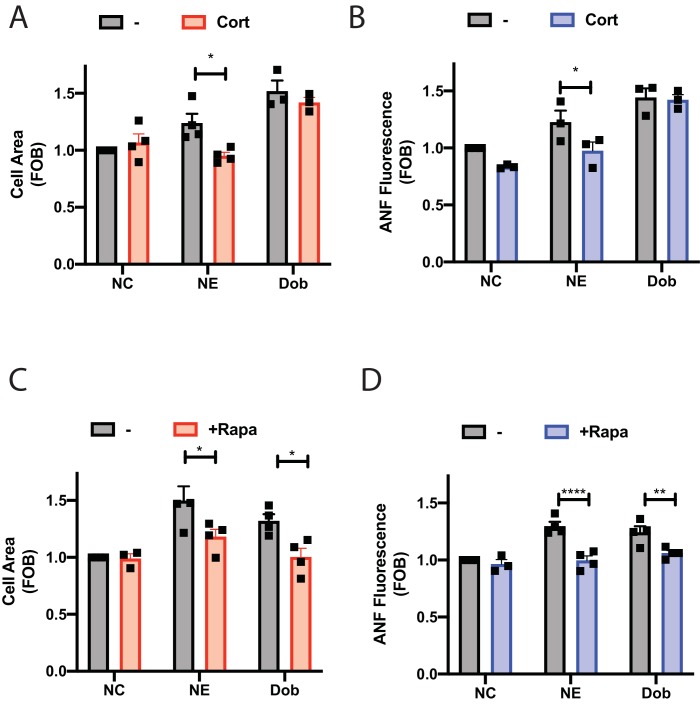
Increased adrenergic tone resulting from cardiovascular stress leads to development of heart failure, in part, through chronic stimulation of β1 adrenergic receptors (βARs) on cardiac myocytes. Blocking these receptors is part of the basis for β-blocker therapy for heart failure. Recent data demonstrate that G protein-coupled receptors (GPCRs), including βARs, are activated intracellularly, although the biological significance is unclear. Here we investigated the functional role of Golgi βARs in rat cardiac myocytes and found they activate Golgi localized, prohypertrophic, phosphoinositide hydrolysis, that is not accessed by cell surface βAR stimulation. This pathway is accessed by the physiological neurotransmitter norepinephrine (NE) via an Oct3 organic cation transporter. Blockade of Oct3 or specific blockade of Golgi resident β1ARs prevents NE dependent cardiac myocyte hypertrophy. This clearly defines a pathway activated by internal GPCRs in a biologically relevant cell type and has implications for development of more efficacious β-blocker therapies.
心血管应激导致肾上腺素能张力增加,导致心力衰竭的发展,部分原因是通过对心肌细胞上的β1肾上腺素能受体(βAR)的慢性刺激。阻断这些受体是心力衰竭β受体阻滞剂治疗的基础部分。最近的数据表明,G 蛋白偶联受体(GPCR),包括βAR,在细胞内被激活,尽管其生物学意义尚不清楚。在这里,我们研究了大鼠心肌细胞中高尔基体βAR 的功能作用,发现它们激活了高尔基体定位的、促肥大的、磷酸肌醇水解,而细胞表面βAR 刺激无法进入该途径。该途径通过生理神经递质去甲肾上腺素(NE)通过 Oct3 有机阳离子转运蛋白进入。阻断 Oct3 或特异性阻断高尔基体驻留的β1AR 可防止 NE 依赖性心肌细胞肥大。这清楚地定义了一种在生物学上相关的细胞类型中被内部 GPCR 激活的途径,这对开发更有效的β受体阻滞剂治疗具有重要意义。