Departamento de Biología, Facultad de Química, Universidad Nacional Autónoma de México, Ciudad de México 04510, Mexico.
Departamento de Fisiopatología Cardio-Renal, Instituto Nacional de Cardiología Ignacio Chávez, Ciudad de México 14080, Mexico.
Biomolecules. 2019 Aug 22;9(9):404. doi: 10.3390/biom9090404.
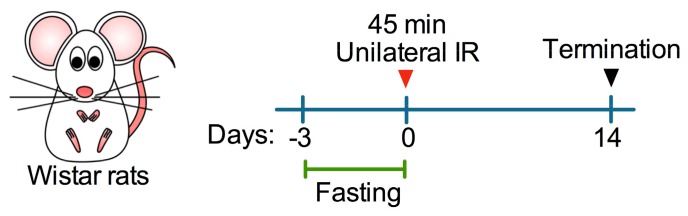
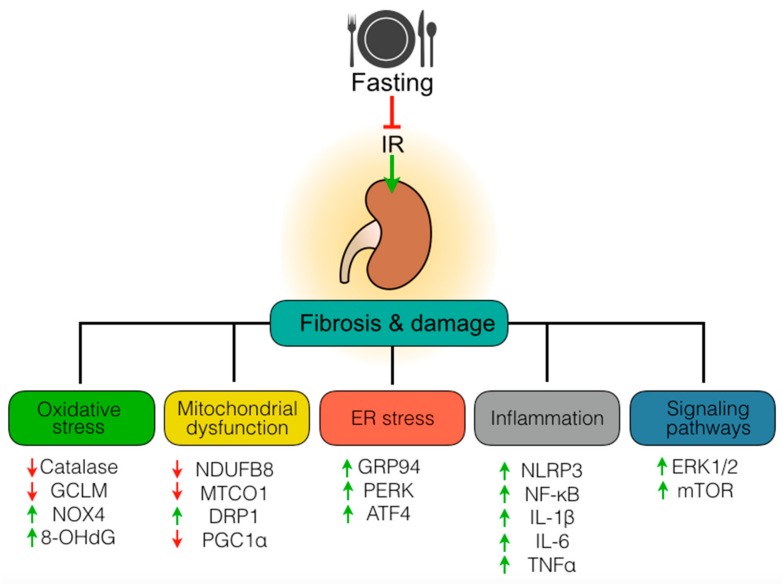
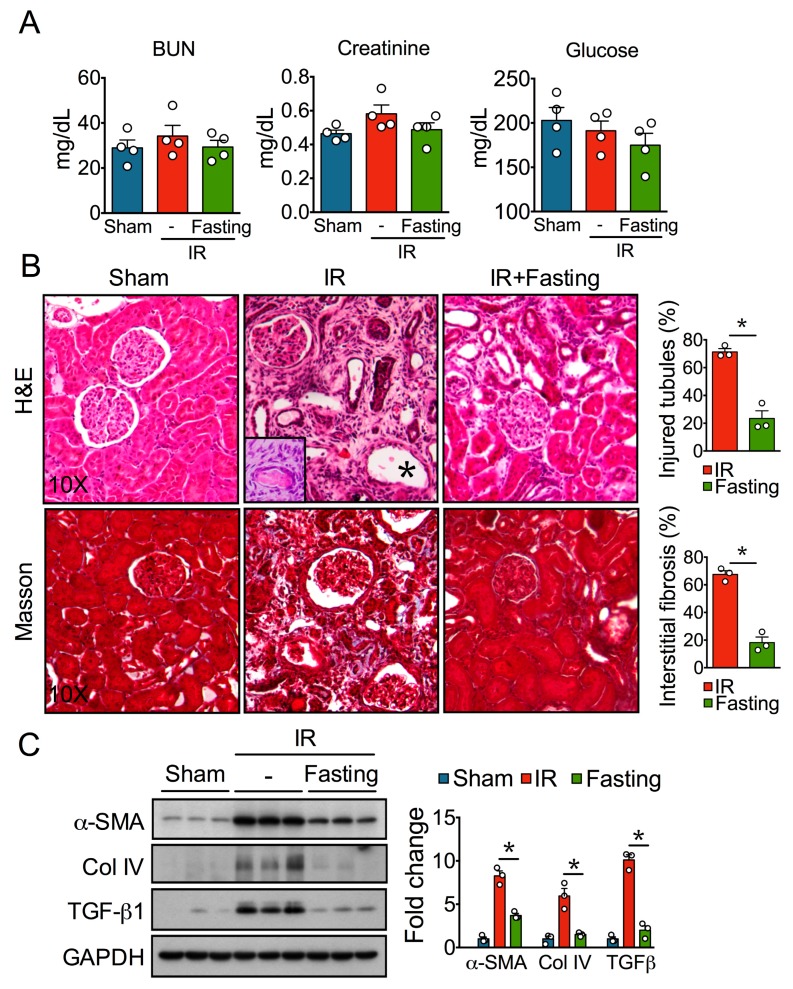
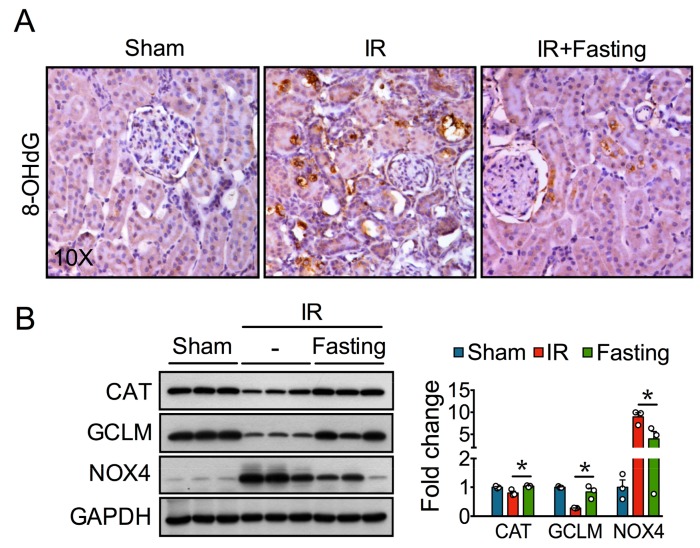
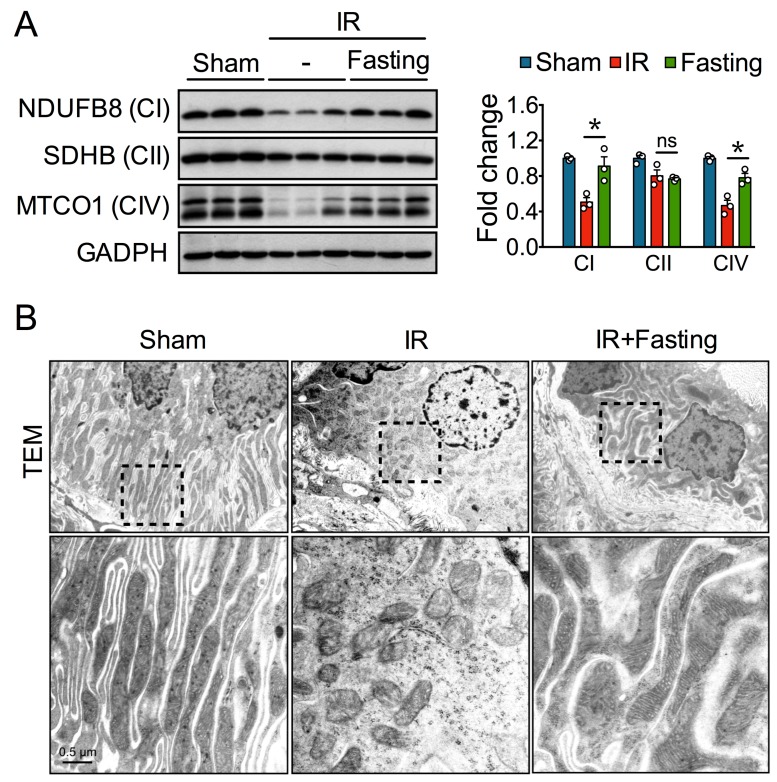
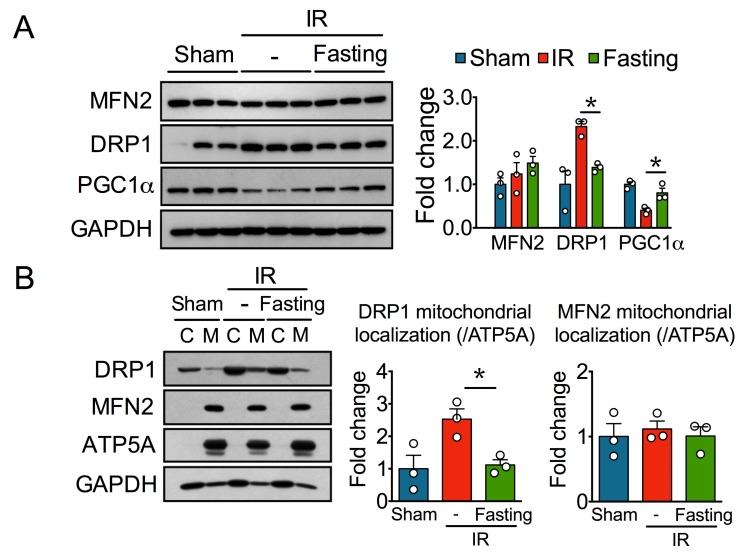
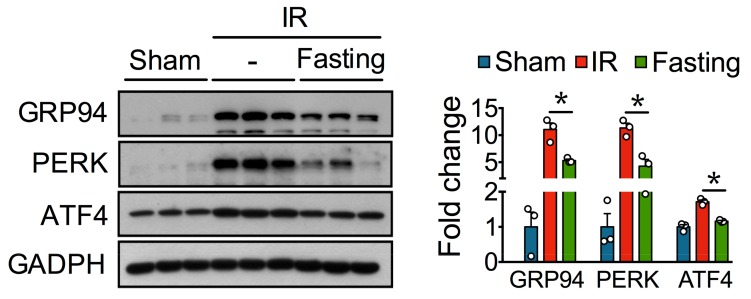
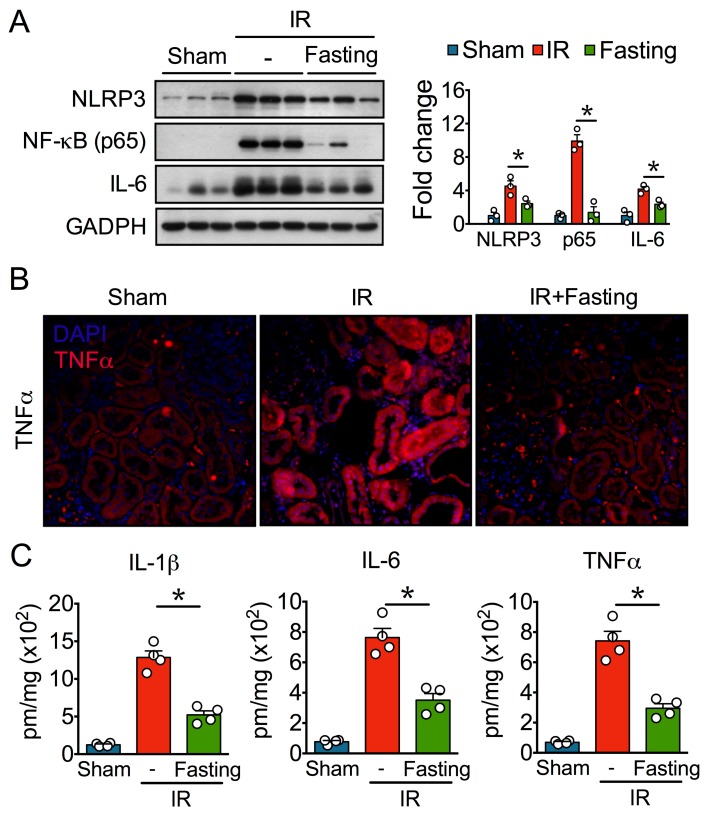
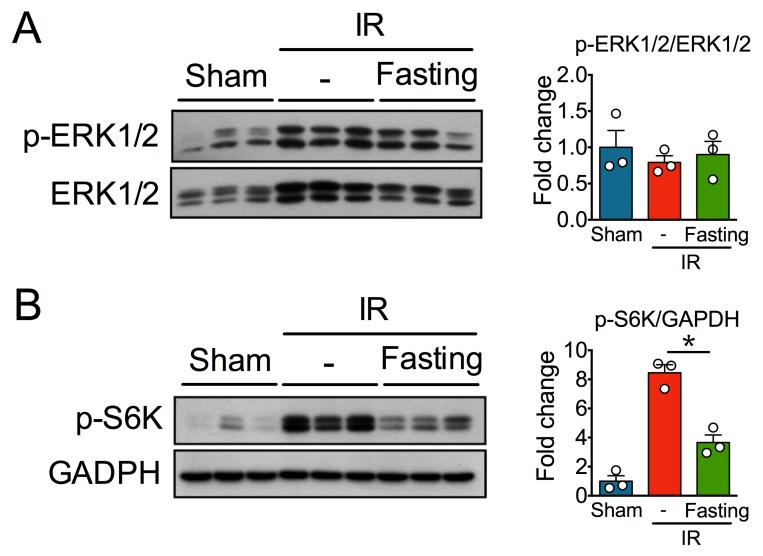
Ischemia-reperfusion injury of the kidney may lead to renal fibrosis through a combination of several mechanisms. We recently demonstrated that fasting protects the rat kidney against oxidative stress and mitochondrial dysfunction in early acute kidney injury, and also against fibrosis development. Here we show that preoperative fasting preserves redox status and mitochondrial homeostasis at the chronic phase of damage after severe ischemia. Also, the protective effect of fasting coincides with the suppression of inflammation and endoplasmic reticulum stress, as well as the down-regulation of the mechanistic target of rapamycin (mTOR) and extracellular signal-regulated kinase 1/2 (ERK1/2) signaling pathways in the fibrotic kidney. Our results demonstrate that fasting targets multiple pathophysiological mechanisms to prevent renal fibrosis and damage that results after renal ischemia-reperfusion injury.
肾缺血再灌注损伤可通过多种机制导致肾纤维化。我们最近的研究表明,禁食可保护大鼠肾脏免受早期急性肾损伤中的氧化应激和线粒体功能障碍的影响,也可防止纤维化的发展。在这里,我们显示术前禁食可在严重缺血后损伤的慢性期维持氧化还原状态和线粒体动态平衡。此外,禁食的保护作用与抑制炎症和内质网应激以及下调纤维化肾脏中的雷帕霉素靶蛋白 (mTOR) 和细胞外信号调节激酶 1/2 (ERK1/2) 信号通路有关。我们的研究结果表明,禁食可针对多种病理生理机制来预防肾缺血再灌注损伤后的肾纤维化和损伤。