University College Cork, Sensing & Separation Group, School of Chemistry and life Science Interface, Tyndall National Institute, T12R5CP Cork, Ireland.
Biosensors (Basel). 2019 Aug 23;9(3):102. doi: 10.3390/bios9030102.
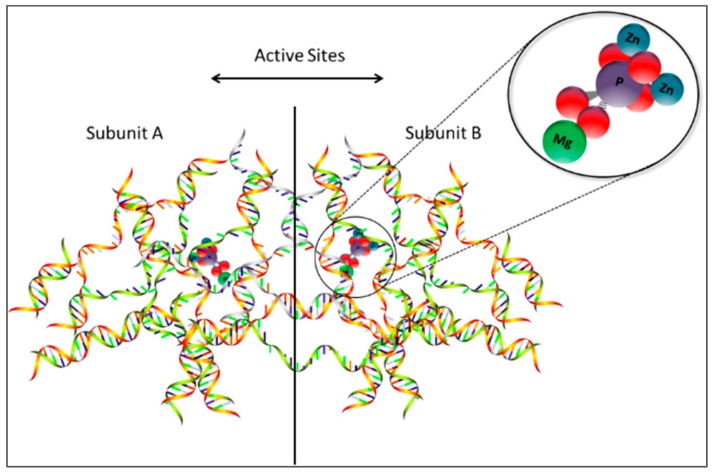
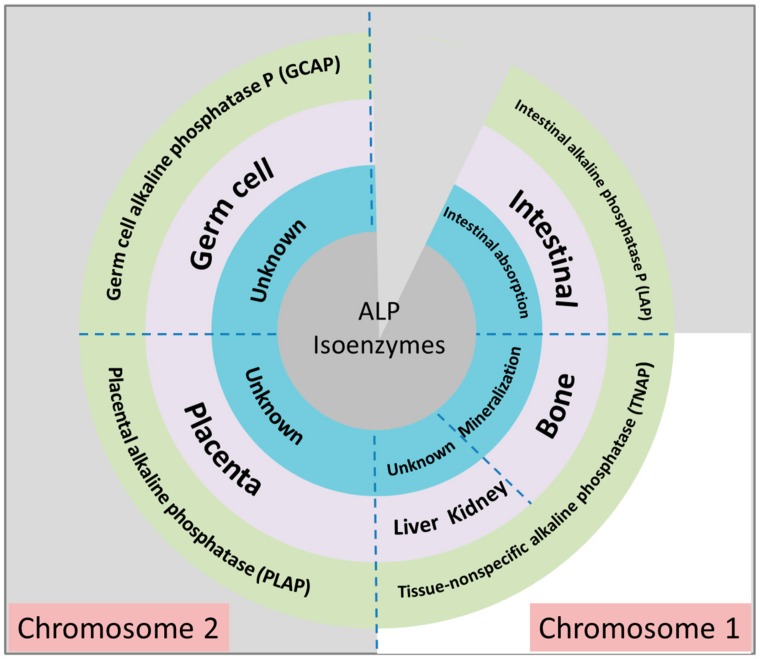
Alkaline phosphatase (ALP), which catalyzes the dephosphorylation process of proteins, nucleic acids, and small molecules, can be found in a variety of tissues (intestine, liver, bone, kidney, and placenta) of almost all living organisms. This enzyme has been extensively used as a biomarker in enzyme immunoassays and molecular biology. ALP is also one of the most commonly assayed enzymes in routine clinical practice. Due to its close relation to a variety of pathological processes, ALP's abnormal level is an important diagnostic biomarker of many human diseases, such as liver dysfunction, bone diseases, kidney acute injury, and cancer. Therefore, the development of convenient and reliable assay methods for monitoring ALP activity/level is extremely important and valuable, not only for clinical diagnoses but also in the area of biomedical research. This paper comprehensively reviews the strategies of optical and electrochemical detection of ALP and discusses the electrochemical techniques that have been addressed to make them suitable for ALP analysis in cell culture.
碱性磷酸酶(ALP)能够催化蛋白质、核酸和小分子的去磷酸化过程,几乎存在于所有生物体的各种组织(肠道、肝脏、骨骼、肾脏和胎盘)中。这种酶已被广泛用作酶免疫分析和分子生物学中的生物标志物。ALP 也是常规临床实践中最常检测的酶之一。由于其与多种病理过程密切相关,ALP 的异常水平是许多人类疾病(如肝功能障碍、骨骼疾病、急性肾损伤和癌症)的重要诊断生物标志物。因此,开发用于监测 ALP 活性/水平的便捷可靠的检测方法非常重要且有价值,不仅可用于临床诊断,也可用于生物医学研究领域。本文全面综述了光学和电化学检测 ALP 的策略,并讨论了电化学技术,以使其适用于细胞培养中的 ALP 分析。