Department of Internal Medicine, College of Medicine and Life Sciences, University of Toledo, Toledo, OH 43614, USA.
Division of Gastroenterology and Hepatology, Health Science Center at Houston, The University of Texas, Houston, TX 77030, USA.
Medicina (Kaunas). 2019 Aug 23;55(9):526. doi: 10.3390/medicina55090526.
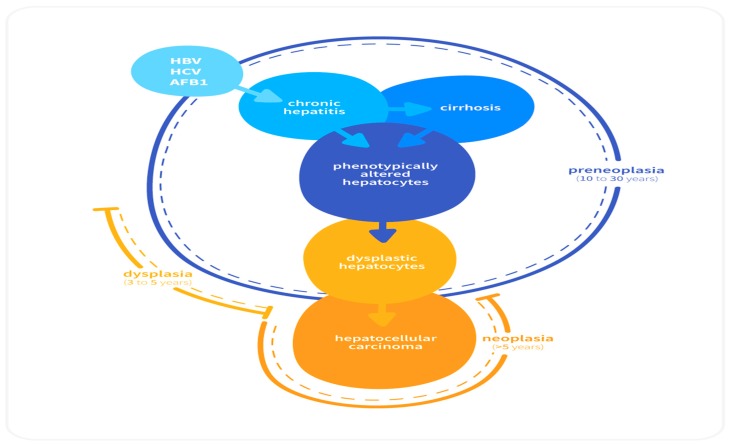
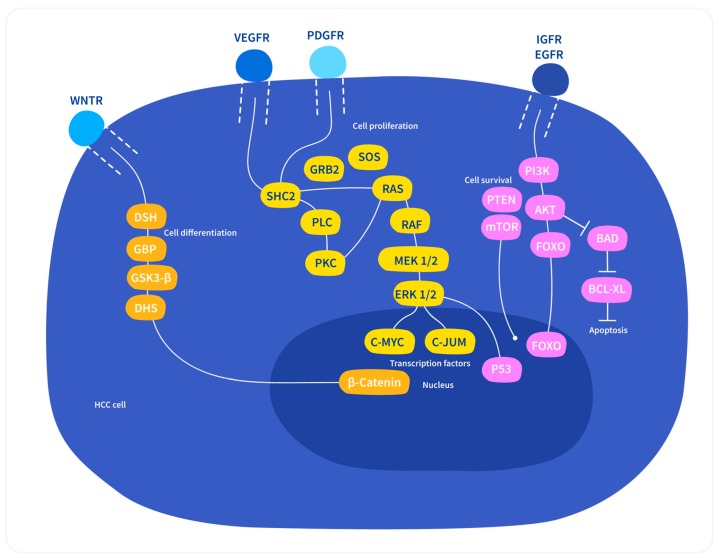
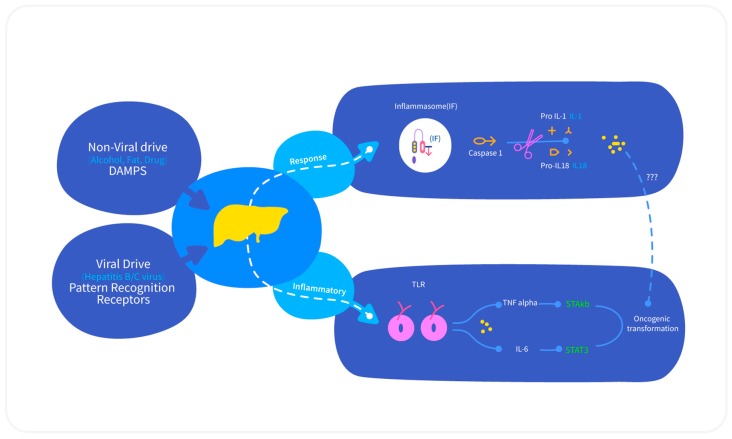
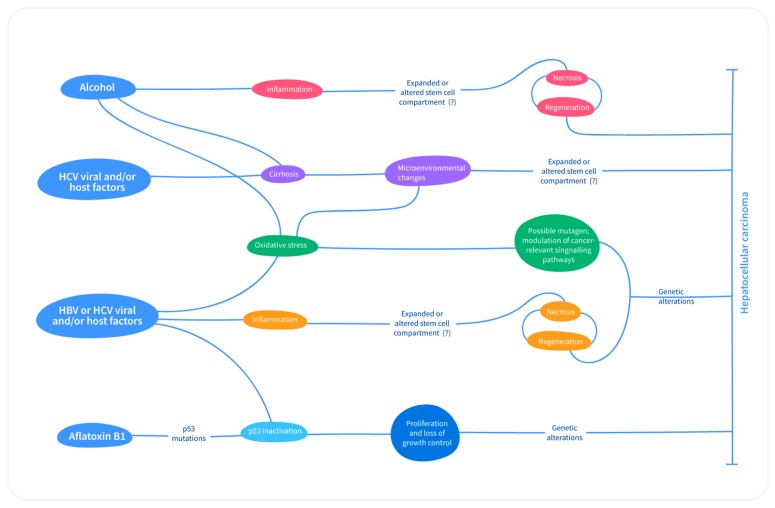
Hepatocellular carcinoma (HCC) is one of the most common and lethal malignant tumors worldwide. HCC is a complex process that is associated with several etiological factors, which in turn result in aberrant activation of different cellular and molecular pathways and the disruption of balance between activation and inactivation of protooncogenes and tumor suppressor genes, respectively. Since HCC most often occurs in the setting of a diseased or cirrhotic liver and most of the patients are diagnosed at the late stage of disease, prognosis is generally poor. At present, limited treatment options with marginal clinical benefits are available. Systemic therapy, particularly in the form of conventional cytotoxic drugs, are generally ineffective. In recent years, molecular-targeted therapies have been clinically used to treat various cancers, including liver cancer. This approach inhibits the growth of tumor cells by interfering with molecules that are involved in carcinogenesis, which makes it more selective and specific than cytotoxic chemotherapy. Many clinical trials have been carried out while using molecular targeted drugs in advanced HCC with many more in progress. The clinical trials in HCC to date have evaluated a single-targeted therapy alone, or two or more targeted therapies in parallel. The aim of this review is to provide insight of various molecular mechanisms, leading to HCC development and progression, and also the range of experimental therapeutics for patients with advanced HCC. The review will summarize different clinical trials data the successes and failures of these treatments, as well as the most effective and approved drugs designed against HCC.
肝细胞癌(HCC)是全球最常见和最致命的恶性肿瘤之一。HCC 是一个复杂的过程,与多种病因因素有关,这些因素反过来导致不同细胞和分子途径的异常激活,以及原癌基因和肿瘤抑制基因的激活和失活之间的平衡分别被破坏。由于 HCC 通常发生在患病或肝硬化的肝脏中,并且大多数患者在疾病的晚期被诊断出来,因此预后通常较差。目前,可用的治疗选择有限,临床获益有限。全身治疗,特别是常规细胞毒性药物的治疗,通常无效。近年来,分子靶向治疗已在临床上用于治疗各种癌症,包括肝癌。这种方法通过干扰参与癌变的分子来抑制肿瘤细胞的生长,使其比细胞毒性化疗更具选择性和特异性。许多临床试验已经在晚期 HCC 中使用分子靶向药物进行,还有更多的临床试验正在进行中。迄今为止,HCC 的临床试验评估了单一靶向治疗,或两种或更多种靶向治疗并行。本综述的目的是提供对导致 HCC 发展和进展的各种分子机制的深入了解,以及为晚期 HCC 患者提供实验治疗的范围。该综述将总结这些治疗方法的不同临床试验数据的成功和失败,以及针对 HCC 设计的最有效和批准的药物。