Perren William, Wojtasik Arkadiusz, Cai Qiong
Department of Chemical & Process Engineering, Faculty of Engineering and Physical Sciences, University of Surrey, Guildford, Surrey GU2 7XH, U.K.
ACS Omega. 2018 Mar 20;3(3):3357-3364. doi: 10.1021/acsomega.7b02037. eCollection 2018 Mar 31.
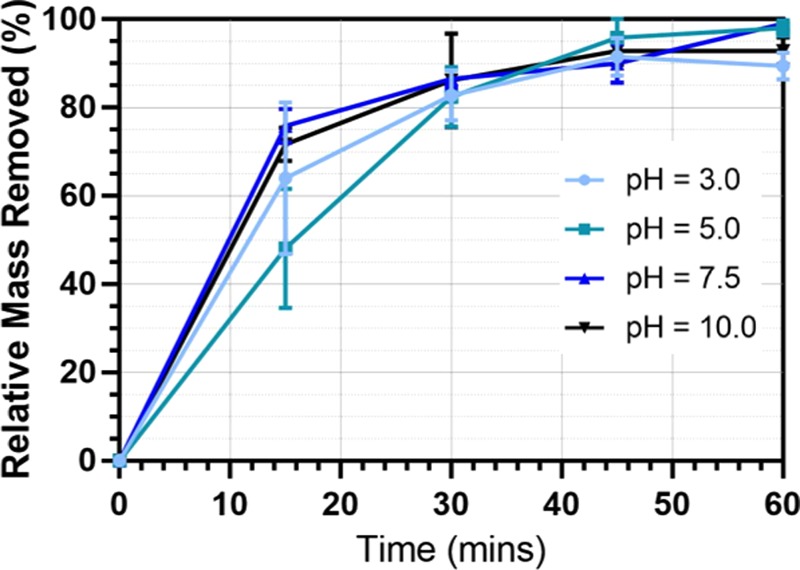
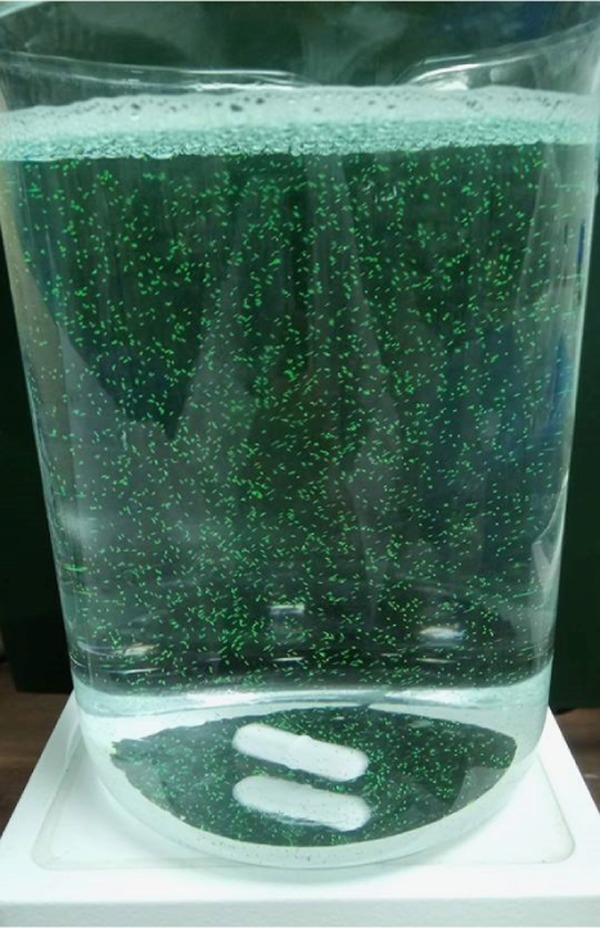
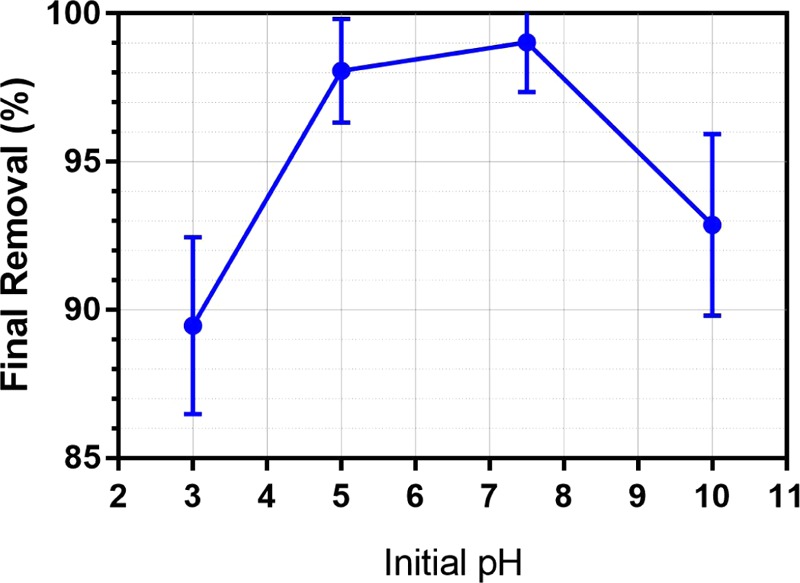
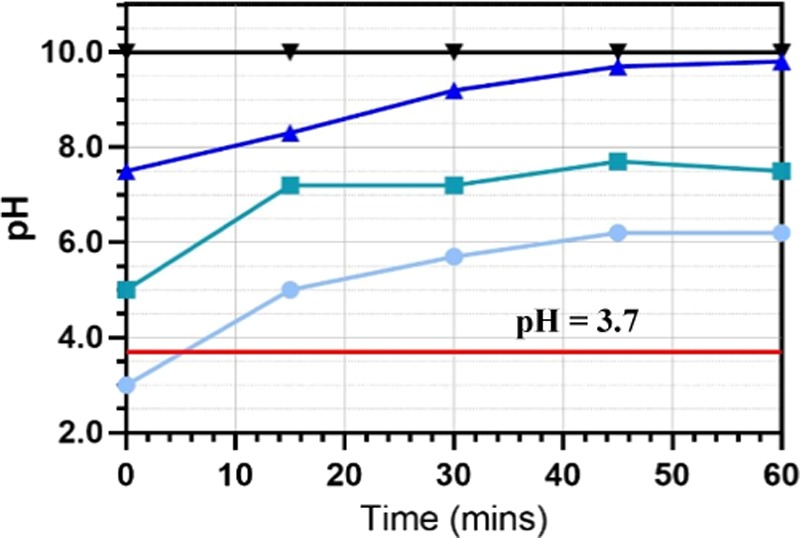
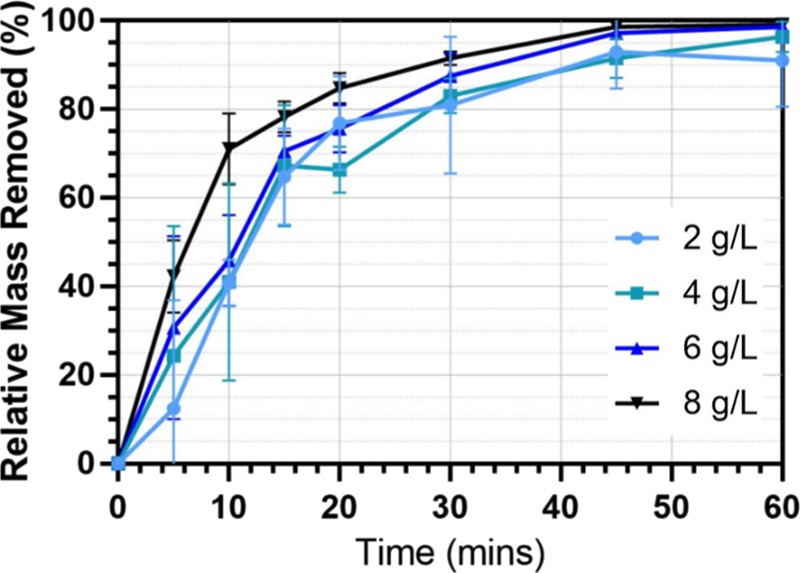
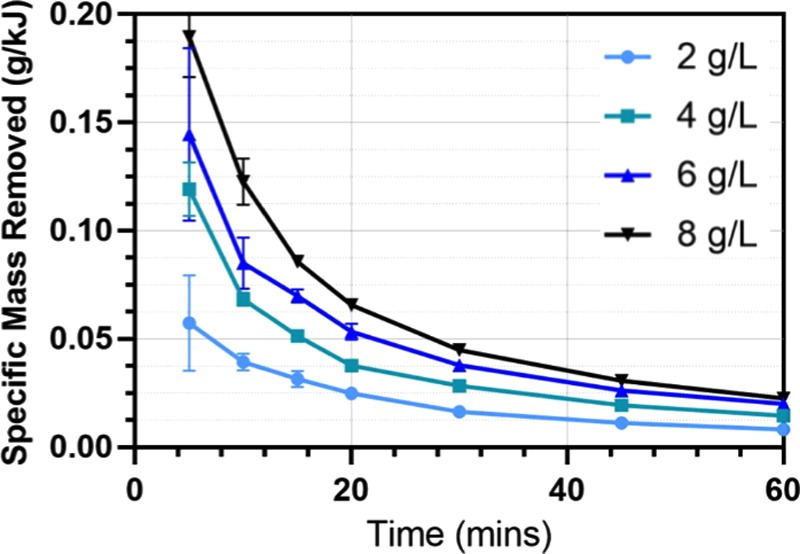
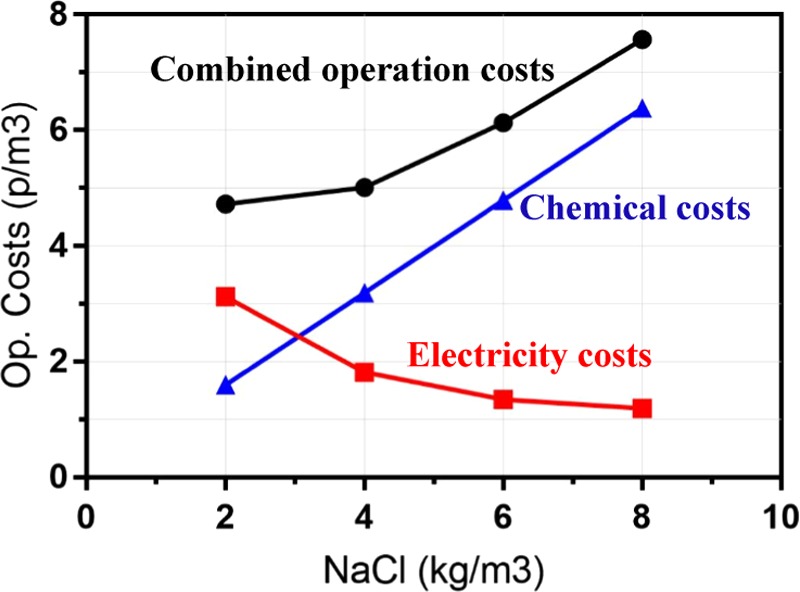
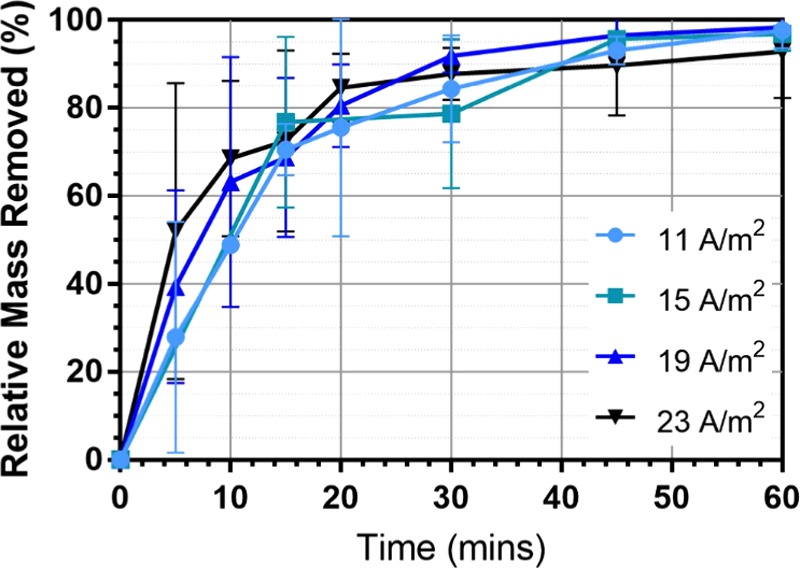
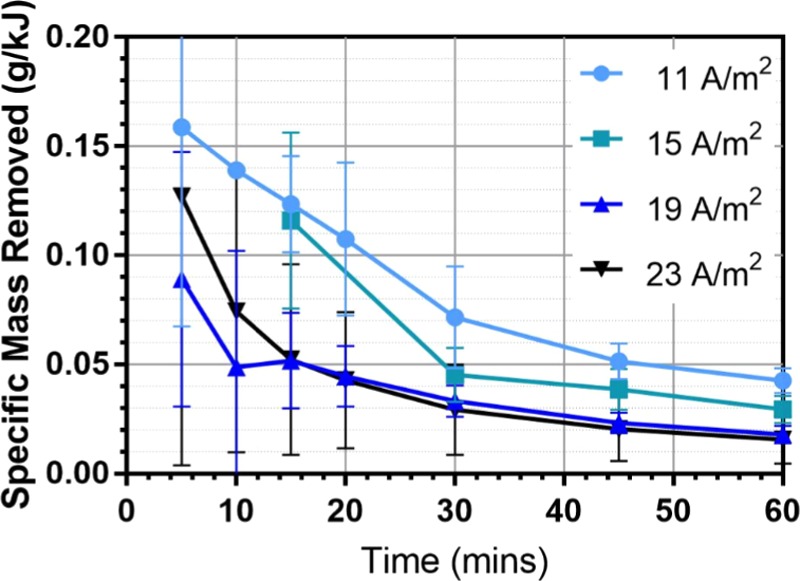
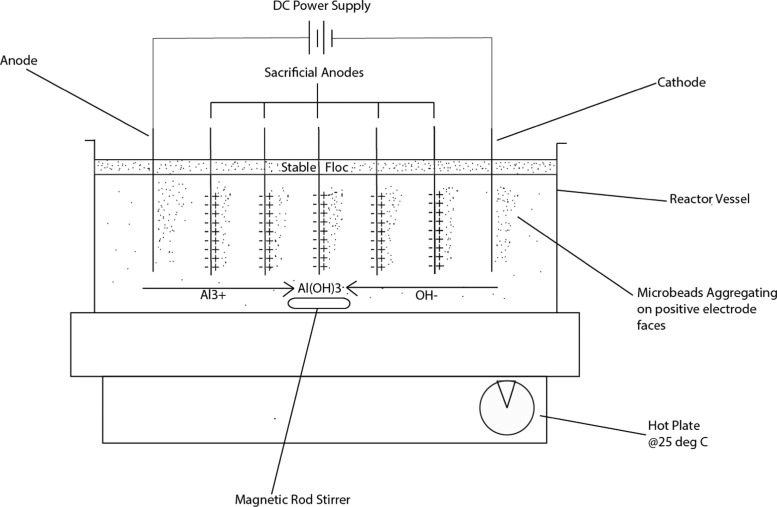
The need for better microplastic removal from wastewater streams is clear, to prevent potential harm the microplastic may cause to the marine life. This paper aims to investigate the efficacy of electrocoagulation (EC), a well-known and established process, in the unexplored context of microplastic removal from wastewater streams. This premise was investigated using artificial wastewater containing polyethylene microbeads of different concentrations. The wastewater was then tested in a 1 L stirred-tank batch reactor. The effects of the wastewater characteristics (initial pH, NaCl concentration, and current density) on removal efficiency were studied. Microbead removal efficiencies in excess of 90% were observed in all experiments, thus suggesting that EC is an effective method of removing microplastic contaminants from wastewater streams. Electrocoagulation was found to be effective with removal efficiencies in excess of 90%, over pH values ranging from 3 to 10. The optimum removal efficiency of 99.24% was found at a pH of 7.5. An economic evaluation of the reactor operating costs revealed that the optimum NaCl concentration in the reactor is between 0 and 2 g/L, mainly due to the reduced energy requirements linked to higher water conductivity. In regard to the current density, the specific mass removal rate (kg/kWh) was the highest for the lowest tested current density of 11 A/m, indicating that low current density is more energy efficient for microbead removal.
从废水流中更好地去除微塑料的需求是显而易见的,以防止微塑料可能对海洋生物造成的潜在危害。本文旨在研究电凝(EC)这一知名且成熟的工艺在从未探索过的从废水流中去除微塑料的背景下的效果。这一前提通过使用含有不同浓度聚乙烯微珠的人工废水进行了研究。然后将该废水在1升搅拌釜式间歇反应器中进行测试。研究了废水特性(初始pH值、NaCl浓度和电流密度)对去除效率的影响。在所有实验中均观察到微珠去除效率超过90%,因此表明电凝是一种从废水流中去除微塑料污染物的有效方法。研究发现,在pH值为3至10的范围内,电凝的去除效率超过90%,效果显著。在pH值为7.5时,发现最佳去除效率为99.24%。对反应器运行成本的经济评估表明,反应器中最佳NaCl浓度在0至2克/升之间,这主要是由于较高的水电导率降低了能源需求。关于电流密度,在测试的最低电流密度11 A/m²下,单位质量去除率(千克/千瓦时)最高,这表明低电流密度在去除微珠方面更节能。