Department of Physical Therapy, Crean College of Health and Behavioral Sciences, Chapman University, Orange, CA 92618, USA.
Department of Physical Therapy, California State University, Long Beach, 1250 Bellflower Blvd, Long Beach, CA 90840, USA.
Sensors (Basel). 2019 Aug 27;19(17):3710. doi: 10.3390/s19173710.
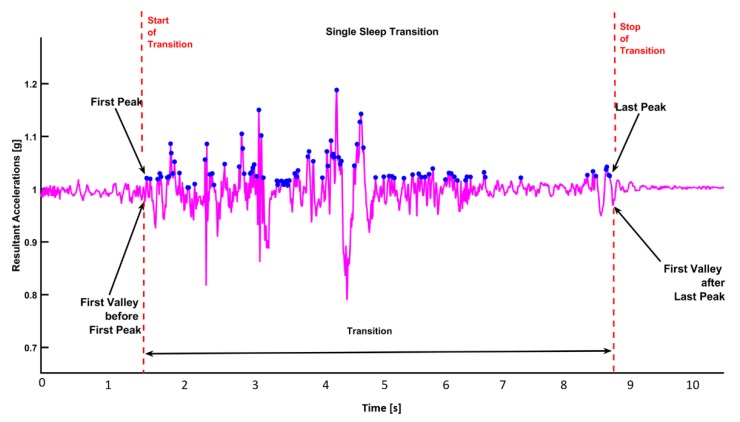
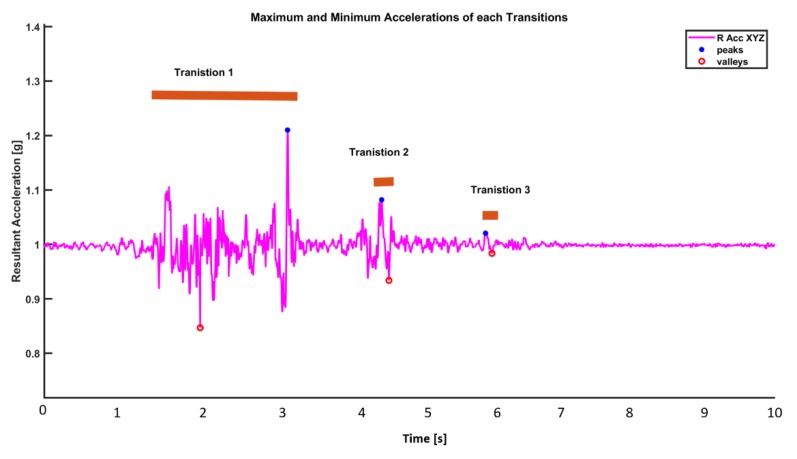
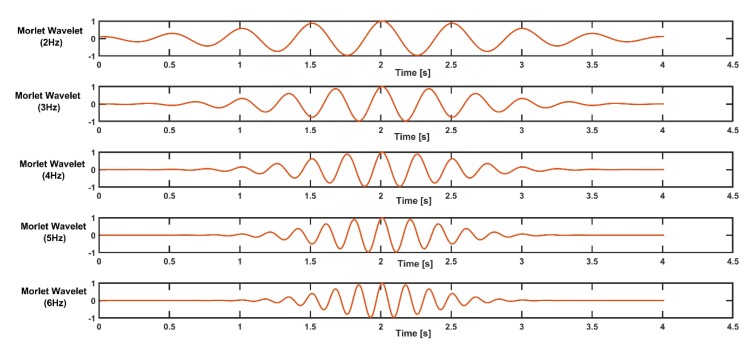
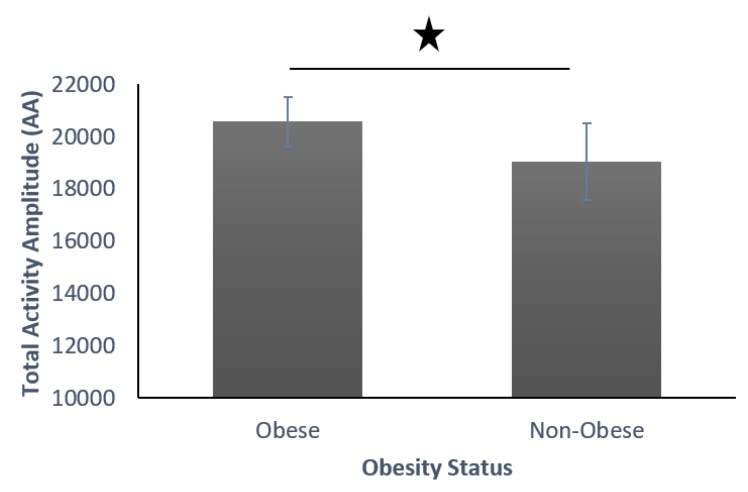
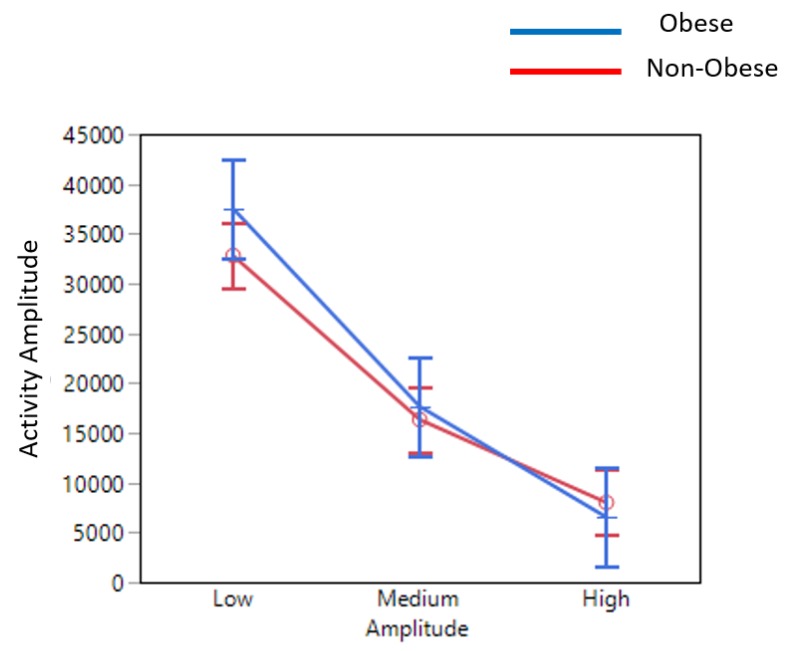
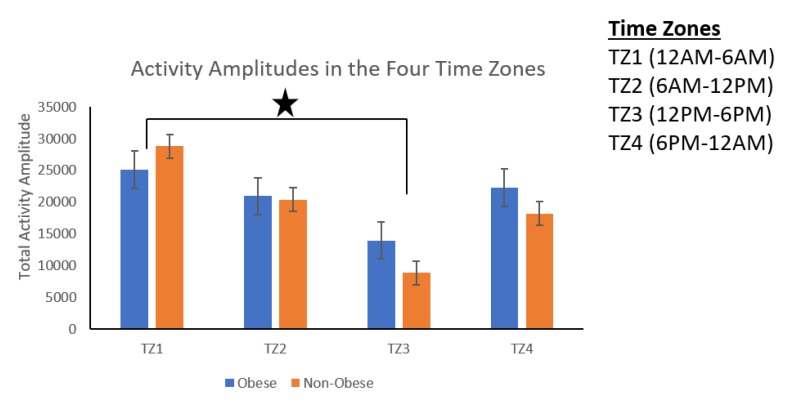
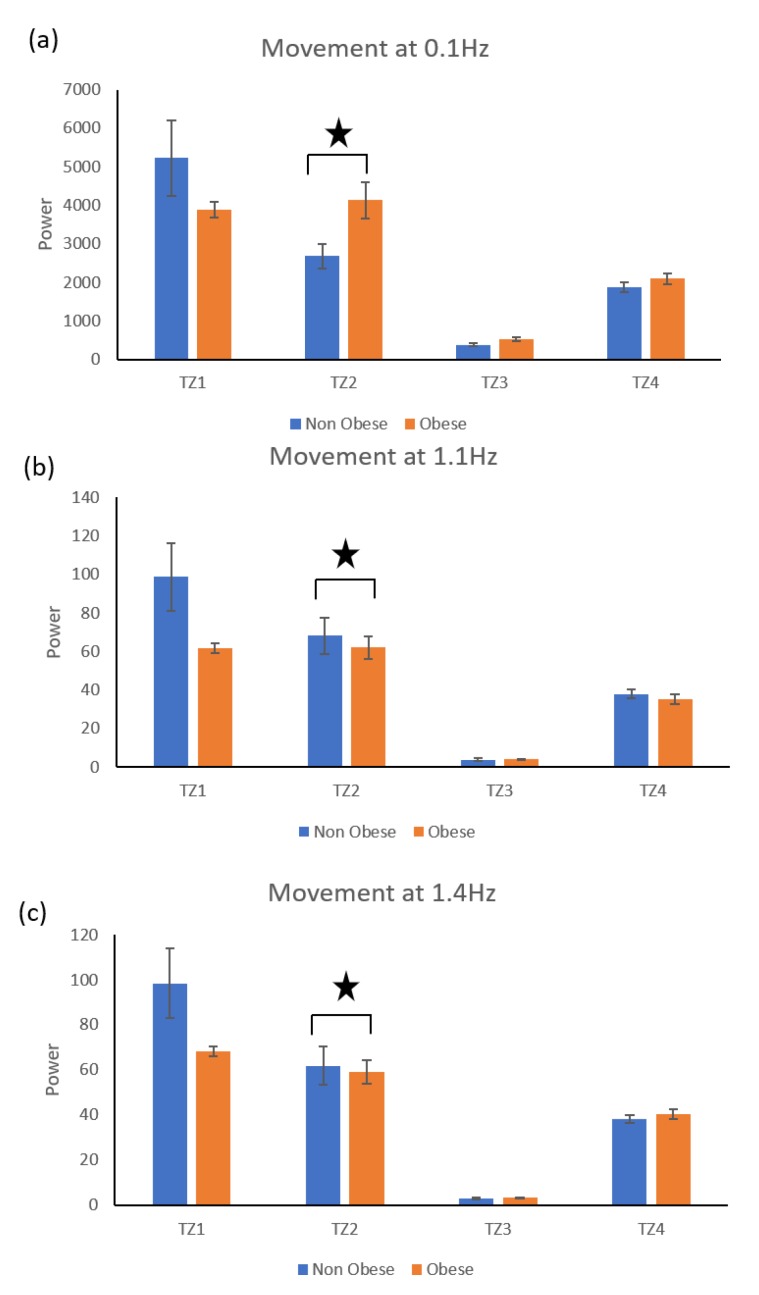
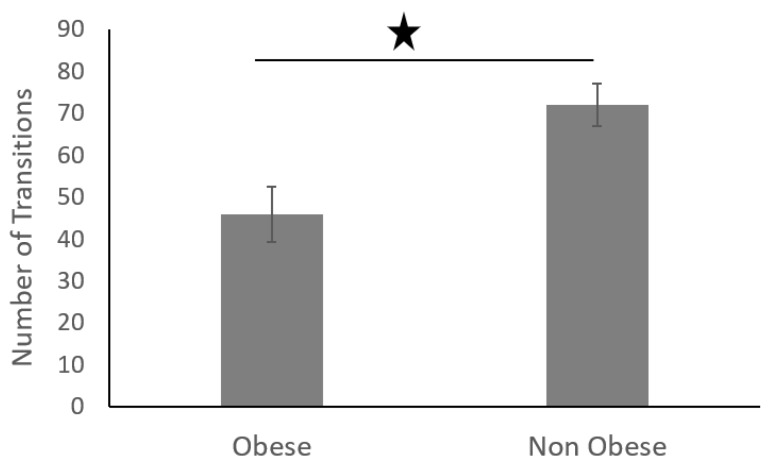
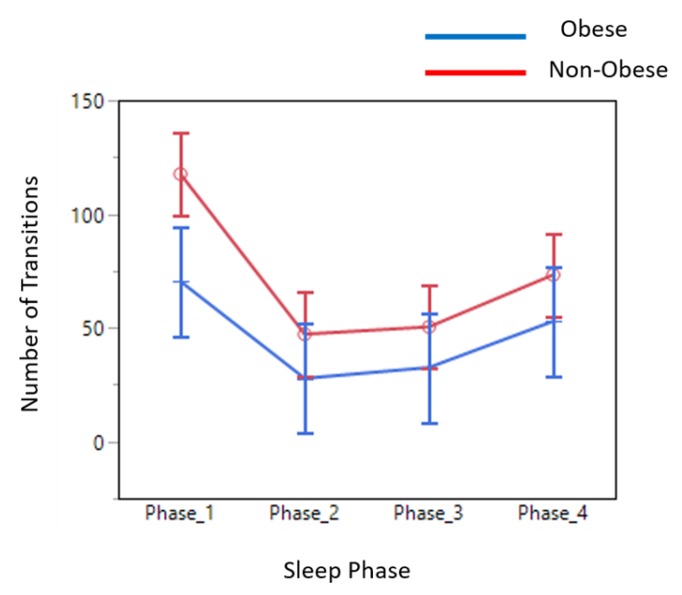
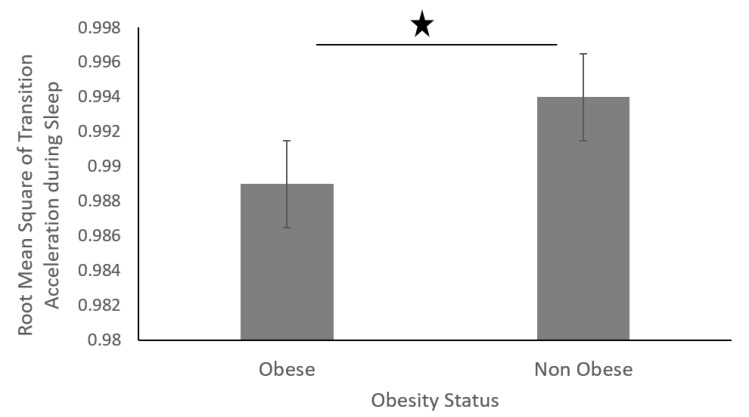
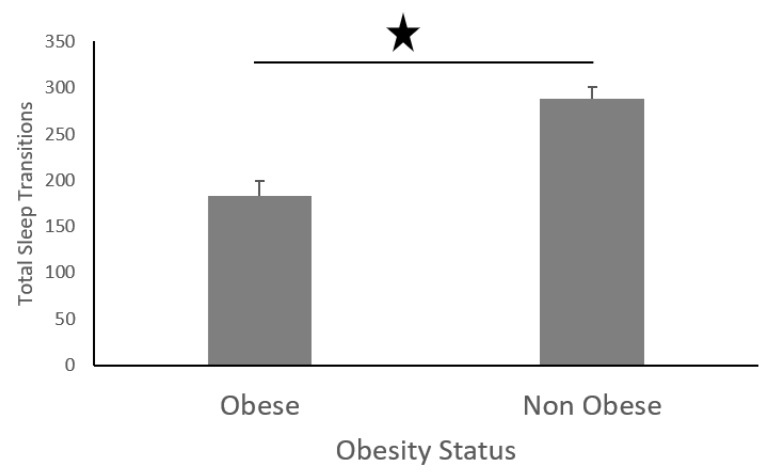
Decreased physical activity in obese individuals is associated with a prevalence of cardiovascular and metabolic disorders. Physicians usually recommend that obese individuals change their lifestyle, specifically changes in diet, exercise, and other physical activities for obesity management. Therefore, understanding physical activity and sleep behavior is an essential aspect of obesity management. With innovations in mobile and electronic health care technologies, wearable inertial sensors have been used extensively over the past decade for monitoring human activities. Despite significant progress with the wearable inertial sensing technology, there is a knowledge gap among researchers regarding how to analyze longitudinal multi-day inertial sensor data to explore activities of daily living (ADL) and sleep behavior. The purpose of this study was to explore new clinically relevant metrics using movement amplitude and frequency from longitudinal wearable sensor data in obese and non-obese young adults. We utilized wavelet analysis to determine movement frequencies on longitudinal multi-day wearable sensor data. In this study, we recruited 10 obese and 10 non-obese young subjects. We found that obese participants performed more low-frequency (0.1 Hz) movements and fewer movements of high frequency (1.1-1.4 Hz) compared to non-obese counterparts. Both obese and non-obese subjects were active during the 00:00-06:00 time interval. In addition, obesity affected sleep with significantly fewer transitions, and obese individuals showed low values of root mean square transition accelerations throughout the night. This study is critical for obesity management to prevent unhealthy weight gain by the recommendations of physical activity based on our results. Longitudinal multi-day monitoring using wearable sensors has great potential to be integrated into routine health care checkups to prevent obesity and promote physical activities.
肥胖人群体力活动减少与心血管和代谢紊乱的患病率有关。医生通常建议肥胖者改变生活方式,特别是改变饮食、锻炼和其他针对肥胖管理的体育活动。因此,了解体力活动和睡眠行为是肥胖管理的重要方面。随着移动和电子医疗保健技术的创新,过去十年中,可穿戴惯性传感器已被广泛用于监测人体活动。尽管可穿戴惯性传感技术取得了重大进展,但研究人员在如何分析纵向多天惯性传感器数据以探索日常生活活动(ADL)和睡眠行为方面仍存在知识差距。本研究旨在探索使用肥胖和非肥胖年轻成年人纵向可穿戴传感器数据中的运动幅度和频率来获得新的临床相关指标。我们利用小波分析来确定纵向多天可穿戴传感器数据中的运动频率。在这项研究中,我们招募了 10 名肥胖者和 10 名非肥胖者。我们发现肥胖参与者进行的低频(0.1Hz)运动较多,高频(1.1-1.4Hz)运动较少。与非肥胖者相比,肥胖者和非肥胖者在 00:00-06:00 时间间隔内都很活跃。此外,肥胖会影响睡眠,导致睡眠过程中的转换次数明显减少,并且肥胖者在整个晚上的均方根过渡加速度值都较低。这项研究对于肥胖管理至关重要,可以根据我们的研究结果,通过基于体力活动的建议来预防不健康的体重增加。使用可穿戴传感器进行纵向多天监测具有很大的潜力,可以整合到常规健康检查中,以预防肥胖和促进体育活动。