Gullbrand Sarah E, Smith Lachlan J, Smith Harvey E, Mauck Robert L
Translational Musculoskeletal Research Center Corporal Michael J. Crescenz VA Medical Center Philadelphia Pennsylvania.
McKay Orthopaedic Research Laboratory, Department of Orthopaedic Surgery University of Pennsylvania Philadelphia Pennsylvania.
JOR Spine. 2018 May 23;1(2):e1015. doi: 10.1002/jsp2.1015. eCollection 2018 Jun.
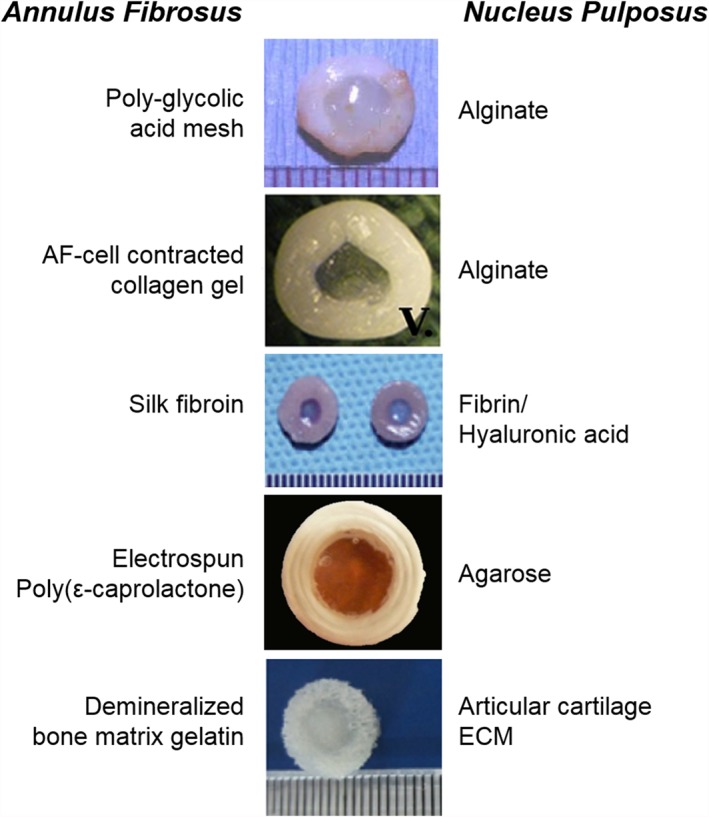
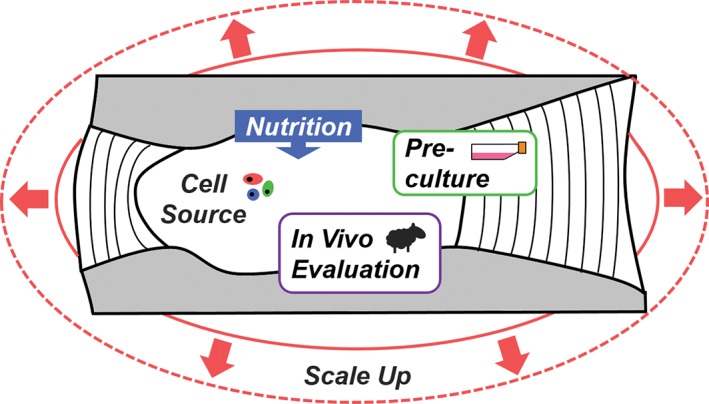
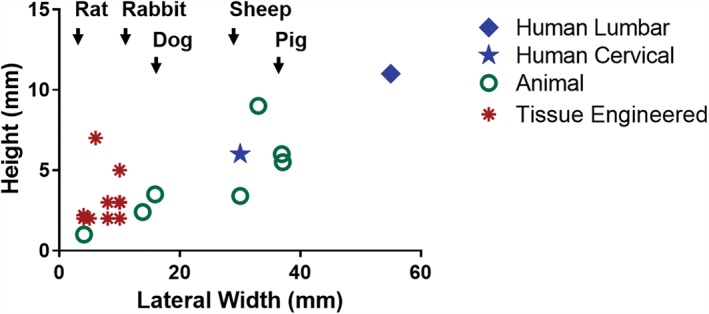
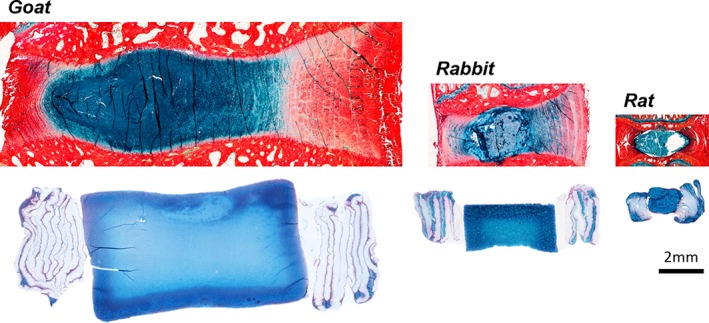
Intervertebral disc degeneration is frequently implicated as a cause of back and neck pain, which are pervasive musculoskeletal complaints in modern society. For the treatment of end stage disc degeneration, replacement of the disc with a viable, tissue-engineered construct that mimics native disc structure and function is a promising alternative to fusion or mechanical arthroplasty techniques. Substantial progress has been made in the field of whole disc tissue engineering over the past decade, with a variety of innovative designs characterized both in vitro and in vivo in animal models. However, significant barriers to clinical translation remain, including construct size, cell source, culture technique, and the identification of appropriate animal models for preclinical evaluation. Here we review the clinical need for disc tissue engineering, the current state of the field, and the outstanding challenges that will need to be addressed by future work in this area.
椎间盘退变常被认为是导致颈肩痛的原因,而颈肩痛是现代社会普遍存在的肌肉骨骼疾病。对于终末期椎间盘退变的治疗,用一种能模拟天然椎间盘结构和功能的、有活力的组织工程构建体来替代椎间盘,是融合术或机械关节置换术的一种有前景的替代方法。在过去十年里,全椎间盘组织工程领域取得了重大进展,多种创新设计在动物模型中进行了体外和体内表征。然而,临床转化仍存在重大障碍,包括构建体尺寸、细胞来源、培养技术以及用于临床前评估的合适动物模型的确定。在此,我们综述了椎间盘组织工程的临床需求、该领域的现状以及该领域未来工作需要解决的突出挑战。