Human Nutrition Department, College of Health Science, QU Health, Qatar University, Doha, Qatar.
Centre for Population Health Research, Division of Health Sciences, University of South Australia, Adelaide, Australia.
Nutr J. 2019 Aug 29;18(1):48. doi: 10.1186/s12937-019-0476-9.
High iron intake has been shown to be associated with poor cognition. We aimed to examine the association between iron-related dietary pattern (IDP) and cognitive function in Chinese adults.
Longitudinal study data from the China Health and Nutrition Survey (CHNS) during 1991-2006 were used (N = 4852, ≥55 years old). Dietary intake was obtained from a 3-day food record during home visits. Reduced rank regression was used to construct IDP with iron intake as a response variable. Cognitive function was assessed in 1997, 2000, 2004 and 2006. Multivariable mixed linear regression and logistic regression were used in the analyses.
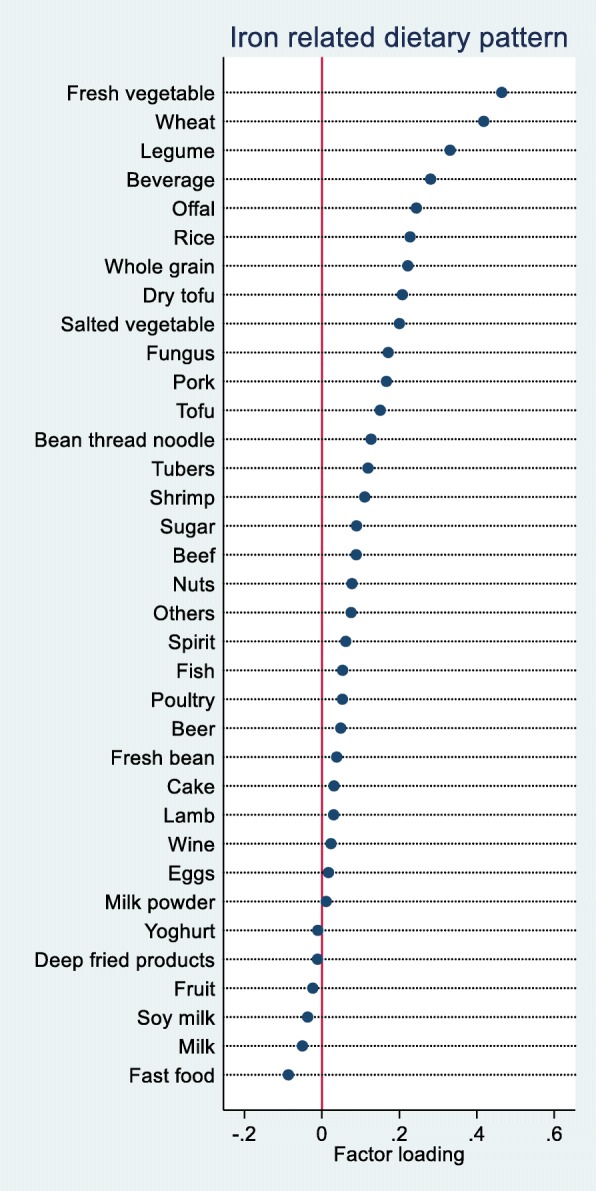
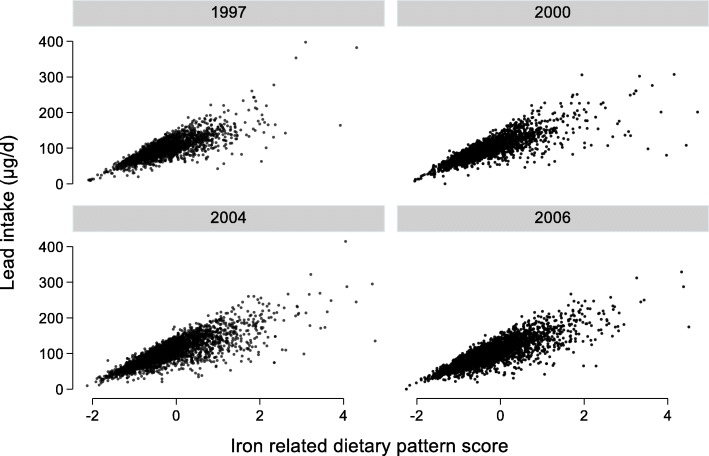
IDP was characterised by high intake of fresh vegetable, wheat, legume, beverage, offal, rice and whole grain. High IDP intake was associated with poor cognition. In fully adjusted models, across the quartiles of IDP, the odds ratio (95% CI) for poor cognitive function were: 1.00, 1.06 (0.86-1.30), 1.24 (0.99-1.54), and 1.50 (1.17-1.93), respectively. There was a borderline significant interaction between IDP and meat intake (p interaction 0.085). The association between high IDP and poor cognition was only observed among those with no or low intake of meat. With the adjustment of carbohydrate or iron intake, the IDP and cognition association became non-significant. IDP was positively associated with lead intake. The association between IDP and poor cognition was partly mediated by lead intake.
Iron-related dietary pattern is associated with poor cognition in Chinese adults, partly due to high intake of carbohydrate, iron and lead.
高铁摄入量与认知能力下降有关。我们旨在研究中国成年人中铁相关饮食模式(IDP)与认知功能之间的关系。
使用中国健康与营养调查(CHNS)1991-2006 年的纵向研究数据(N=4852,年龄≥55 岁)。膳食摄入量通过家庭访问期间的 3 天食物记录获得。使用降秩回归以铁摄入量作为响应变量构建 IDP。认知功能在 1997 年、2000 年、2004 年和 2006 年进行评估。在分析中使用多变量混合线性回归和逻辑回归。
IDP 的特点是大量摄入新鲜蔬菜、小麦、豆类、饮料、内脏、大米和全谷物。高 IDP 摄入与认知能力下降有关。在完全调整的模型中,IDP 四分位组中,认知功能差的比值比(95%CI)分别为:1.00、1.06(0.86-1.30)、1.24(0.99-1.54)和 1.50(1.17-1.93)。IDP 与肉类摄入量之间存在边缘显著的交互作用(p 交互作用=0.085)。仅在肉类摄入量低或不摄入的人群中,高 IDP 与认知能力下降之间存在显著关联。在调整碳水化合物或铁摄入量后,IDP 与认知的关联变得不显著。IDP 与铅摄入量呈正相关。IDP 与认知能力下降之间的关联部分通过铅摄入量来介导。
中国成年人中铁相关饮食模式与认知能力下降有关,部分原因是碳水化合物、铁和铅摄入量高。