Vlček Jaroslav, Pištora Jaromír, Lesňák Michal
Nanotechnology Centre, VŠB-Technical University of Ostrava, 708 00 Ostrava, Czech Republic.
Department of Mathematics and Descriptive Geometry, Faculty of Mechanical Engineering, VŠB-Technical University of Ostrava, 708 00 Ostrava, Czech Republic.
Nanomaterials (Basel). 2019 Aug 29;9(9):1227. doi: 10.3390/nano9091227.
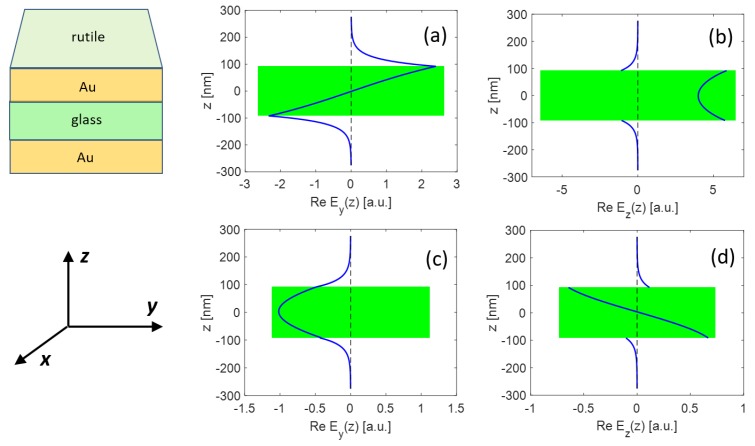
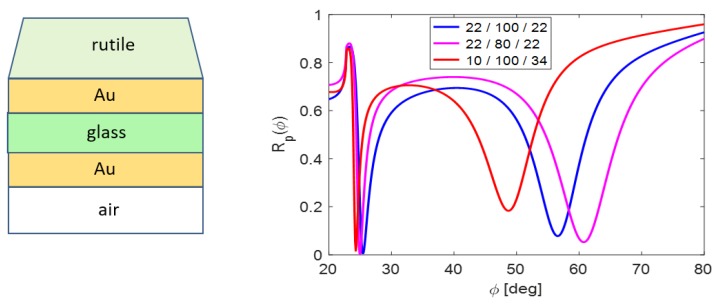
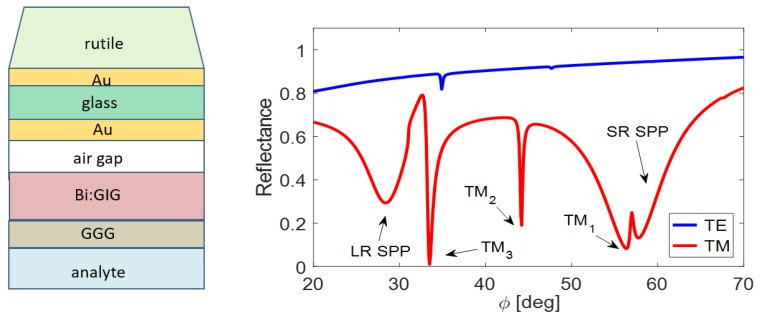
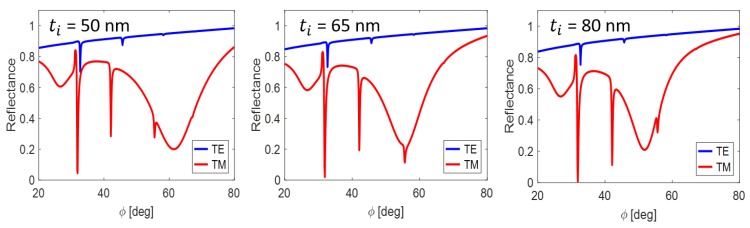
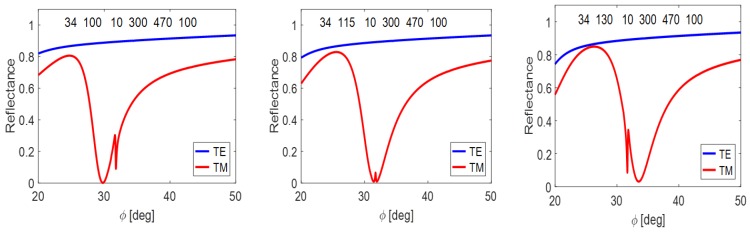
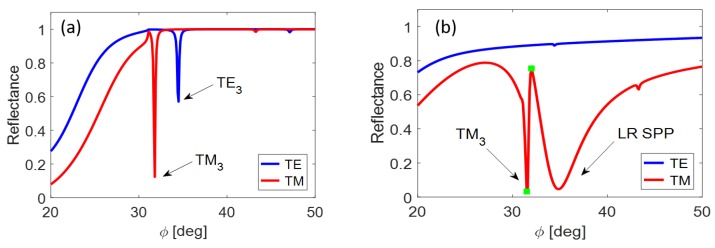
Surface plasmon resonance has become a widely accepted optical technique for studying biological and chemical interactions. Among others, detecting small changes in analyte concentration in complex solutions remains challenging, e.g., because of the need of distinguishing the interaction of interest from other effects. In our model study, the resolution ability of plasmonic sensing element was enhanced by two ways. Besides an implementation of metal-insulator-metal (MIM) plasmonic nanostructure, we suggest concatenation with waveguiding substructure to achieve mutual coupling of surface plasmon polariton (SPP) with an optical waveguiding mode. The dependence of coupling conditions on the multilayer parameters was analyzed to obtain optimal field intensity enhancement.
表面等离子体共振已成为一种广泛应用于研究生物和化学相互作用的光学技术。其中,检测复杂溶液中分析物浓度的微小变化仍然具有挑战性,例如,由于需要将感兴趣的相互作用与其他效应区分开来。在我们的模型研究中,通过两种方式提高了等离子体传感元件的分辨率能力。除了采用金属-绝缘体-金属(MIM)等离子体纳米结构外,我们还建议将其与波导子结构连接,以实现表面等离子体激元(SPP)与光波导模式的相互耦合。分析了耦合条件对多层参数的依赖性,以获得最佳的场强增强效果。