Department of Immunology, School of Medicine, University of Washington, Seattle, WA 98109, USA.
Basic Science Program, Frederick National Laboratory for Cancer Research, Frederick, MD 21702, USA.
Immunity. 2019 Sep 17;51(3):451-464.e6. doi: 10.1016/j.immuni.2019.07.007. Epub 2019 Aug 27.
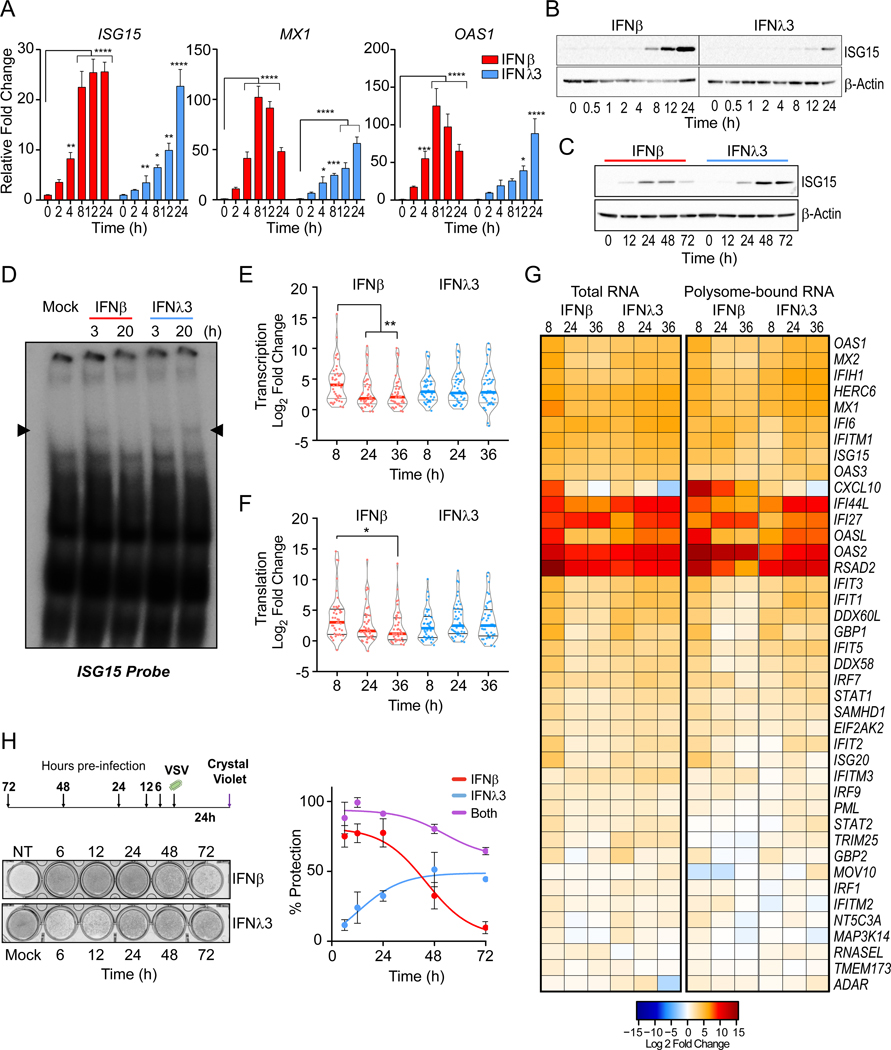
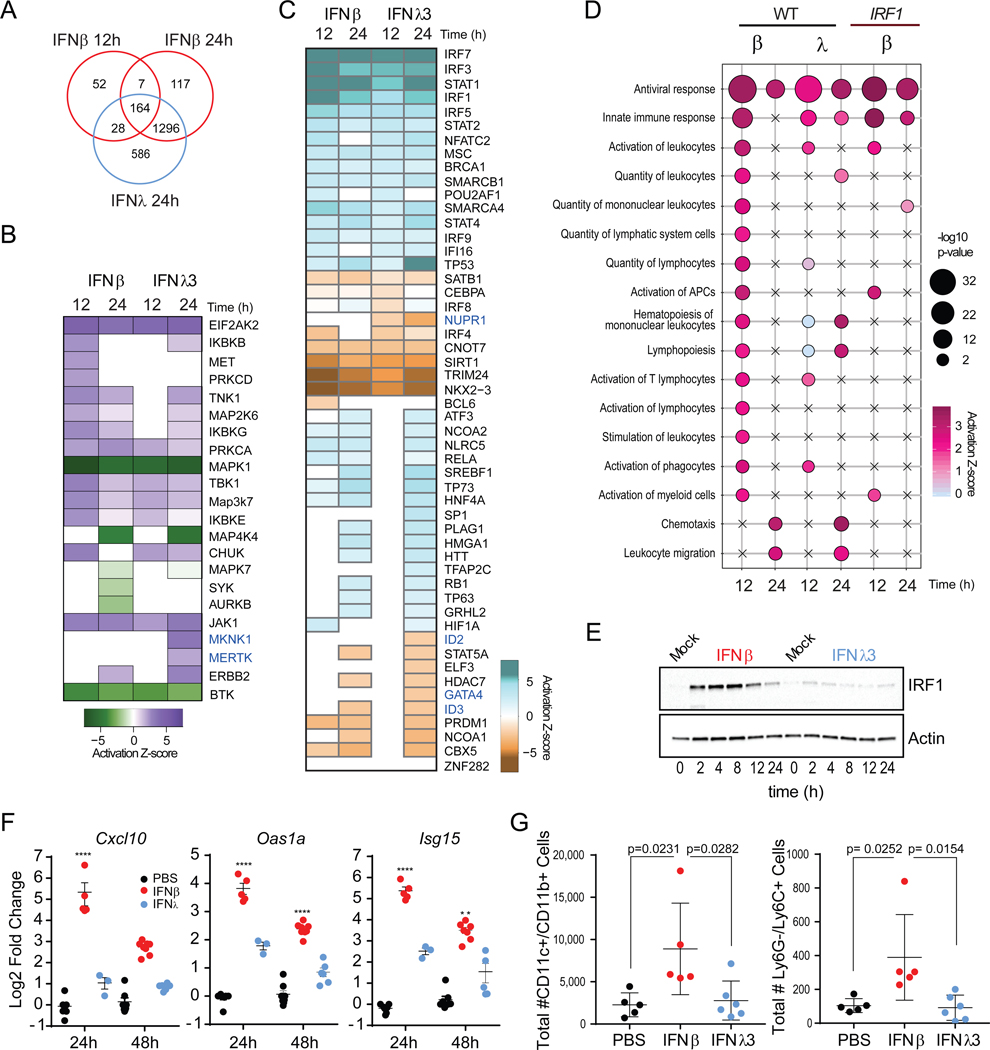
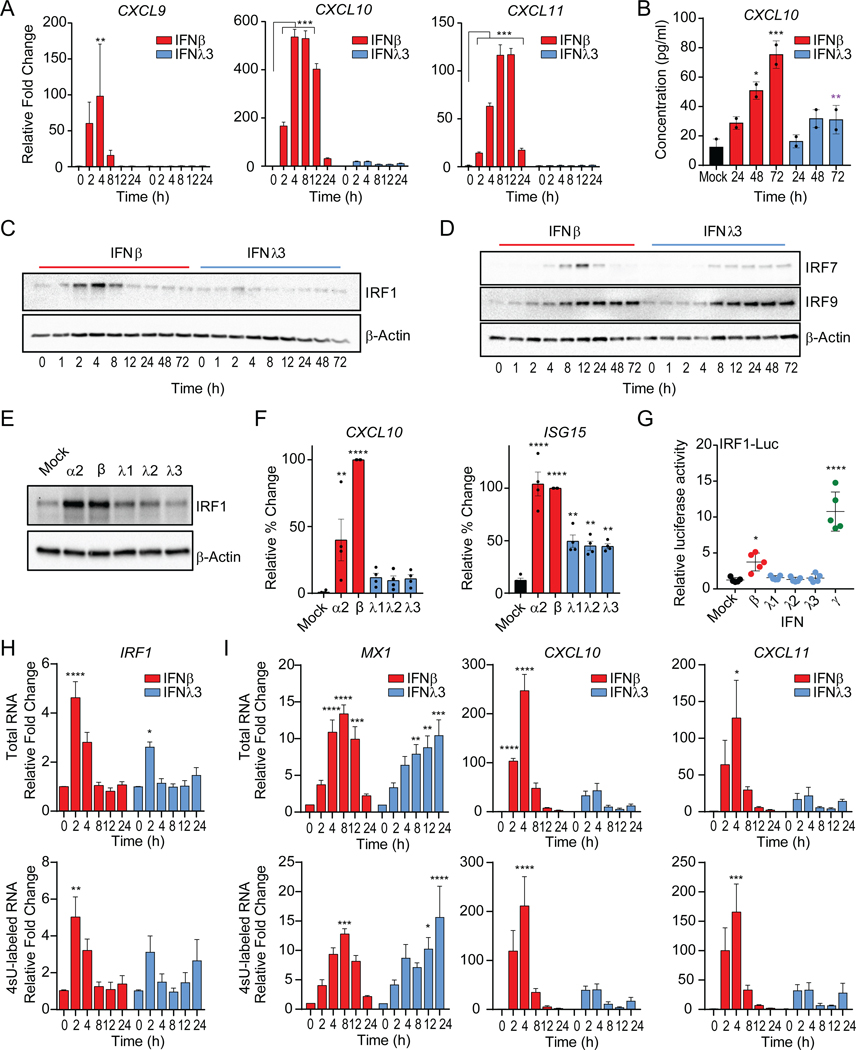
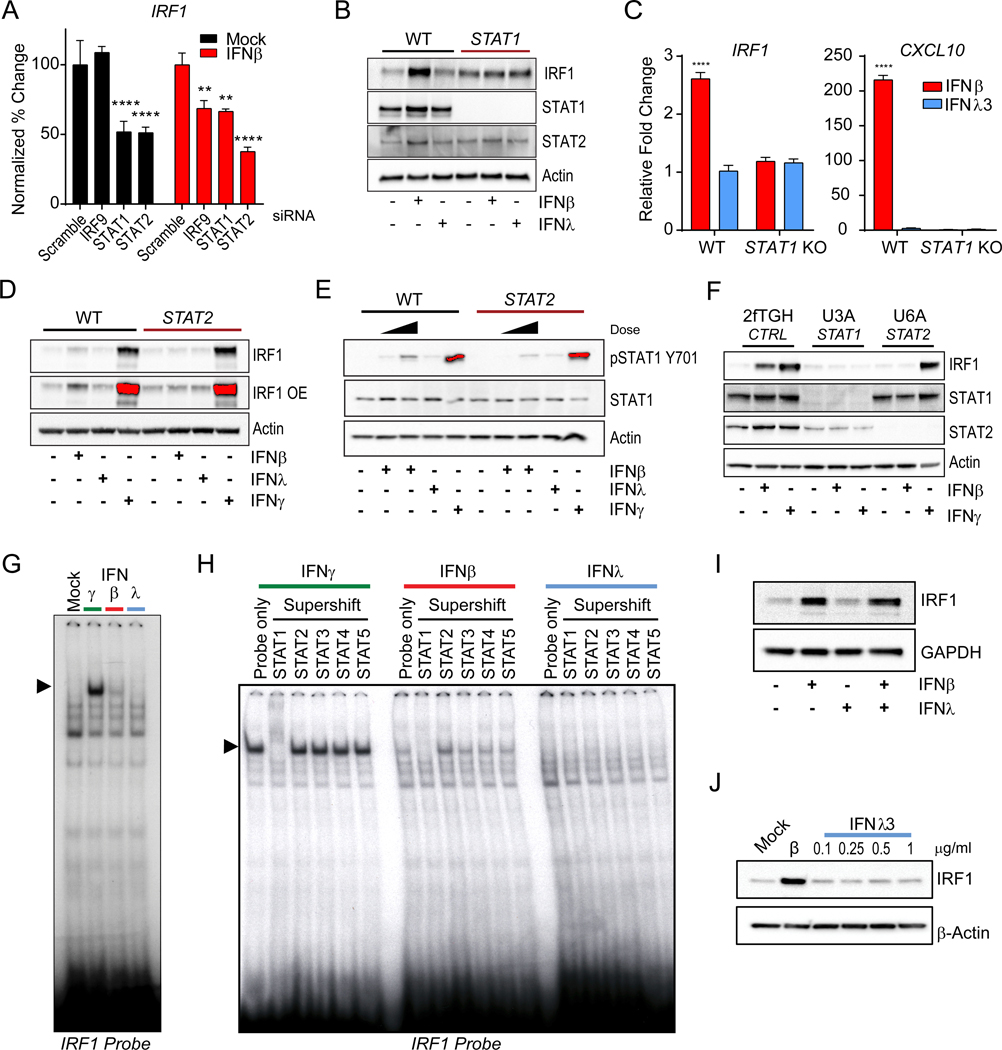
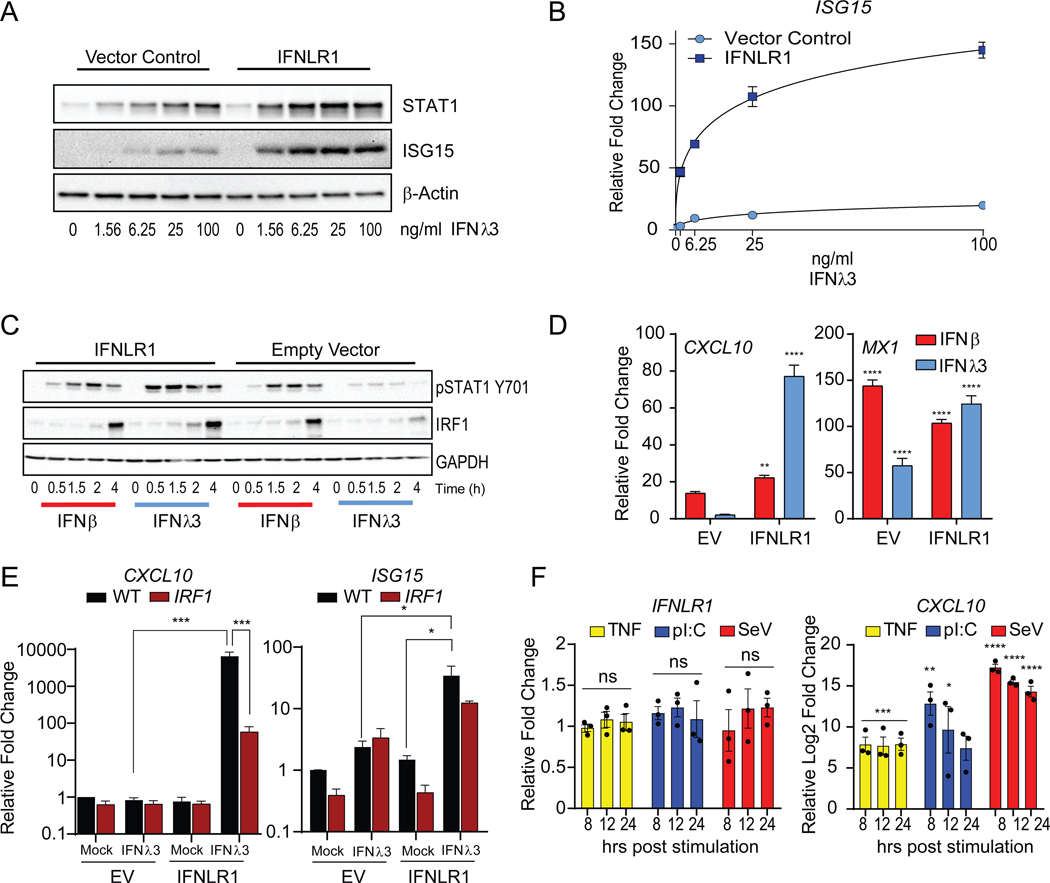
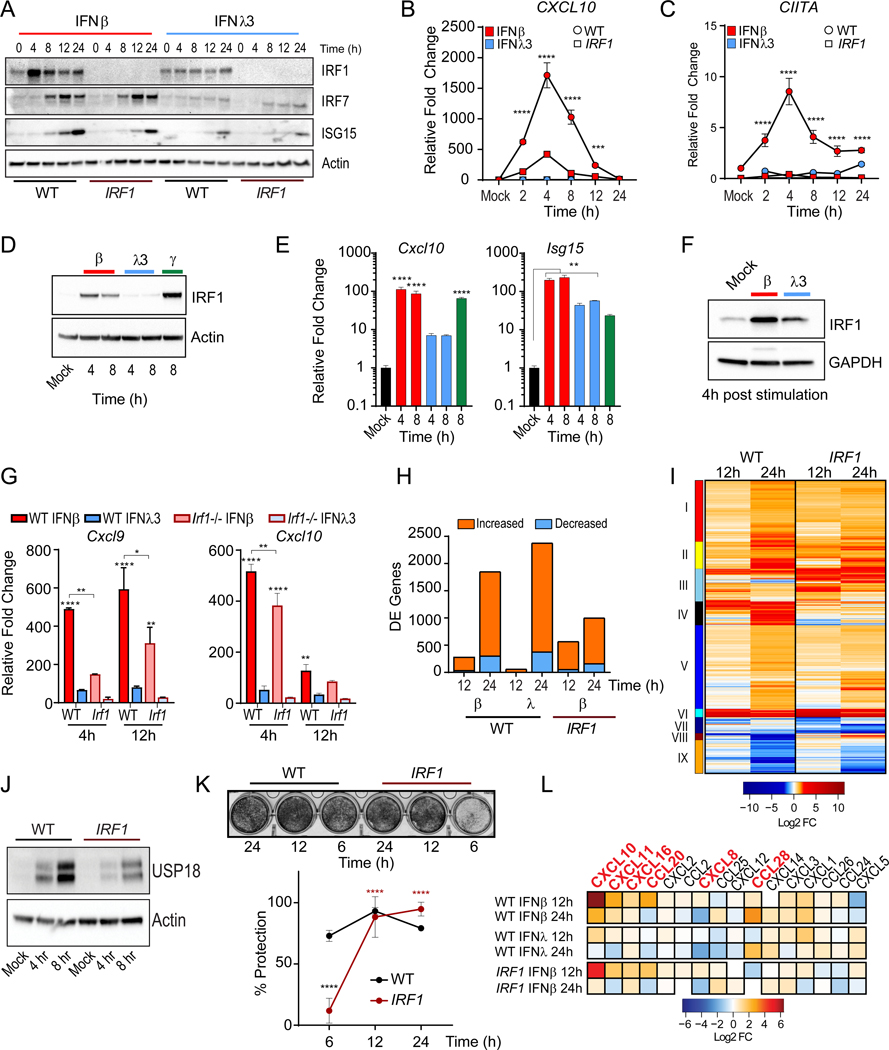
Type I and III interferons (IFNs) activate similar downstream signaling cascades, but unlike type I IFNs, type III IFNs (IFNλ) do not elicit strong inflammatory responses in vivo. Here, we examined the molecular mechanisms underlying this disparity. Type I and III IFNs displayed kinetic differences in expression of IFN-stimulated genes and proinflammatory responses, with type I IFNs preferentially stimulating expression of the transcription factor IRF1. Type III IFNs failed to induce IRF1 expression because of low IFNλ receptor abundance and insufficient STAT1 activation on epithelial cells and thus did not activate the IRF1 proinflammatory gene program. Rather, IFNλ stimulation preferentially induced factors implicated in tissue repair. Our findings suggest that IFN receptor compartmentalization and abundance confer a spatiotemporal division of labor where type III IFNs control viral spread at the site of the infection while restricting tissue damage; the transient induction of inflammatory responses by type I IFNs recruits immune effectors to promote protective immunity.
I 型和 III 型干扰素 (IFN) 激活相似的下游信号级联,但与 I 型 IFN 不同,III 型 IFN (IFNλ) 在体内不会引起强烈的炎症反应。在这里,我们研究了这种差异的分子机制。I 型和 III 型 IFN 在 IFN 刺激基因的表达和促炎反应方面表现出动力学差异,I 型 IFN 优先刺激转录因子 IRF1 的表达。由于 IFNλ 受体丰度低和上皮细胞中 STAT1 激活不足,III 型 IFN 无法诱导 IRF1 表达,因此无法激活 IRF1 促炎基因程序。相反,IFNλ 刺激优先诱导组织修复中涉及的因素。我们的研究结果表明,IFN 受体的区室化和丰度赋予了时空分工,其中 III 型 IFN 在感染部位控制病毒扩散,同时限制组织损伤;I 型 IFN 短暂诱导的炎症反应招募免疫效应物以促进保护性免疫。