Department of Pathobiology, School of Veterinary Medicine, University of Pennsylvania, Philadelphia, PA, 19104, USA.
Department of Clinical Sciences and Advanced Medicine, School of Veterinary Medicine, University of Pennsylvania, Philadelphia, PA, 19104, USA.
Microbiome. 2019 Aug 31;7(1):126. doi: 10.1186/s40168-019-0740-4.
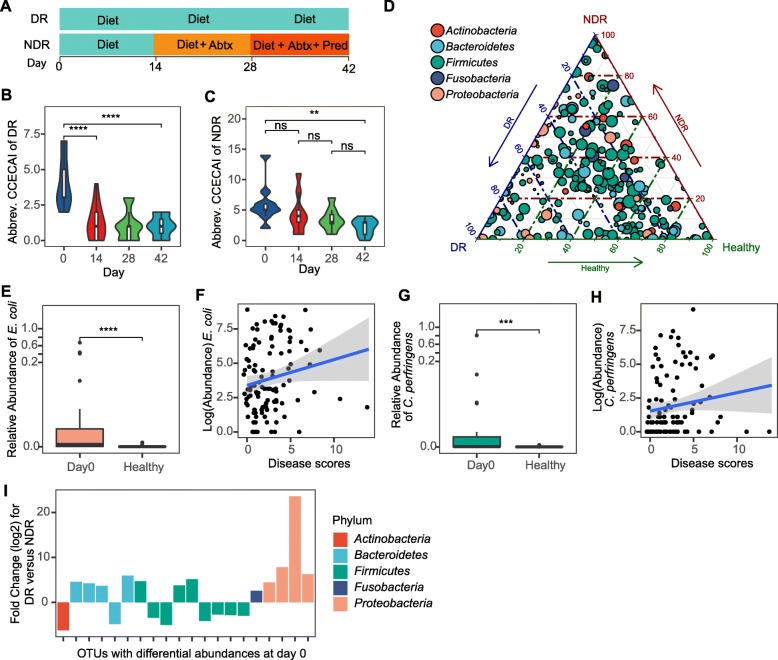
The microbiome has been implicated in the initiation and persistence of inflammatory bowel disease. Despite the fact that diet is one of the most potent modulators of microbiome composition and function and that dietary intervention is the first-line therapy for treating pediatric Crohn's disease, the relationships between diet-induced remission, enteropathy, and microbiome are poorly understood. Here, we leverage a naturally-occurring canine model of chronic inflammatory enteropathy that exhibits robust remission following nutritional therapy, to perform a longitudinal study that integrates clinical monitoring, 16S rRNA gene amplicon sequencing, metagenomic sequencing, metabolomic profiling, and whole genome sequencing to investigate the relationship between therapeutic diet, microbiome, and disease.
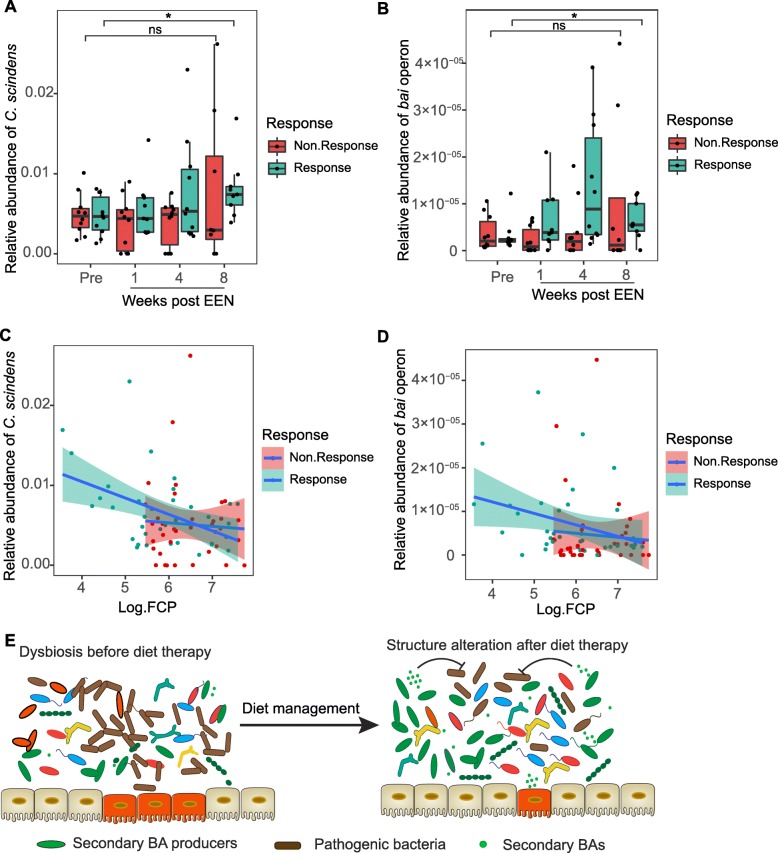
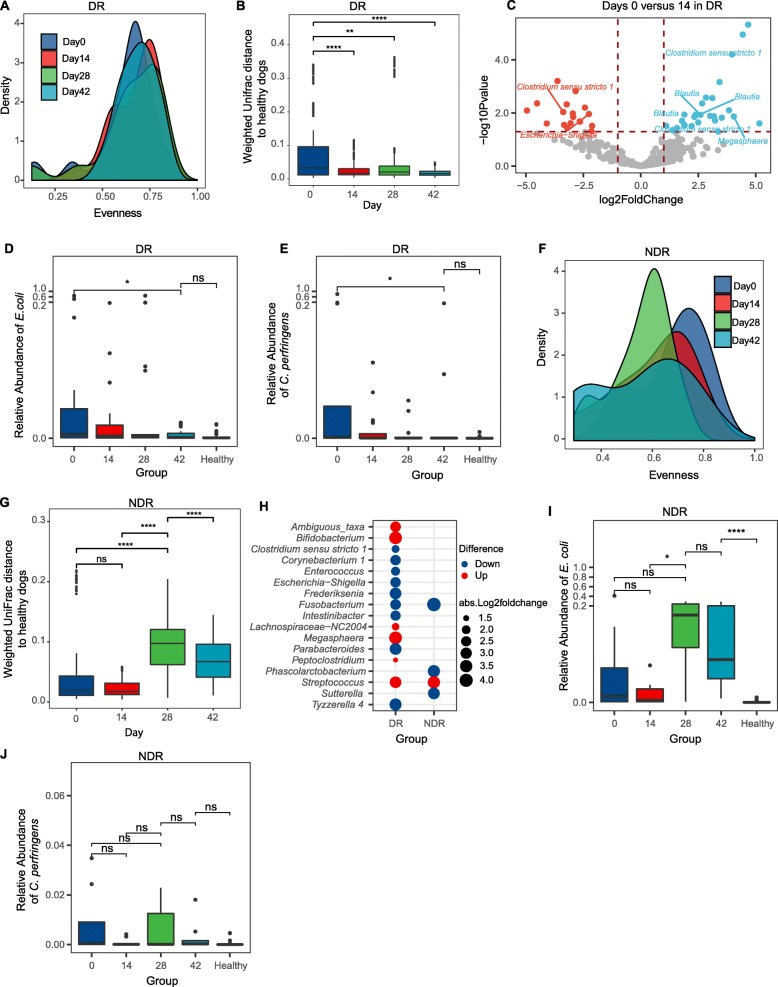
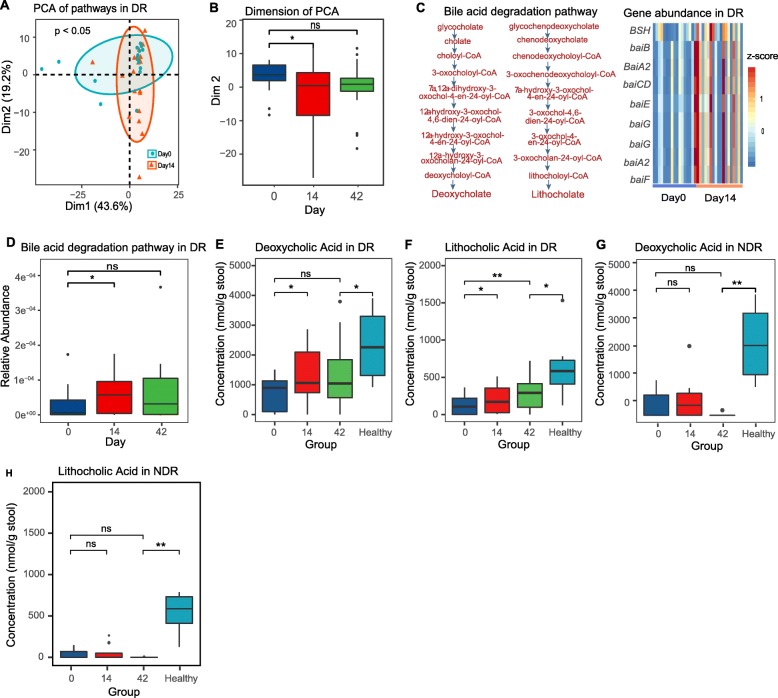
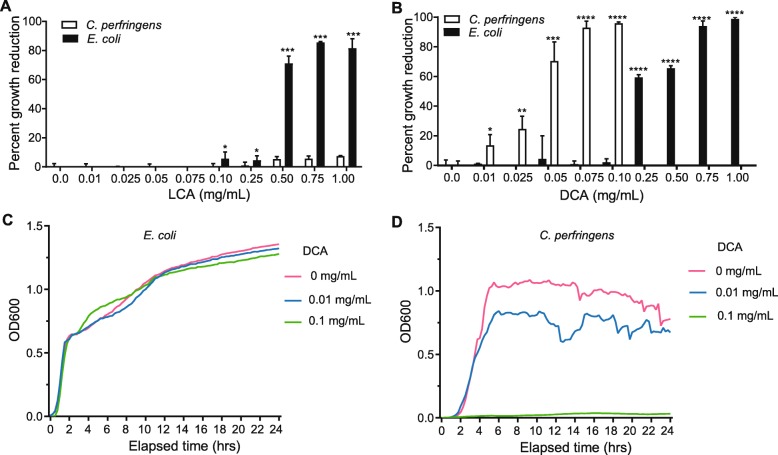
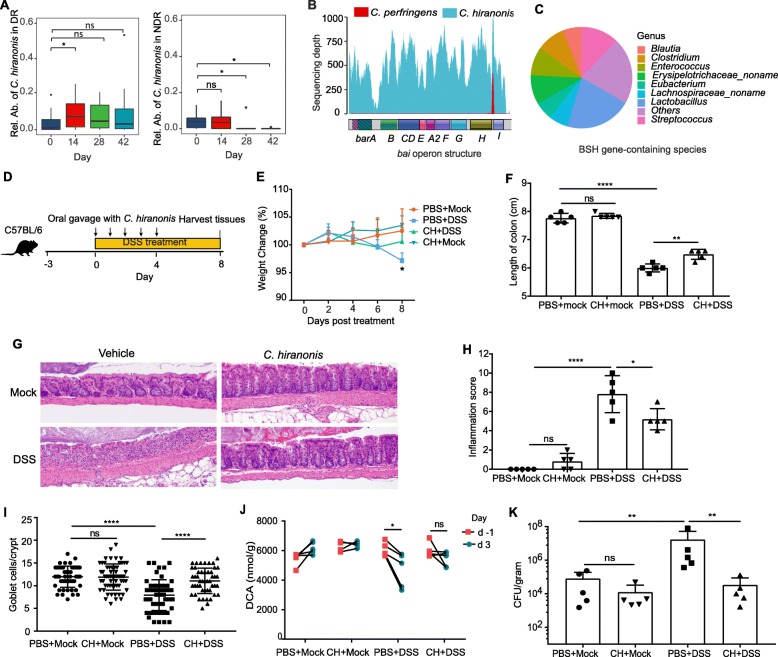
We show that remission induced by a hydrolyzed protein diet is accompanied by alterations in microbial community structure marked by decreased abundance of pathobionts (e.g., Escherichia coli and Clostridium perfringens), reduced severity of dysbiosis, and increased levels of the secondary bile acids, lithocholic and deoxycholic acid. Physiologic levels of these bile acids inhibited the growth of E. coli and C. perfringens isolates, in vitro. Metagenomic analysis and whole genome sequencing identified the bile acid producer Clostridium hiranonis as elevated after dietary therapy and a likely source of secondary bile acids during remission. When C. hiranonis was administered to mice, levels of deoxycholic acid were preserved and pathology associated with DSS colitis was ameliorated. Finally, a closely related bile acid producer, Clostridium scindens, was associated with diet-induced remission in human pediatric Crohn's disease.
These data highlight that remission induced by a hydrolyzed protein diet is associated with improved microbiota structure, an expansion of bile acid-producing clostridia, and increased levels of secondary bile acids. Our observations from clinical studies of exclusive enteral nutrition in human Crohn's disease, along with our in vitro inhibition assays and in vivo studies in mice, suggest that this may be a conserved response to diet therapy with the potential to ameliorate disease. These findings provide insight into diet-induced remission of gastrointestinal disease and could help guide the rational design of more effective therapeutic diets.
微生物组与炎症性肠病的发生和持续有关。尽管饮食是调节微生物组组成和功能的最有力因素之一,并且饮食干预是治疗小儿克罗恩病的一线疗法,但饮食诱导缓解、肠病和微生物组之间的关系仍知之甚少。在这里,我们利用一种自然发生的犬慢性炎症性肠病模型,该模型在营养治疗后表现出强烈的缓解,进行了一项纵向研究,该研究整合了临床监测、16S rRNA 基因扩增测序、宏基因组测序、代谢组学分析和全基因组测序,以研究治疗饮食、微生物组和疾病之间的关系。
我们表明,水解蛋白饮食诱导的缓解伴随着微生物群落结构的改变,表现为病原菌(例如,大肠杆菌和梭状芽孢杆菌)的丰度降低、菌群失调的严重程度降低以及次级胆汁酸,石胆酸和脱氧胆酸的水平增加。这些胆汁酸的生理水平在体外抑制了大肠杆菌和梭状芽孢杆菌分离株的生长。宏基因组分析和全基因组测序确定了在饮食治疗后升高的产胆酸菌 Clostridium hiranonis 是缓解期次级胆汁酸的可能来源。当给予 C. hiranonis 小鼠时,脱氧胆酸的水平得以维持,并且与 DSS 结肠炎相关的病理学得到改善。最后,与 C. hiranonis 密切相关的胆汁酸产生菌 Clostridium scindens 与人类小儿克罗恩病的饮食诱导缓解有关。
这些数据表明,水解蛋白饮食诱导的缓解与改善的微生物群落结构、产胆酸梭菌的扩张以及次级胆汁酸水平的增加有关。我们对人类克罗恩病的肠内营养的临床研究的观察结果,以及我们的体外抑制试验和小鼠体内研究表明,这可能是对饮食治疗的一种保守反应,具有改善疾病的潜力。这些发现为胃肠道疾病的饮食诱导缓解提供了深入了解,并有助于指导更有效的治疗性饮食的合理设计。