Laboratório de Célula Tronco, Instituto Nacional de Câncer, Rio de Janeiro, RJ 20230-130, Brazil.
Laboratório de Mediadores Inflamatórios, Universidade Estadual do Oeste do Paraná, Francisco Beltrão, PR 85605-010, Brazil.
Oxid Med Cell Longev. 2019 Aug 8;2019:5357649. doi: 10.1155/2019/5357649. eCollection 2019.
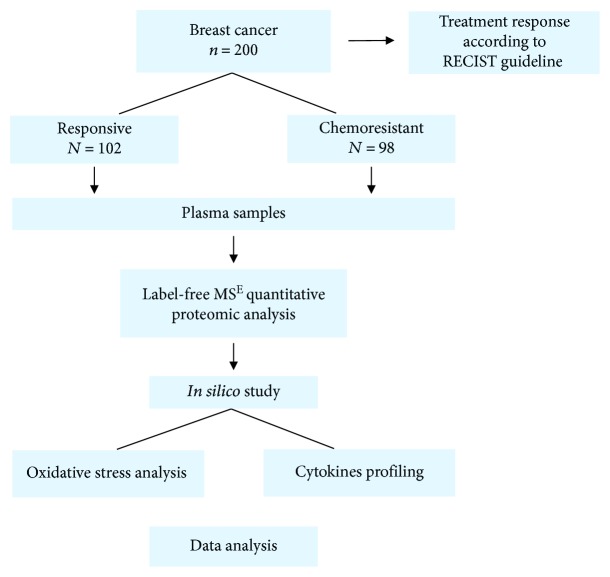
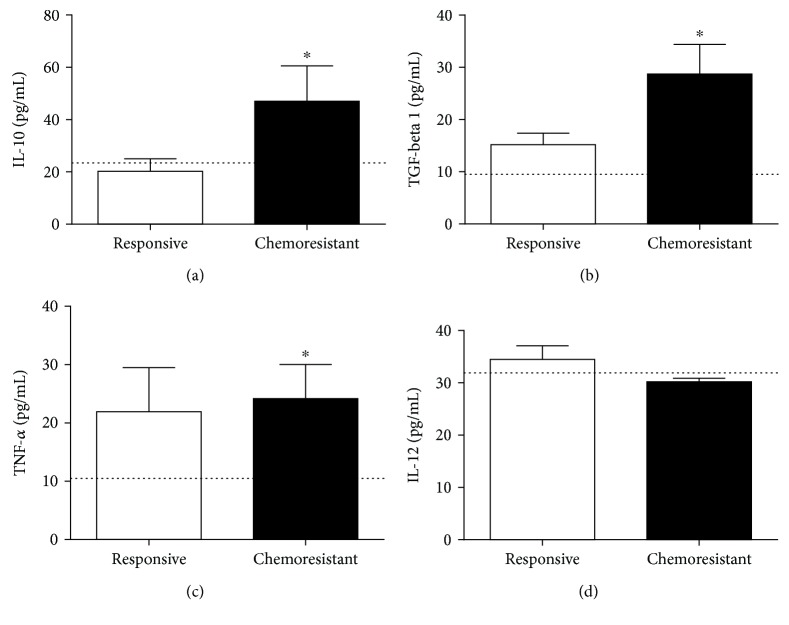
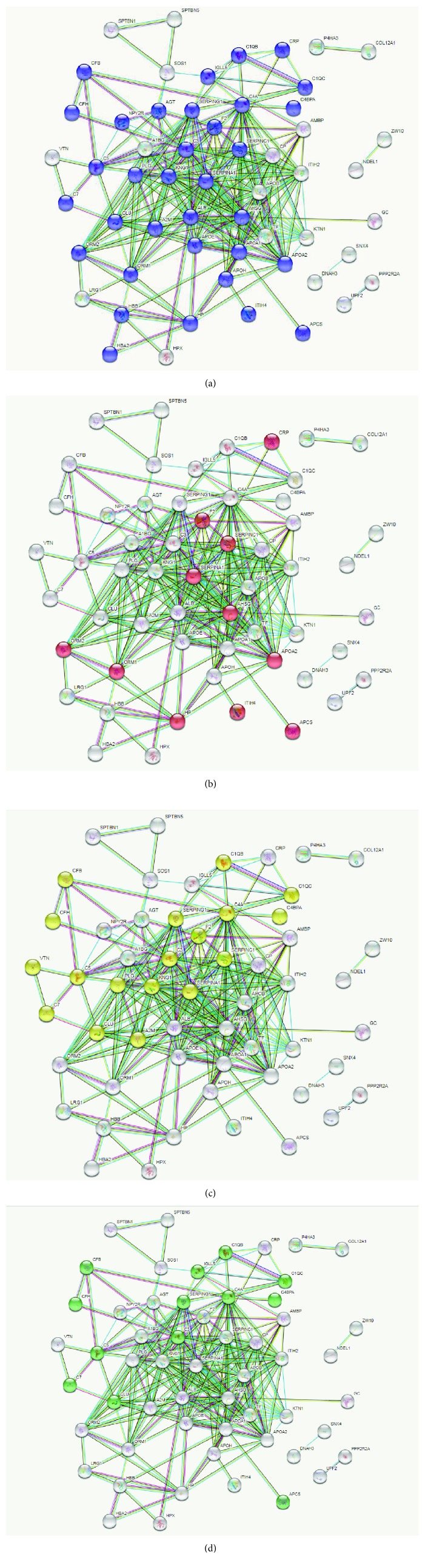
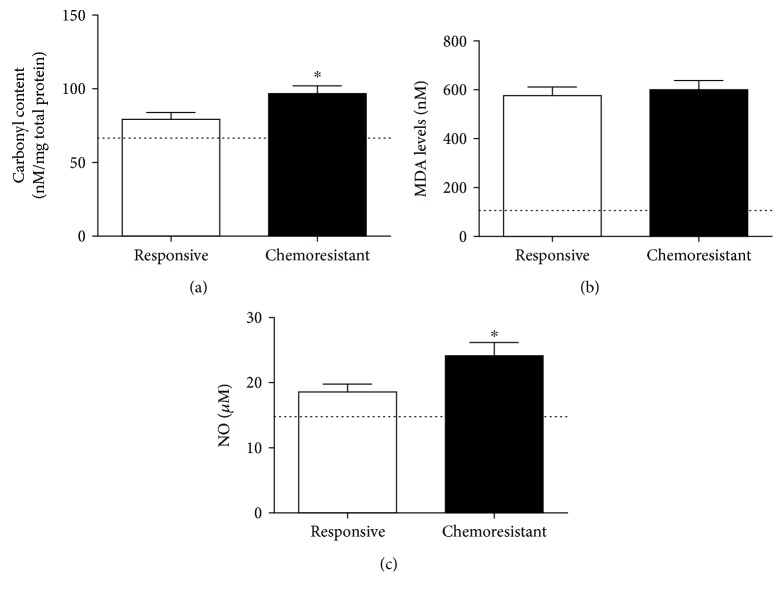
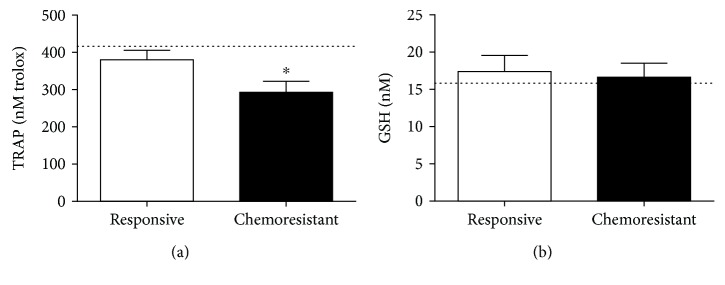
Breast cancer is the leading cause of cancer-associated death among women worldwide. Its high mortality rate is related to resistance towards chemotherapies, which is one of the major challenges of breast cancer research. In this study, we used label-free mass spectrometry- (MS-) based proteomics to investigate the differences between circulating proteins in the plasma of patients with chemoresponsive and chemoresistant luminal A breast cancer. MS analysis revealed 205 differentially expressed proteins. Furthermore, we used in silico tools to build protein-protein interaction networks. Most of the upregulated proteins in the chemoresistant group were closely related and tightly linked. The predominant networks were related to oxidative stress, the inflammatory response, and the complement cascade. Through this analysis, we identified inflammation and oxidative stress as central processes of breast cancer chemoresistance. Furthermore, we confirmed our hypothesis by evaluating oxidative stress and performing cytokine profiling in our cohort. The connections among oxidative stress, inflammation, and the complement system described in our study seem to indicate a pivotal axis in breast cancer chemoresistance. Hence, these findings will have significant clinical implications for improving therapies to bypass breast cancer chemoresistance in the future.
乳腺癌是全球女性癌症相关死亡的主要原因。其高死亡率与对化疗的耐药性有关,这是乳腺癌研究的主要挑战之一。在这项研究中,我们使用无标记的基于质谱的蛋白质组学来研究对化疗敏感和耐药的腔 A 型乳腺癌患者血浆中循环蛋白的差异。MS 分析显示了 205 个差异表达的蛋白。此外,我们还使用了计算机模拟工具来构建蛋白质-蛋白质相互作用网络。在耐药组中上调的大多数蛋白密切相关且紧密相连。主要网络与氧化应激、炎症反应和补体级联反应有关。通过这项分析,我们确定了炎症和氧化应激是乳腺癌化疗耐药的核心过程。此外,我们通过在我们的队列中评估氧化应激和进行细胞因子分析来验证我们的假设。我们研究中描述的氧化应激、炎症和补体系统之间的联系似乎表明了乳腺癌化疗耐药性的关键轴。因此,这些发现将对未来改善治疗方法以克服乳腺癌化疗耐药性具有重要的临床意义。