Sami Labs Limited, Bangalore, India.
Sabinsa Corporation, East Windsor, NJ, USA.
J Sci Food Agric. 2020 Jan 30;100(2):509-516. doi: 10.1002/jsfa.10020. Epub 2019 Nov 13.
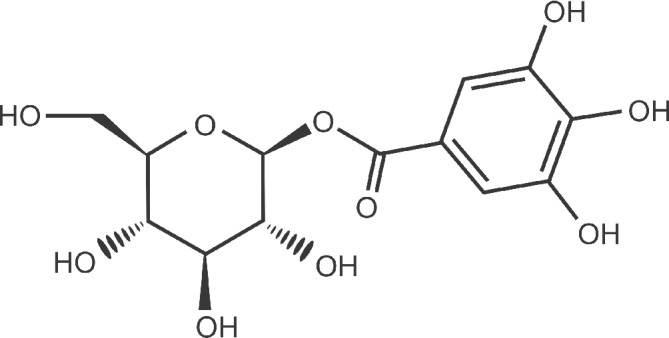
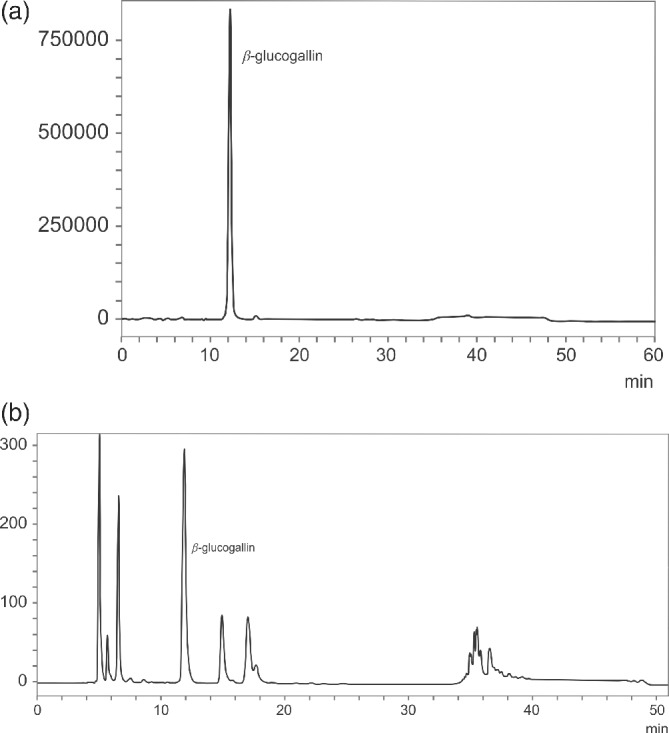
Emblica officinalis, known as amla in Ayurveda, has been used as a folk medicine to treat numerous pathological conditions, including diabetes. However, the novel extract of E. officinalis fruit extract (amla fruit extract, AFE, Saberry®) containing 100 g kg β-glucogallin along with hydrolyzable tannins has not yet been extensively studied for its antidiabetic potential.
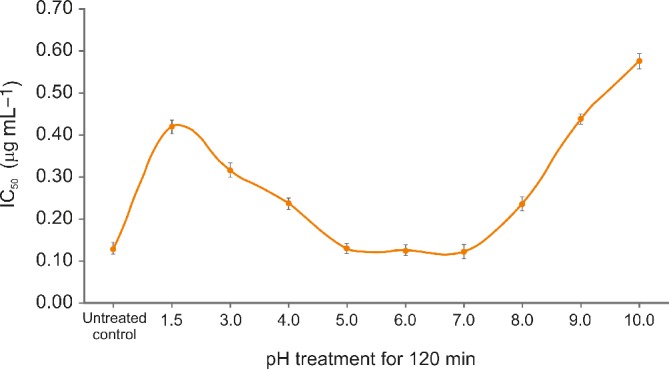
The aim of this study was to investigate the antidiabetic and antioxidant activities of AFE and its stability during gastric stress as well as its thermostability.
The effect of AFE on the inhibition of pancreatic α-amylase and salivary α-amylase enzymes was studied using starch and yeast α-glucosidase enzyme using 4-nitrophenyl α-d-glucopyranoside as substrate. Further, 2,2-diphenyl-1-picrylhydrazyl radical scavenging and reactive oxygen species inhibition assay was performed against AFE.
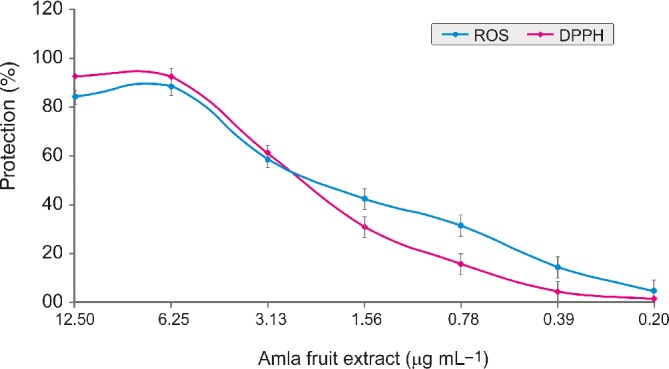
AFE potently inhibited the activities of α-amylase and α-glucosidase in a concentration-dependent manner with half maximal inhibitory concentration (IC ) values of 135.70 μg mL and 106.70 μg mL respectively. Furthermore, it also showed inhibition of α-glucosidase (IC 562.9 μg mL ) and dipeptidyl peptidase-4 (DPP-4; IC 3770 μg mL ) enzyme activities. AFE is a potent antioxidant showing a free radical scavenging activity (IC 2.37 μg mL ) and protecting against cellular reactive oxygen species (IC 1.77 μg mL ), and the effects elicited could be attributed to its phytoconstituents.
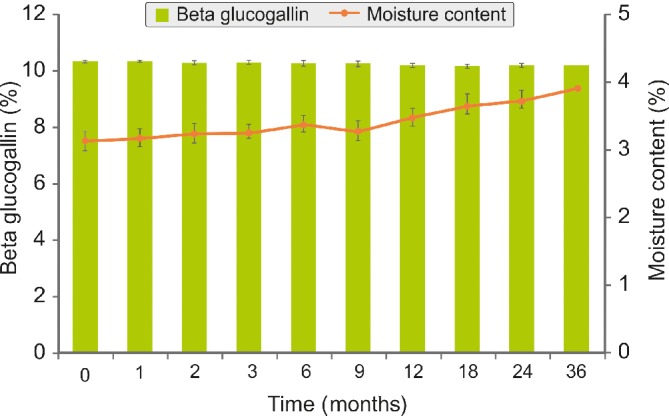
AFE showed significant gastric acid resistance and was also found to be thermostable against wet heat. Excellent α-amylase, α-glucosidase, and DPP-4 inhibitory activities of AFE, as well as antioxidant activities, strongly recommend its use for the management of type 2 diabetes mellitus. © 2019 The Authors. Journal of The Science of Food and Agriculture published by John Wiley & Sons Ltd on behalf of Society of Chemical Industry.
余甘子,在阿育吠陀中被称为“阿玛拉”,被用作民间药物来治疗许多病理状况,包括糖尿病。然而,含有 100g/kgβ-葡甘聚糖的余甘子果实提取物(余甘子果提取物,AFE,Saberry®)的新型提取物,以及可水解单宁,尚未被广泛研究其抗糖尿病潜力。
本研究旨在研究 AFE 的抗糖尿病和抗氧化活性及其在胃应激期间的稳定性以及热稳定性。
使用淀粉和酵母α-葡萄糖苷酶,以 4-硝基苯-α-D-吡喃葡萄糖苷为底物,研究 AFE 对抑制胰腺α-淀粉酶和唾液α-淀粉酶酶的影响。此外,还对抗 AFE 的 2,2-二苯基-1-苦基肼自由基清除和活性氧抑制作用进行了研究。
AFE 以浓度依赖的方式强烈抑制α-淀粉酶和α-葡萄糖苷酶的活性,半最大抑制浓度(IC 50 )值分别为 135.70μg·mL -1 和 106.70μg·mL -1 。此外,它还抑制α-葡萄糖苷酶(IC 50 62.9μg·mL -1 )和二肽基肽酶-4(DPP-4;IC 3770μg·mL -1 )酶活性。AFE 是一种有效的抗氧化剂,具有自由基清除活性(IC 2.37μg·mL -1 )和防止细胞活性氧(IC 1.77μg·mL -1 ),其产生的效果可归因于其植物成分。
AFE 表现出显著的抗胃酸能力,并且对湿热也具有热稳定性。AFE 具有显著的α-淀粉酶、α-葡萄糖苷酶和 DPP-4 抑制活性以及抗氧化活性,强烈推荐其用于 2 型糖尿病的治疗。