Zeinstra Gertrude G, Somhorst Dianne, Oosterink Els, Fick Henriette, Klopping-Ketelaars Ineke, van der Meer Ingrid M, Mes Jurriaan J
Wageningen University and Research, Wageningen Food and Biobased Research, Food, Health & Consumer Research, Bornse Weilanden 9, 6708 WG Wageningen, The Netherlands.
Wageningen University and Research, Division of Human Nutrition & Health, Stippeneng 4, 6708 WE Wageningen, The Netherlands.
J Nutr Sci. 2019 Aug 20;8:e28. doi: 10.1017/jns.2019.26. eCollection 2019.
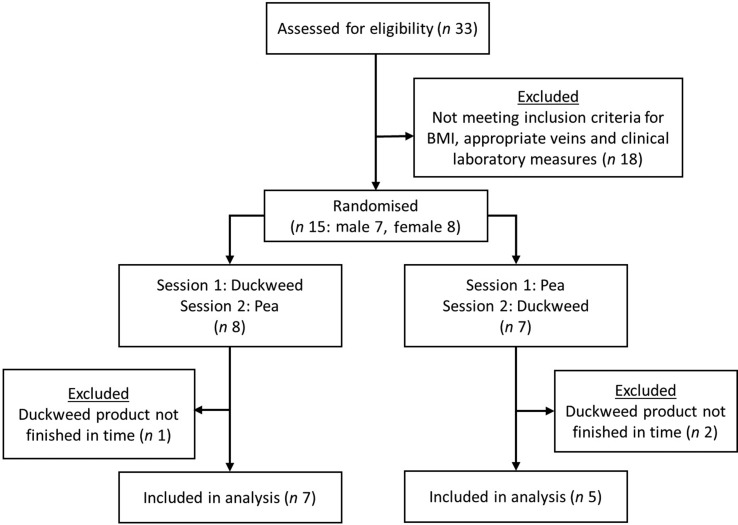
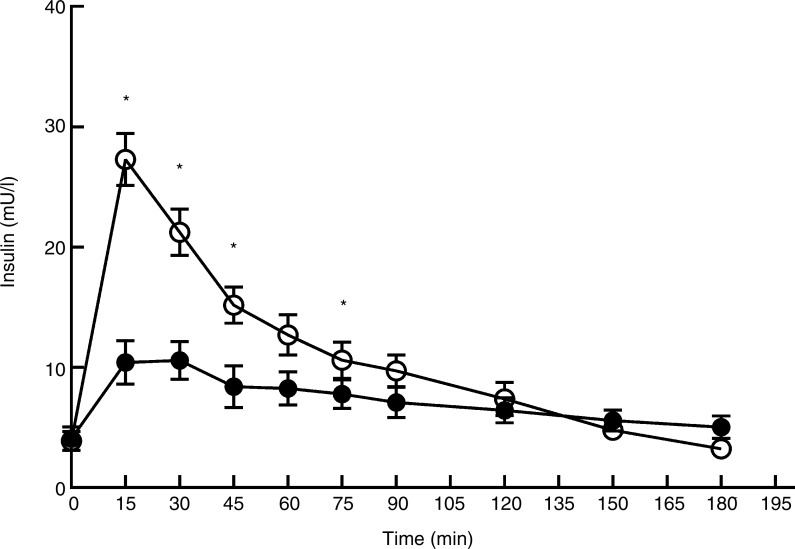
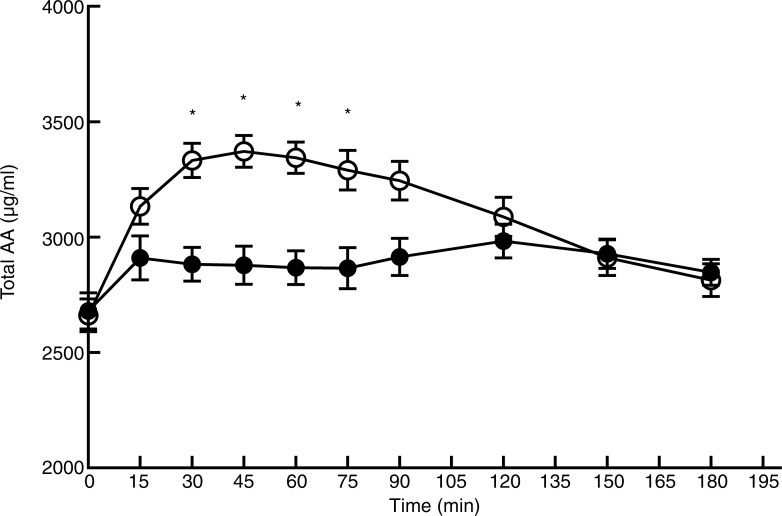
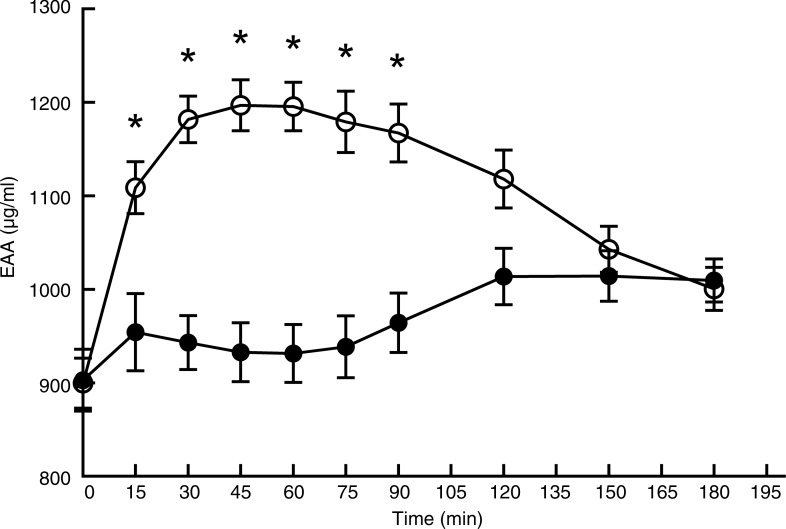
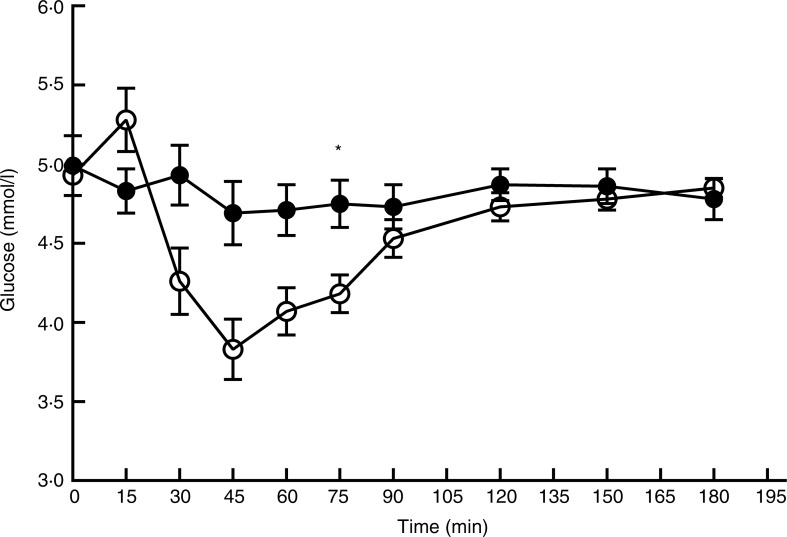
A high protein content combined with its enormous growth capacity make duckweed an interesting alternative protein source, but information about postprandial responses in humans is lacking. The present study aimed to assess the postprandial serum amino acid profile of in healthy adults in comparison with green peas. A secondary objective was to obtain insights regarding human safety. A total of twelve healthy volunteers participated in a randomised, cross-over trial. Subjects received two protein sources in randomised order with a 1-week washout period. After an overnight fast, subjects consumed or peas (equivalent to 20 g of protein). After a baseline sample, blood samples were taken 15, 30, 45, 60, 75, 90, 120, 150 and 180 min after consumption to assess amino acid, glucose and insulin levels. Heart rate, blood pressure and aural temperature were measured before and after consumption, and subjects reported on gastrointestinal discomfort for four subsequent days. Compared with green peas, significantly lower blood concentrations of amino acids from were observed, indicating lower digestibility. consumption resulted in lower plasma glucose and insulin levels compared with peas, probably due to different glucose content. There were no significant differences concerning the assessed health parameters or the number of gastrointestinal complaints, indicating that a single bolus of - grown under controlled conditions - did not induce acute adverse effects in humans. Further studies need to investigate effects of repeated intake and whether proteins purified from can be digested more easily.
高蛋白含量及其巨大的生长能力使浮萍成为一种有趣的替代蛋白质来源,但缺乏关于人体餐后反应的信息。本研究旨在评估健康成年人食用浮萍后的餐后血清氨基酸谱,并与青豆进行比较。第二个目标是深入了解其对人体的安全性。共有12名健康志愿者参与了一项随机交叉试验。受试者以随机顺序接受两种蛋白质来源,洗脱期为1周。经过一夜禁食后,受试者食用浮萍或青豆(相当于20克蛋白质)。在采集基线样本后,于食用后15、30、45、60、75、90、120、150和180分钟采集血样,以评估氨基酸、葡萄糖和胰岛素水平。在食用前后测量心率、血压和耳温,受试者在随后四天报告胃肠道不适情况。与青豆相比,食用浮萍后血液中氨基酸浓度显著较低,表明其消化率较低。与青豆相比,食用浮萍导致血浆葡萄糖和胰岛素水平较低,这可能是由于葡萄糖含量不同。在评估的健康参数或胃肠道不适次数方面没有显著差异,这表明在受控条件下生长的单次大剂量浮萍不会在人体中引起急性不良反应。进一步的研究需要调查重复摄入浮萍的影响,以及从浮萍中纯化的蛋白质是否更容易被消化。