Zander Nicole E, Park Jay H, Boelter Zachary R, Gillan Margaret A
U.S. Army Research Laboratory, Weapons and Materials Research Directorate, Aberdeen Proving Ground, Aberdeen, Maryland 21005, United States.
Francis College of Engineering, University of Massachusetts Lowell, Lowell, Massachusetts 01854, United States.
ACS Omega. 2019 Aug 15;4(9):13879-13888. doi: 10.1021/acsomega.9b01564. eCollection 2019 Aug 27.
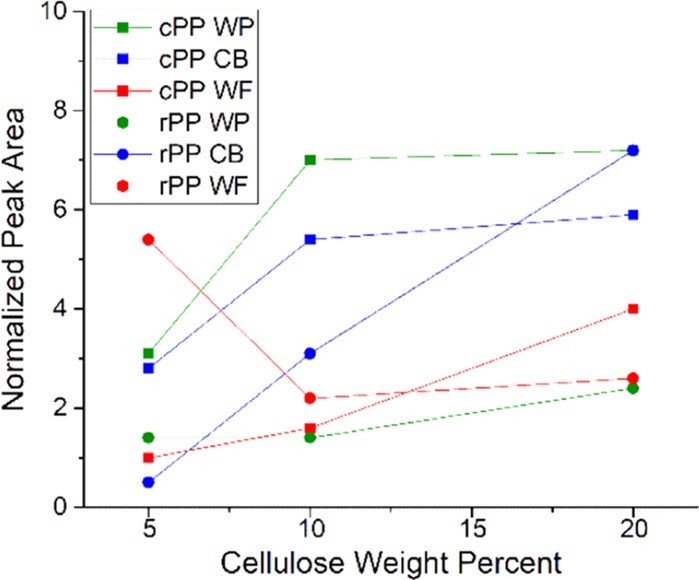
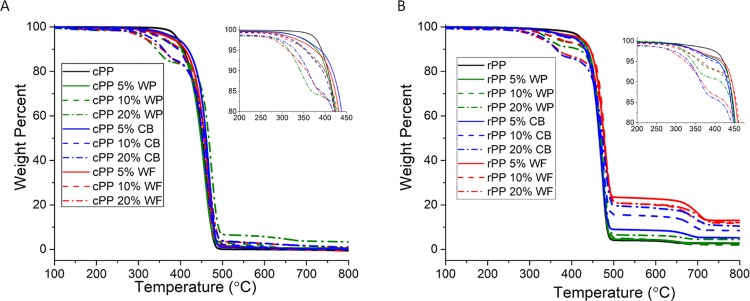
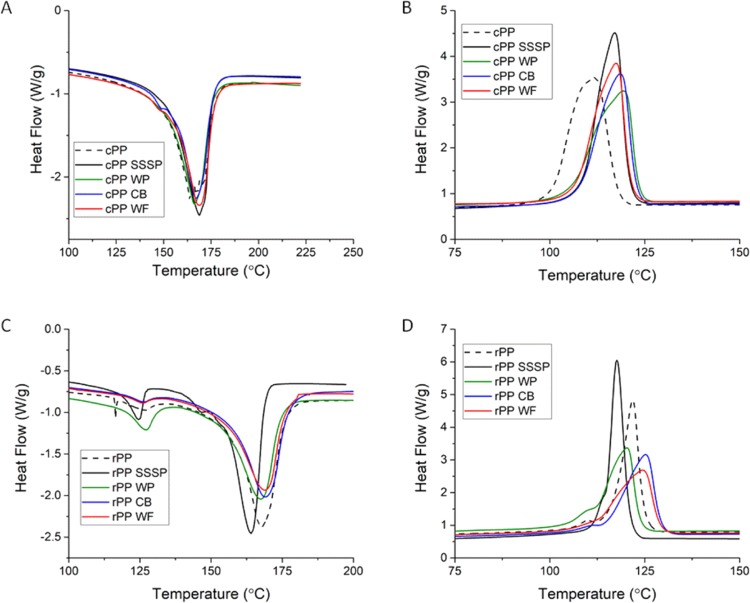
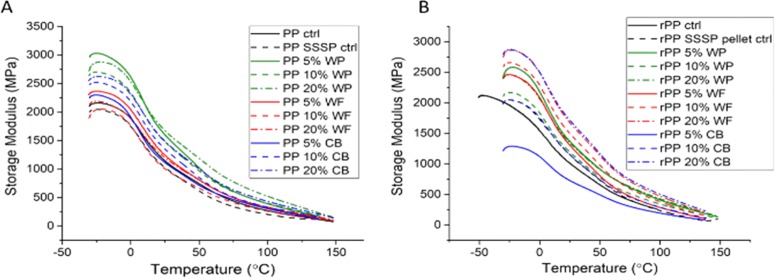
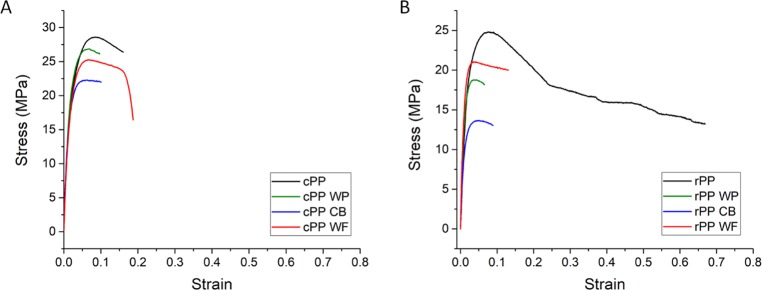
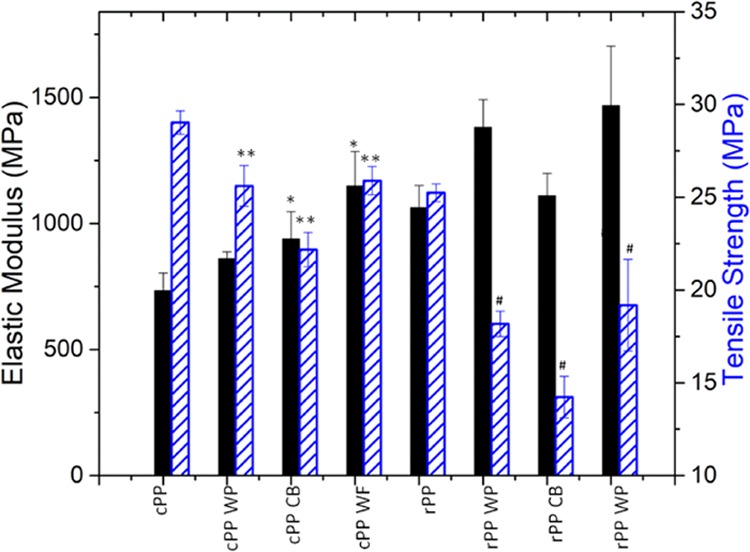
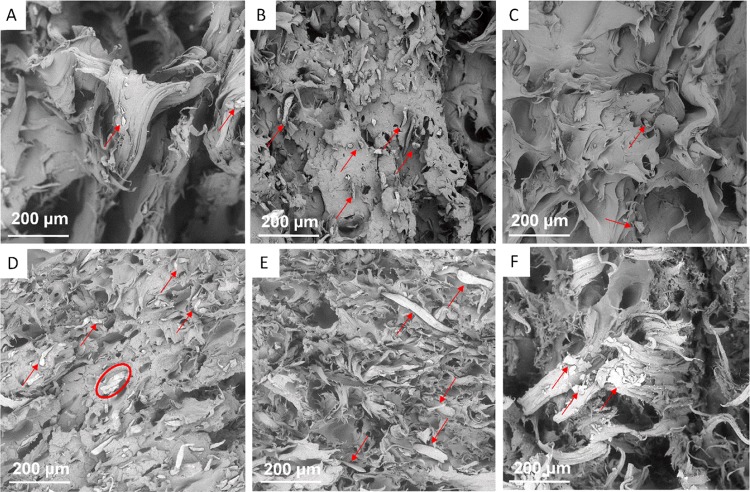
Many types of consumer-grade packaging can be used in material extrusion additive manufacturing processes, providing a high-value output for waste plastics. However, many of these plastics have reduced mechanical properties and increased warpage/shrinkage compared to those commonly used in three-dimensional (3D) printing. The addition of reinforcing materials can lead to stiffer parts with reduced distortion. This paper presents work in the reinforcement of recycled polypropylene using cellulose waste materials to generate a green composite feedstock for extrusion-based polymer additive manufacturing. Recycled polypropylene/waste paper, cardboard, and wood flour composites were made using a solid-state shear pulverization process. Fourier transform infrared and thermogravimetric analysis were utilized to qualitatively analyze the amount of filler incorporated into the 3D-printed materials. Recycled polymer composites had increased levels of filler incorporated in the printed parts compared to the virgin polymer composites based on the thermal gravimetric analysis. The dynamic mechanical analysis showed a ca. 20-30% increase in storage modulus with the addition of cellulose materials. Tensile strength was not significantly increased with the addition of 10 wt % cellulose, but the elastic modulus increased 38% in virgin polypropylene. The analysis of fracture surfaces revealed that failure initiates at the interface, suggesting that the interfacial strength is weaker than the filler strength.
许多类型的消费级包装可用于材料挤出增材制造工艺,为废塑料提供高价值产出。然而,与三维(3D)打印中常用的塑料相比,这些塑料中的许多机械性能有所降低,翘曲/收缩增加。添加增强材料可使部件更硬,变形更小。本文介绍了利用纤维素废料增强回收聚丙烯以生成用于挤出基聚合物增材制造的绿色复合原料的工作。使用固态剪切粉碎工艺制备了回收聚丙烯/废纸、纸板和木粉复合材料。利用傅里叶变换红外光谱和热重分析对3D打印材料中所含填料的量进行了定性分析。基于热重分析,与原始聚合物复合材料相比,回收聚合物复合材料在打印部件中所含填料水平有所提高。动态力学分析表明,添加纤维素材料后储能模量提高了约20-30%。添加10 wt%纤维素后,拉伸强度没有显著提高,但原始聚丙烯的弹性模量提高了38%。断口分析表明,破坏始于界面,这表明界面强度弱于填料强度。