Sezemský Jan, Primc Gregor, Vacková Taťana, Jeníková Zdeňka, Mozetič Miran, Špatenka Petr
Department of Materials Engineering, Faculty of Mechanical Engineering, Czech Technical University in Prague, 160 00 Prague, Czech Republic.
Department of Surface Engineering, Jozef Stefan Institute, 1000 Ljubljana, Slovenia.
Polymers (Basel). 2025 Apr 24;17(9):1154. doi: 10.3390/polym17091154.
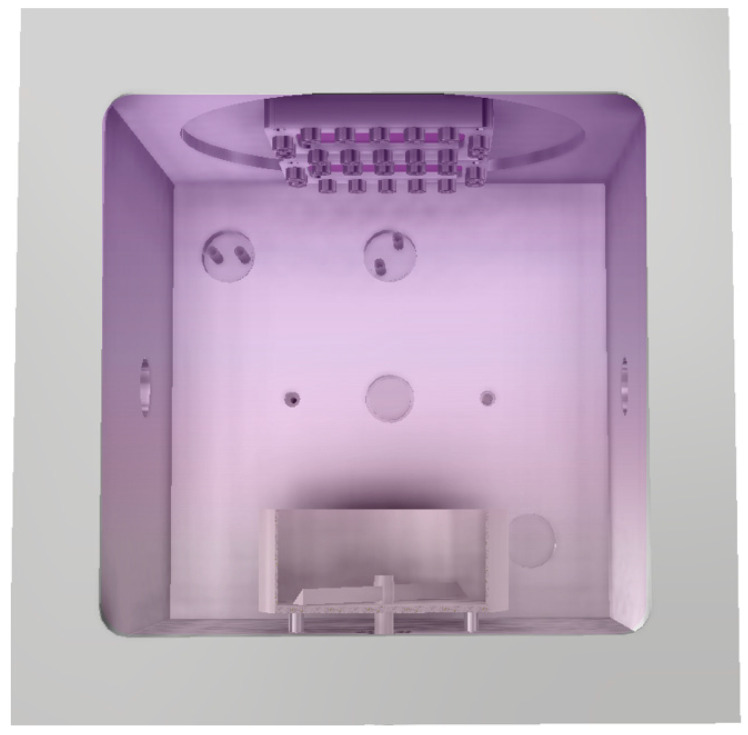
Optimisation of the tensile strength of thermoplastic polymer-matrix composites remains a scientific as well as technological challenge for 3D printing technology due to the mass application of composite materials. Inadequate mechanical properties are due to the mismatch in the surface energies of the polymer and fillers. In this study, an additively manufactured composite was 3D-printed and tested. The composite consisted of a linear low-density polyethylene matrix filled with glass fibres. Composite filaments were extruded from neat and plasma-treated polymer powders. Plasma was sustained in oxygen at 100 Pa by a pulsed microwave discharge, and 250 g of polymer powder of average diameter 150 µm was placed into a dish and stirred during the plasma treatment. The O-atom density at the position of the dish containing polymer powder was about 2 × 10 m, and the treatment time was varied up to 30 min. A gradual improvement in the composites' tensile and flexural strength was observed at the plasma treatment time up to about 10 min, and the mechanical properties remained unchanged with prolonged treatment time. The tensile strength of composites prepared from plasma-treated polymer increased by one-third compared to those based on untreated powder. However, reinforcing the modified polyethylene with plasma-treated glass fibres did not result in further significant mechanical improvement compared to untreated fibres. In contrast, strength values doubled using glass fibres with silane sizing in combination with plasma-modified matrix. The results were explained by the increased surface energy of the polymer powder due to functionalisation with polar functional groups during plasma treatment.
由于复合材料的大量应用,优化热塑性聚合物基复合材料的拉伸强度对3D打印技术而言仍然是一项科学及技术挑战。机械性能不足是由于聚合物与填料表面能不匹配所致。在本研究中,对一种增材制造的复合材料进行了3D打印及测试。该复合材料由填充玻璃纤维的线性低密度聚乙烯基体组成。复合长丝由纯净的和经等离子体处理的聚合物粉末挤出而成。通过脉冲微波放电在100 Pa的氧气中维持等离子体,将250 g平均直径为150 µm的聚合物粉末放入盘中,并在等离子体处理过程中进行搅拌。装有聚合物粉末的盘位置处的O原子密度约为2×10 m,处理时间最长可达30分钟。在等离子体处理时间长达约10分钟时,观察到复合材料的拉伸强度和弯曲强度逐渐提高,且随着处理时间延长,机械性能保持不变。与基于未处理粉末制备的复合材料相比,由经等离子体处理的聚合物制备的复合材料的拉伸强度提高了三分之一。然而,与未处理的纤维相比,用经等离子体处理的玻璃纤维增强改性聚乙烯并未导致机械性能进一步显著改善。相比之下,使用含硅烷上浆的玻璃纤维与等离子体改性基体相结合,强度值翻倍。这些结果可通过等离子体处理过程中聚合物粉末因极性官能团功能化而增加的表面能来解释。