The Laboratory of Biopolymers for Food and Health, Department of Biotechnology and Food Engineering, Technion - Israel Institute of Technology, 3200000, Haifa, Israel.
The Fred Wyszkowski Cancer Research Laboratory, Department of Biology, Technion - Israel Institute of Technology, 3200000, Haifa, Israel.
Cell Death Dis. 2019 Sep 20;10(10):702. doi: 10.1038/s41419-019-1870-0.
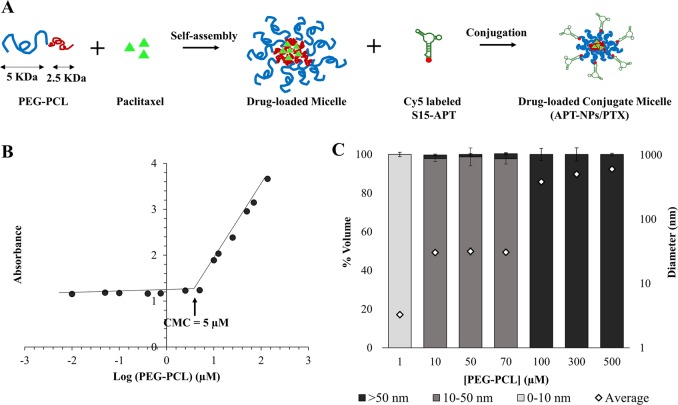
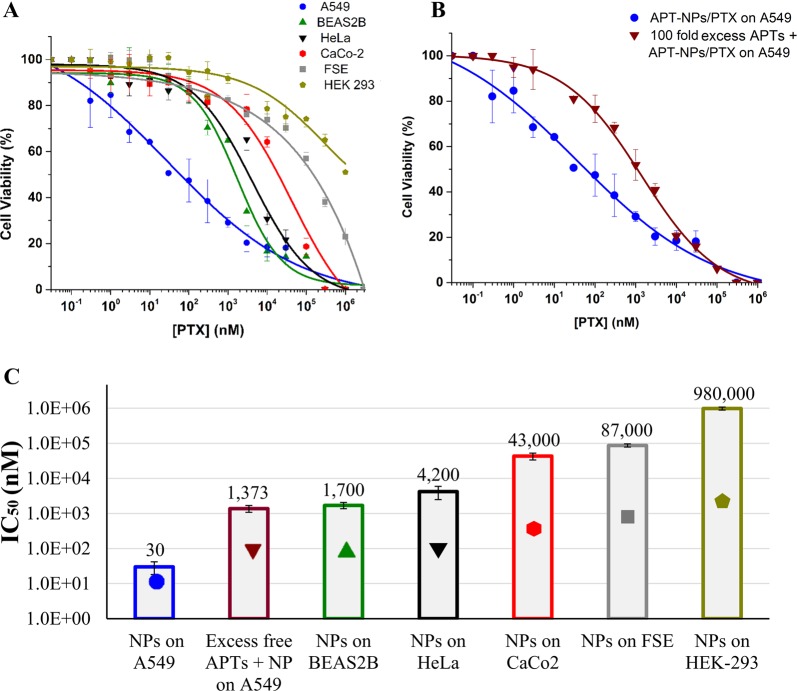
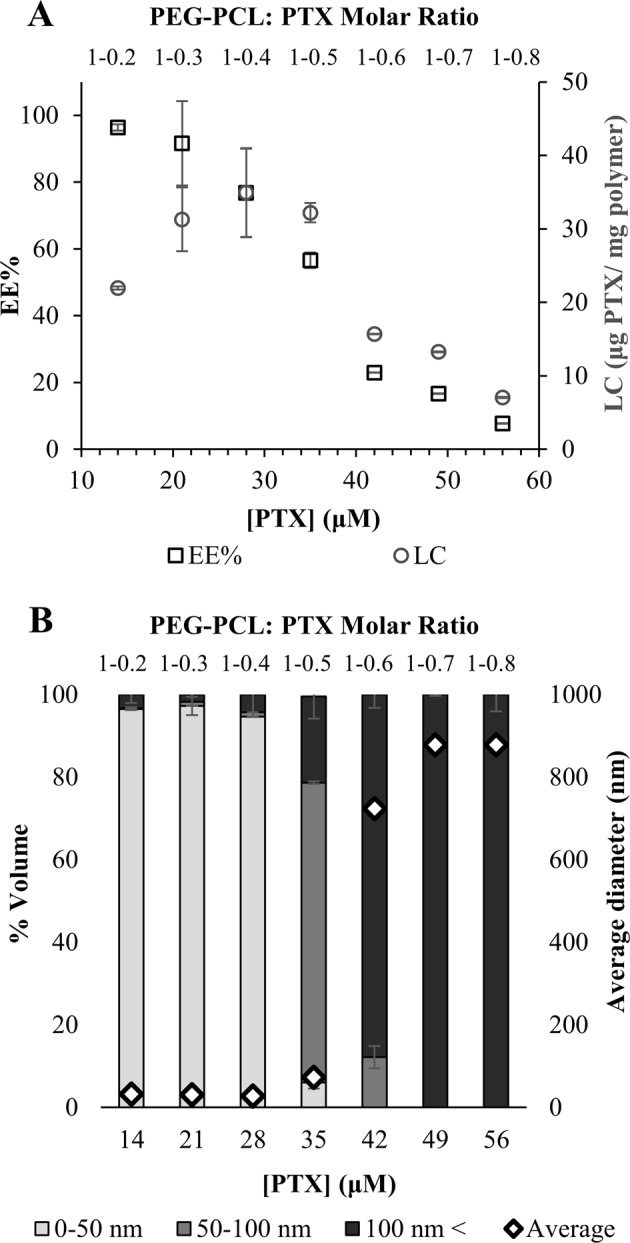
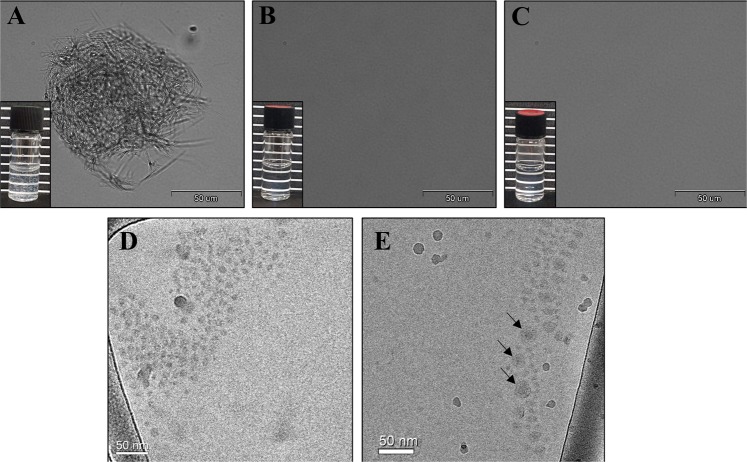
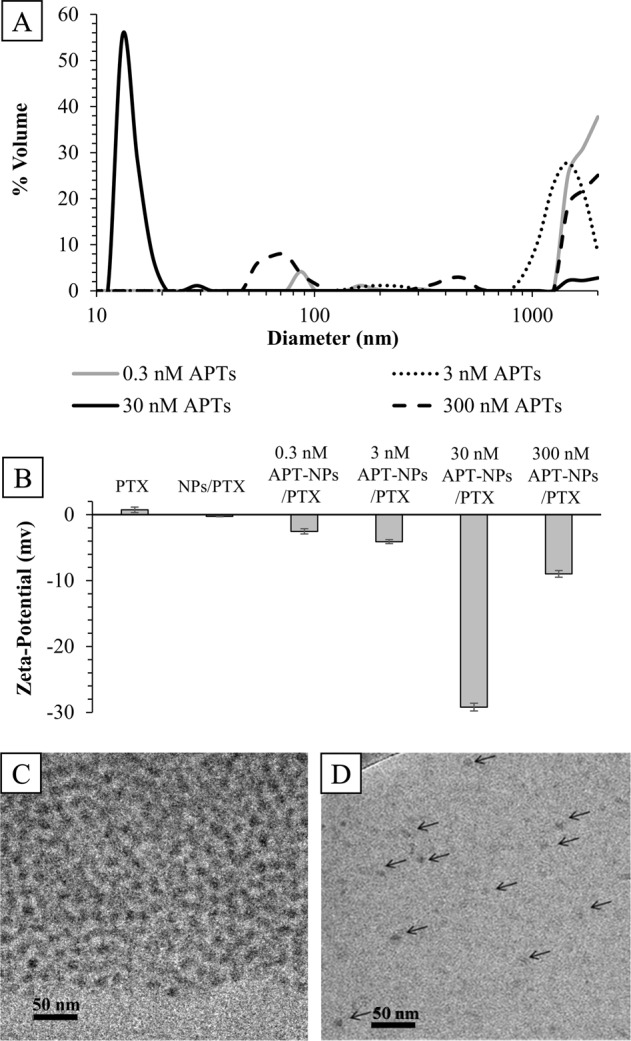
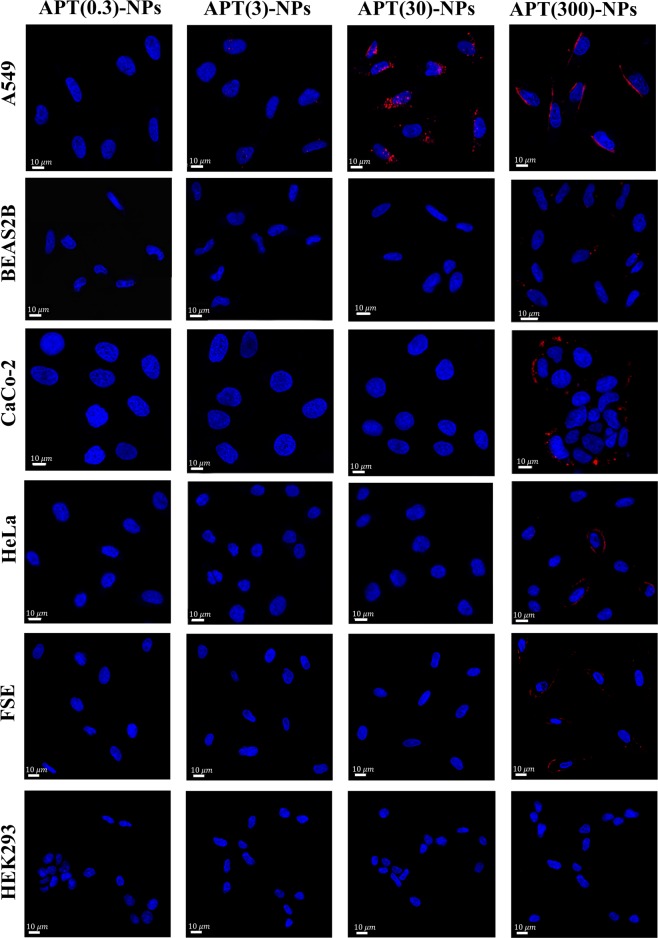
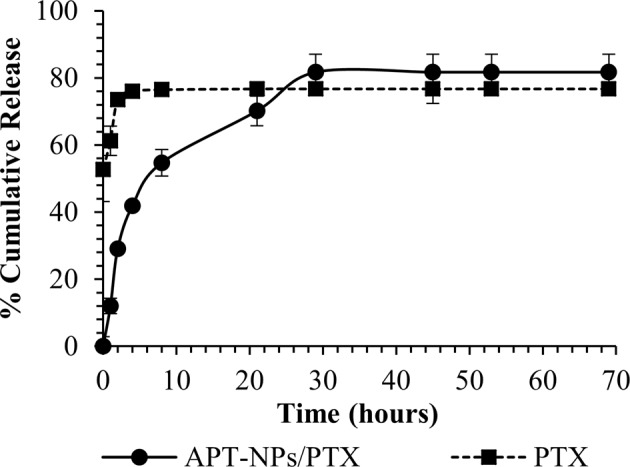
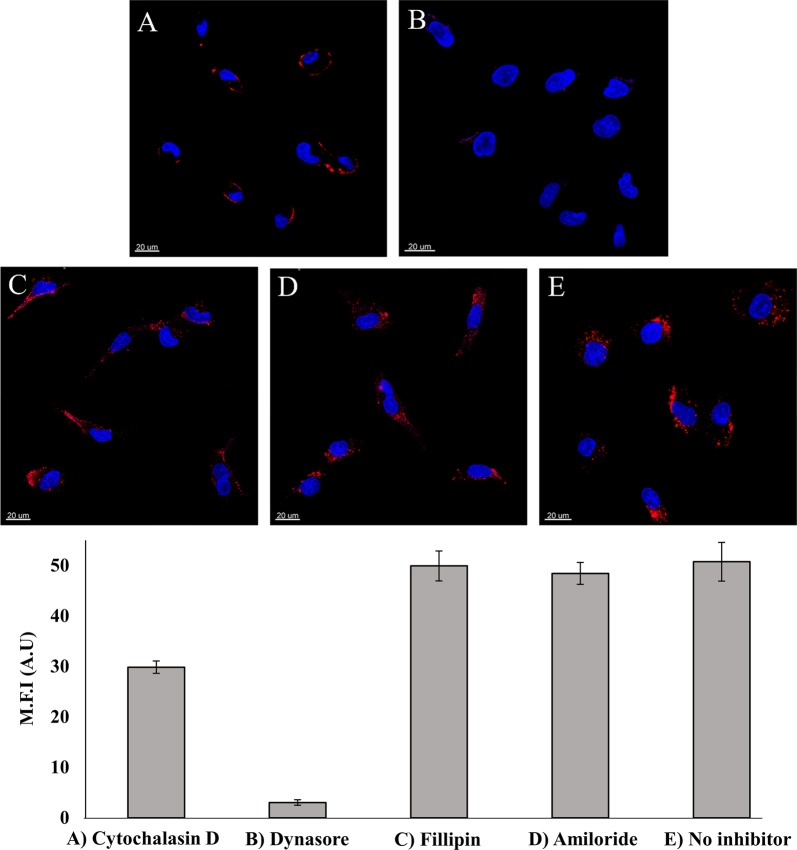
Targeted cancer therapy is currently the leading modality to enhance treatment selectivity and efficacy, as well as to minimize untoward toxicity to healthy tissues. Herein, we devised and studied nanoparticles (NPs) composed of the biocompatible block-copolymer PEG-PCL entrapping the hydrophobic chemotherapeutic drug paclitaxel (PTX), which are targeted to human non-small cell lung cancer (NSCLC) cells. To achieve selective NSCLC targeting, these NPs were decorated with single-stranded oligonucleotide-based S15 aptamers (S15-APTs), which we have recently shown to serve as efficient tumor cell targeting ligands. Prepared without using surfactants, these 15 nm PEG-PCL/PTX NPs entered NSCLC cells via clathrin-mediated endocytosis. These NPs demonstrated efficient encapsulation of PTX, high selectivity to- and potent eradication of human A549 NSCLC cells, with a remarkable half maximal inhibitory concentration (IC) of 0.03 μM PTX. In contrast, very high IC values of 1.7, 4.2, 43, 87, and 980 µM PTX were obtained towards normal human bronchial epithelial BEAS2B, cervical carcinoma HeLa, colon adenocarcinoma CaCo-2, neonatal foreskin fibroblast FSE, and human embryonic kidney HEK-293 cells, respectively. These results demonstrate 2-5 orders of magnitude difference in the selective cytotoxicity towards NSCLCs, reflecting a potentially outstanding therapeutic window. Moreover, the dual utility of aptamer-decorated NPs for both drug stabilization and selective tumor targeting was studied by increasing APT concentrations during NP "decoration". The optimal aptamer density on the surface of NPs for selective targeting, for high fluorescence diagnostic signal and for maintaining small particle size to enable endocytosis, was achieved by using 30 nM APTs during NP decoration. Collectively, our findings suggest that these APT-decorated NPs hold great preclinical promise in selective targeting and eradication of human NSCLC cells without harming normal tissues.
靶向癌症治疗目前是提高治疗选择性和疗效、最大程度减少对健康组织不良毒性的主要手段。在此,我们设计并研究了由生物相容性嵌段共聚物 PEG-PCL 组成的纳米颗粒(NPs),其中包埋了疏水性化疗药物紫杉醇(PTX),靶向人非小细胞肺癌(NSCLC)细胞。为了实现选择性 NSCLC 靶向,这些 NPs 用单链寡核苷酸 S15 适体(S15-APTs)进行了修饰,我们最近发现这些适体是有效的肿瘤细胞靶向配体。这些 NPs 是在不使用表面活性剂的情况下制备的,通过网格蛋白介导的内吞作用进入 NSCLC 细胞。这些 NPs 表现出对 PTX 的高效包封、对人 A549 NSCLC 细胞的高选择性和强大的清除作用,PTX 的半最大抑制浓度(IC)为 0.03 μM。相比之下,对正常的人支气管上皮细胞 BEAS2B、宫颈癌细胞 HeLa、结肠腺癌 CaCo-2、新生儿包皮成纤维细胞 FSE 和人胚肾 HEK-293 细胞,PTX 的 IC 值分别高达 1.7、4.2、43、87 和 980 μM。这些结果表明,对 NSCLC 的选择性细胞毒性差异高达 2-5 个数量级,反映出潜在的突出治疗窗口。此外,通过在 NP“修饰”过程中增加适体浓度,研究了适体修饰 NP 对药物稳定和选择性肿瘤靶向的双重作用。通过在 NP 修饰过程中使用 30 nM 的 APT,实现了选择性靶向、高荧光诊断信号和保持小颗粒尺寸以实现内吞作用所需的 NP 表面最佳适体密度。总的来说,我们的研究结果表明,这些 APT 修饰的 NPs 在选择性靶向和消除人 NSCLC 细胞而不伤害正常组织方面具有很大的临床前潜力。