Losada-Garcia Noelia, Berenguer-Murcia Angel, Cazorla-Amorós Diego, Palomo Jose M
Department of Biocatalysis. Institute of Catalysis (CSIC). Marie Curie 2. Cantoblanco. Campus UAM, 28049 Madrid, Spain.
Instituto Universitario de Materiales y Departamento de Química Inorgánica, Universidad de Alicante, Apartado 99, San Vicente del Raspeig, E-03080 Alicante, Spain.
Nanomaterials (Basel). 2019 Sep 19;9(9):1344. doi: 10.3390/nano9091344.
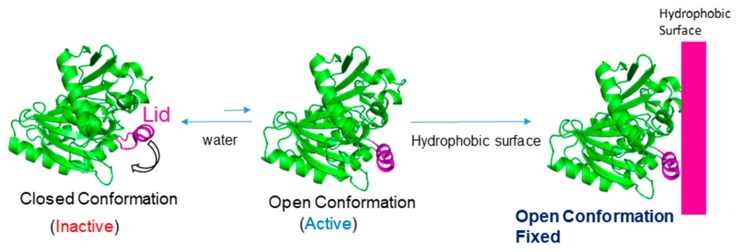
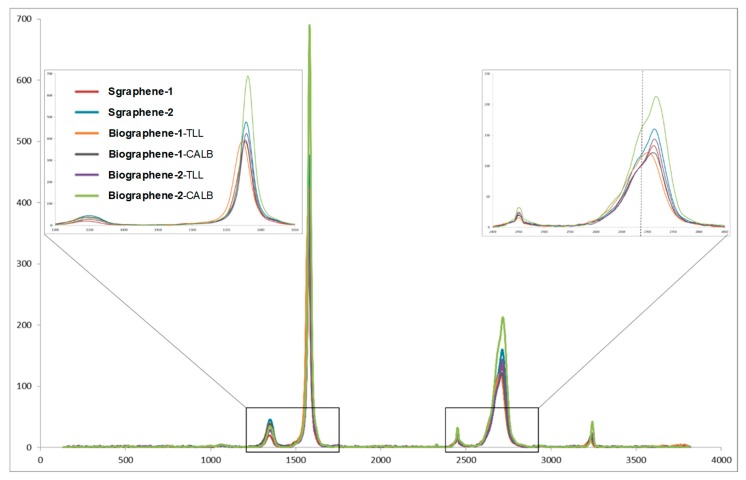
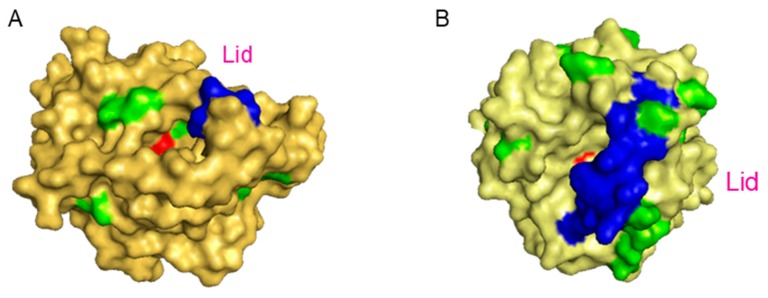
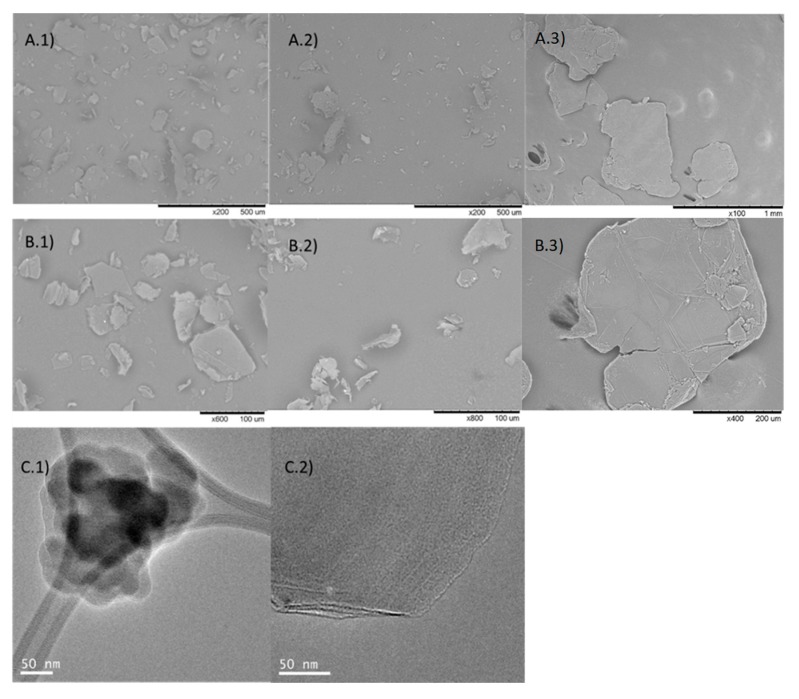
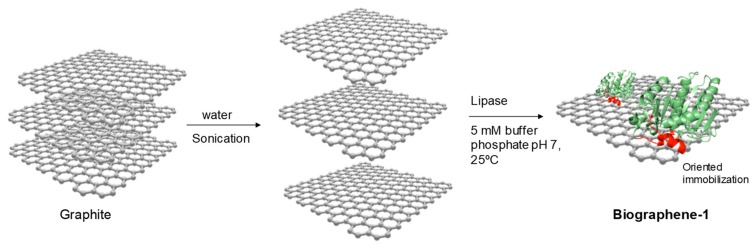
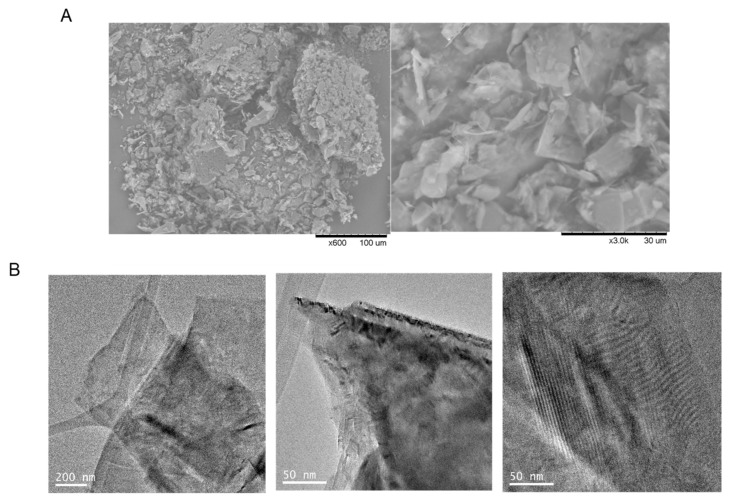
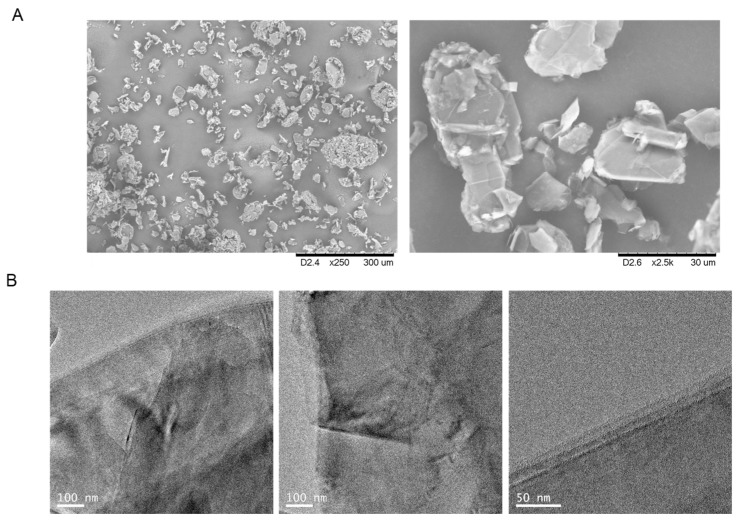
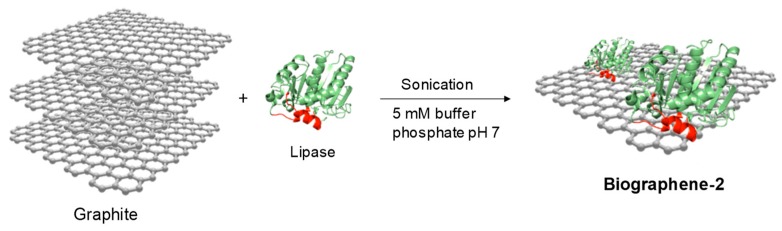
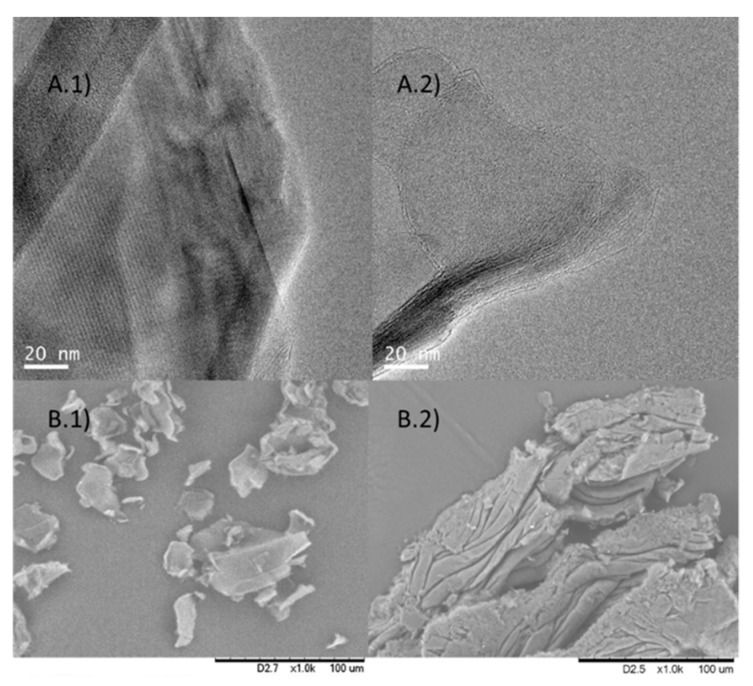
Biographene was successfully produced in water from graphite flakes by a simple, rapid, and efficient methodology based on a bioexfoliation technology. The methodology consisted in the application of a lipase, with a unique mechanism of interaction with hydrophobic surfaces, combined with a previous mechanical sonication, to selectively generate lipase-graphene sheets conjugates in water at room temperature. The adsorption of the lipase on the graphene sheets permits to keep the sheets separated in comparison with other methods. It was possible to obtain more than 80% of graphene (in the form of multi-layer graphene) from low-cost graphite and with less damage compared to commercial graphene oxide (GO) or reduced GO. Experimental analysis demonstrated the formation of multi-layer graphene (MLG) mainly using lipase from (TLL).
通过基于生物剥离技术的简单、快速且高效的方法,成功地在水中由石墨薄片制备出了生物石墨烯。该方法包括应用一种与疏水表面具有独特相互作用机制的脂肪酶,并结合先前的机械超声处理,以在室温下于水中选择性地生成脂肪酶 - 石墨烯片共轭物。与其他方法相比,脂肪酶在石墨烯片上的吸附使得这些片层保持分离状态。与商用氧化石墨烯(GO)或还原型GO相比,能够以低成本石墨获得超过80%的石墨烯(以多层石墨烯形式),且损伤更小。实验分析表明主要使用来自(TLL)的脂肪酶形成了多层石墨烯(MLG)。