Wang Ji, Liu Yunxia, Lian Kun, Shentu Xinyi, Fang Junwei, Shao Jing, Chen Mengping, Wang Yibin, Zhou Meiyi, Sun Haipeng
Department of Pathophysiology, Hongqiao International Institute of Medicine, Tongren Hospital, Key Laboratory of Cell Differentiation and Apoptosis of Chinese Ministry of Education, Shanghai Jiao Tong University School of Medicine, Shanghai, China.
Department of Cardiology, Xijing Hospital, Fourth Military Medical University, Xi'an, China.
Front Physiol. 2019 Sep 4;10:1140. doi: 10.3389/fphys.2019.01140. eCollection 2019.
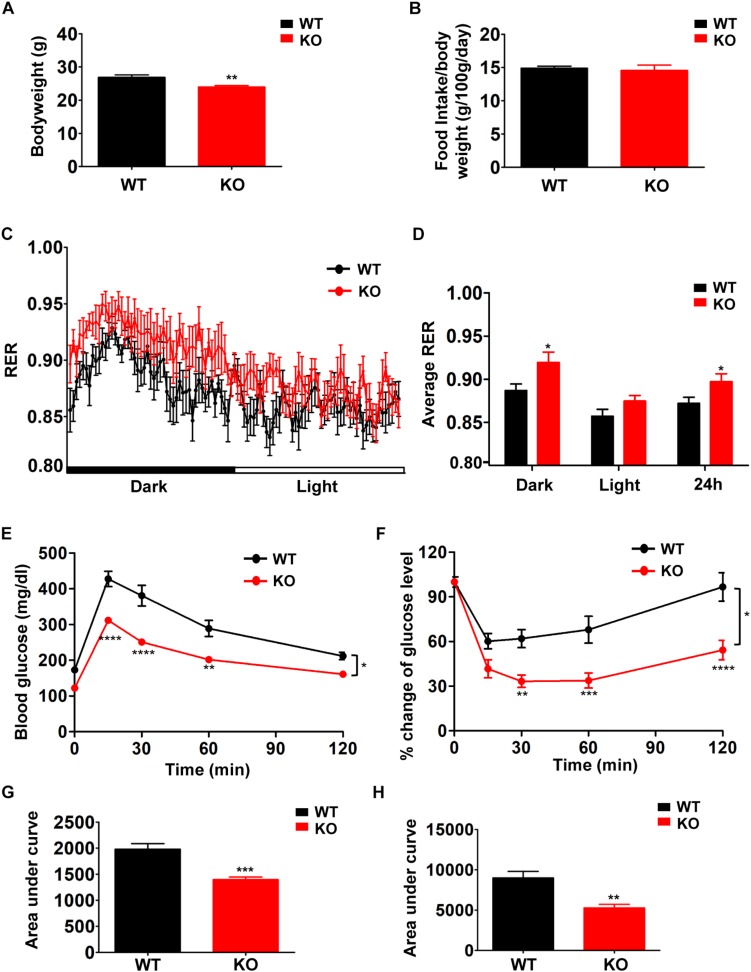
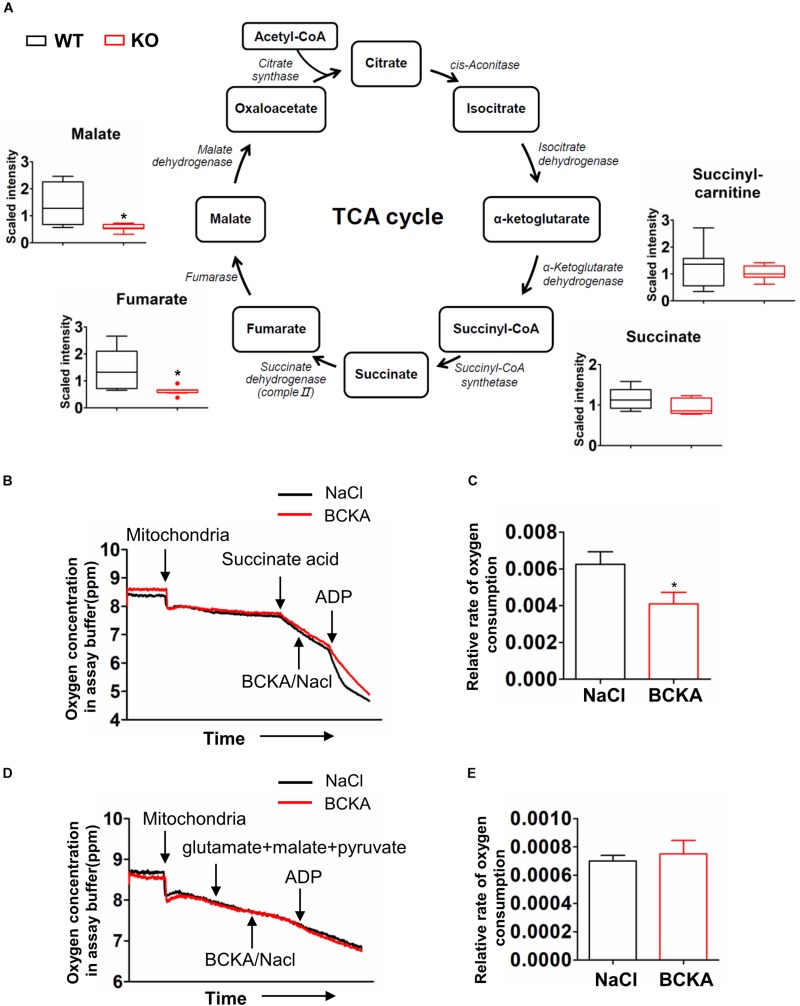
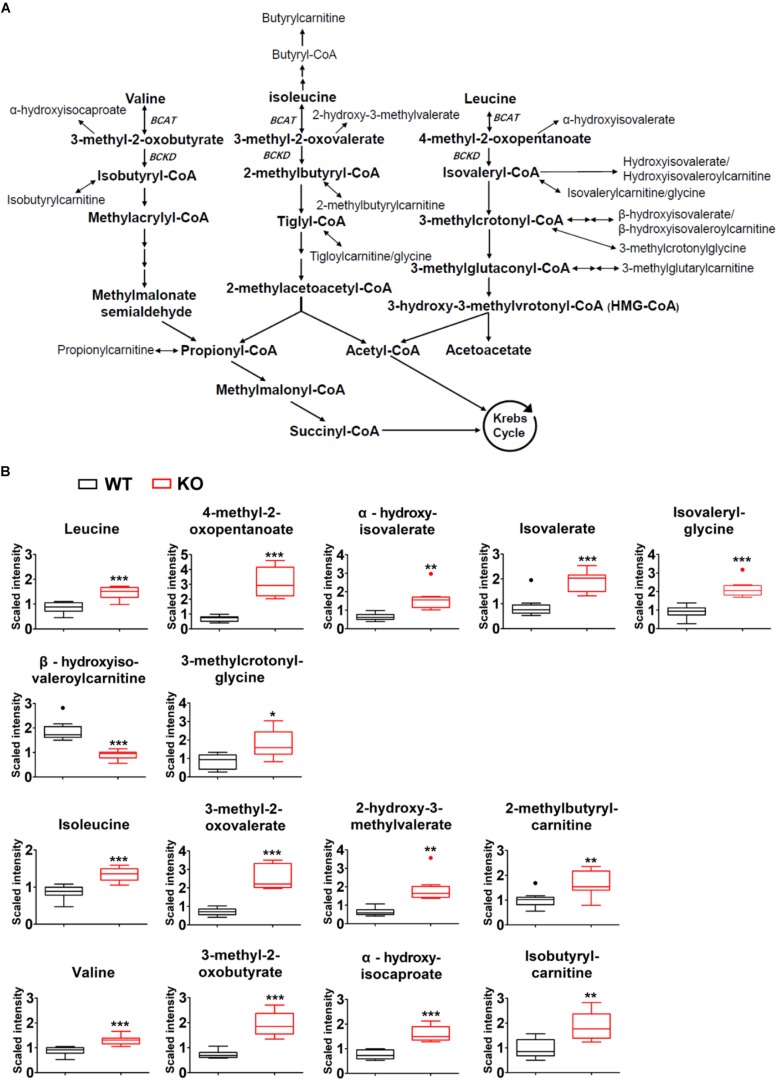
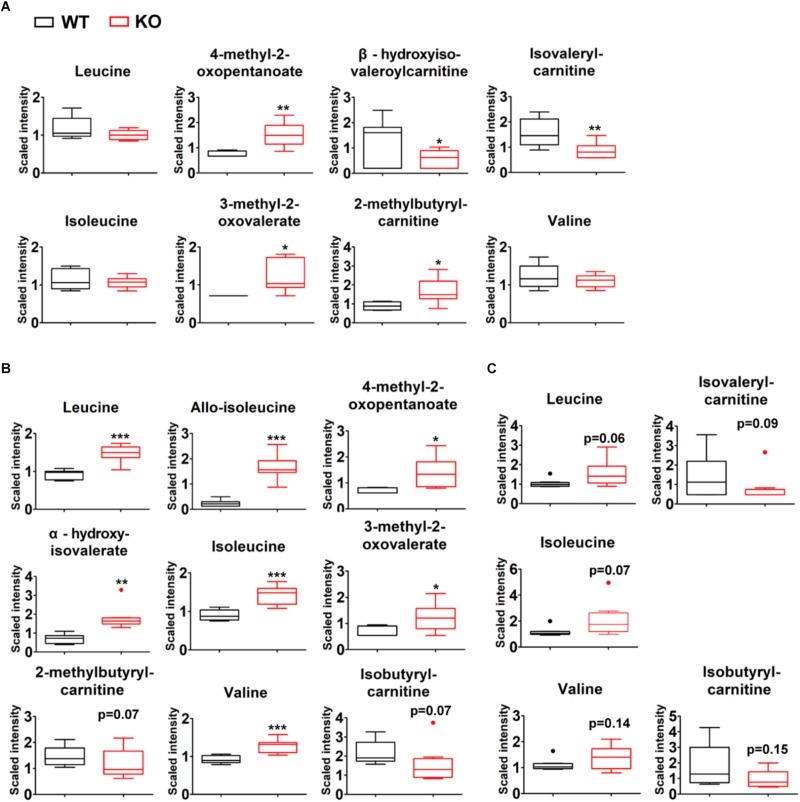
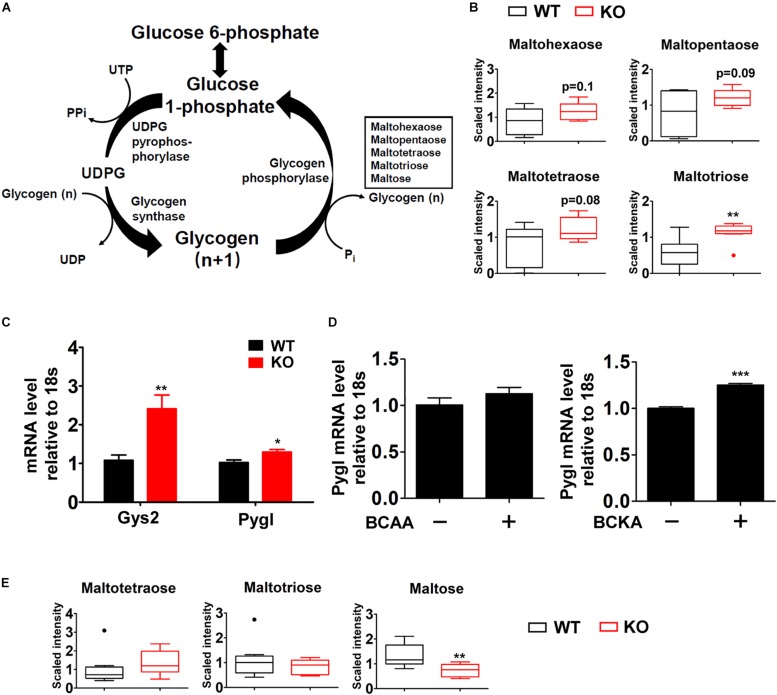
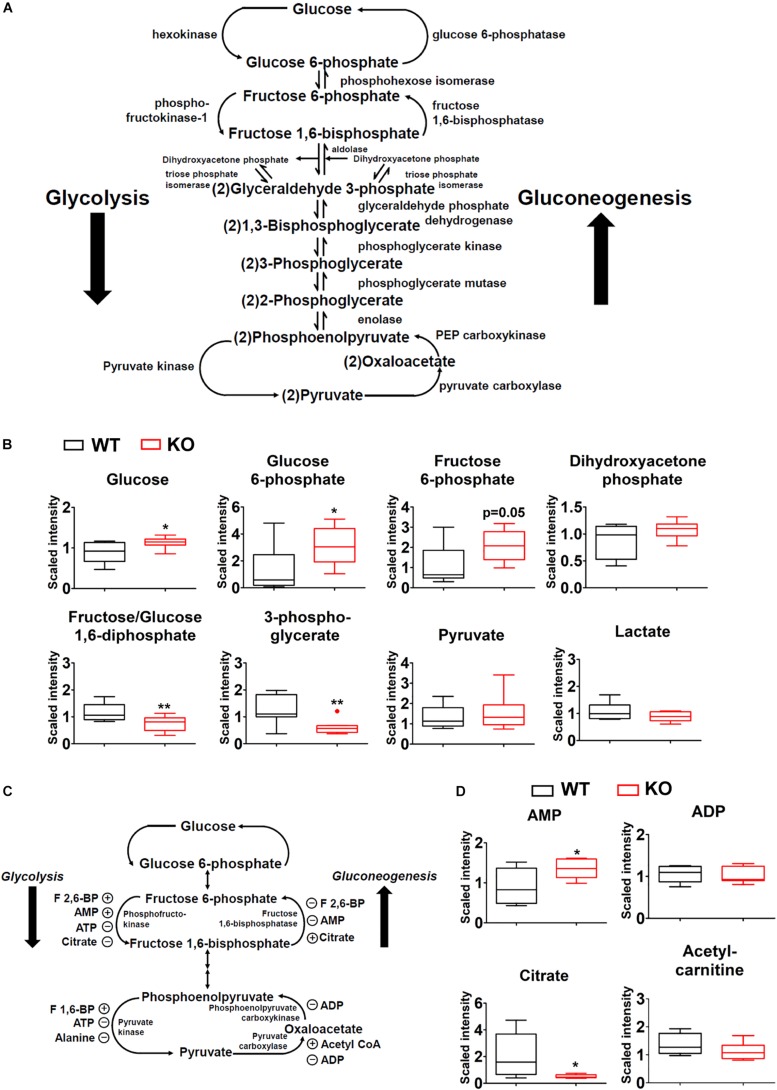
Recent studies show branched-chain amino acid (BCAA) catabolic pathway is defective in obese animals and humans, contributing to the pathogenesis of insulin resistance and diabetes. However, in the context of obesity, various processes including the dysfunctional lipid metabolism can affect insulin sensitivity and glycemic regulation. It remains unclear how BCAA catabolic defect may exert direct impacts on glucose metabolism without the disturbance of obesity. The current study characterized the glucose metabolism in lean mice in which the genetic deletion of PP2Cm leads to moderate BCAA catabolic defect. Interestingly, compared to the wildtype control, lean PP2Cm deficient mice showed enhanced insulin sensitivity and glucose tolerance, lower body weight, and the preference for carbohydrate over lipids utilization. Metabolomics profiling of plasma and tissues revealed significantly different metabolic patterns in the PP2Cm deficient mice, featured by the marked alterations in glucose metabolic processes, including gluconeogenesis/glycolysis, glycogen metabolism, and tricarboxylic acid cycle. The metabolic changes of glucose were predominantly observed in liver but not skeletal muscle or white adipose tissue. The elevated branched-chain keto acids (BCKAs) resulted from the BCAA catabolic defect may play a critical role in regulating the expression of key regulators of glucose metabolic processes and the activity of respiratory Complex II/succinate dehydrogenase in TCA cycle. Together, these results show BCAA catabolic defect significantly alters glucose metabolism in lean mice with some impacts different or even opposite from those in obese mice, highlighting the critical role of BCAA catabolism in glycemic regulation and the complex interplay between macronutrients in lean and obese animals.
最近的研究表明,支链氨基酸(BCAA)分解代谢途径在肥胖动物和人类中存在缺陷,这有助于胰岛素抵抗和糖尿病的发病机制。然而,在肥胖的情况下,包括脂质代谢功能障碍在内的各种过程都会影响胰岛素敏感性和血糖调节。目前尚不清楚BCAA分解代谢缺陷如何在不干扰肥胖的情况下对葡萄糖代谢产生直接影响。当前的研究对瘦小鼠的葡萄糖代谢进行了表征,其中PP2Cm的基因缺失导致中度BCAA分解代谢缺陷。有趣的是,与野生型对照相比,瘦的PP2Cm缺陷小鼠表现出增强的胰岛素敏感性和葡萄糖耐量、较低的体重以及对碳水化合物而非脂质利用的偏好。血浆和组织的代谢组学分析揭示了PP2Cm缺陷小鼠中显著不同的代谢模式,其特征是葡萄糖代谢过程中的明显改变,包括糖异生/糖酵解、糖原代谢和三羧酸循环。葡萄糖的代谢变化主要在肝脏中观察到,而不是在骨骼肌或白色脂肪组织中。BCAA分解代谢缺陷导致的支链酮酸(BCKA)升高可能在调节葡萄糖代谢过程关键调节因子的表达以及三羧酸循环中呼吸复合体II/琥珀酸脱氢酶的活性方面发挥关键作用。总之,这些结果表明,BCAA分解代谢缺陷显著改变了瘦小鼠的葡萄糖代谢,其一些影响与肥胖小鼠不同甚至相反,突出了BCAA分解代谢在血糖调节中的关键作用以及瘦和肥胖动物中大量营养素之间的复杂相互作用。