Guedes Janesca Mansur, Pieri Bruno Luiz da Silva, Luciano Thaís Fernandes, Marques Schérolin de Oliveira, Guglielmo Luiz Guilherme Antonacci, Souza Claudio Teodoro de
Universidade Regional Integrada do Alto Uruguai e das Missões, Erechim, RS, Brazil.
Universidade do Extremo Sul Catarinense, Criciúma, SC, Brazil.
Einstein (Sao Paulo). 2019 Sep 23;18:eAO4784. doi: 10.31744/einstein_journal/2020AO4784. eCollection 2020.
To evaluate the effect of three types of muscular resistance training on adiposity, inflammation levels and insulin activity in Swiss mice with fat-rich diet-induced obesity.
Lean and obese male Swiss mice were selected and allocated to one of eight groups comprising eight mice each, as follows: standard diet + no training; standard diet + muscular resistance training; standard diet + hypertrophy training; standard diet + strength training; high-fat diet + no training; high-fat diet + muscular resistance training; high-fat diet + hypertrophy training; high-fat diet + strength training. The training protocol consisted of stair climbing for a 10-week period. Blood samples were collected for lactate analysis, glucose level measurement and insulin tolerance test. After euthanasia, adipose tissues were removed and weighed for adiposity index determination. Fragments of epididymal adipose tissue were then embedded for histological analysis or homogenized for tumor necrosis factor alpha level determination using the ELISA method.
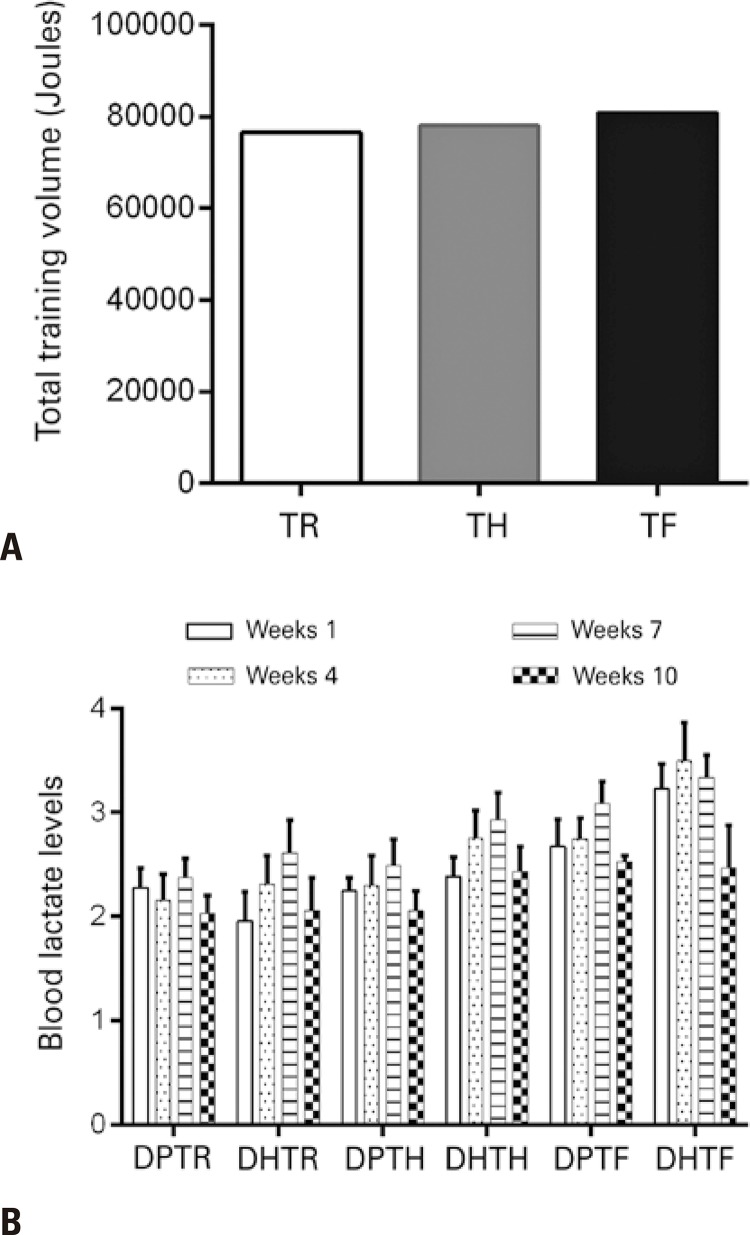
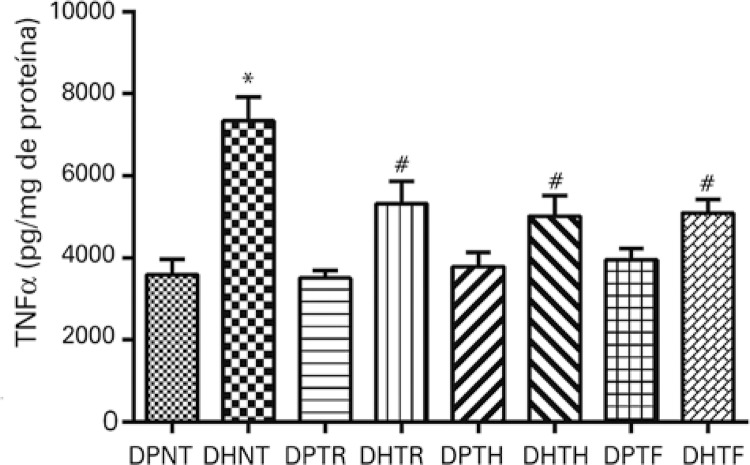
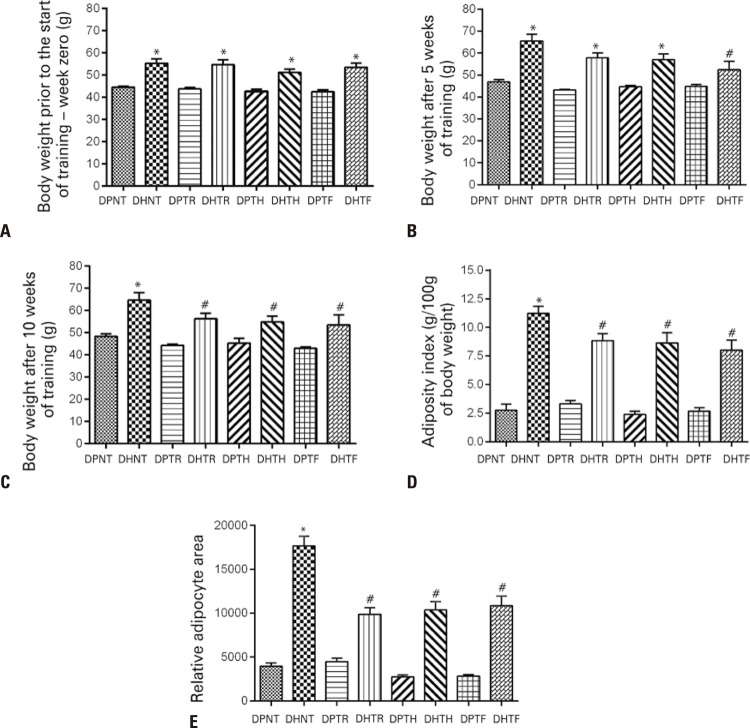
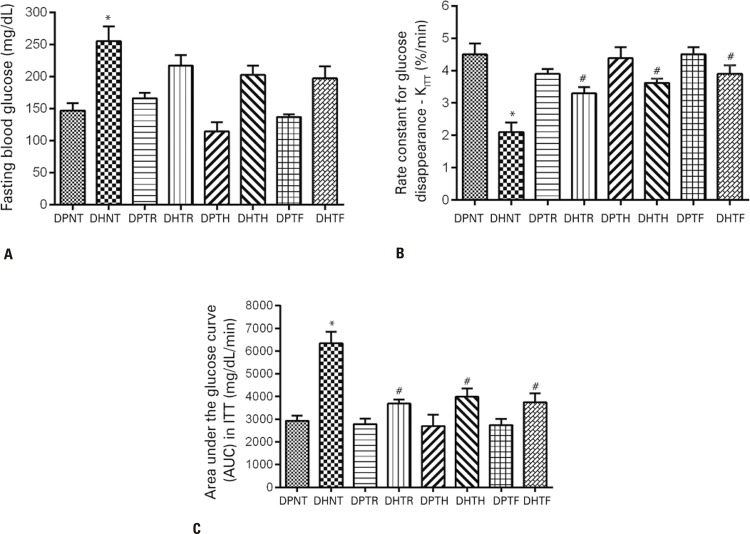
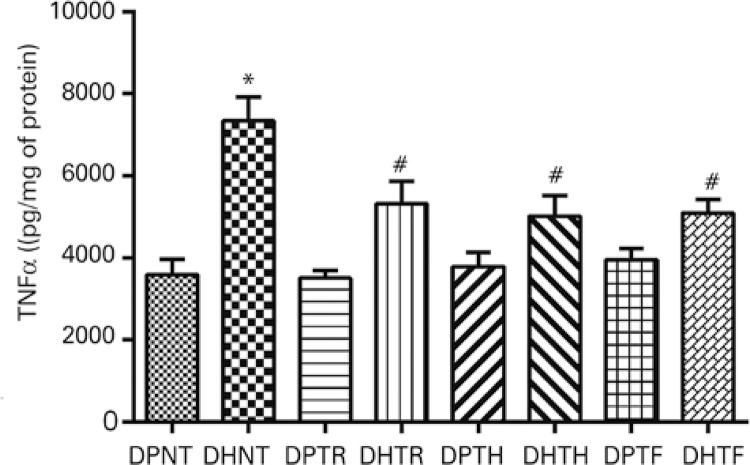
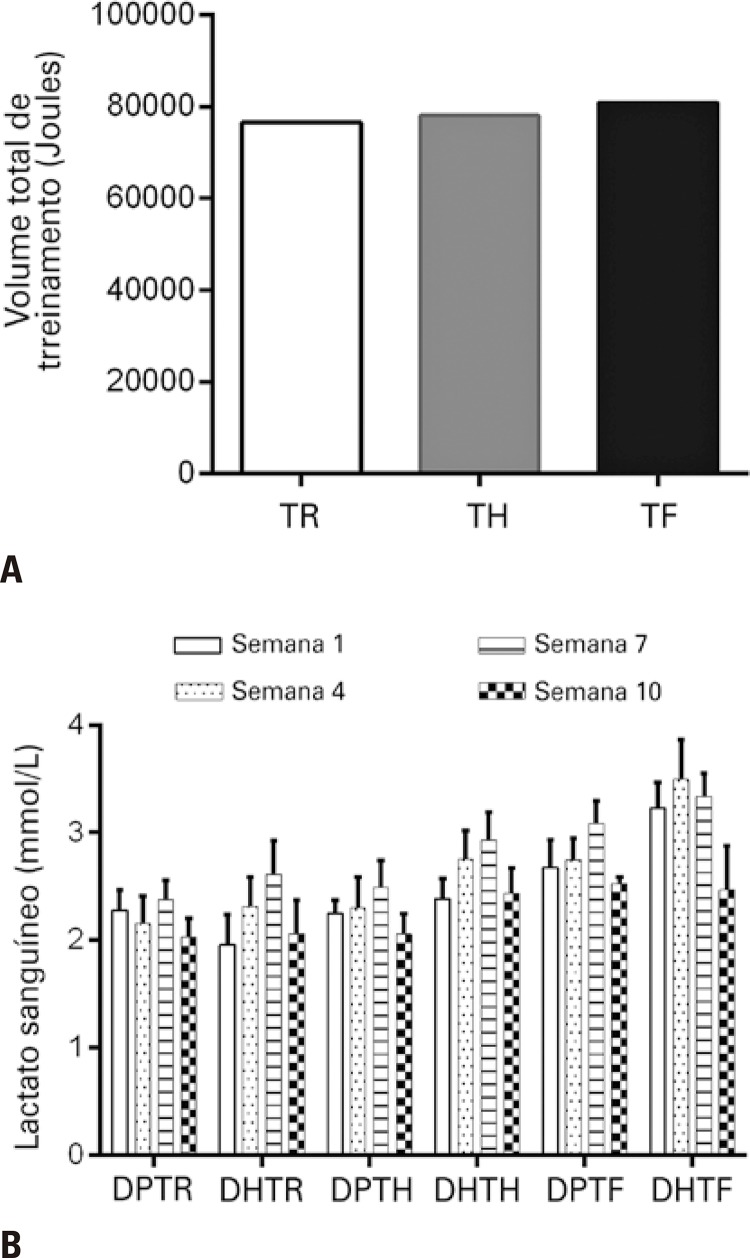
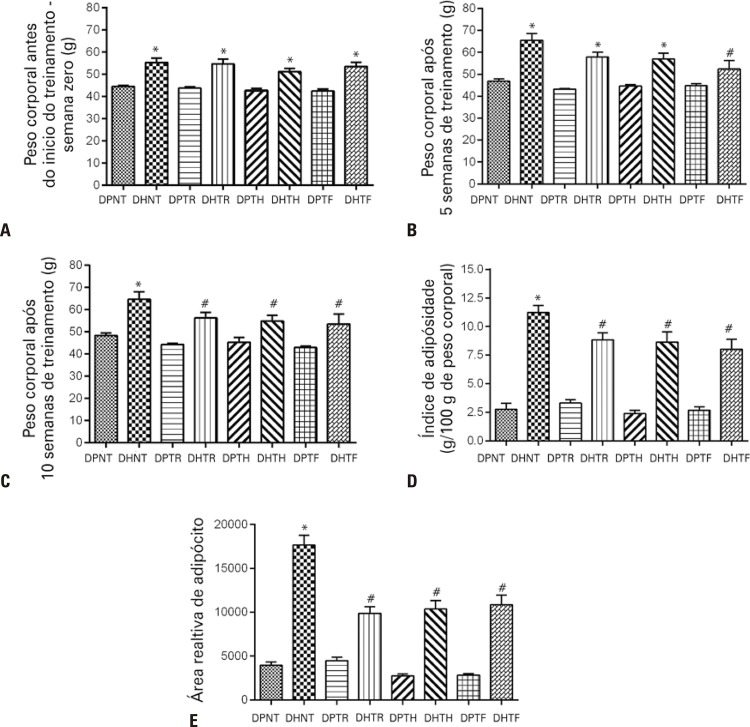
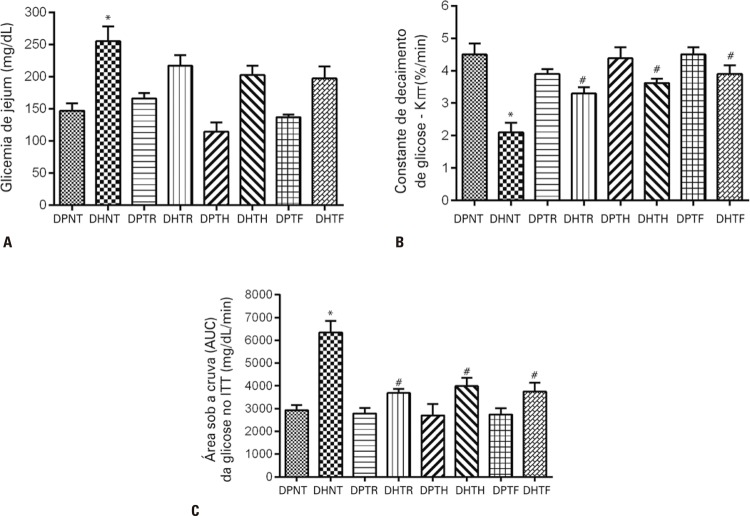
Ausency of differences in total training volume and blood lactate levels overall emphasize the similarity between the different resistance training protocols. Body weight loss, reduced adipocyte area and lower adiposity index were observed in trained obese mice, regardless of training modality. Different training protocols also improved insulin sensitivity and reduced inflammation levels.
Resistance training protocols were equally effective in reducing body fat, inflammation levels and insulin resistance in obese mice.
评估三种类型的肌肉抗阻训练对高脂饮食诱导肥胖的瑞士小鼠的肥胖程度、炎症水平和胰岛素活性的影响。
选取瘦型和肥胖型雄性瑞士小鼠,将其分为八组,每组八只,分组如下:标准饮食 + 无训练;标准饮食 + 肌肉抗阻训练;标准饮食 + 肥大训练;标准饮食 + 力量训练;高脂饮食 + 无训练;高脂饮食 + 肌肉抗阻训练;高脂饮食 + 肥大训练;高脂饮食 + 力量训练。训练方案包括为期10周的爬楼梯训练。采集血样进行乳酸分析、血糖水平测量和胰岛素耐量试验。安乐死后,取出脂肪组织并称重以测定肥胖指数。然后将附睾脂肪组织碎片包埋进行组织学分析,或匀浆后用ELISA法测定肿瘤坏死因子α水平。
总训练量和血乳酸水平无差异,总体上强调了不同抗阻训练方案之间的相似性。无论训练方式如何,训练过的肥胖小鼠均出现体重减轻、脂肪细胞面积减小和肥胖指数降低的情况。不同的训练方案还改善了胰岛素敏感性并降低了炎症水平。
抗阻训练方案在降低肥胖小鼠的体脂、炎症水平和胰岛素抵抗方面同样有效。