Department of Cell Biology, New York University School of Medicine, New York, NY10016.
Research Unit, Hospital Joan XXIII, Institut de Investigacio Sanitaria Pere Virgili (IISPV), Universitat Rovira i Virgili, Tarragona 43007, Spain.
Mol Biol Cell. 2019 Nov 15;30(24):2969-2984. doi: 10.1091/mbc.E19-05-0284. Epub 2019 Oct 2.
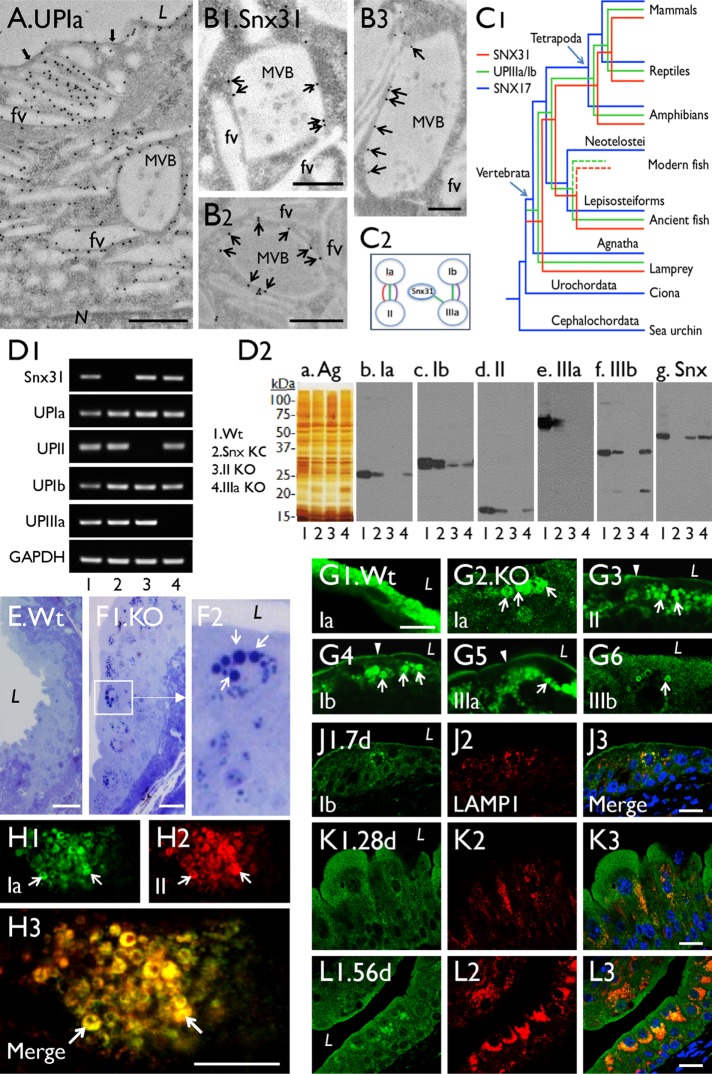
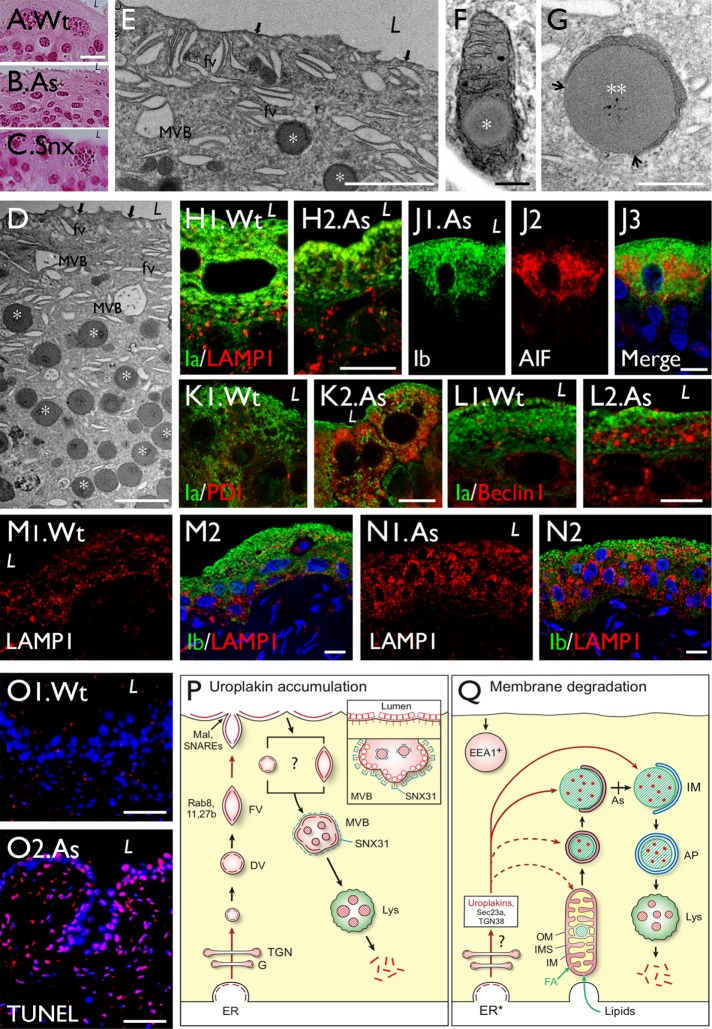
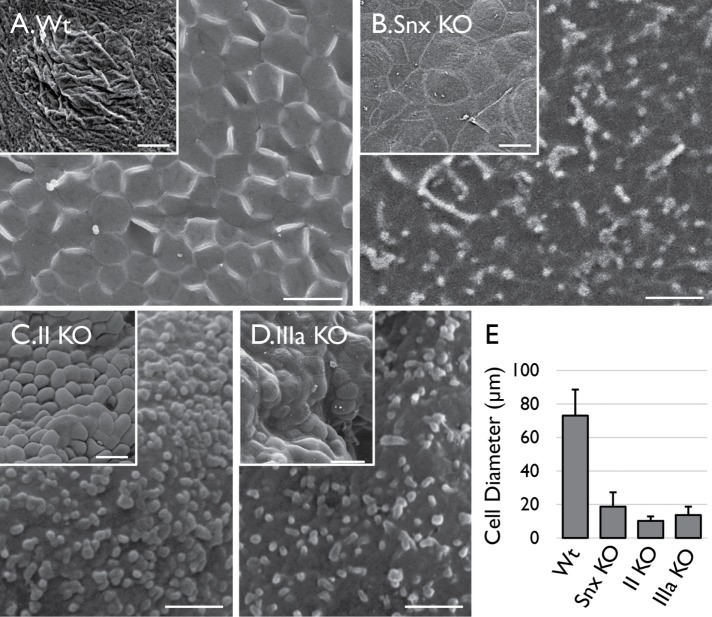
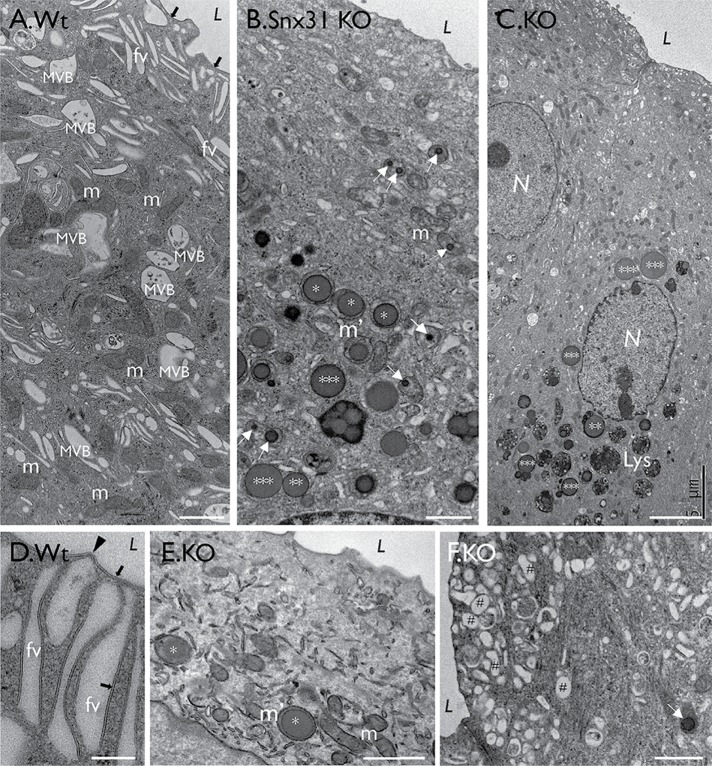
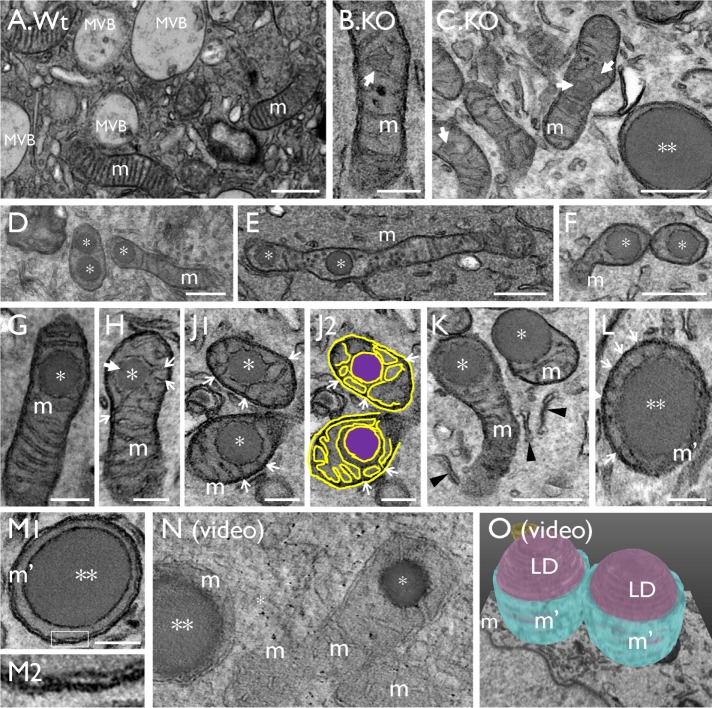
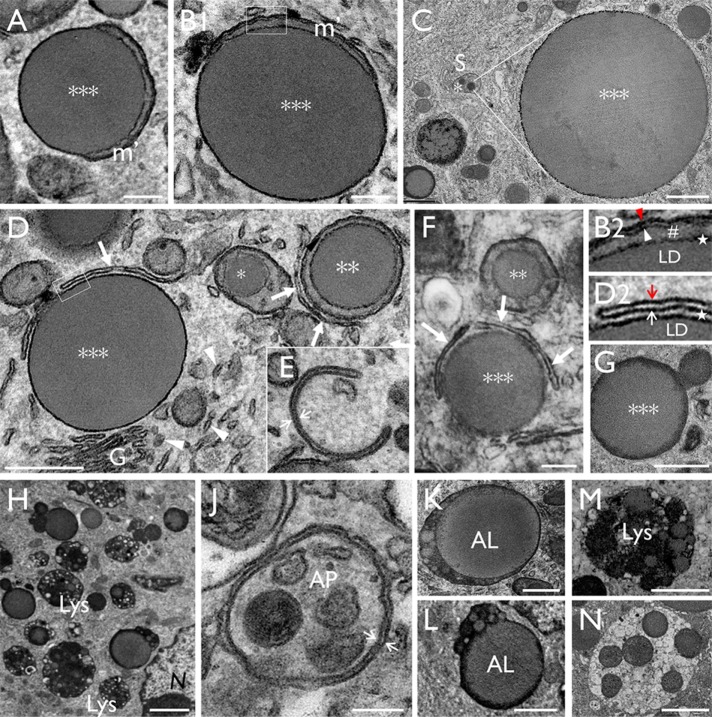
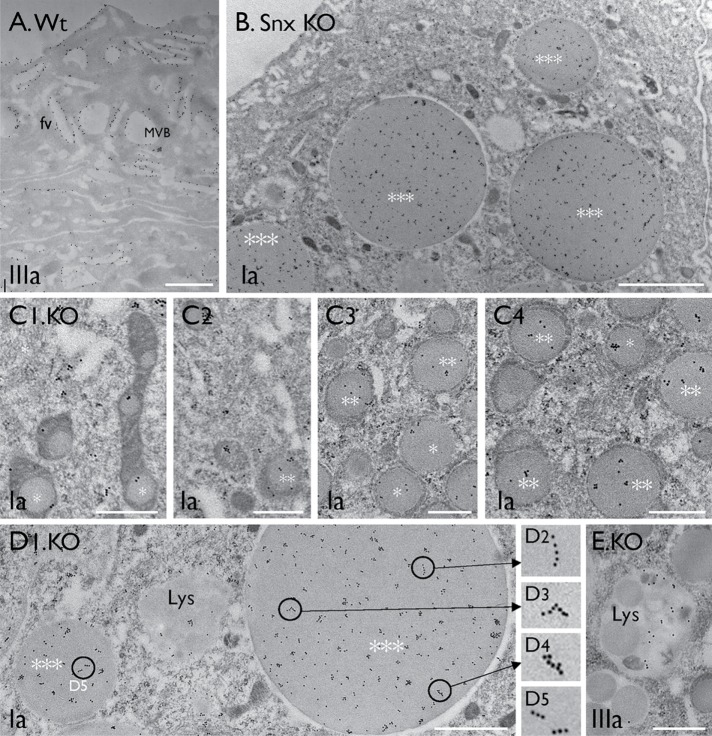
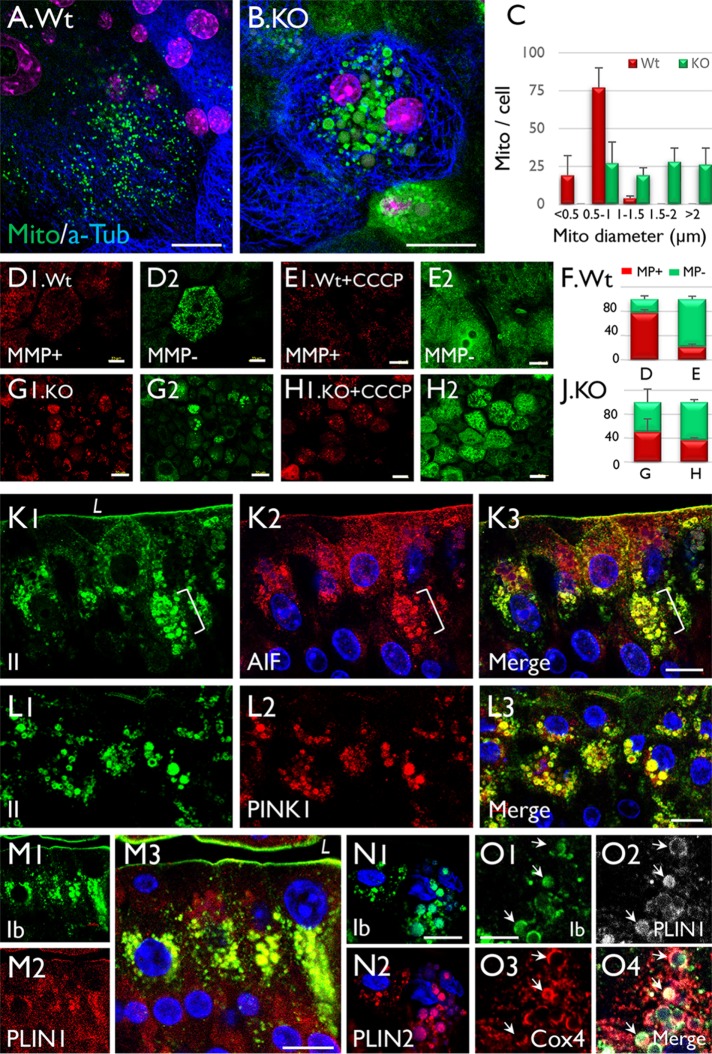
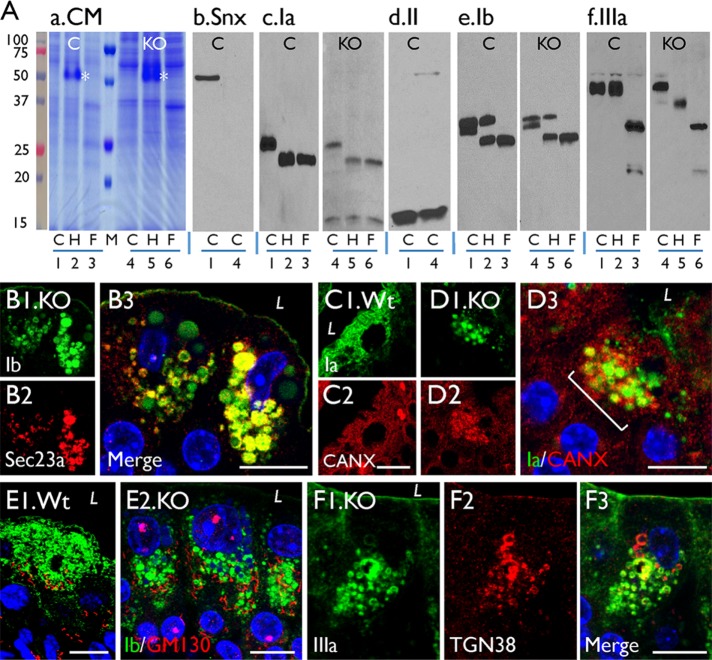
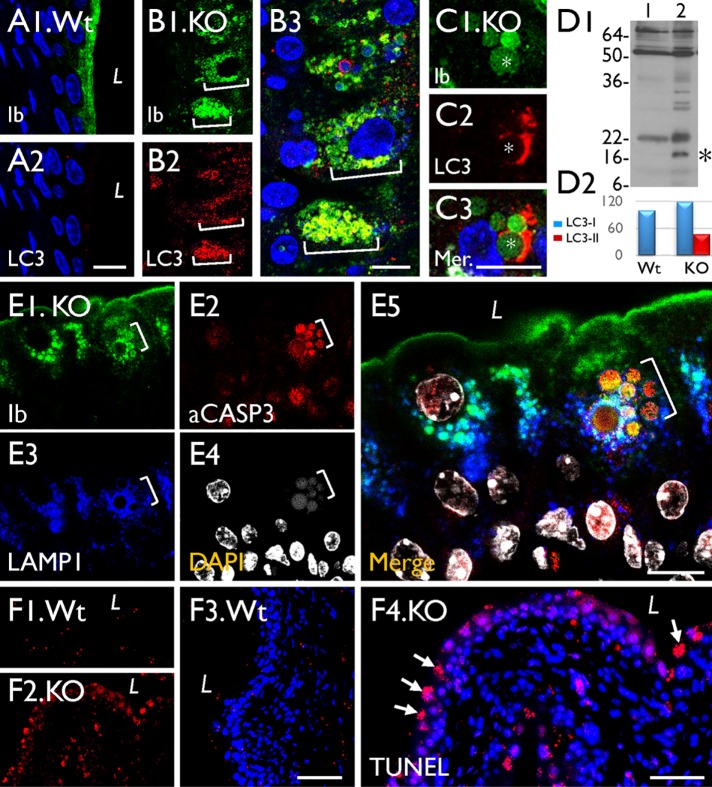
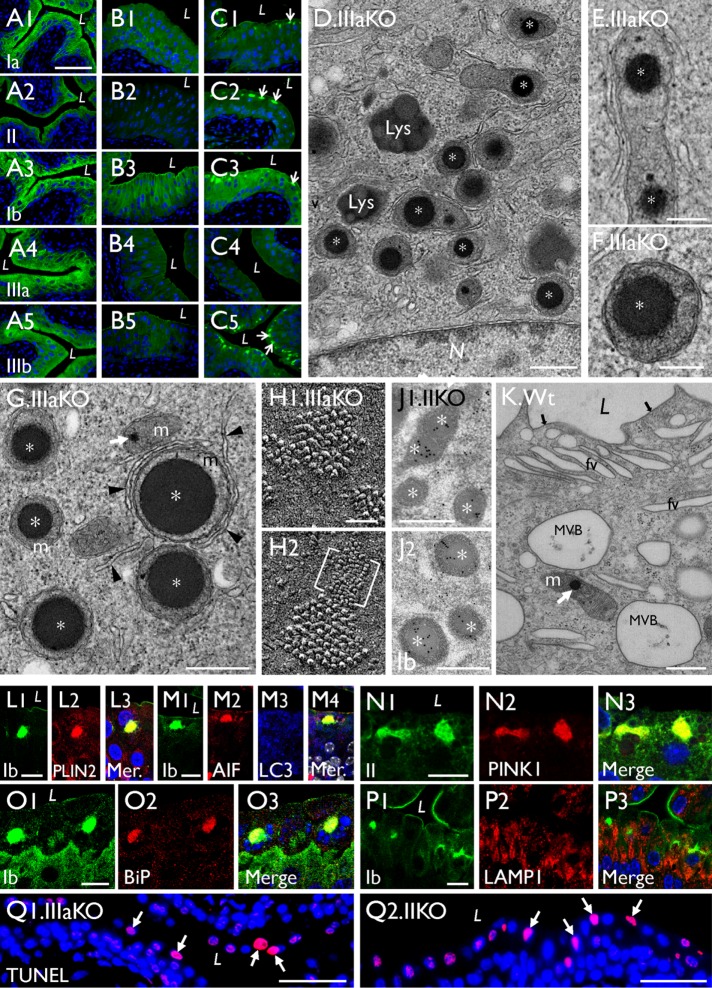
The apical surface of the terminally differentiated mammalian urothelial umbrella cell is mechanically stable and highly impermeable, in part due to its coverage by urothelial plaques consisting of 2D crystals of uroplakin particles. The mechanism for regulating the uroplakin/plaque level is unclear. We found that genetic ablation of the highly tissue-specific sorting nexin Snx31, which localizes to plaques lining the multivesicular bodies (MVBs) in urothelial umbrella cells, abolishes MVBs suggesting that Snx31 plays a role in stabilizing the MVB-associated plaques by allowing them to achieve a greater curvature. Strikingly, Snx31 ablation also induces a massive accumulation of uroplakin-containing mitochondria-derived lipid droplets (LDs), which mediate uroplakin degradation via autophagy/lipophagy, leading to the loss of apical and fusiform vesicle plaques. These results suggest that MVBs play an active role in suppressing the excessive/wasteful endocytic degradation of uroplakins. Failure of this suppression mechanism triggers the formation of mitochondrial LDs so that excessive uroplakin membranes can be sequestered and degraded. Because mitochondrial LD formation, which occurs at a low level in normal urothelium, can also be induced by disturbance in uroplakin polymerization due to individual uroplakin knockout and by arsenite, a bladder carcinogen, this pathway may represent an inducible, versatile urothelial detoxification mechanism.
终末分化的哺乳动物尿路上皮伞细胞的顶表面在机械上是稳定且高度不可渗透的,部分原因是其被由尿路上皮斑组成的覆盖,所述尿路上皮斑由尿路上皮蛋白颗粒的 2D 晶体组成。调节尿路上皮蛋白/斑水平的机制尚不清楚。我们发现,高度组织特异性分选连接蛋白 Snx31 的基因缺失,其定位于尿路上皮伞细胞中的多泡体 (MVB) 排列的斑中,会导致 MVB 的消除,表明 Snx31 通过允许它们达到更大的曲率在稳定与 MVB 相关的斑中发挥作用。引人注目的是,Snx31 的缺失也会诱导大量含有尿路上皮蛋白的线粒体衍生的脂滴 (LD) 的积累,所述脂滴通过自噬/脂噬介导尿路上皮蛋白的降解,导致顶表面和梭形囊泡斑的丧失。这些结果表明 MVB 在抑制尿路上皮蛋白的过度/浪费性内吞降解中起积极作用。这种抑制机制的失败会触发线粒体 LD 的形成,使得过多的尿路上皮蛋白膜可以被隔离和降解。因为在线粒体 LD 形成在正常尿路上皮中以低水平发生,并且也可以由尿路上皮蛋白聚合的个体尿路上皮蛋白敲除和砷剂(膀胱癌致癌物)的干扰引起,所以该途径可能代表一种可诱导的、多功能的尿路上皮解毒机制。