Department of Veterinary and Biomedical Sciences, South Dakota State University, PO Box 2175, SAR Room 125, North Campus Drive, Brookings, SD 57007, USA.
Department of Biology and Microbiology, South Dakota State University, Brookings, SD 57007, USA.
Vet Clin North Am Food Anim Pract. 2019 Nov;35(3):431-451. doi: 10.1016/j.cvfa.2019.08.006.
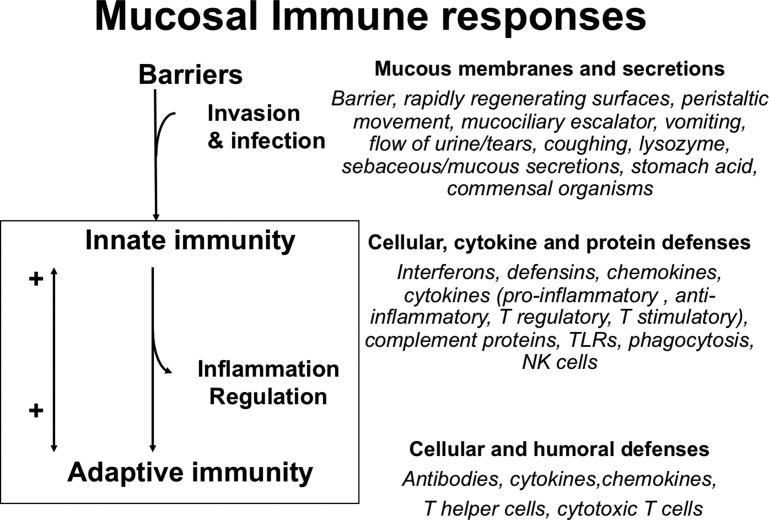
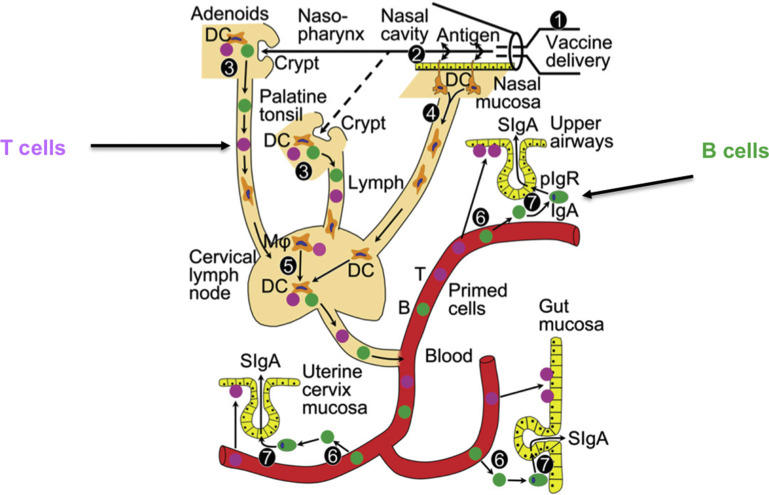
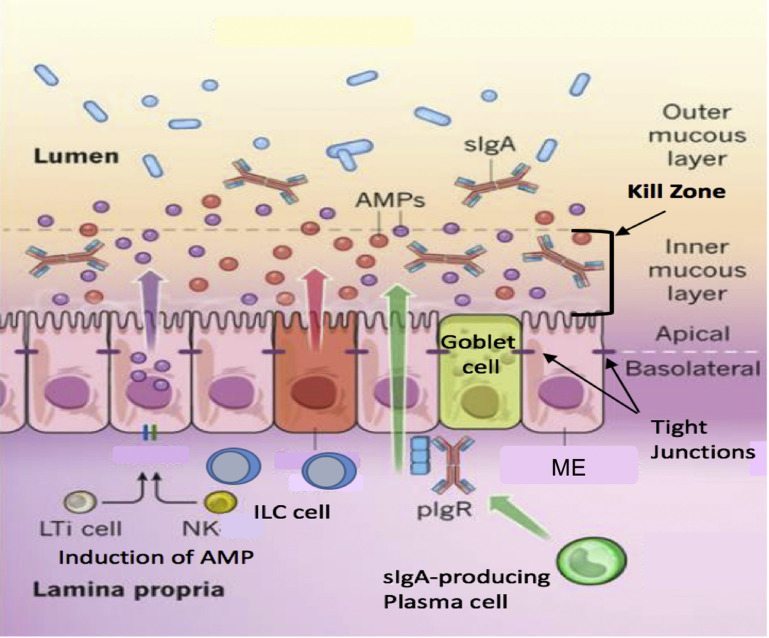
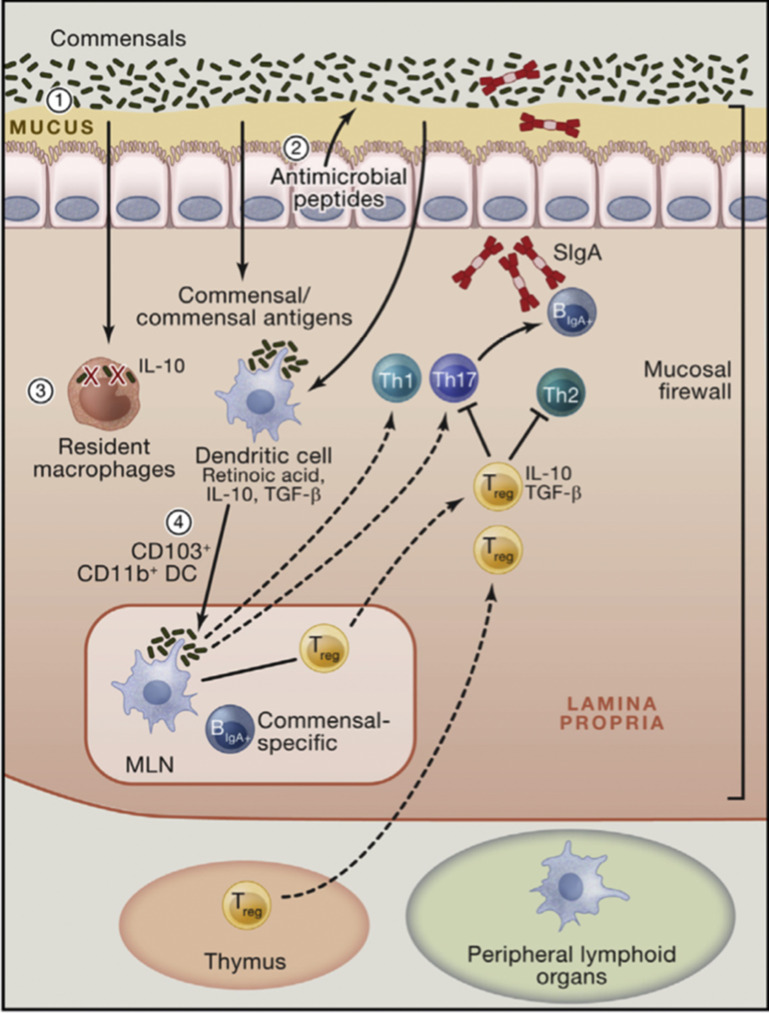
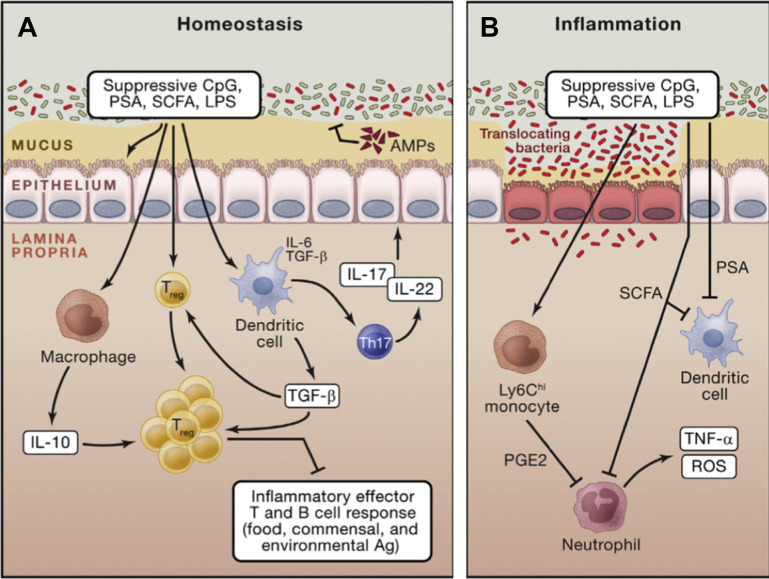
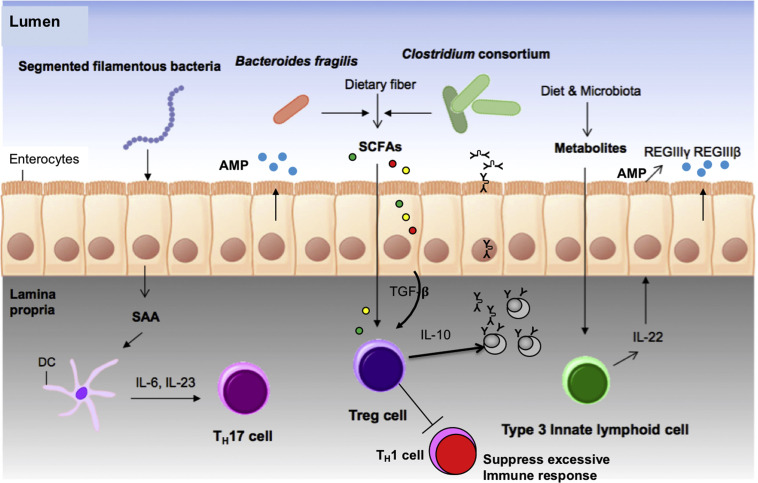
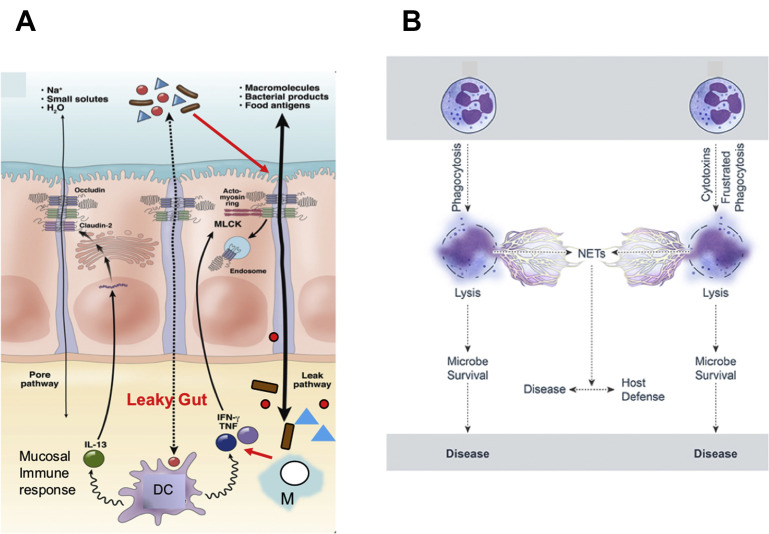
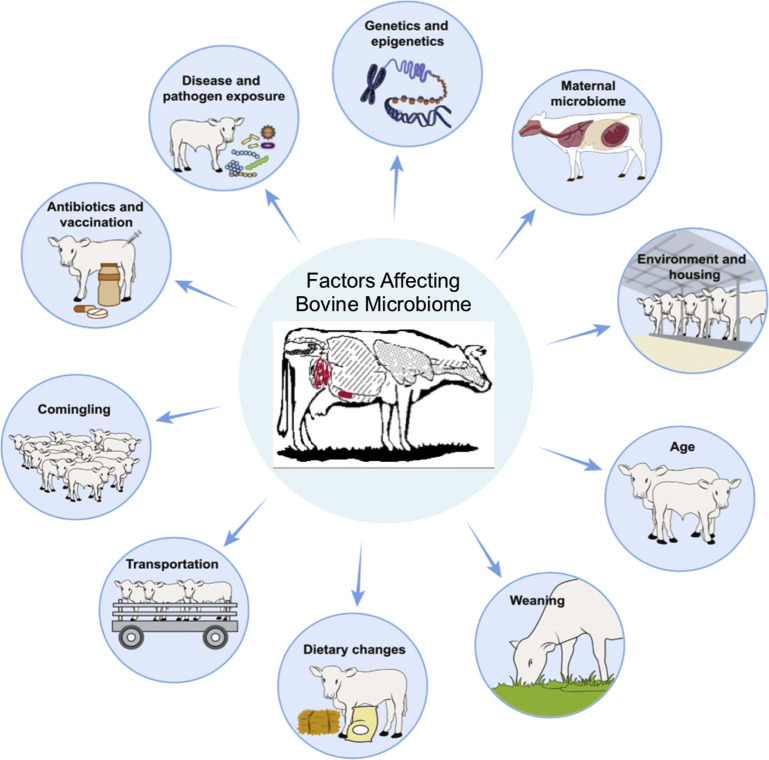
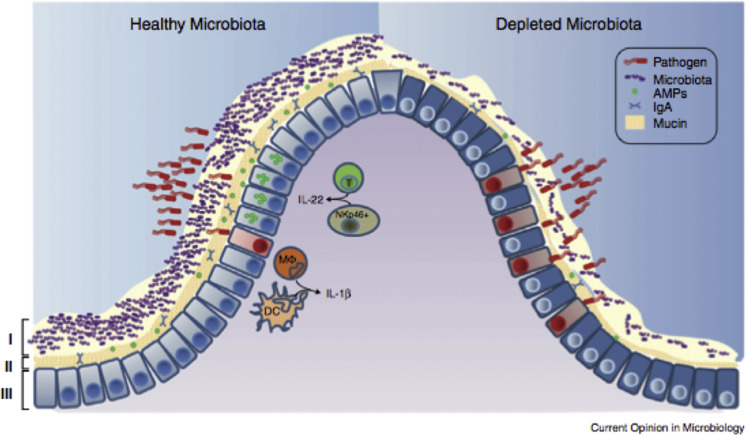
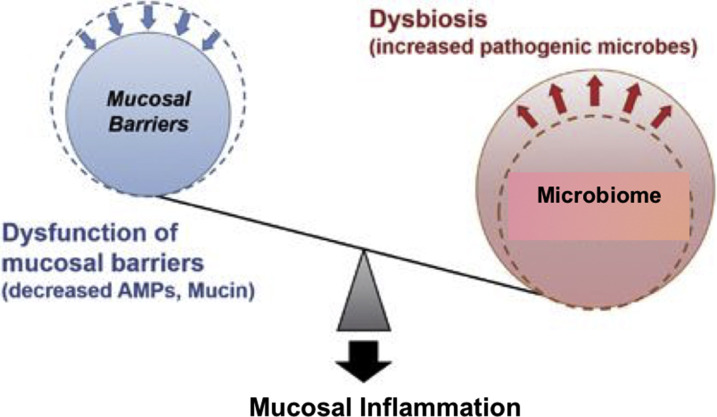
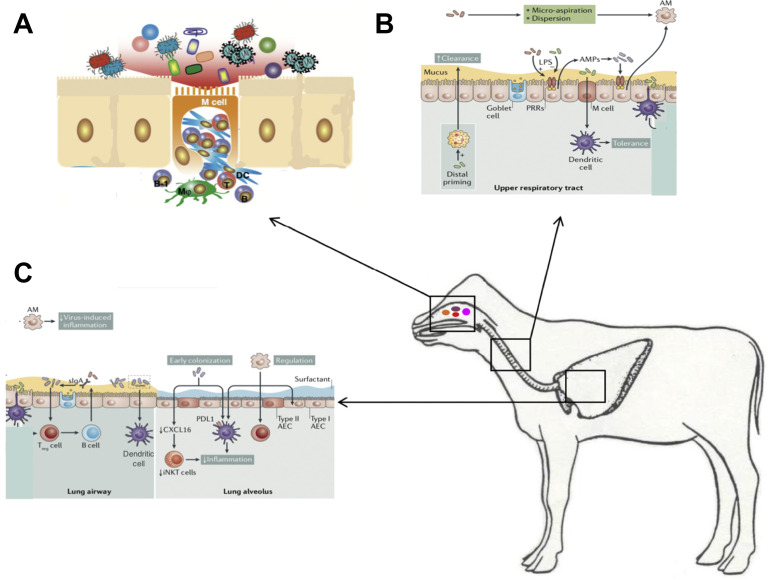
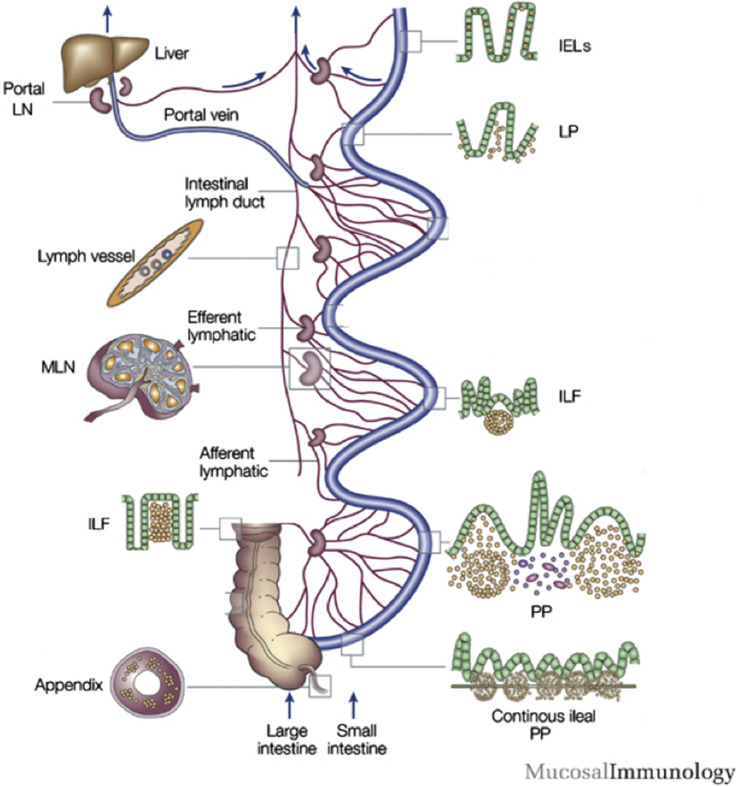
This article discusses key concepts important for mucosal immunity. The mucosa is the largest immune organ of the body. The mucosal barrier (the tight junctions and the "kill zone") along with the mucosa epithelial cells maintaining an anti-inflammatory state are essential for the mucosal firewall. The microbiome (the microorganisms that are in the gastrointestinal, respiratory, and reproductive tract) is essential for immune development, homeostasis, immune response, and maximizing animal productivity. Mucosal vaccination provides an opportunity to protect animals from most infectious diseases because oral, gastrointestinal, respiratory, and reproductive mucosa are the main portals of entry for infectious disease.
本文讨论了黏膜免疫的重要概念。黏膜是人体最大的免疫器官。黏膜屏障(紧密连接和“杀伤区”)以及维持抗炎状态的黏膜上皮细胞对于黏膜防火墙至关重要。微生物组(存在于胃肠道、呼吸道和生殖道中的微生物)对于免疫发育、免疫稳态、免疫反应和最大化动物生产性能至关重要。黏膜疫苗接种为保护动物免受大多数传染病提供了机会,因为口腔、胃肠道、呼吸道和生殖道黏膜是传染病的主要入口。