Maria Andrea Gutierrez, Dillemburg-Pilla Patrícia, Durand Marina de Toledo, Floriano Elaine Medeiros, Manfiolli Adriana Oliveira, Ramos Simone Gusmão, Pesquero João Bosco, Nahmias Clara, Costa-Neto Claudio M
Department of Biochemistry and Immunology, Ribeirão Preto Medical School, University of São Paulo, Ribeirão Preto, Brazil.
Department of Medicine, University of Ribeirão Preto, Ribeirão Preto, Brazil.
Front Pharmacol. 2019 Sep 25;10:1106. doi: 10.3389/fphar.2019.01106. eCollection 2019.
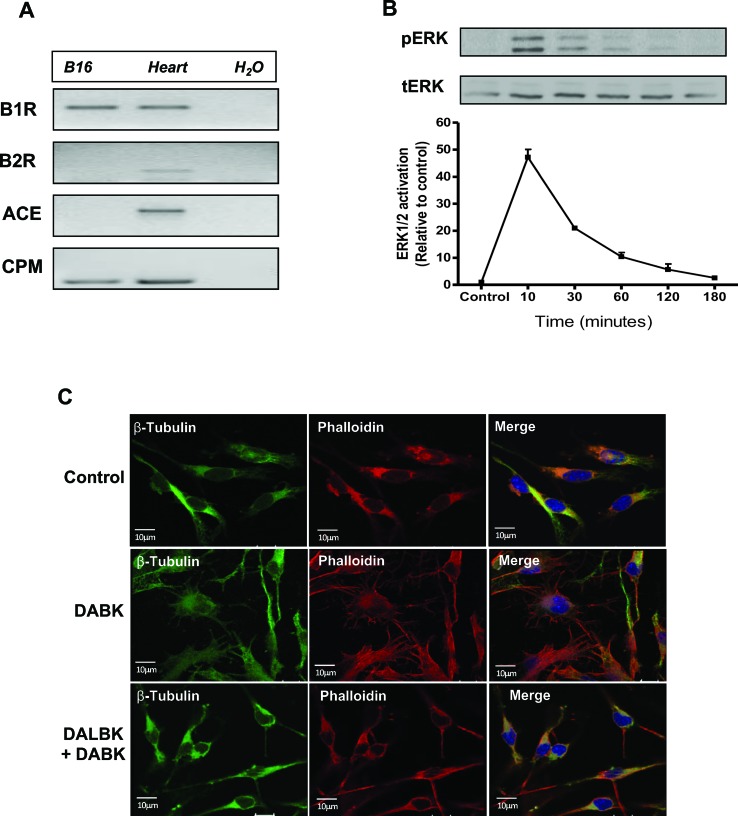
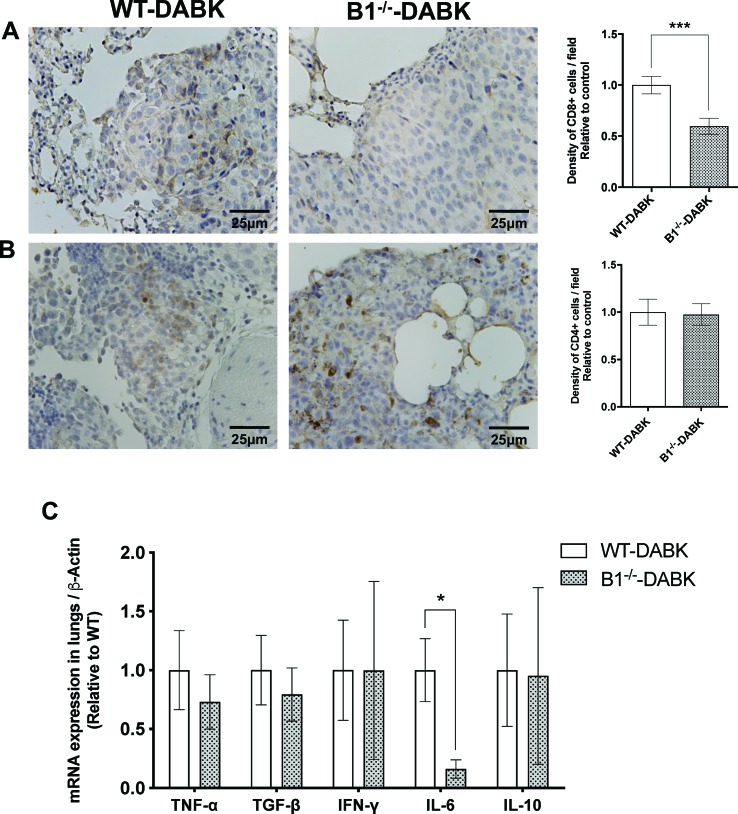
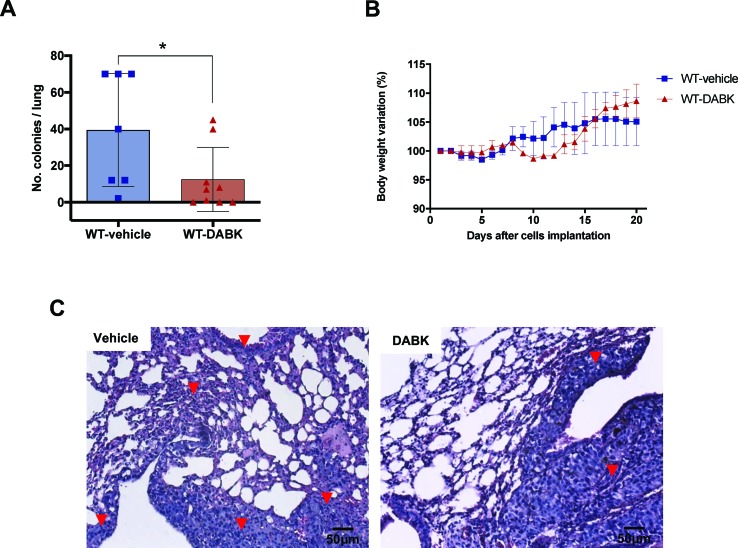
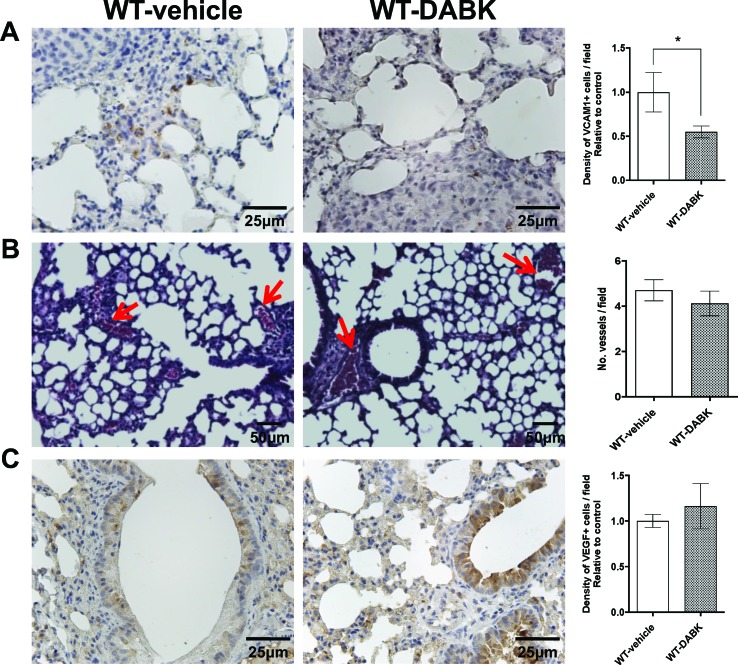
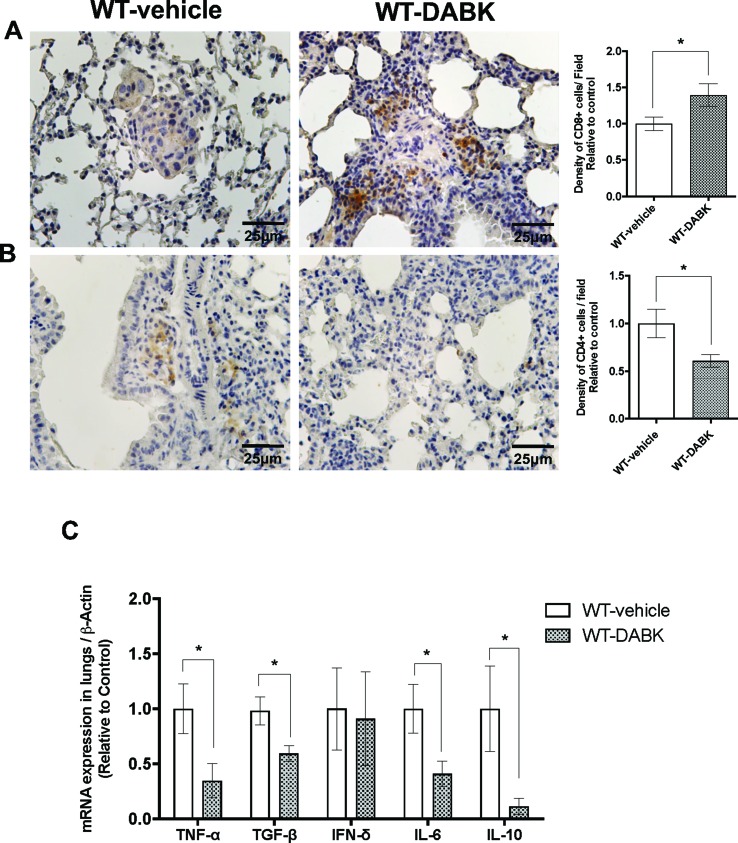
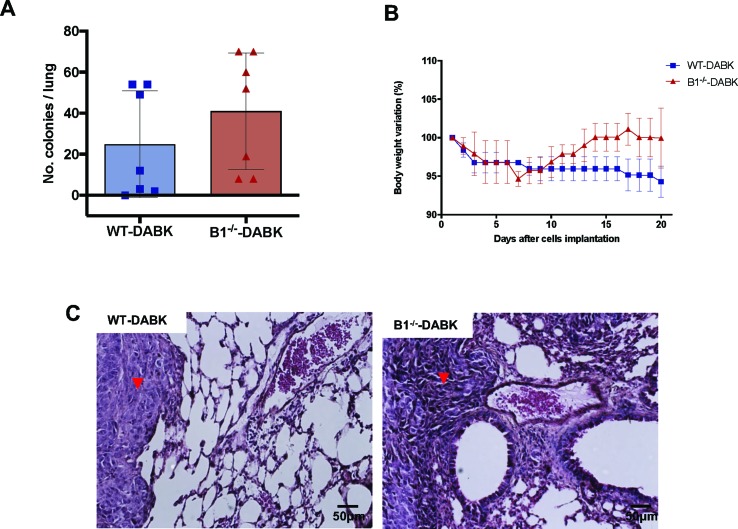
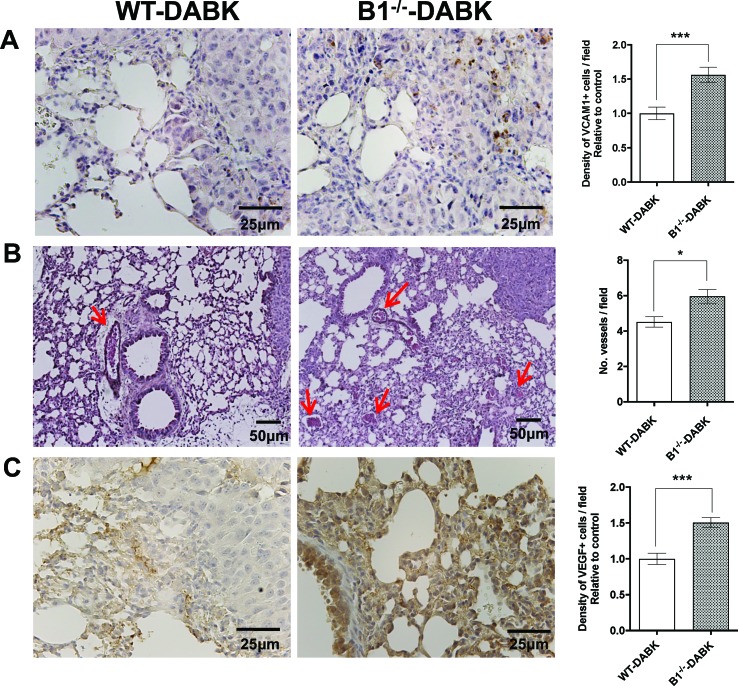
Metastatic melanoma is an aggressive type of skin cancer leading half of the patients to death within 8-10 months after diagnosis. Kinins are peptides that interact with B1 and B2 receptors playing diverse biological roles. We investigated whether treatment with B1 receptor agonist, des-Arg-bradykinin (DABK), has effects in lung metastasis establishment after melanoma induction in mice. We found a lower number of metastatic colonies in lungs of DABK-treated mice, reduced expression of vascular cell adhesion molecule 1 (VCAM-1), and increased CD8T-cell recruitment to the metastatic area compared to animals that did not receive treatment. To understand whether the effects of DABK observed were due to the activation of the B1 receptor in the tumor cells or in the host, we treated wild-type (WT) and kinin B1 receptor knockout (B1) mice with DABK. No significant differences in the number of melanoma colonies established in lungs were seen between WT and B1mice; however, B1mice presented higher VCAM-1 expression and lower CD8T-cell infiltration. In conclusion, we believe that activation of kinin B1 receptor by its agonist in the host stimulates the immune response more efficiently, promoting CD8T-cell recruitment to the metastatic lungs and interfering in VCAM-1 expression. Moreover, treatment with DABK reduced establishment of metastatic colonies by mainly acting on tumor cells; hence, this study brings insights to explore novel approaches to treat metastatic melanoma targeting the B1 receptor.
转移性黑色素瘤是一种侵袭性皮肤癌,半数患者在确诊后8至10个月内死亡。激肽是与B1和B2受体相互作用并发挥多种生物学作用的肽。我们研究了用B1受体激动剂去精氨酸缓激肽(DABK)治疗是否对小鼠黑色素瘤诱导后的肺转移形成有影响。我们发现,与未接受治疗的动物相比,DABK治疗的小鼠肺中转移瘤菌落数量更少,血管细胞黏附分子1(VCAM-1)的表达降低,并且有更多的CD8+T细胞募集到转移区域。为了了解观察到的DABK的作用是否是由于肿瘤细胞或宿主中B1受体的激活,我们用DABK处理野生型(WT)和激肽B1受体敲除(B1)小鼠。WT和B1小鼠在肺中形成的黑色素瘤菌落数量没有显著差异;然而,B1小鼠呈现出更高的VCAM-1表达和更低的CD8+T细胞浸润。总之,我们认为宿主中其激动剂对激肽B1受体的激活更有效地刺激了免疫反应,促进CD8+T细胞募集到转移的肺中并干扰VCAM-1的表达。此外,DABK治疗主要通过作用于肿瘤细胞减少了转移瘤菌落的形成;因此,本研究为探索靶向B1受体治疗转移性黑色素瘤的新方法带来了见解。