Rice Alistair, Del Rio Hernandez Armando
Cellular and Molecular Biomechanics Laboratory, Department of Bioengineering, Faculty of Engineering, Imperial College London, South Kensington Campus, London, United Kingdom.
Front Oncol. 2019 Sep 24;9:952. doi: 10.3389/fonc.2019.00952. eCollection 2019.
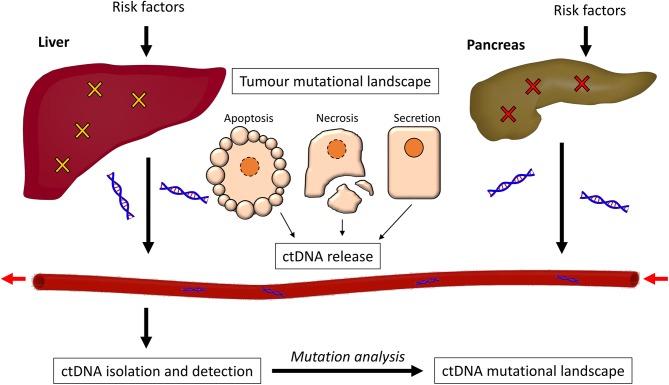
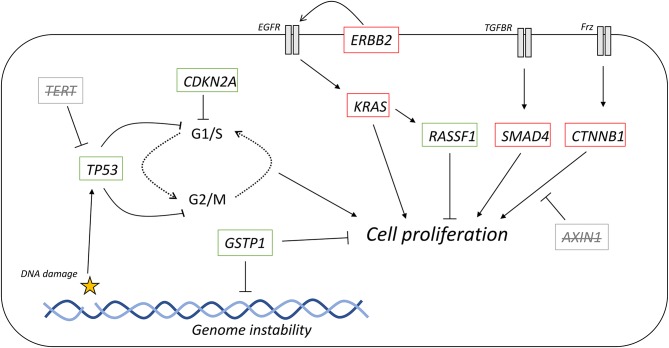
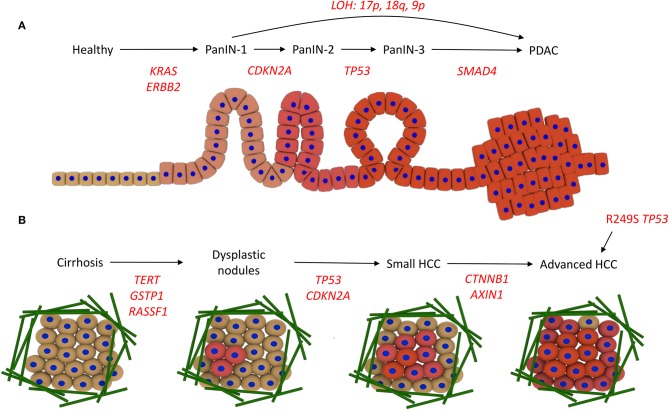
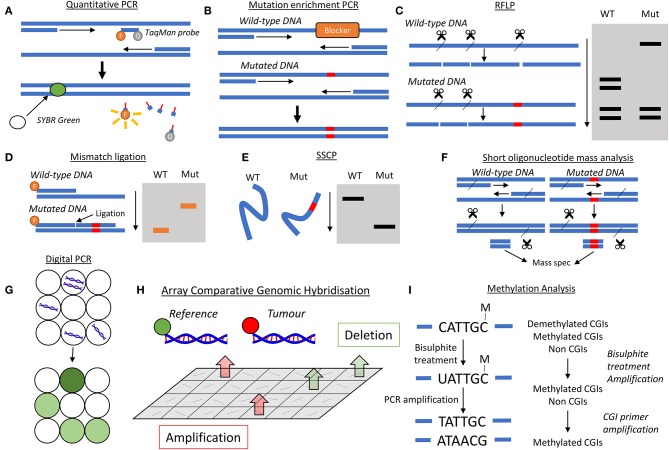
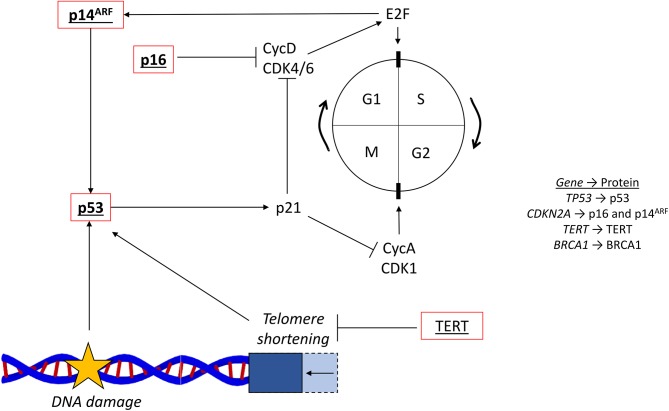
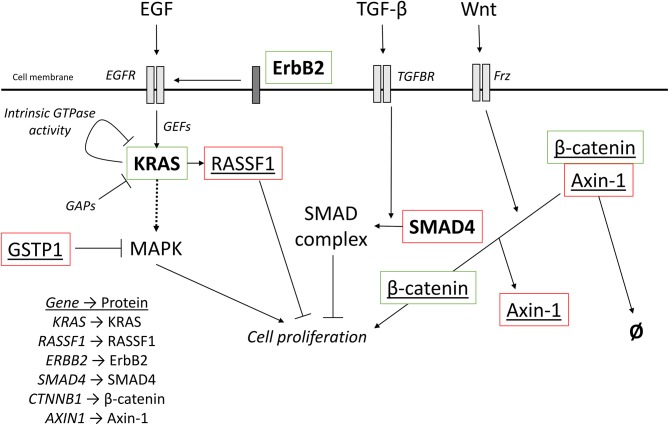
The mutational landscapes of pancreatic and liver cancers share many common genetic alterations which drive cancer progression. However, these mutations do not occur in all cases of these diseases, and this tumoral heterogeneity impedes diagnosis, prognosis, and therapeutic development. One minimally invasive method for the evaluation of tumor mutations is the analysis of circulating tumor DNA (ctDNA), released through apoptosis, necrosis, and active secretion by tumor cells into various body fluids. By observing mutations in those genes which promote transformation by controlling the cell cycle and oncogenic signaling pathways, a representation of the mutational profile of the tumor is revealed. The analysis of ctDNA is a promising technique for investigating these two gastrointestinal cancers, as many studies have reported on the accuracy of ctDNA assessment for diagnosis and prognosis using a variety of techniques.
胰腺癌和肝癌的突变图谱具有许多共同的基因改变,这些改变驱动癌症进展。然而,这些突变并非在所有这些疾病病例中都会出现,这种肿瘤异质性阻碍了诊断、预后评估和治疗发展。一种评估肿瘤突变的微创方法是分析循环肿瘤DNA(ctDNA),它通过肿瘤细胞凋亡、坏死以及向各种体液中的主动分泌而释放。通过观察那些通过控制细胞周期和致癌信号通路促进细胞转化的基因中的突变,可以揭示肿瘤突变谱的特征。ctDNA分析是研究这两种胃肠道癌症的一种有前景的技术,因为许多研究已经报道了使用各种技术进行ctDNA评估用于诊断和预后的准确性。