Lee Jung Goo, Woo Young Sup, Park Sung Woo, Seog Dae-Hyun, Seo Mi Kyoung, Bahk Won-Myong
Department of Psychiatry, College of Medicine, Haeundae Paik Hospital, Inje University, Busan 47392, Korea.
Paik Institute for Clinical Research, Department of Health Science and Technology, Graduate School, Inje University, Busan 47392, Korea.
Brain Sci. 2019 Oct 21;9(10):285. doi: 10.3390/brainsci9100285.
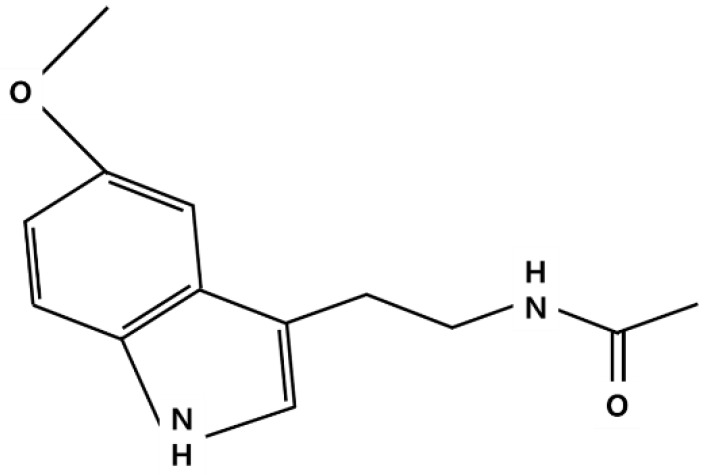
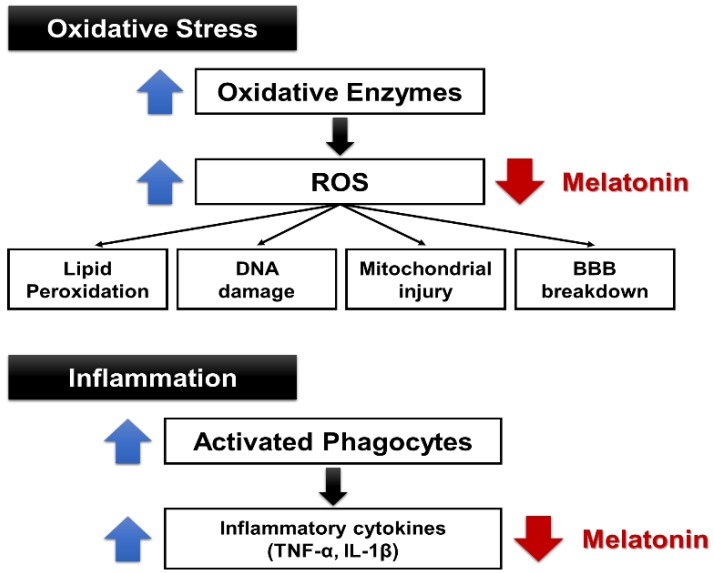
Melatonin is a hormone that is secreted by the pineal gland. To date, melatonin is known to regulate the sleep cycle by controlling the circadian rhythm. However, recent advances in neuroscience and molecular biology have led to the discovery of new actions and effects of melatonin. In recent studies, melatonin was shown to have antioxidant activity and, possibly, to affect the development of Alzheimer's disease (AD). In addition, melatonin has neuroprotective effects and affects neuroplasticity, thus indicating potential antidepressant properties. In the present review, the new functions of melatonin are summarized and a therapeutic target for the development of new drugs based on the mechanism of action of melatonin is proposed.
褪黑素是一种由松果体分泌的激素。迄今为止,已知褪黑素通过控制昼夜节律来调节睡眠周期。然而,神经科学和分子生物学的最新进展已导致发现褪黑素的新作用和影响。在最近的研究中,褪黑素显示出具有抗氧化活性,并且可能影响阿尔茨海默病(AD)的发展。此外,褪黑素具有神经保护作用并影响神经可塑性,因此表明其具有潜在的抗抑郁特性。在本综述中,总结了褪黑素的新功能,并基于褪黑素的作用机制提出了开发新药的治疗靶点。