Merck KGaA, Darmstadt, Germany.
EMD Serono Research & Development Institute, Inc., Billerica, Massachusetts, USA.
Clin Transl Sci. 2020 Mar;13(2):325-336. doi: 10.1111/cts.12713. Epub 2019 Nov 29.
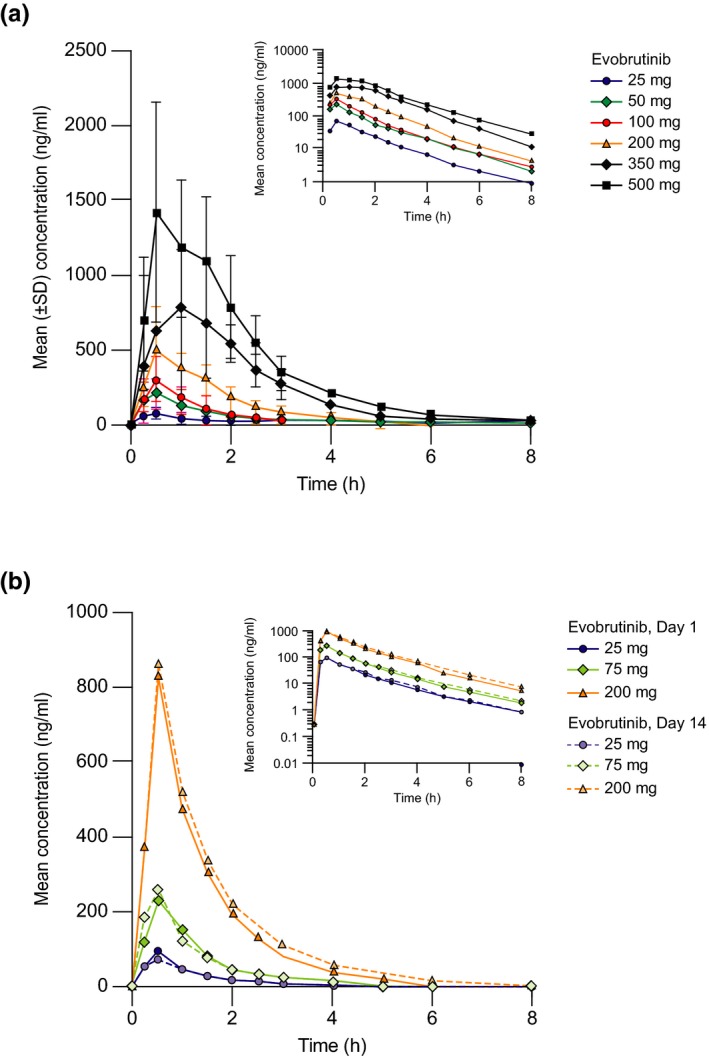
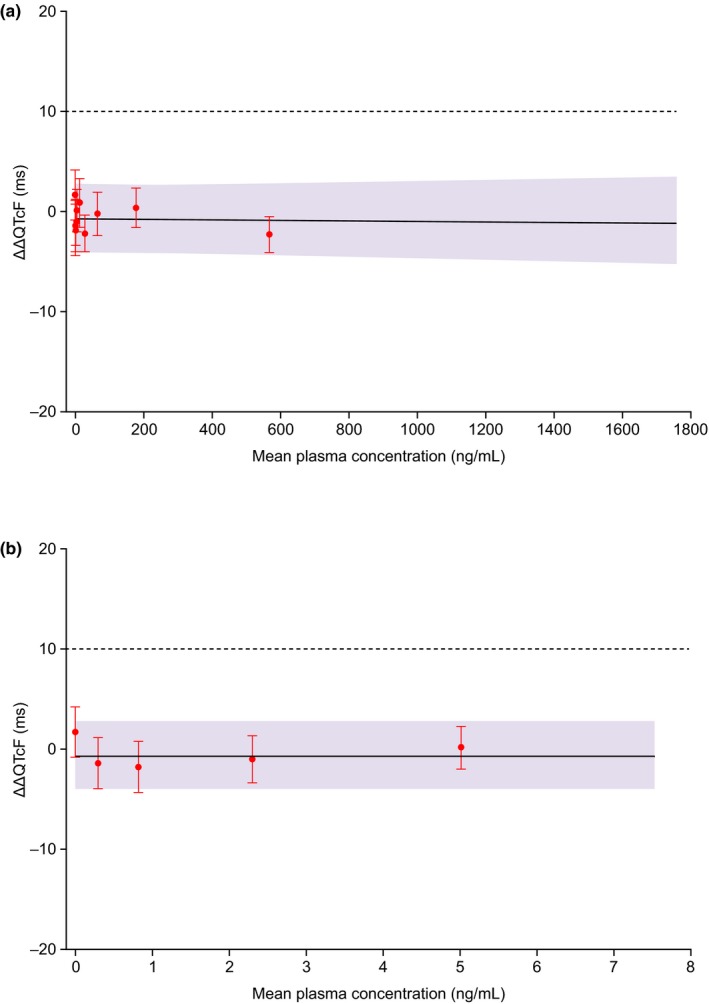
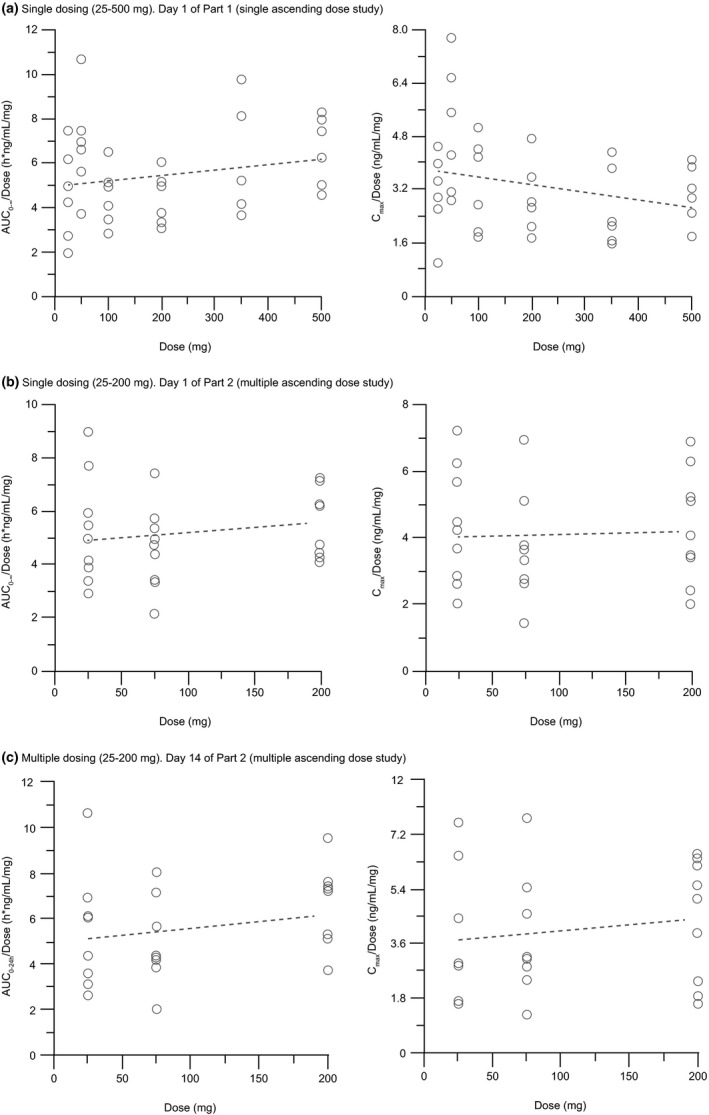
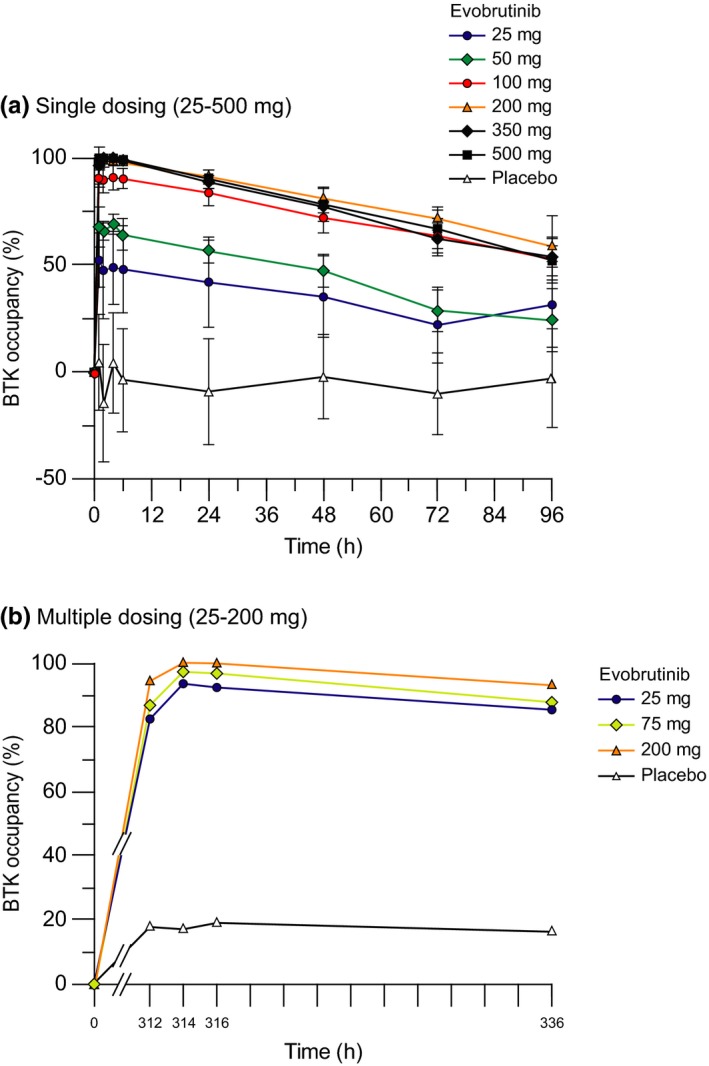
Bruton's tyrosine kinase (BTK) is a key regulator of B cell receptor and Fc receptor signaling, and a rational therapeutic target for autoimmune diseases. This first-in-human phase I, double-blind, placebo-controlled trial investigated the safety, tolerability, pharmacokinetics (PK), target occupancy, and effects on QT interval of evobrutinib, a highly selective, oral inhibitor of BTK, in healthy subjects. This dose escalation trial consisted of two parts. Part 1 included 48 subjects in 6 ascending dose cohorts (25, 50, 100, 200, 350, and 500 mg) randomized to a single dose of evobrutinib or placebo. Part 2 included 36 subjects in 3 ascending dose cohorts (25, 75, and 200 mg/day) randomized to evobrutinib or placebo once daily for 14 days. Safety and tolerability, as well as PK and target occupancy (total and free BTK in peripheral blood mononuclear cells), were assessed following single and multiple dosing. PK parameters were determined by noncompartmental methods. QT interval was obtained from 12-lead electrocardiogram recordings and corrected for heart rate by Fridericia's method (QTcF). Treatment-emergent adverse events (TEAEs) were mostly mild, occurring in 25% of subjects after single dosing, and 48.1% after multiple dosing. There was no apparent dose relationship regarding frequency or type of TEAE among evobrutinib-treated subjects. Absorption was rapid (time to reach maximum plasma concentration (T ) ~ 0.5 hour), half-life short (~ 2 hours), and PK dose-proportional, with no accumulation or time dependency on repeat dosing. BTK occupancy was dose-dependent, reaching maximum occupancy of > 90% within ~ 4 hours after single doses ≥ 200 mg; the effect was long-lasting (> 50% occupancy at 96 hours with ≥ 100 mg). After multiple dosing, full BTK occupancy was achieved with 25 mg, indicating slow turnover of BTK protein in vivo. Concentration-QTcF analyses did not show any impact of evobrutinib concentration on corrected QT (QTc). In summary, evobrutinib was well-tolerated, showed linear and time-independent PK, induced long-lasting BTK inhibition, and was associated with no prolongation of QT/QTc interval in healthy subjects. Evobrutinib is, therefore, suitable for investigation in autoimmune diseases.
布鲁顿酪氨酸激酶(BTK)是 B 细胞受体和 Fc 受体信号的关键调节剂,也是自身免疫性疾病的合理治疗靶点。这是一项首次在人体中进行的 I 期、双盲、安慰剂对照试验,旨在研究高度选择性、口服 BTK 抑制剂依鲁替尼在健康受试者中的安全性、耐受性、药代动力学(PK)、靶标占有率以及对 QT 间期的影响。这项剂量递增试验包括两部分。第 1 部分包括 48 名受试者,分为 6 个递增剂量组(25、50、100、200、350 和 500mg),随机接受单次依鲁替尼或安慰剂治疗。第 2 部分包括 36 名受试者,分为 3 个递增剂量组(25、75 和 200mg/天),随机接受依鲁替尼或安慰剂每日 1 次,连续治疗 14 天。在单次和多次给药后评估安全性和耐受性、PK 和靶标占有率(外周血单核细胞中的总 BTK 和游离 BTK)。PK 参数采用非房室法测定。QT 间期通过 12 导联心电图记录获得,并采用 Fridericia 法(QTcF)校正心率。治疗后出现的不良事件(TEAE)主要为轻度,单次给药后有 25%的受试者出现,多次给药后有 48.1%的受试者出现。依鲁替尼治疗的受试者中,TEAE 的发生频率或类型与剂量无明显关系。吸收迅速(达峰时间[T ]约 0.5 小时),半衰期短(~2 小时),PK 呈剂量比例关系,无蓄积或重复给药的时间依赖性。BTK 占有率与剂量呈正相关,单次给药≥200mg 后约 4 小时达到>90%的最大占有率;作用持续时间长(≥100mg 时,96 小时时>50%的占有率)。多次给药后,25mg 即可达到完全 BTK 占有率,表明体内 BTK 蛋白周转率较慢。浓度-QTcF 分析显示依鲁替尼浓度对校正 QT(QTc)无影响。总之,依鲁替尼耐受性良好,PK 呈线性和时间独立性,诱导 BTK 长时间抑制,且在健康受试者中未导致 QT/QTc 间期延长。因此,依鲁替尼适合在自身免疫性疾病中进行研究。