Li Lili, Fan Yichao, Huang Xin, Luo Jie, Zhong Lan, Shu Xing-Sheng, Lu Li, Xiang Tingxiu, Chan Anthony T C, Yeo Winnie, Chen Ceshi, Chan Wai Yee, Huganir Richard L, Tao Qian
Cancer Epigenetics Laboratory, Department of Clinical Oncology, State Key Laboratory of Translational Oncology, Sir YK Pao Center for Cancer and Li Ka Shing Institute of Health Sciences, The Chinese University of Hong Kong, Sha Tin, Hong Kong.
Cancer Epigenetics Laboratory, Department of Clinical Oncology, State Key Laboratory of Translational Oncology, Sir YK Pao Center for Cancer and Li Ka Shing Institute of Health Sciences, The Chinese University of Hong Kong, Sha Tin, Hong Kong.
iScience. 2019 Nov 22;21:1-18. doi: 10.1016/j.isci.2019.10.007. Epub 2019 Oct 8.
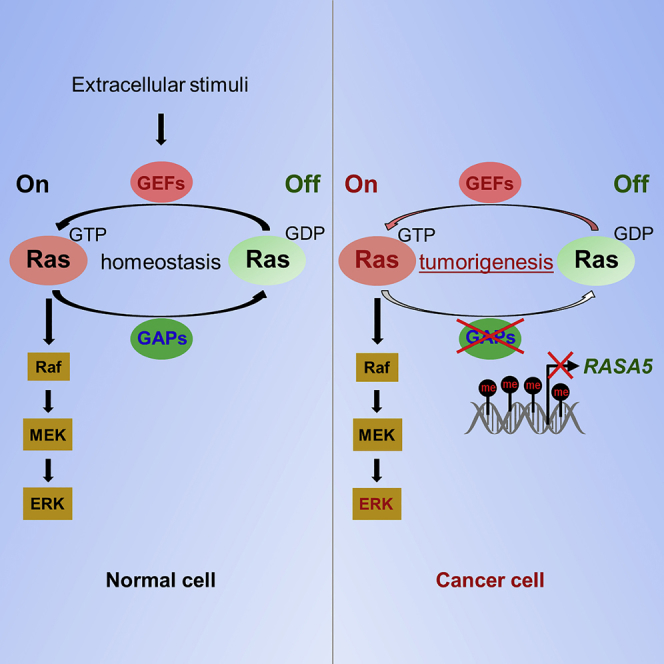
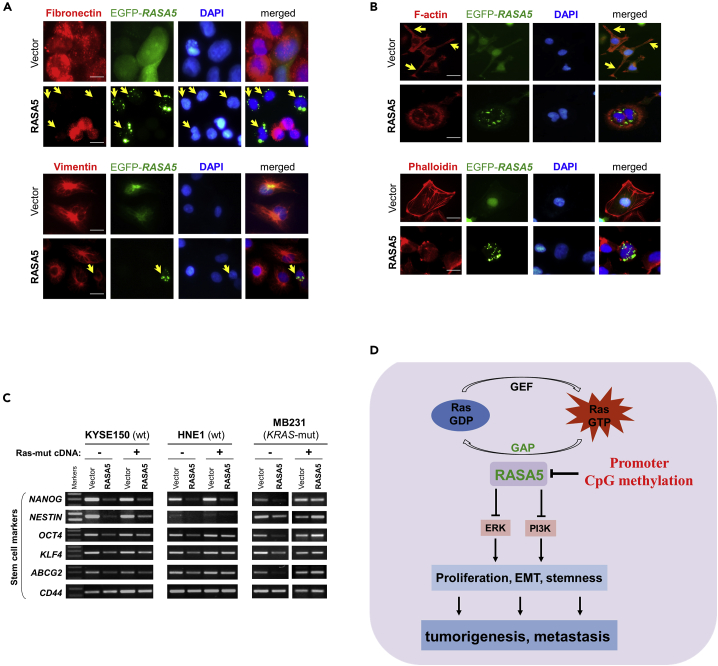
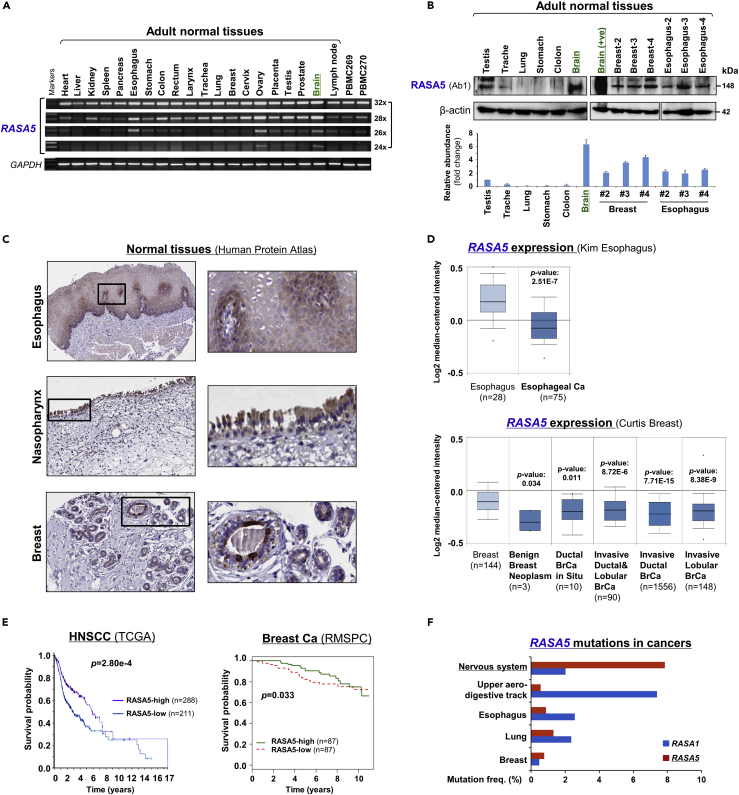
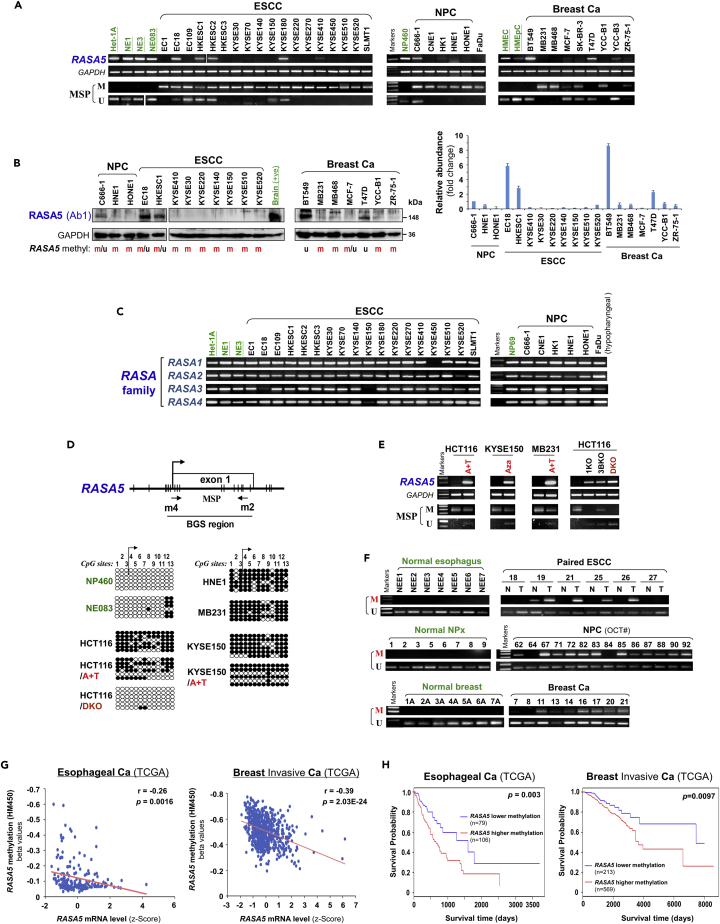
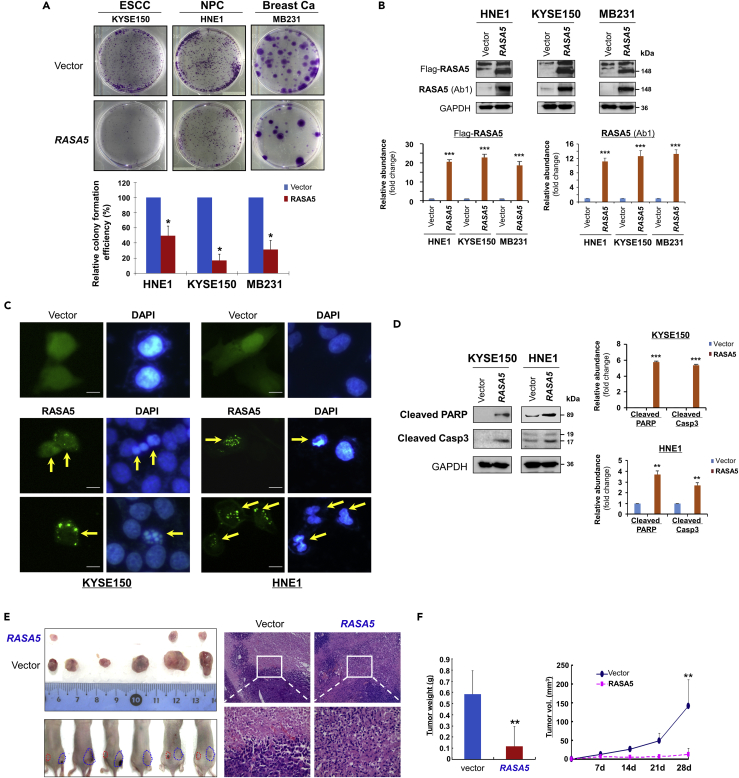
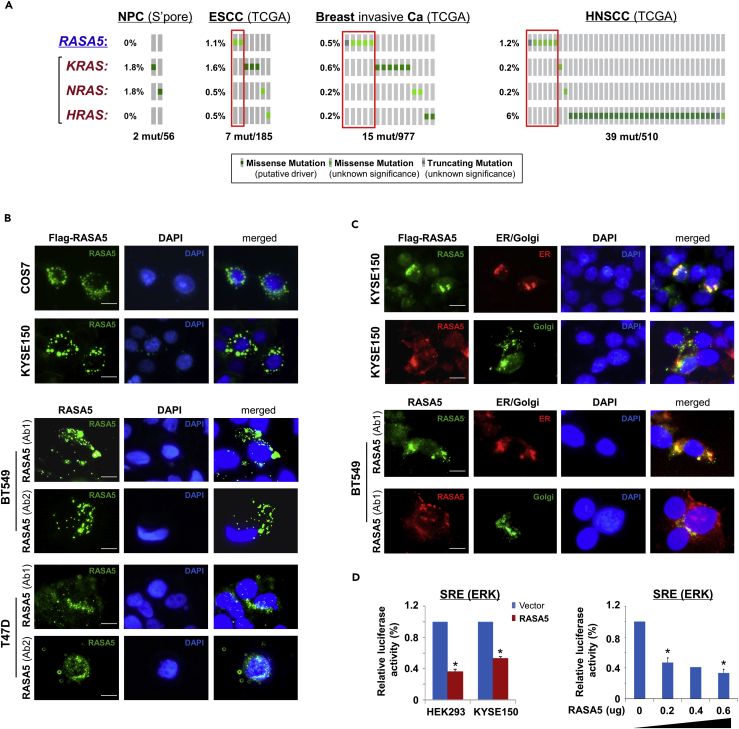
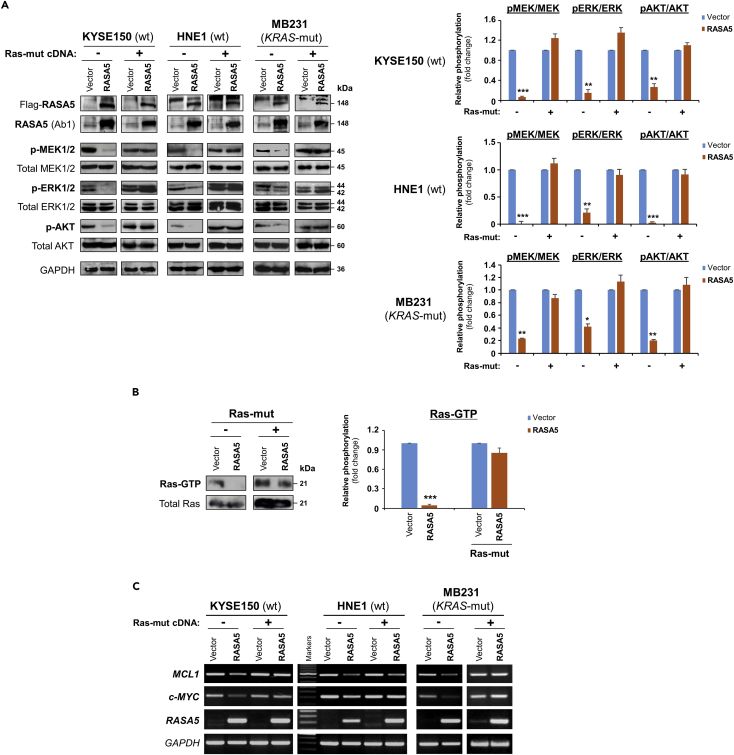
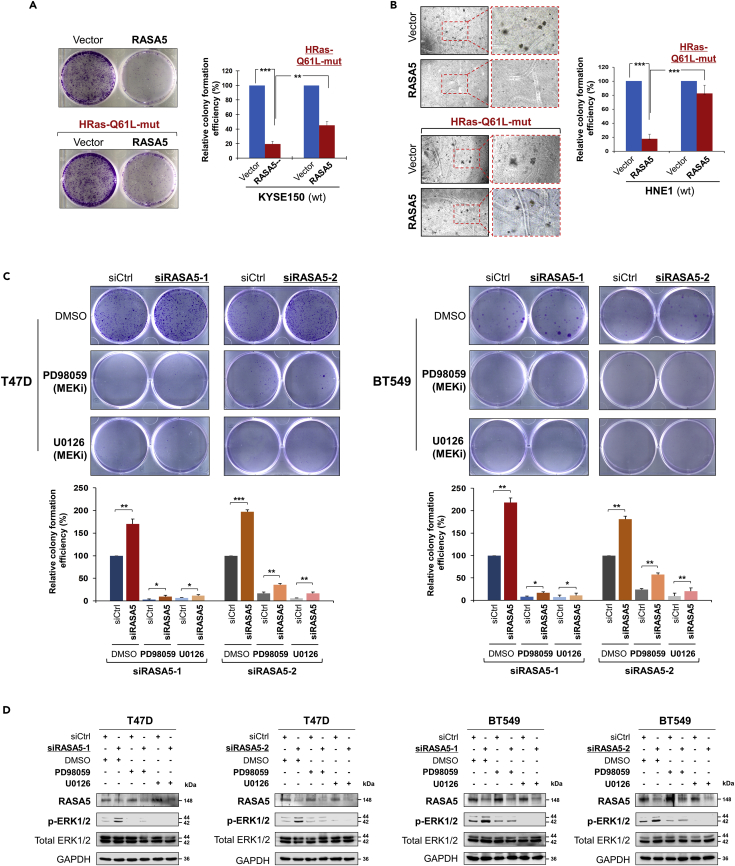
Aberrant RAS signaling activation is common in cancers with even few Ras mutations, indicating alternative dysregulation other than genetic mutations. We identified a Ras GTPase-activating gene RASA5/SYNGAP1, at the common 6p21.3 deletion, methylated/downregulated in multiple carcinomas and different from other RASA family members (RASA1-RASA4), indicating its special functions in tumorigenesis. RASA5 mutations are rare, unlike other RASA members, whereas its promoter CpG methylation is frequent in multiple cancer cell lines and primary carcinomas and associated with patient's poor survival. RASA5 expression inhibited tumor cell migration/invasion and growth in mouse model, functioning as a tumor suppressor. RASA5 suppressed RAS signaling, depending on its Ras GTPase-activating protein catalytic activity, which could be counteracted by oncogenic HRas Q61L mutant. RASA5 knockdown enhanced Ras signaling to promote tumor cell growth. RASA5 also inhibited epithelial-mesenchymal transition (EMT) through regulating actin reorganization. Thus, epigenetic inactivation of RASA5 contributing to hyperactive RAS signaling is involved in Ras-driven human oncogenesis.
异常的RAS信号激活在癌症中很常见,即使只有少数Ras突变,这表明除了基因突变外还存在其他失调机制。我们在常见的6p21.3缺失区域鉴定出一个Ras GTP酶激活基因RASA5/SYNGAP1,它在多种癌症中发生甲基化/表达下调,且与其他RASA家族成员(RASA1 - RASA4)不同,表明其在肿瘤发生中具有特殊功能。与其他RASA成员不同,RASA5突变很少见,而其启动子CpG甲基化在多种癌细胞系和原发性癌中很常见,且与患者的不良生存相关。在小鼠模型中,RASA5表达抑制肿瘤细胞迁移/侵袭和生长,起到肿瘤抑制作用。RASA5通过其Ras GTP酶激活蛋白催化活性抑制RAS信号,而致癌性HRas Q61L突变体可抵消这种抑制作用。敲低RASA5可增强RAS信号以促进肿瘤细胞生长。RASA5还通过调节肌动蛋白重组抑制上皮 - 间质转化(EMT)。因此,RASA5的表观遗传失活导致RAS信号过度活跃,参与了Ras驱动的人类肿瘤发生。